Table of Contents
Introduction to Modern Retail
In the ever-evolving landscape of retail, new business models are emerging that cater to the changing preferences of consumers. One such model that has gained significant traction is the flexible retail approach, which allows entrepreneurs to operate without the constraints of traditional inventory management. This article delves into the intricacies of this innovative business model, examining its advantages, challenges, and the strategies for success.

Understanding the Flexible Retail Model
What is Flexible Retail?
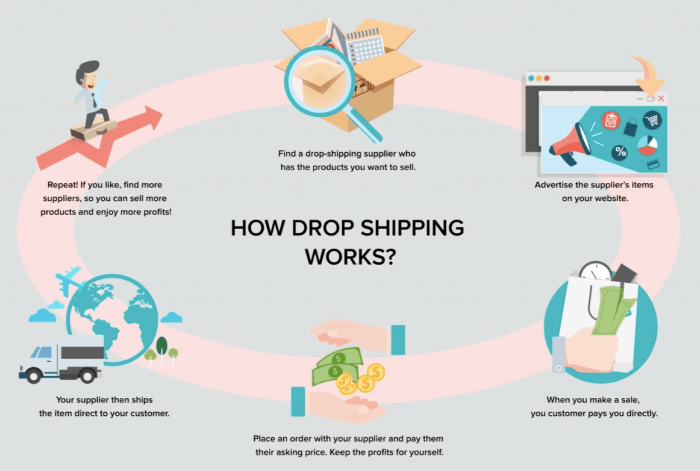
Flexible retail refers to a business model that allows retailers to adapt quickly to market demands without the burden of maintaining large inventories. This model often leverages technology and partnerships to streamline operations, enabling businesses to respond to consumer trends in real-time.
Key Characteristics of Flexible Retail
- Low Overhead Costs: By minimizing inventory, businesses can significantly reduce their operational costs, allowing for more competitive pricing.
- Adaptability: Retailers can quickly pivot their product offerings based on market trends and consumer preferences, ensuring they remain relevant.
- Diverse Product Range: Without the constraints of inventory, businesses can offer a wider variety of products, catering to niche markets and diverse consumer needs.
The Rise of E-Commerce and Its Impact
E-Commerce Growth Trends
The rise of e-commerce has transformed the retail landscape, with online shopping becoming increasingly popular. This shift has been accelerated by advancements in technology, changing consumer behaviors, and the convenience of shopping from home.
The Role of Technology in E-Commerce
Technology plays a crucial role in the success of flexible retail models. Key technological advancements include:
- Mobile Shopping: The proliferation of smartphones has made it easier for consumers to shop online, leading to increased sales for e-commerce businesses.
- Data Analytics: Retailers can leverage data analytics to gain insights into consumer behavior, allowing them to tailor their offerings and marketing strategies effectively.
- Automation: Automation tools streamline operations, from inventory management to customer service, enhancing efficiency and reducing costs.
Advantages of the Flexible Retail Model
Cost Efficiency
One of the primary benefits of the flexible retail model is its cost efficiency. By eliminating the need for large inventories, businesses can reduce overhead costs associated with storage, insurance, and inventory management. This allows for more competitive pricing and improved profit margins.
Enhanced Customer Experience
Flexible retail models prioritize customer experience by offering a diverse range of products and personalized shopping experiences. Retailers can quickly adapt to consumer preferences, ensuring that they meet the evolving needs of their customers.
Scalability
The flexible retail model is inherently scalable, allowing businesses to grow without the constraints of traditional inventory management. Retailers can expand their product offerings and reach new markets with minimal risk, making it an attractive option for entrepreneurs.
Increased Market Responsiveness
Flexible retail allows businesses to respond swiftly to market changes. For instance, if a particular product trend emerges, retailers can quickly source and offer those products without the delays associated with traditional inventory systems. This responsiveness can lead to increased sales and customer satisfaction.
Lower Risk of Obsolescence
In traditional retail, unsold inventory can lead to significant losses. However, flexible retail minimizes this risk by allowing businesses to adjust their offerings based on real-time demand. This adaptability helps retailers avoid the pitfalls of overstocking and markdowns.
Challenges of the Flexible Retail Model
Supply Chain Management
While the flexible retail model offers numerous advantages, it also presents challenges, particularly in supply chain management. Retailers must establish reliable partnerships with suppliers to ensure timely delivery of products. This requires effective communication and collaboration to avoid disruptions.
Quality Control
Maintaining product quality can be challenging when relying on third-party suppliers. Retailers must implement stringent quality control measures to ensure that products meet customer expectations. This may involve regular audits and inspections of suppliers.
Competition
The flexible retail model has become increasingly popular, leading to heightened competition in the market. Retailers must differentiate themselves through unique offerings, exceptional customer service, and effective marketing strategies to stand out.
Dependence on Technology
While technology enhances the flexible retail model, it also creates a dependency. Retailers must invest in reliable technology solutions and ensure they have the necessary infrastructure to support their operations. Any technological failures can disrupt business processes and impact customer satisfaction.
Managing Customer Expectations
As retailers adopt flexible models, they must also manage customer expectations regarding delivery times and product availability. Clear communication and transparency are essential to ensure customers understand the nature of the flexible retail model and what they can expect.
Strategies for Success in Flexible Retail
Building Strong Supplier Relationships
Establishing strong relationships with suppliers is crucial for the success of a flexible retail model. Retailers should prioritize communication and collaboration to ensure that they can quickly adapt to changes in demand and maintain product quality.
- Regular Communication: Frequent check-ins with suppliers can help address any potential issues before they escalate. This proactive approach fosters trust and reliability.
- Diversifying Suppliers: Relying on multiple suppliers can mitigate risks associated with supply chain disruptions. Retailers should consider diversifying their supplier base to ensure continuity.
Leveraging Technology
Investing in technology is essential for streamlining operations and enhancing the customer experience. Retailers should explore tools for data analytics, inventory management, and customer relationship management to optimize their processes.
- E-Commerce Platforms: Utilizing robust e-commerce platforms can simplify inventory management and order processing, allowing retailers to focus on growth.
- Customer Relationship Management (CRM): Implementing CRM systems can help retailers track customer interactions and preferences, enabling personalized marketing efforts.
Focusing on Customer Engagement
Engaging with customers is vital for building brand loyalty and driving sales. Retailers should utilize social media, email marketing, and personalized promotions to connect with their audience and encourage repeat purchases.
- Social Media Marketing: Active engagement on social media platforms can help retailers build a community around their brand, fostering loyalty and encouraging word-of-mouth referrals.
- Email Campaigns: Personalized email campaigns can keep customers informed about new products, promotions, and updates, enhancing their shopping experience.
Implementing Sustainable Practices
As consumers become more environmentally conscious, adopting sustainable practices can differentiate retailers in a competitive market. Flexible retail models can easily incorporate sustainability by sourcing eco-friendly products and minimizing waste.
- Eco-Friendly Packaging: Using sustainable packaging materials can appeal to environmentally conscious consumers and enhance brand reputation.
- Sustainable Sourcing: Partnering with suppliers who prioritize sustainability can align a retailer’s values with those of their customers, fostering loyalty.
Continuous Learning and Adaptation
The retail landscape is constantly changing, and businesses must be willing to learn and adapt. Retailers should stay informed about industry trends, consumer preferences, and technological advancements to remain competitive.
- Market Research: Regularly conducting market research can provide insights into emerging trends and consumer behaviors, allowing retailers to adjust their strategies accordingly.
- Feedback Mechanisms: Implementing feedback mechanisms, such as surveys and reviews, can help retailers understand customer needs and improve their offerings.
The Future of Flexible Retail
Trends to Watch
As the retail landscape continues to evolve, several trends are likely to shape the future of flexible retail:
- Sustainability: Consumers are increasingly prioritizing sustainability in their purchasing decisions. Retailers that adopt eco-friendly practices and offer sustainable products are likely to gain a competitive edge.
- Omnichannel Retailing: The integration of online and offline shopping experiences will become increasingly important. Retailers should focus on creating seamless experiences across all channels to meet consumer expectations.
- Personalization: Tailoring the shopping experience to individual preferences will be crucial for driving customer engagement and loyalty. Retailers should leverage data to offer personalized recommendations and promotions.
- Artificial Intelligence: The use of AI in retail is expected to grow, enabling retailers to analyze consumer data more effectively and automate various processes, from inventory management to customer service.
Conclusion
The flexible retail model presents a unique opportunity for entrepreneurs to thrive in the modern retail landscape. By leveraging technology, building strong supplier relationships, and focusing on customer engagement, businesses can navigate the challenges and capitalize on the advantages of this innovative approach. As the retail industry continues to evolve, those who embrace flexibility and adaptability will be well-positioned for success.
Embrace the future of shopping with LooperBuy, where you can discover a diverse range of products tailored to your needs, all while enjoying the flexibility and convenience of modern retail. Explore now at https://looperbuy.com/.
Related Questions & Answers
· What are the key benefits of adopting a flexible retail model? The key benefits include cost efficiency, enhanced customer experience, and scalability, allowing businesses to adapt quickly to market demands.
· How can retailers effectively manage their supply chains in a flexible retail model? Retailers can manage their supply chains by establishing strong relationships with suppliers, ensuring effective communication, and implementing quality control measures.
· What role does technology play in the flexible retail model? Technology streamlines operations, enhances customer experience, and provides valuable data insights, enabling retailers to adapt to changing consumer preferences.
· What challenges do retailers face when implementing a flexible retail model? Challenges include supply chain management, maintaining product quality, and increased competition in the market.
· What trends are shaping the future of flexible retail? Trends include sustainability, omnichannel retailing, and personalization, which are becoming increasingly important for consumer engagement and loyalty.
Hot Tags: Flexible Retail; E-Commerce Growth; Cost Efficiency; Customer Experience; Supply Chain Management; Technology in Retail; Sustainable Practices; Omnichannel Retailing; Personalization