Table of Contents
Introduction
In the rapidly evolving landscape of e-commerce, businesses are constantly seeking innovative strategies to enhance their operations and meet the demands of a diverse customer base. One such strategy that has gained significant traction is the integration of third-party logistics (3PL) and drop shipping. This article delves into the intricacies of these models, their benefits, challenges, and how they can be effectively implemented to drive success in online retail.
Understanding 3PL and Drop Shipping
What is 3PL?
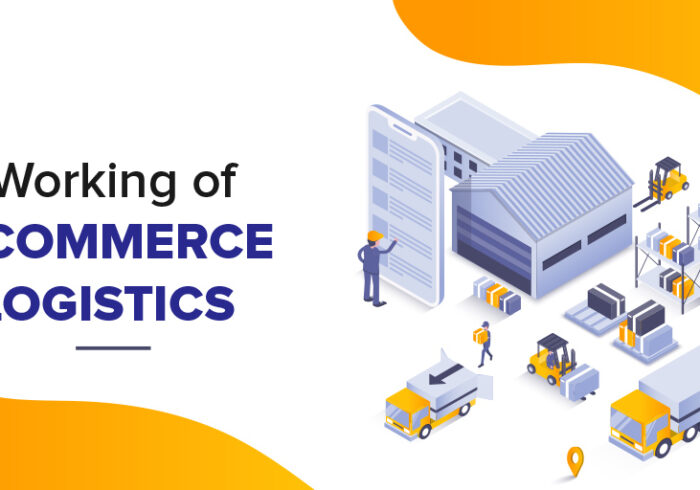
Third-party logistics (3PL) refers to the outsourcing of logistics and supply chain management functions to a specialized service provider. This can include warehousing, transportation, inventory management, and order fulfillment. By leveraging 3PL services, businesses can focus on their core competencies while ensuring that their logistics operations are handled by experts.
3PL providers offer a range of services that can be tailored to meet the specific needs of a business. This flexibility allows companies to scale their operations without the burden of managing logistics in-house. Additionally, 3PL providers often have established relationships with carriers and suppliers, which can lead to better shipping rates and improved service levels.
What is Drop Shipping?
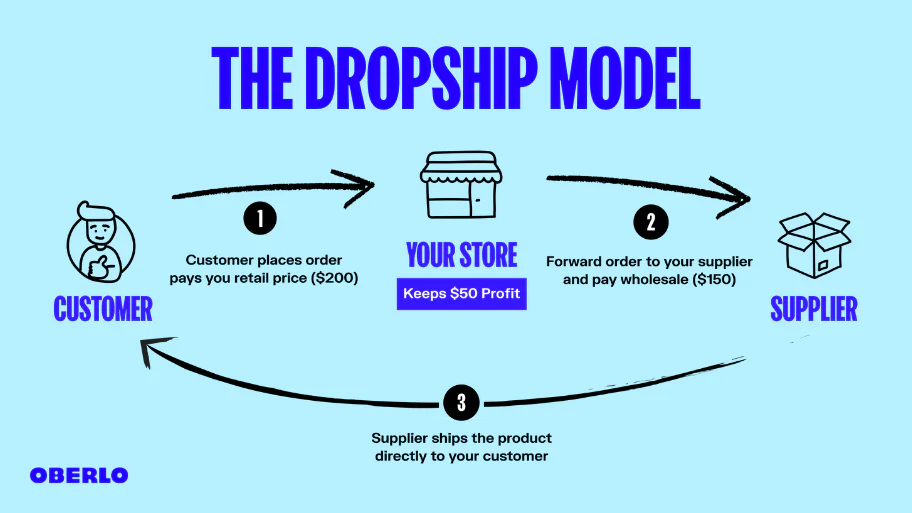
Drop shipping is a retail fulfillment method where a store does not keep the products it sells in stock. Instead, when a store sells a product, it purchases the item from a third party and has it shipped directly to the customer. This model eliminates the need for inventory management and reduces overhead costs, making it an attractive option for many entrepreneurs.
The drop shipping model allows retailers to offer a wide variety of products without the financial risk associated with holding inventory. This is particularly beneficial for new businesses or those looking to test new product lines. However, it also requires careful management of supplier relationships and customer expectations.
The Synergy Between 3PL and Drop Shipping
Enhancing Efficiency
The combination of 3PL and drop shipping can significantly enhance operational efficiency. By utilizing a 3PL provider, businesses can streamline their supply chain processes, ensuring that products are delivered to customers in a timely manner. This synergy allows retailers to offer a wider range of products without the burden of managing inventory.
For instance, a retailer can partner with a 3PL provider to handle warehousing and fulfillment while simultaneously using drop shipping for products that are not part of their core inventory. This hybrid approach enables businesses to respond quickly to market demands and customer preferences.
Cost-Effectiveness
One of the primary advantages of integrating 3PL with drop shipping is cost savings. Businesses can reduce their operational costs by outsourcing logistics functions, allowing them to allocate resources to other areas such as marketing and product development. Additionally, drop shipping eliminates the need for upfront inventory investment, further enhancing financial flexibility.
By leveraging the expertise of a 3PL provider, businesses can also benefit from economies of scale. 3PL providers often have access to better shipping rates and can negotiate favorable terms with carriers, which can translate into lower costs for retailers.
Implementing 3PL and Drop Shipping Strategies
Choosing the Right 3PL Partner
Selecting the right 3PL partner is crucial for the success of your drop shipping strategy. Consider factors such as the provider’s experience, technology capabilities, and customer service. A reliable 3PL partner can help you navigate the complexities of logistics and ensure a seamless fulfillment process.
When evaluating potential 3PL partners, it is essential to assess their technology infrastructure. A robust technology platform can provide real-time visibility into inventory levels, order status, and shipping information. This transparency is vital for maintaining customer satisfaction and managing expectations.
Building Strong Supplier Relationships
Establishing strong relationships with suppliers is essential for a successful drop shipping operation. Communicate clearly about expectations, lead times, and product quality. A solid partnership with suppliers can lead to better pricing, faster shipping, and improved customer satisfaction.
Regular communication with suppliers can also help identify potential issues before they escalate. For example, if a supplier is experiencing delays in production, being informed early can allow you to adjust your marketing strategies or communicate proactively with customers.
Leveraging Technology
Technology plays a vital role in the success of 3PL and drop shipping. Utilize inventory management software, order processing systems, and analytics tools to optimize your operations. These technologies can help you track inventory levels, manage orders efficiently, and gain insights into customer behavior.
Investing in an integrated e-commerce platform can streamline your operations by connecting your online store with your 3PL provider and suppliers. This integration can automate order processing, inventory updates, and shipping notifications, reducing the risk of errors and improving overall efficiency.
Challenges and Solutions
Managing Customer Expectations
One of the challenges of drop shipping is managing customer expectations regarding shipping times and product availability. To address this, provide clear communication on shipping policies and set realistic delivery timelines. Transparency is key to maintaining customer trust.
Consider implementing a customer service strategy that includes proactive communication. For example, if a product is out of stock or experiencing delays, inform customers as soon as possible and offer alternatives or compensation to maintain their satisfaction.
Quality Control
Quality control can be a concern in drop shipping, as businesses rely on third-party suppliers for product quality. Implement a robust quality assurance process by regularly reviewing supplier performance and conducting product inspections when possible. This proactive approach can help mitigate quality issues.
Additionally, consider implementing a feedback loop with customers to gather insights on product quality and service. This information can be invaluable for making informed decisions about supplier relationships and product offerings.
Navigating Legal and Compliance Issues
As e-commerce continues to grow, businesses must navigate various legal and compliance issues, including taxes, import/export regulations, and consumer protection laws. Understanding these regulations is crucial for avoiding potential legal pitfalls.
Engaging with legal experts or consultants who specialize in e-commerce can provide valuable guidance on compliance matters. This investment can save businesses from costly fines and reputational damage in the long run.
Future Trends in E-commerce
The Rise of Automation
Automation is set to play a significant role in the future of e-commerce. From automated order processing to AI-driven customer service, businesses are increasingly leveraging technology to enhance efficiency and improve customer experiences.
For instance, chatbots can handle customer inquiries 24/7, providing instant support and freeing up human resources for more complex tasks. Similarly, automated inventory management systems can help businesses maintain optimal stock levels and reduce the risk of stockouts.
Sustainability in E-commerce
As consumers become more environmentally conscious, sustainability is becoming a critical factor in e-commerce. Businesses that prioritize sustainable practices, such as eco-friendly packaging and carbon-neutral shipping, can differentiate themselves in a crowded market.
Implementing sustainable practices not only appeals to environmentally conscious consumers but can also lead to cost savings in the long run. For example, reducing packaging waste can lower shipping costs and improve overall efficiency.
Personalization and Customer Experience
Personalization is another trend shaping the future of e-commerce. Consumers increasingly expect tailored experiences, from product recommendations to targeted marketing campaigns. Utilizing data analytics and customer insights can help businesses create personalized shopping experiences that drive engagement and loyalty.
Investing in customer relationship management (CRM) systems can facilitate this personalization by providing insights into customer preferences and behaviors. This information can be used to tailor marketing efforts and improve overall customer satisfaction.
Conclusion
The integration of 3PL and drop shipping presents a unique opportunity for online retailers to enhance their operations and meet the evolving demands of consumers. By leveraging the strengths of both models, businesses can achieve greater efficiency, cost savings, and customer satisfaction. As the e-commerce landscape continues to evolve, those who embrace innovative strategies will be well-positioned for success.
To enhance your e-commerce operations and streamline your logistics processes, consider leveraging innovative solutions like LooperBuy for a competitive edge in the market. For more information, visit https://looperbuy.com/.
· What are the main benefits of using 3PL in e-commerce? Using 3PL can enhance operational efficiency, reduce costs, and allow businesses to focus on their core competencies while experts handle logistics.
· How does drop shipping work? In drop shipping, a retailer sells products without holding inventory. When a sale is made, the retailer purchases the item from a supplier who ships it directly to the customer.
· What should I look for in a 3PL provider? Consider factors such as experience, technology capabilities, customer service, and the ability to scale with your business needs.
· How can I manage customer expectations in drop shipping? Provide clear communication about shipping times and product availability, and set realistic delivery timelines to maintain customer trust.
· What are the challenges of drop shipping? Challenges include managing customer expectations, ensuring product quality, and maintaining strong supplier relationships. Implementing quality control measures can help mitigate these issues.
Hot Tags: E-commerce Strategies; Supply Chain Management; Online Retail; Logistics Solutions; Inventory Management; Customer Satisfaction; Business Efficiency; Technology in Retail; Drop Shipping Benefits