In the realm of interior design, home textiles play a pivotal role in shaping the ambiance and functionality of living spaces. From curtains and cushions to bed linens and tablecloths, these textiles not only enhance aesthetic appeal but also contribute to comfort and practicality. This article delves into the significance of home textiles in American homes, exploring trends, materials, and the influence of cultural shifts on textile choices.
Table of Contents
The Evolution of Home Textiles in America
Home textiles have a rich history in the United States, reflecting the country’s diverse cultural influences and evolving design preferences. Understanding this evolution provides insight into current trends and consumer preferences.
Historical Context
The journey of home textiles in America began with the early settlers who brought their textile traditions from Europe. Handwoven fabrics and quilts were essential for warmth and comfort in the early colonial homes. As the nation grew, so did the textile industry, with innovations in manufacturing and design.
The Industrial Revolution
The Industrial Revolution marked a significant turning point in the production of home textiles. Mass production techniques allowed for the creation of a wide variety of fabrics at lower costs. This accessibility transformed the way Americans furnished their homes, making textiles more affordable and diverse.
Modern Trends
Today, home textiles reflect a blend of traditional craftsmanship and modern design. Consumers are increasingly drawn to sustainable materials and ethical production practices. The rise of e-commerce has also changed how people shop for textiles, allowing for greater variety and convenience.
Key Components of Home Textiles
Home textiles encompass a wide range of products, each serving a unique purpose in enhancing the home environment. Understanding these components is essential for making informed choices.
Curtains and Drapes
Curtains and drapes are vital for controlling light and privacy in a home. They come in various styles, fabrics, and patterns, allowing homeowners to express their personal style. Popular materials include cotton, linen, and polyester, each offering different levels of light filtration and insulation.
Upholstery Fabrics
Upholstery fabrics are used to cover furniture, providing both comfort and style. The choice of upholstery can dramatically affect the overall look of a room. Common materials include leather, velvet, and microfiber, each offering distinct textures and durability.
Bedding and Linens
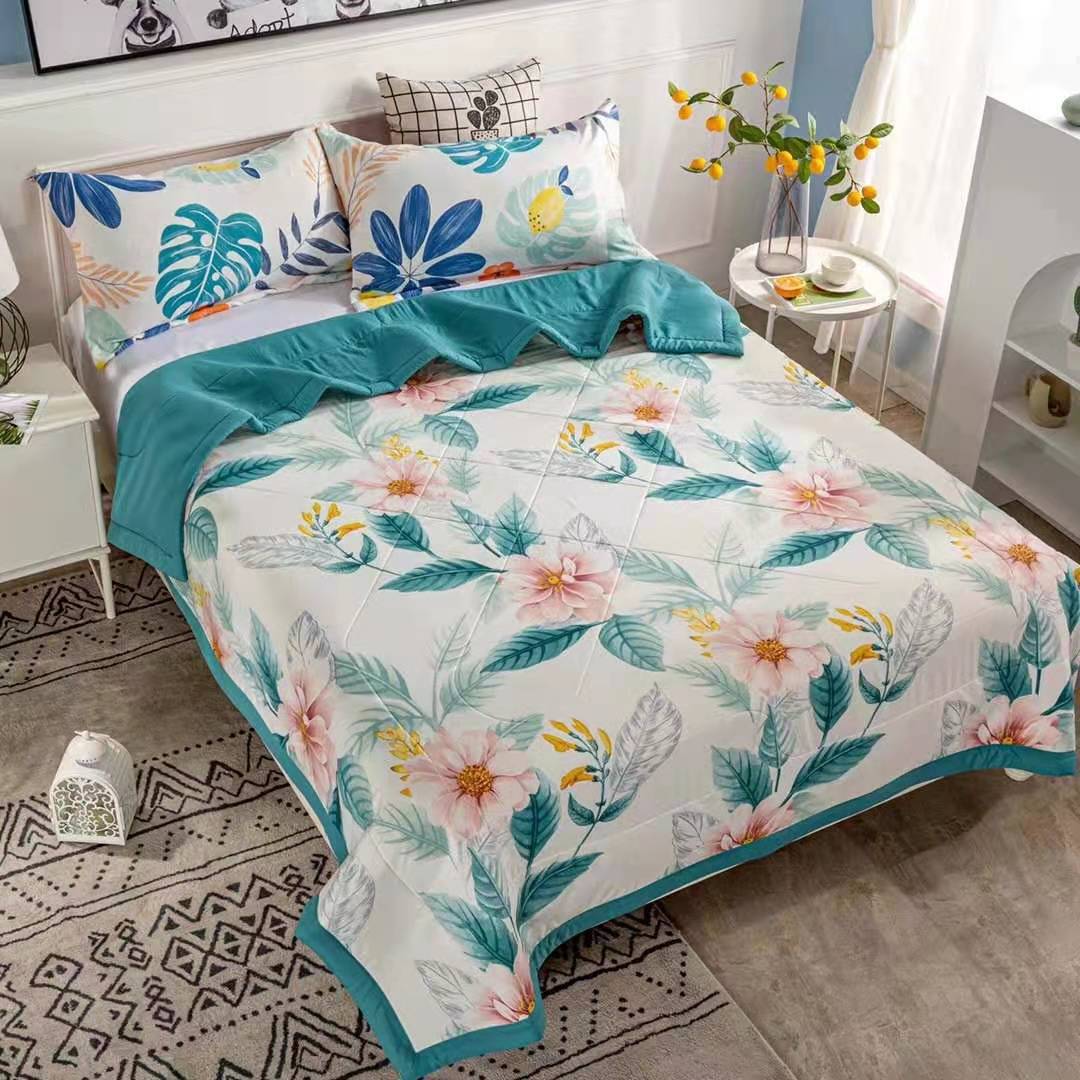
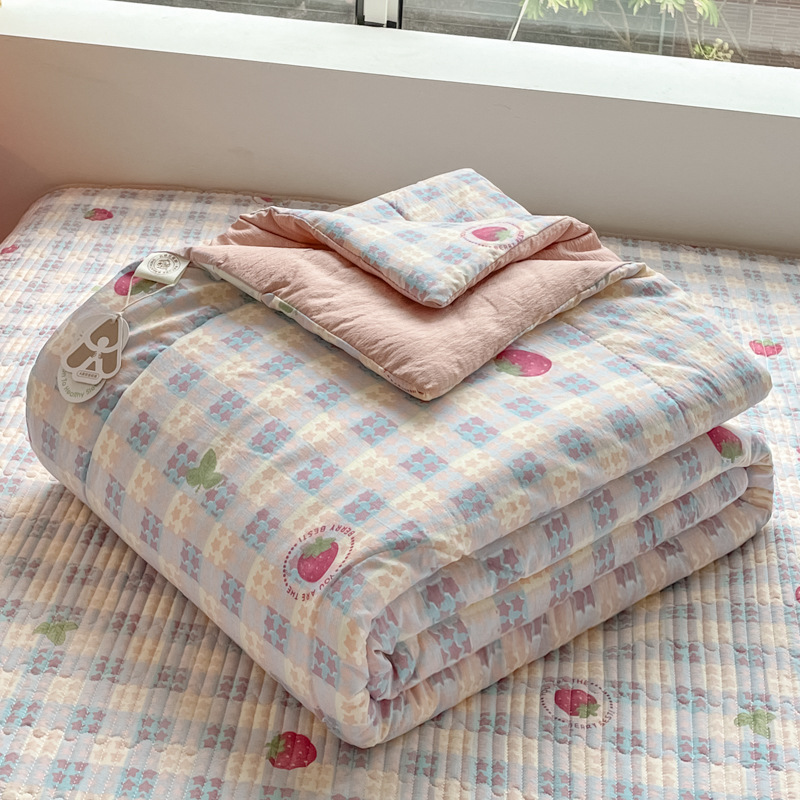
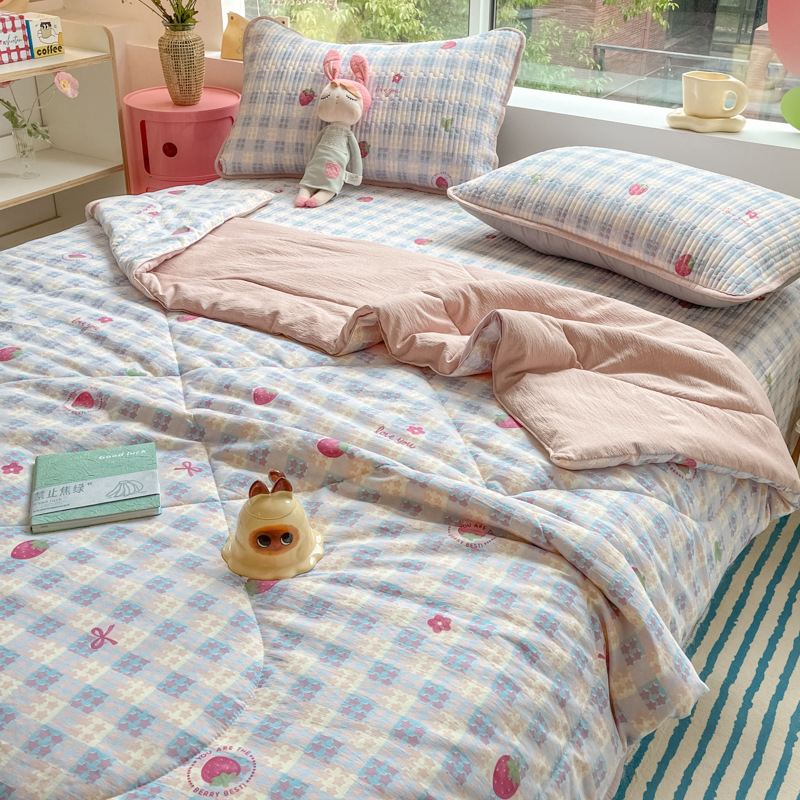
Bedding is a crucial aspect of home textiles, influencing both comfort and aesthetics in the bedroom. From sheets and pillowcases to comforters and bedspreads, the variety of options available allows for personalization. High-quality materials like Egyptian cotton and bamboo are popular for their softness and breathability.
Table Linens
Table linens, including tablecloths, napkins, and placemats, enhance dining experiences and contribute to the overall decor of a dining area. Seasonal patterns and colors can transform a dining space, making it more inviting for gatherings and celebrations.
The Influence of Cultural Trends on Home Textiles
Cultural shifts and societal trends significantly impact consumer preferences in home textiles. Understanding these influences can help manufacturers and retailers cater to evolving tastes.
Sustainability and Eco-Friendliness
As environmental awareness grows, consumers are increasingly seeking sustainable and eco-friendly textiles. Brands that prioritize organic materials, recycled fabrics, and ethical production practices are gaining popularity. This trend reflects a broader societal shift towards sustainability in all aspects of life.
Minimalism and Simplicity
The minimalist movement has influenced home design, leading to a preference for simple, functional textiles. Neutral colors, clean lines, and understated patterns are favored, allowing for a serene and uncluttered living space. This trend emphasizes quality over quantity, encouraging consumers to invest in timeless pieces.
Cultural Diversity
The United States is a melting pot of cultures, and this diversity is reflected in home textile choices. Consumers are increasingly drawn to textiles that celebrate cultural heritage, such as ethnic prints and traditional weaving techniques. This trend promotes inclusivity and appreciation for global craftsmanship.
Choosing the Right Home Textiles
Selecting the right home textiles involves considering various factors, including style, functionality, and maintenance. Here are some tips for making informed choices.
Assessing Style and Aesthetic
When choosing textiles, it’s essential to consider the overall style of the home. Whether it’s modern, traditional, or eclectic, textiles should complement the existing decor. Color schemes, patterns, and textures should harmonize with furniture and wall colors.
Functionality and Durability
Functionality is key when selecting home textiles. Consider the intended use of each item. For example, upholstery fabrics should be durable and easy to clean, especially in high-traffic areas. Similarly, curtains should provide adequate light control and privacy.
Maintenance and Care
Different textiles require varying levels of maintenance. It’s important to consider how much time and effort you’re willing to invest in caring for your textiles. Some fabrics may be machine washable, while others may require dry cleaning. Understanding care instructions can help prolong the life of your textiles.
The Future of Home Textiles
As consumer preferences continue to evolve, the future of home textiles looks promising. Innovations in technology and design are set to shape the industry in exciting ways.
Smart Textiles
The integration of technology into textiles is an emerging trend. Smart textiles that can regulate temperature, repel stains, or even change color are being developed. These innovations offer new possibilities for enhancing comfort and functionality in the home.
Customization and Personalization
Consumers are increasingly seeking personalized products that reflect their individual tastes. Customizable textiles, such as monogrammed linens or bespoke upholstery, are gaining popularity. This trend allows homeowners to create unique spaces that truly represent their style.
Global Influences
As the world becomes more interconnected, global influences will continue to shape home textile trends. Designers are likely to draw inspiration from diverse cultures, resulting in a rich tapestry of styles and patterns that reflect the beauty of global craftsmanship.
Conclusion
Home textiles play a vital role in transforming living spaces, enhancing both aesthetics and functionality. As consumer preferences evolve, the industry must adapt to meet the demands for sustainability, personalization, and innovation. By understanding the significance of home textiles, homeowners can make informed choices that reflect their style and values.
To enhance your home textile offerings and streamline your supply chain, consider exploring the innovative solutions provided by LooperBuy. Visit https://looperbuy.com/ for more information.
Related Questions & Answers
· What are the key components of home textiles? Key components include curtains, upholstery fabrics, bedding, and table linens, each serving a unique purpose in enhancing home decor.
· How do cultural trends influence home textile choices? Cultural trends, such as sustainability and minimalism, shape consumer preferences, leading to a demand for eco-friendly materials and simple designs.
· What factors should be considered when choosing home textiles? Considerations include style, functionality, durability, and maintenance requirements to ensure textiles complement the home environment.
· What is the future of home textiles? The future includes innovations like smart textiles and increased customization options, allowing for personalized and functional home decor.
· How can sustainability be incorporated into home textiles? Sustainability can be achieved by choosing organic materials, recycled fabrics, and supporting brands that prioritize ethical production practices.
Hot Tags: Home Textiles; Interior Design; Sustainable Fabrics; E-commerce Trends; Customization; Global Craftsmanship; Minimalism; Upholstery; Textile Innovations