Table of Contents
The Evolution and Impact of Phone Charging Stations
Understanding Phone Charging Station Technology
Phone charging stations have become an integral part of our modern infrastructure, offering a convenient solution to the perpetual challenge of maintaining powered devices throughout the day. These innovative charging solutions combine cutting-edge technology with practical design, featuring multiple charging ports, secure storage compartments, and smart charging capabilities that accommodate various device types and charging speeds. The technology behind these stations has evolved significantly, incorporating advanced features such as Quick Charge protocols, USB Power Delivery standards, and intelligent power management systems that optimize charging efficiency while protecting connected devices from potential damage due to power surges or overcharging.
Types of Phone Charging Stations
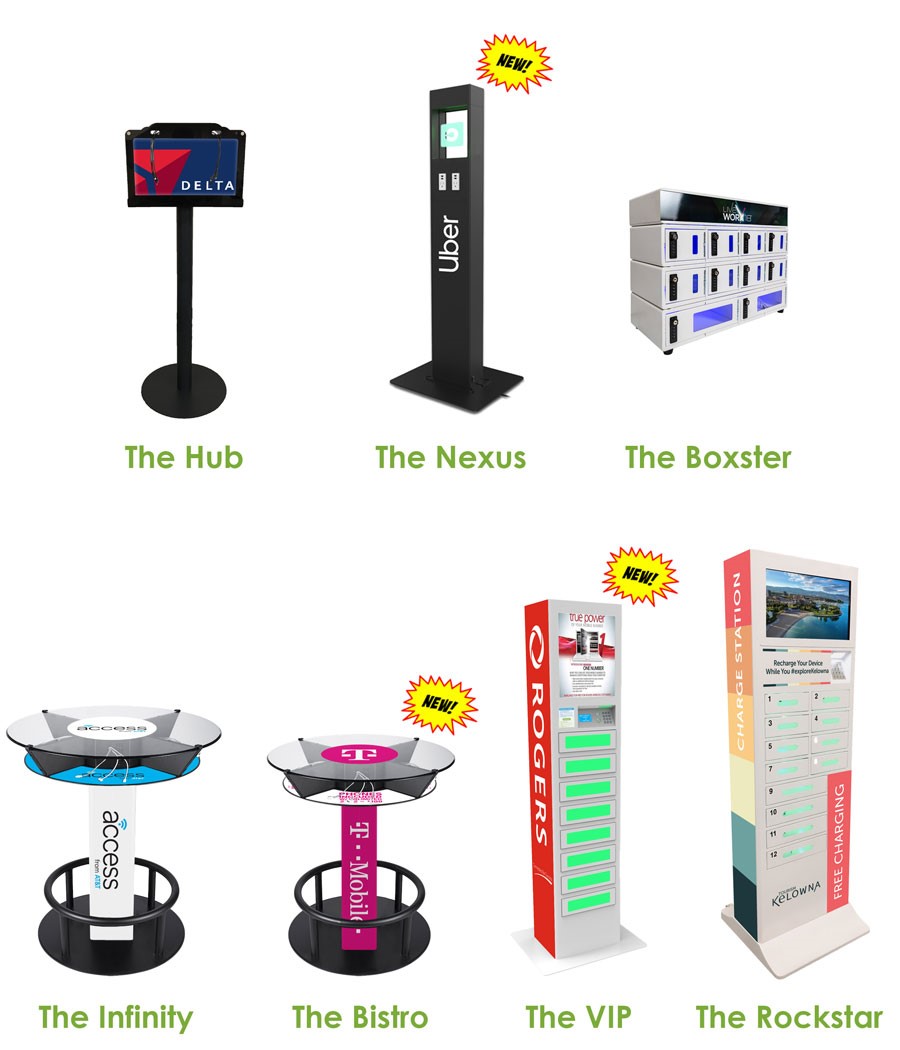
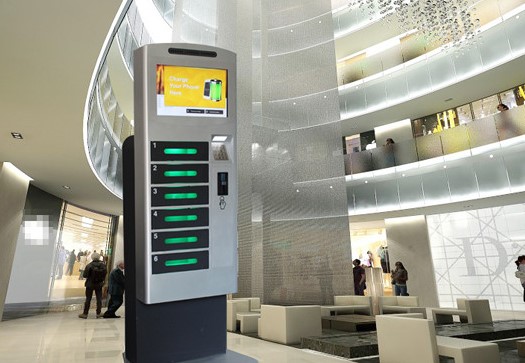
Modern phone charging stations come in diverse forms to suit different environments and needs. Commercial establishments can choose from wall-mounted units, freestanding kiosks, table-top stations, and portable charging solutions. Each type offers unique features such as wireless charging pads, built-in cables for multiple device types, secure lockers, and digital displays showing charging status and advertising content. Wall-mounted units save valuable floor space and are ideal for corridors and waiting areas, while freestanding kiosks serve as visible charging hubs in open spaces. Table-top stations perfectly suit cafes and restaurants, and portable solutions provide flexibility for events and temporary installations. Many stations now incorporate UV sanitization features, addressing hygiene concerns in public charging scenarios.
Benefits and Applications
Enhanced Customer Experience
Phone charging stations create a significant positive impact on customer satisfaction and engagement. When businesses provide charging facilities, they demonstrate a commitment to meeting essential customer needs. These stations serve as convenient power sources for visitors, allowing them to stay connected while shopping, dining, or attending events. The availability of charging stations can transform potentially frustrating low-battery situations into opportunities for positive customer interactions. Many users report feeling more relaxed and willing to spend time at establishments that offer charging solutions, knowing they won’t face battery anxiety during their visit. This enhanced experience often translates into increased customer loyalty and positive word-of-mouth recommendations.
Business Advantages
The implementation of phone charging stations offers numerous benefits for businesses across various sectors. These installations increase foot traffic, extend customer dwell time, and create additional revenue opportunities through advertising displays and premium charging services. The presence of charging stations can differentiate a business from competitors and establish it as a modern, customer-centric establishment. Businesses report seeing increased sales when customers spend more time in their establishments while charging their devices. Additionally, charging stations provide valuable data insights about customer behavior and preferences, enabling businesses to optimize their services and marketing strategies accordingly.
Security and Safety Features
Modern phone charging stations incorporate advanced security measures to protect users’ devices. These features include individual locked compartments, surveillance systems, and secure charging protocols. The integration of these safety elements helps build trust among users and encourages regular usage of the charging facilities. Advanced stations employ RFID technology, biometric authentication, or mobile app integration for secure access control. Many units also feature anti-theft cables, tamper-proof hardware, and real-time monitoring systems that alert staff to any unauthorized access attempts. These comprehensive security measures ensure peace of mind for both users and facility operators.
Implementation Strategies
Location Selection
Strategic placement of phone charging stations maximizes their effectiveness and usage. High-traffic areas, waiting zones, and common gathering spaces represent ideal locations for these installations. The accessibility and visibility of charging stations play crucial roles in their successful implementation. Careful consideration must be given to factors such as power source availability, foot traffic patterns, and user convenience. Optimal locations might include near seating areas, along main walkways, or adjacent to information desks. The placement should also account for ADA compliance and emergency exit requirements while ensuring the stations don’t obstruct normal traffic flow.
Maintenance and Management
Regular maintenance ensures the optimal performance and longevity of phone charging stations. This includes routine cleaning, cable replacement, software updates, and technical inspections. Proper management systems help track usage patterns, monitor station performance, and address any issues promptly. Successful maintenance programs typically involve daily visual inspections, weekly deep cleaning, and monthly technical assessments. Staff training plays a crucial role in maintaining these systems, as well-trained employees can quickly identify and resolve common issues, ensuring minimal downtime and maximum user satisfaction.
Integration with Existing Infrastructure
Phone charging stations can seamlessly integrate with existing business infrastructure. Many modern stations feature customizable designs that complement various architectural styles and interior décor schemes. The integration process considers factors such as power supply requirements, space constraints, and accessibility guidelines. Successful integration often involves collaboration between facility managers, electrical contractors, and charging station providers to ensure proper installation and operation. Modern stations can also integrate with building management systems for centralized monitoring and control.
Future Developments
Technological Advancements
The future of phone charging stations promises exciting developments in charging technology, including faster charging speeds, enhanced wireless capabilities, and improved energy efficiency. Innovations in battery technology and charging protocols continue to shape the evolution of these essential facilities. Emerging technologies such as gallium nitride (GaN) charging and advanced power delivery systems are set to revolutionize charging speeds while maintaining safety and efficiency. The integration of artificial intelligence and machine learning algorithms will enable smarter power management and predictive maintenance capabilities.
Sustainability Initiatives
Environmental consciousness drives the development of eco-friendly charging solutions. Modern phone charging stations increasingly incorporate sustainable materials, energy-efficient components, and renewable power sources, aligning with global sustainability goals. Solar-powered options and energy recovery systems are becoming more common, reducing the environmental impact of charging operations. Manufacturers are also focusing on using recycled materials and implementing circular economy principles in station design and production.
Smart Integration
The integration of smart technology enhances the functionality of phone charging stations. Features such as mobile apps for station location, real-time availability updates, and contactless payment systems improve user experience and station management efficiency. Advanced analytics capabilities provide valuable insights into usage patterns and maintenance needs. The Internet of Things (IoT) connectivity enables remote monitoring and management, while integration with smart city infrastructure creates new possibilities for public service enhancement.
How to purchase:https://looperbuy.com/search?keywords=+Phone+Charging+Stations
Frequently Asked Questions
1. How secure are phone charging stations in public places?
Modern phone charging stations incorporate multiple security features, including individual locked compartments, surveillance systems, and secure charging protocols. Users can safely charge their devices while maintaining control through personal access codes or smartphone applications. Advanced encryption and secure payment processing ensure the protection of user data and financial information during transactions.
2. What types of devices can be charged at these stations?
Phone charging stations typically accommodate a wide range of devices, including smartphones, tablets, and other portable electronics. Most stations feature multiple connector types and wireless charging options to ensure compatibility with various devices. This includes support for USB-C, Lightning, Micro-USB connections, and Qi wireless charging standards, making them universally accessible to users regardless of their device type.
3. How long does it take to fully charge a device at a charging station?
Charging time varies depending on the device type and charging technology used. Most stations provide rapid charging capabilities that can significantly boost battery levels within 15-30 minutes, while a full charge might take 1-2 hours. Modern stations often incorporate smart charging technology that optimizes charging speed while protecting device batteries from potential damage.
4. Are phone charging stations profitable for businesses?
Phone charging stations can generate revenue through various models, including direct charging fees, advertising displays, and increased customer dwell time leading to additional purchases. The return on investment often extends beyond monetary benefits to include enhanced customer satisfaction and loyalty. Businesses can also benefit from valuable customer data and analytics provided by smart charging stations.
5. What maintenance do phone charging stations require?
Regular maintenance includes cleaning, cable inspection and replacement, software updates, and technical checks. Most commercial charging stations require monthly maintenance checks to ensure optimal performance and longevity. A comprehensive maintenance program should include both preventive measures and responsive service protocols to address any issues that arise during operation.