Table of Contents
Introduction: When “Lost” Becomes a Thing of the Past
Every year, millions of pets go missing—some for hours, others for weeks. For pet owners, the panic of a lost pet is a universal fear, made worse by the limitations of traditional methods: noisy alarms that scare pets, flimsy ID tags that wear off, and the sheer unpredictability of an animal’s curiosity. Enter locator pet collars—smart, tech-driven tools that blend GPS, Bluetooth, and cellular connectivity to pinpoint a pet’s location in real time. These devices are more than just gadgets; they’re lifelines, transforming how we protect our furry companions. This article explores their evolution, the technology that powers them, and why they’ve become an essential tool for modern pet care.
From Basic Tags to Smart Trackers: The Evolution of Locator Pet Collars
Early Days: ID Tags and Whistles
Decades ago, pet safety relied on simple ID tags—small metal or plastic discs with the owner’s phone number. While effective for quick identification if a pet was found, they offered no way to track a lost animal’s movements. Whistles and loud bells helped in nearby searches but were useless beyond earshot. As urbanization grew and pets roamed farther from home, these methods proved increasingly inadequate.
The Tech Revolution: GPS Enters the Picture
The 2000s saw the rise of GPS-enabled pet collars, a game-changer for pet recovery. Early models used standalone GPS units paired with a handheld receiver, allowing owners to track their pet’s coordinates within a few meters. However, these devices were bulky, expensive, and often required line-of-sight to satellites—limiting their effectiveness in dense urban areas or indoors.
Smart Integration: Beyond Tracking to Communication
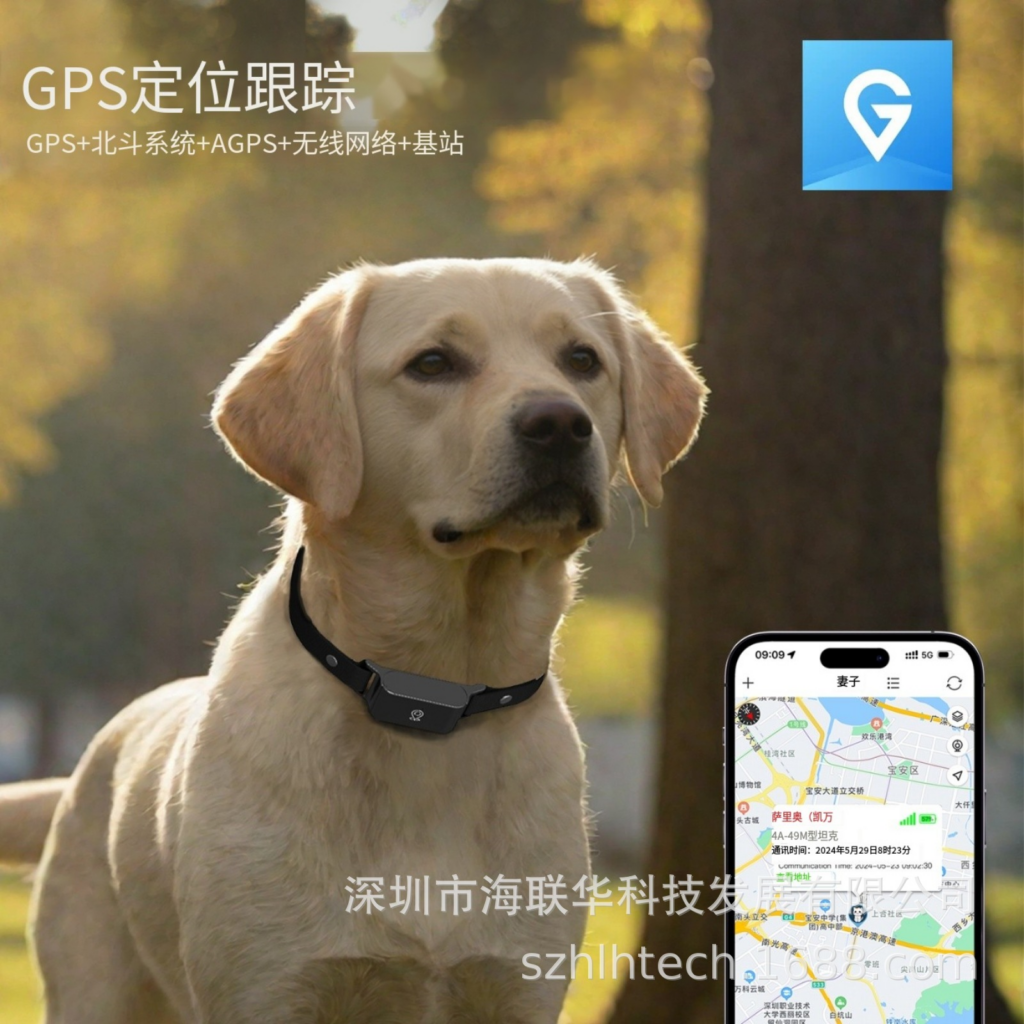
Today’s locator pet collars are far more sophisticated. They integrate with smartphones via apps, offering live maps, geofencing alerts (notifying owners if a pet strays beyond a set boundary), and even two-way communication features. Some models sync with smart home systems, sending alerts to a smartwatch or tablet when a pet moves outside a safe zone. This evolution has turned a simple tracking tool into a comprehensive pet safety ecosystem.
The Science of Location: How Locator Pet Collars Work
GPS vs. Cellular vs. Bluetooth: Understanding the Tech
Locator pet collars rely on three primary technologies to pinpoint a pet’s location:
- GPS (Global Positioning System): Uses signals from orbiting satellites to calculate precise coordinates (accuracy within 5–10 meters). Ideal for open spaces but can struggle indoors or in areas with tall buildings.
- Cellular (LTE/5G): Connects to mobile networks to transmit location data. Works well in urban areas but may incur data fees and requires a subscription.
- Bluetooth: Short-range connectivity (up to 100 meters) pairs with a smartphone app. Useful for indoor tracking or when a pet is nearby but not ideal for long-distance recovery.
Most modern collars combine multiple technologies—for example, using GPS outdoors and Bluetooth indoors—to ensure reliability in all scenarios.
Sensors and Data: More Than Just Location
Advanced collars go beyond tracking coordinates. Many include:
- Accelerometers: Detect movement patterns (e.g., running, climbing) to differentiate between normal activity and distress.
- Temperature sensors: Monitor a pet’s environment, alerting owners if it’s too hot or cold.
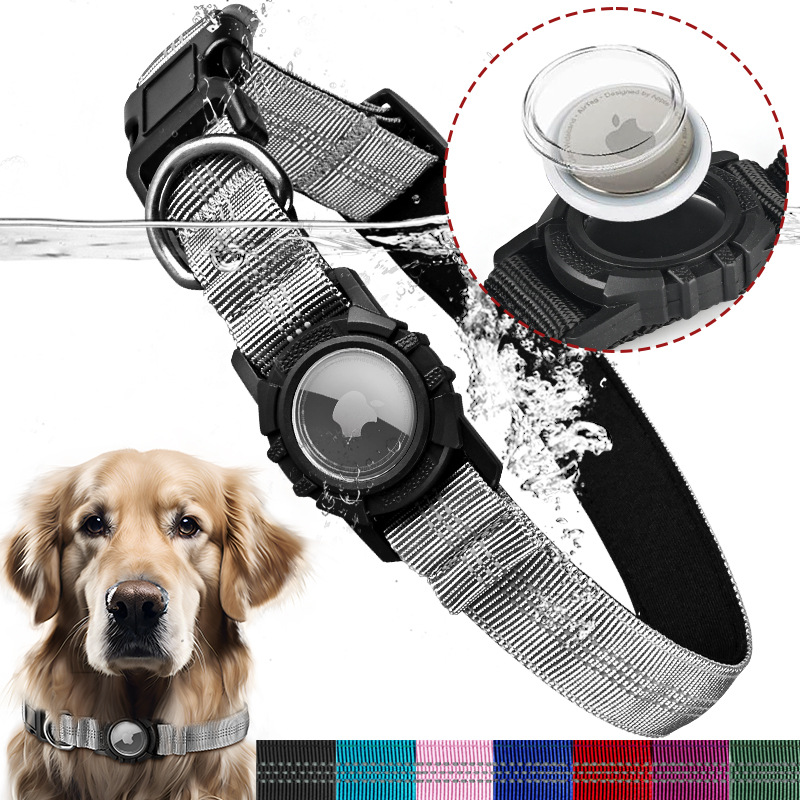
- Water resistance: Essential for pets that swim or play in wet conditions, with ratings like IP67 or IP68 ensuring functionality even after submersion.
Battery Life: Balancing Power and Performance
Battery life is a critical consideration. Most collars last 2–5 days on a single charge, depending on usage (frequent GPS use drains battery faster). Rechargeable lithium-polymer batteries are standard, with some models offering replaceable batteries for extended use.
Design Matters: Comfort, Durability, and Pet-Friendly Features
Fit and Comfort: A Collar That Feels Like Home
A locator pet collar must be comfortable enough for daily wear. Key design elements include:
- Adjustable bands: To accommodate growth or weight changes.
- Soft materials: Silicone, neoprene, or padded nylon to prevent chafing.
- Lightweight construction: Even with tech inside, the collar should feel negligible to the pet.
Durability: Built to Withstand Adventure
Pets are curious, so collars need to be tough. Look for:
- Reinforced stitching: To prevent fraying.
- Bite-resistant clasps: To withstand chewing.
- Weatherproofing: Water, mud, and snow shouldn’t damage the electronics.
Aesthetics: Style Meets Function
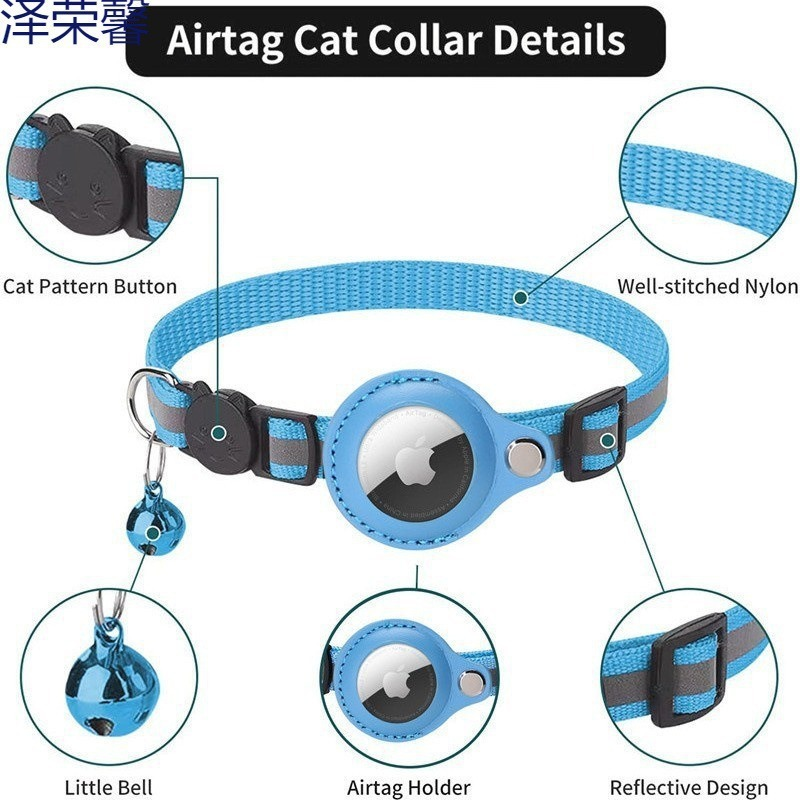
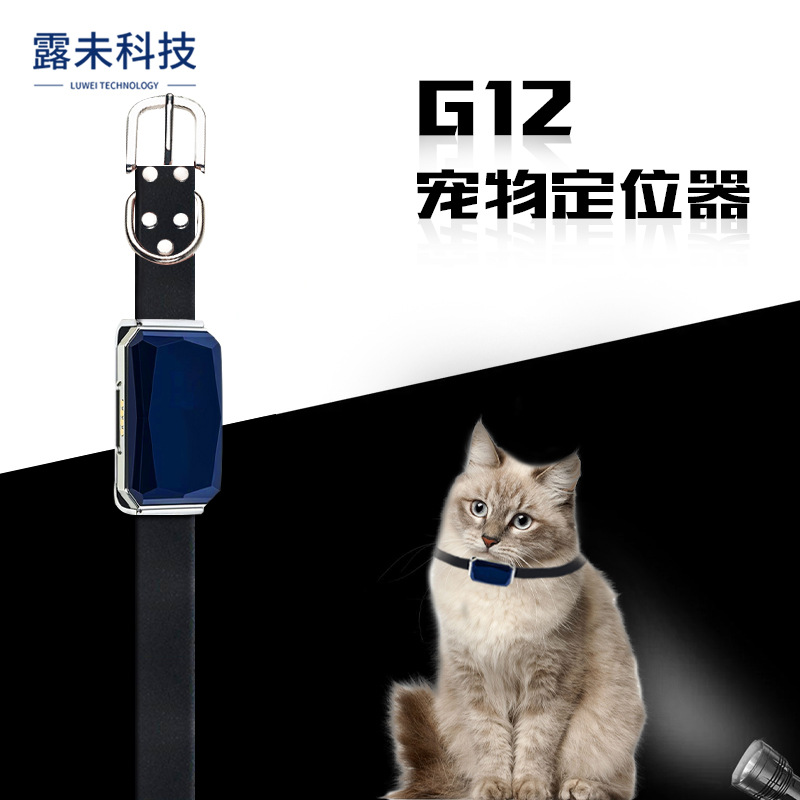
Owners want collars that look good, too. Brands offer customizable options—colorful bands, interchangeable charms, or sleek, minimalist designs—that complement a pet’s personality without compromising functionality.
Who Needs a Locator Pet Collar? Every Pet Parent, Really
Adventurous Pets: Hikers, Swimmers, and Explorers
Dogs that love off-leash hikes, swims, or chasing squirrels in the woods benefit greatly from locator collars. A GPS-enabled model ensures you can find them quickly if they wander too far.
Senior Pets: Peace of Mind for Aging Companions
Older pets with reduced mobility or cognitive decline (like dementia) are prone to wandering. A collar with geofencing alerts can notify you if they stray from their usual routine, helping prevent accidents.
Urban Dwellers: Navigating Crowded Streets
In cities, pets can easily slip out of an open door or dart across a busy street. A locator collar with real-time tracking gives owners the peace of mind to act fast if their pet bolts.
Travelers: Exploring New Places with Confidence
Whether visiting a new city or camping in the mountains, a locator collar ensures your pet stays safe even in unfamiliar environments. Some models work globally, making international travel less stressful.
The Market Today: Trends and What to Look For
Affordable Innovation: Budget-Friendly Options
Gone are the days when locator collars were a luxury. Many brands now offer budget-friendly models with core features (GPS, geofencing) priced under $100, making them accessible to more pet owners.
Eco-Conscious Designs: Sustainability in Tech
As eco-awareness grows, brands are using recycled materials (e.g., repurposed plastic for casings) and energy-efficient components to reduce their carbon footprint. Some even offer trade-in programs for old collars.
Veterinarian Recommendations: Trust in Expertise
Veterinarians increasingly endorse locator collars, especially for pets with medical conditions or high-risk behaviors. Many models include features recommended by vets, such as emergency SOS buttons that send location data directly to a vet’s clinic.
Conclusion: Safety, Simplified
Locator pet collars have transformed pet care from reactive to proactive. By combining cutting-edge technology with thoughtful design, they empower owners to protect their pets in ways once unimaginable. Whether your pet is an adventurous explorer, a senior explorer, or a city adventurer, a locator collar is more than a tool—it’s a promise that your furry friend will never be truly lost. As technology continues to evolve, one thing remains clear: the future of pet safety is smarter, safer, and more connected than ever.
How to purchase: https://looperbuy.com/search?keywords=locator+pet+collar&globalType=1688
Frequently Asked Questions (FAQs)
1. How accurate are locator pet collars? Accuracy depends on the technology used. GPS-enabled collars typically pinpoint location within 5–10 meters outdoors, while cellular models may have slightly wider margins. Indoor tracking with Bluetooth is accurate to within 1–3 meters.
2. Do locator collars work indoors? Yes, many models use Bluetooth or Wi-Fi to track indoors, though GPS may not work well in enclosed spaces. Some collars switch between GPS and Bluetooth automatically to maintain accuracy.
3. Are they safe for my pet? Reputable brands use non-toxic, pet-safe materials. Look for collars with chew-resistant clasps and no small parts that could be swallowed. Avoid collars with sharp edges or bulky attachments.
4. How long do the batteries last? Most last 2–5 days on a single charge, depending on usage. Some models with frequent GPS use may need daily charging, while others with minimal use can last up to a week.
5. Can I use a locator collar with other pet devices? Yes, many sync with smart home systems (e.g., Alexa, Google Home) and pet cameras, sending alerts if your pet strays or the collar is tampered with.
Hot Tags: Locator pet collar; Pet safety; GPS tracking; Smart pet tech; Pet collar design; Lost pet recovery; Pet accessories; Cellular pet trackers; Pet wellness; Adventure pet gear