Table of Contents
Introduction: Revolutionizing Glass Processing with Mobile Laser Technology
The demand for precision glass cutting has surged across industries, from smartphone manufacturing to architectural design. Traditional cutting methods often struggle with efficiency, accuracy, and portability. Enter the mobile tempered glass laser cutting machine—a game-changing solution that combines cutting-edge laser technology with the flexibility of mobile operation. This article explores how these machines are transforming glass processing, their key features, and why they’re becoming indispensable in modern manufacturing.
The Evolution of Glass Cutting Technology
From Mechanical to Laser Cutting
Mechanical cutting methods, such as diamond wheel cutting, have long been the standard for glass processing. However, these methods often produce micro-cracks, require post-processing, and struggle with complex shapes. Laser cutting eliminates these issues by using focused light to achieve precise, clean cuts without physical contact.
The Emergence of Mobile Laser Cutting Systems
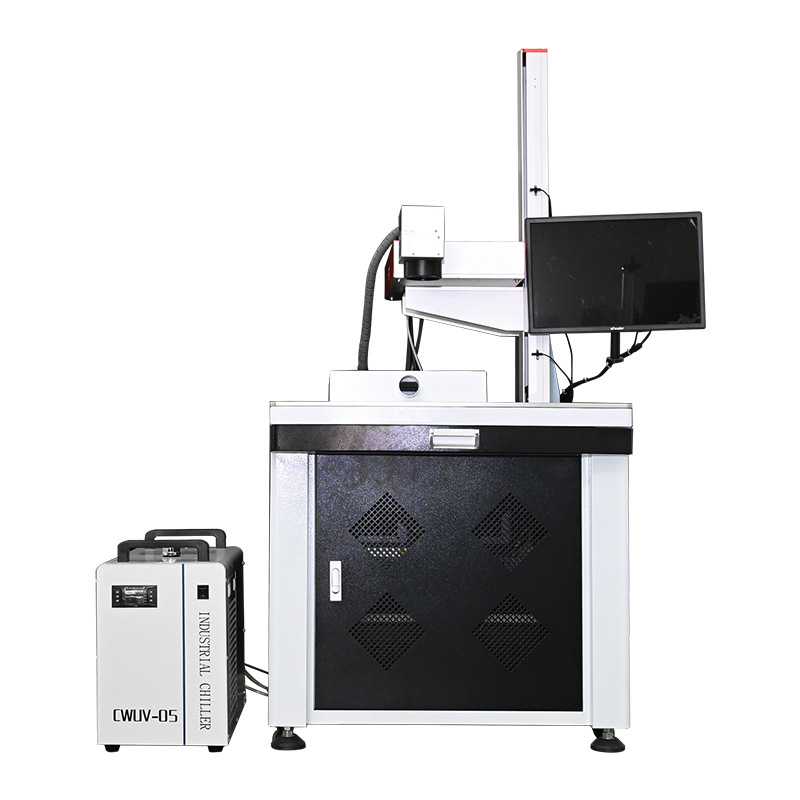
Mobile laser cutting machines take portability to the next level, allowing manufacturers to bring the technology directly to the workpiece. This is particularly valuable in industries like automotive glass repair, where on-site precision cutting is essential.
Key Features of Mobile Tempered Glass Laser Cutting Machines
Advanced Laser Systems for Superior Precision
These machines use high-powered lasers, often fiber or CO2-based, to achieve micron-level precision. The laser’s focus point is so fine that it can cut intricate patterns without compromising the structural integrity of the glass.
Tempered Glass Compatibility: Overcoming the Challenges
Tempered glass is notoriously difficult to cut due to its internal stress. Mobile laser cutting machines address this by using controlled thermal stress to create precise breaks along the laser-cut line, eliminating the need for post-cutting modifications.
Portability and On-Site Operation
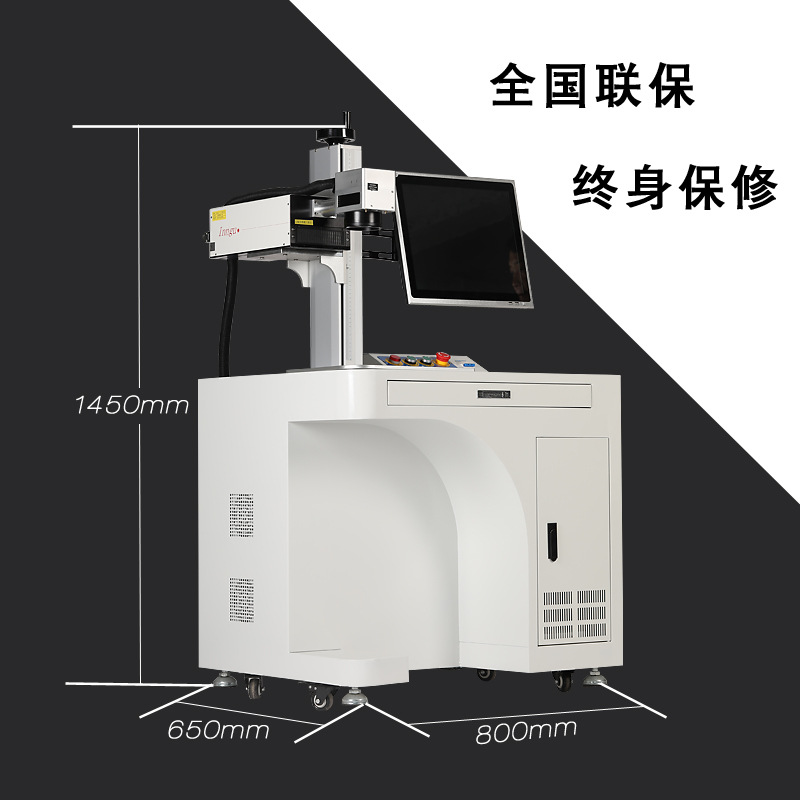
Equipped with compact frames and sometimes even wheels, these machines can be transported to job sites, warehouses, or production floors. This mobility is a game-changer for industries that require flexible, on-demand glass processing.
Applications Across Industries
Smartphone and Electronics Manufacturing
The smartphone industry relies heavily on precise glass cutting for screens and camera lenses. Mobile laser cutting machines enable manufacturers to produce custom shapes and sizes quickly, reducing waste and improving production speed.
Automotive and Aerospace Glass Processing
From windshields to cockpit windows, automotive and aerospace industries demand flawless glass components. Mobile laser cutting ensures high precision while accommodating the unique shapes required for these applications.
Architectural and Interior Design
Architects and designers often require custom glass pieces for facades, partitions, and decorative elements. The portability of these machines allows for on-site cutting, ensuring perfect fit and finish.
Advantages of Mobile Tempered Glass Laser Cutting Machines
Enhanced Precision and Reduced Waste
Laser cutting eliminates the inaccuracies of mechanical methods, reducing material waste and improving yield. This is particularly valuable for expensive materials like tempered glass.
Faster Turnaround Times
With no need for tool changes or post-cutting adjustments, these machines significantly speed up production. Mobile operation further reduces downtime by eliminating the need to transport glass to a fixed cutting station.
Cost-Effectiveness in the Long Run
While the initial investment may be higher, the long-term savings from reduced waste, faster production, and minimal maintenance make these machines a cost-effective solution.
How Mobile Laser Cutting Machines Work
The Laser Cutting Process: Step by Step
The process begins with loading the tempered glass onto the machine’s platform. The laser then follows a pre-programmed path, heating the glass to its stress point. Once the cut is complete, controlled pressure is applied to create a clean break along the laser line.
Software Integration and Design Flexibility
Modern machines are equipped with advanced software that allows operators to input complex designs, adjust cutting parameters, and simulate the cutting process before execution. This ensures accuracy and minimizes errors.
Challenges and Considerations
Safety Measures for Laser Operation
Laser cutting requires strict safety protocols, including protective enclosures, laser goggles, and emergency shut-off systems. Mobile machines must adhere to these standards while maintaining portability.
Maintenance and Operational Requirements
While laser cutting machines are generally low-maintenance, regular cleaning of optical components and calibration checks are essential to ensure optimal performance.
Energy Consumption and Environmental Impact
Compared to traditional methods, laser cutting is more energy-efficient and produces less waste. However, manufacturers must still consider power consumption and cooling requirements.
The Future of Mobile Glass Cutting Technology
Integration with AI and Automation
Artificial intelligence is poised to enhance mobile laser cutting machines by enabling real-time adjustments, predictive maintenance, and even autonomous operation.
Sustainable Manufacturing with Green Laser Technology
Researchers are exploring green lasers, which offer better absorption in glass and reduce energy consumption, making the process even more environmentally friendly.
Expansion into New Markets
As the technology becomes more affordable, we can expect to see mobile laser cutting machines adopted in smaller workshops, art studios, and DIY applications.

Conclusion: The Game-Changer in Glass Processing
Mobile tempered glass laser cutting machines represent the future of precision glass processing. Their ability to combine portability, speed, and accuracy makes them invaluable across industries. As technology continues to evolve, these machines will become even more efficient, sustainable, and accessible, paving the way for new possibilities in glass manufacturing.
How to purchase: https://looperbuy.com/search?keywords=mobile+tempered+glass+laser+cutting+machine&globalType=1688
Frequently Asked Questions (FAQs)
- How does a mobile tempered glass laser cutting machine differ from traditional cutting methods? Traditional methods like diamond wheel cutting rely on physical contact, which can cause micro-cracks and require post-processing. Laser cutting is contactless, producing cleaner edges without stress fractures, and eliminates the need for grinding or polishing.
- Can these machines cut any type of glass, or are there limitations? While they excel at cutting tempered glass, some specialized glass types (like laminated or coated glass) may require adjustments to laser settings. Manufacturers often provide guidelines for optimal performance with different materials.
- Is the mobile laser cutting process safe for operators? Yes, when proper safety measures are followed. Machines are equipped with protective enclosures, interlocks, and emergency shut-off systems. Operators must wear laser-safe goggles and follow standard operating procedures.
- What maintenance is required to keep the machine running efficiently? Regular cleaning of the laser lens and mirrors is essential to maintain cutting precision. Additionally, periodic calibration and software updates ensure consistent performance. Most manufacturers provide detailed maintenance schedules.
- How does the cost of a mobile laser cutting machine compare to traditional glass cutting equipment? The initial investment is higher, but the long-term savings from reduced material waste, faster production, and minimal labor requirements make it a cost-effective solution for high-volume operations.
Hot Tags: Mobile glass cutting; Tempered glass laser technology; Precision glass manufacturing; On-site glass processing; Laser cutting innovations; Glass industry advancements; Portable laser systems; Smart manufacturing tools; Industrial glass cutting solutions