Table of Contents
Introduction: The Enduring Allure of Silk Drapes
Few garments embody timeless femininity quite like a long silk dress. This luxurious fabric has graced women for centuries, transcending fashion trends while adapting to each era’s aesthetic. From ancient Chinese royalty to modern red carpets, the long silk dress remains a symbol of elegance, sophistication, and refined taste. This comprehensive exploration delves into the history, craftsmanship, styling possibilities, and cultural significance of these exquisite garments.
A Historical Perspective: Silk Dresses Through the Ages
Ancient Origins and Royal Associations
Silk production originated in ancient China around 2700 BCE, with the fabric initially reserved for emperors and nobility. The legendary Silk Road facilitated its spread across continents, transforming it from a regional luxury to a global commodity. Throughout history, long silk dresses signified wealth, status, and refined taste across various civilizations.
Evolution of Silhouette and Style
From the flowing robes of Byzantine empresses to the structured gowns of 18th-century France, the long silk dress has continually evolved. Each period adapted the garment to contemporary fashion while maintaining its association with luxury. The 20th century saw particularly dramatic transformations, with designers reimagining the silk dress for changing social landscapes.

The Craftsmanship Behind Exceptional Silk Dresses
Silk Varieties and Their Unique Characteristics
Not all silks are created equal. From the crisp sheen of habotai to the heavy drape of dupioni, each silk type lends itself to different dress styles. The choice of silk significantly impacts the dress’s appearance, feel, and durability, making fabric selection a critical decision in the creation process.
Traditional and Contemporary Weaving Techniques
Handloom weaving produces irregularities that connoisseurs prize, while mechanized weaving offers consistency and volume. Modern innovations like jacquard looms enable intricate patterns impossible to achieve by hand. Many luxury brands combine traditional techniques with contemporary technology to create truly exceptional pieces.
The Art of Silk Dyeing and Printing
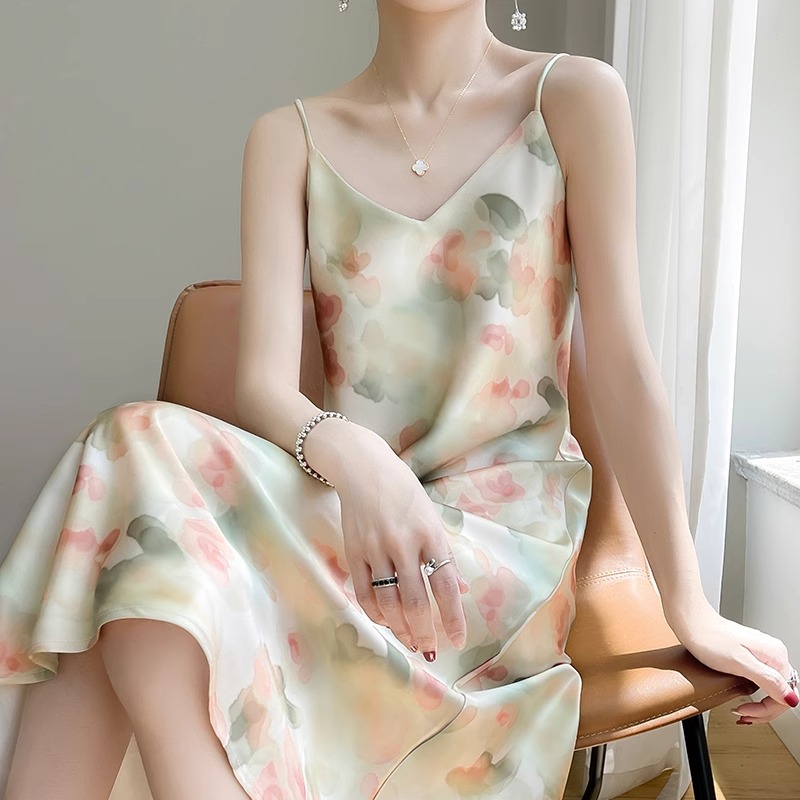
Silk’s absorbent nature makes it perfect for vibrant dyes and delicate prints. From traditional batik techniques to modern digital printing, the color application methods dramatically affect the final garment’s appearance. Some artisans still use natural dyes, creating unique, subtly shifting hues that machine-dyed silks can’t replicate.
Styling the Long Silk Dress: Versatility Across Occasions
Formal Elegance: Evening and Wedding Attire
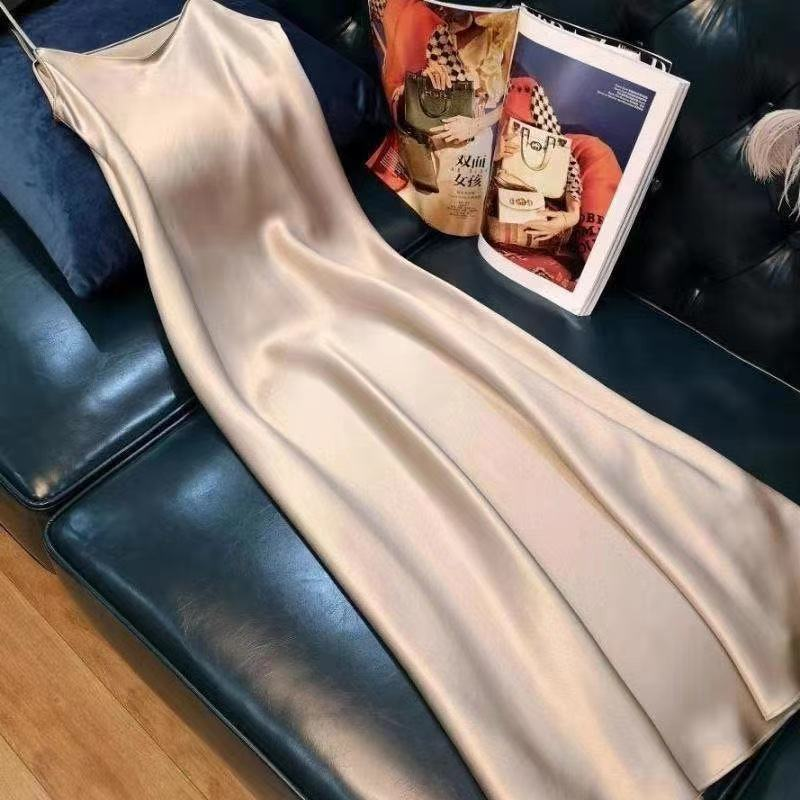
In formal settings, long silk dresses shine brightest. A well-tailored silk gown can serve as breathtaking wedding attire or a show-stopping evening ensemble. The fabric’s natural drape enhances movement, creating an ethereal quality perfect for special occasions.
Daytime Sophistication: Casual and Professional Adaptations
Contrary to popular belief, silk dresses aren’t exclusively for formal events. Layering with jackets, cardigans, or belts transforms a long silk dress into appropriate daytime wear. The key lies in balancing the dress’s luxurious feel with more grounded accessories and footwear.
Seasonal Considerations and Layering Strategies
While silk feels cool against the skin, its thinness makes it less insulating than heavier fabrics. Strategic layering with tights, sweaters, or lightweight coats extends the dress’s seasonal usability. Breathable underlayers help regulate temperature while maintaining the garment’s elegant silhouette.
Cultural Significance Across Global Traditions
Silk Dress Traditions in East Asia
In countries like China, Japan, and Korea, long silk dresses carry deep cultural meaning. Traditional garments like the Chinese qipao or Korean hanbok feature silk as their primary material, with specific colors and patterns conveying social status, marital status, or regional identity.
Western Interpretations and Fashion Evolution
Western fashion has embraced the long silk dress through various movements, from the opulent gowns of the Victorian era to the minimalist silk shifts of the 1990s. Each period adapted the basic form to reflect contemporary ideals of beauty and femininity.
Modern Cultural Fusion and Design Innovations
Contemporary designers frequently blend traditional silk dress elements with global influences, creating pieces that honor heritage while appealing to modern sensibilities. This fusion approach has resulted in particularly exciting developments in recent years.
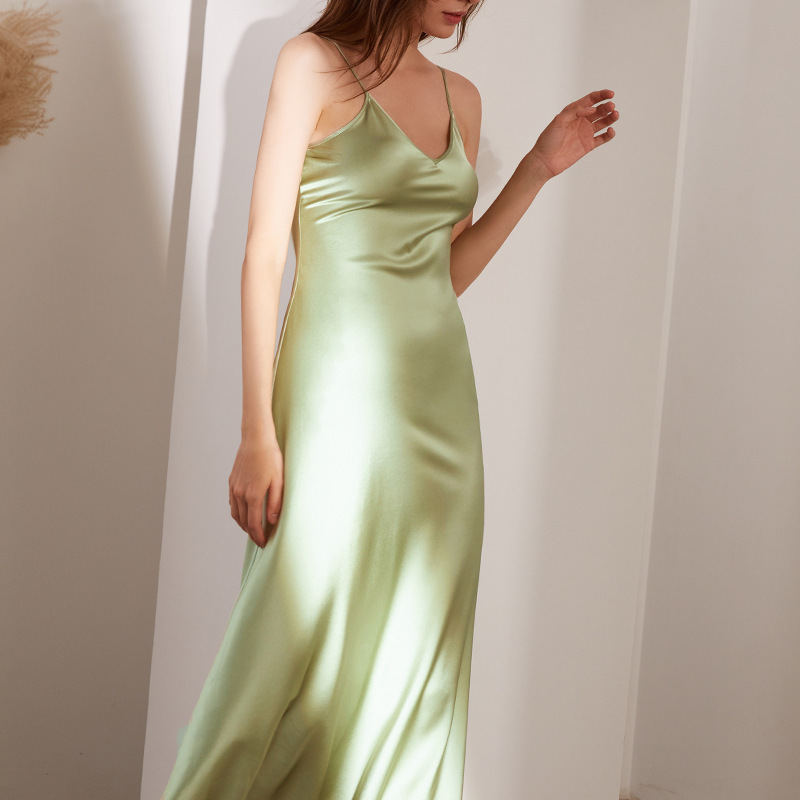
Selecting the Perfect Long Silk Dress
Body Type Considerations and Silhouette Choices
Understanding how different silk dress silhouettes interact with various body types is crucial. Empire waists create the illusion of longer legs, while A-line skirts balance wider hips. The fabric’s drape should complement rather than fight the wearer’s natural shape.
Color and Pattern Selection Guidelines
Silk’s ability to hold dye makes it perfect for both solid colors and intricate patterns. Darker shades offer more structure, while lighter hues create a more ethereal effect. Pattern placement should consider the wearer’s height and body proportions.
Quality Indicators and What to Look For
High-quality silk dresses exhibit consistent weaving, even color distribution, and natural fiber characteristics. The fabric should feel smooth but substantial, with a subtle sheen that catches light without appearing plastic-like. Stitching quality and finishing details reveal much about a garment’s craftsmanship.
Care and Maintenance of Silk Garments
Proper Washing and Cleaning Techniques
While some silk dresses may be dry clean only, many can be gently hand washed with specialized detergents. Always test cleaning methods on inconspicuous areas first and avoid harsh chemicals that can damage the fibers.
Storage Solutions to Prevent Damage
Silk requires careful storage to maintain its pristine condition. Avoid hanging heavy dresses for extended periods, as this can distort the shoulders. Acid-free tissue paper helps maintain shape while preventing light exposure and moisture damage.
Repairing and Preserving Valuable Pieces
Minor snags and loose threads should be addressed promptly by professionals familiar with silk. Properly stored, a high-quality silk dress can last for decades, potentially becoming a family heirloom with appropriate care.
The Future of Long Silk Dresses in Contemporary Fashion
Sustainable Practices in Silk Production
With growing environmental concerns, the silk industry faces pressure to adopt more sustainable practices. Organic farming methods, reduced water usage, and ethical labor practices are becoming increasingly important considerations for both producers and consumers.
Technological Innovations in Fabric Treatment
Advances in fabric technology have led to wrinkle-resistant silks, improved dye-fastness, and even performance-enhanced versions of the traditional fabric. These innovations expand the practical applications of silk dresses without compromising their luxurious feel.
Emerging Design Trends and Cultural Influences
Contemporary designers are reimagining the long silk dress through sustainable practices, inclusive sizing, and cross-cultural influences. The future promises even greater diversity in styles, colors, and interpretations of this classic garment.
Conclusion: The Timeless Appeal of Silk Draping
The long silk dress represents more than just a fashion choice—it embodies centuries of cultural exchange, artisanal skill, and aesthetic refinement. Its ability to adapt to changing times while maintaining its essential elegance ensures its continued relevance in fashion’s ever-evolving landscape. Whether worn for a formal gala or a casual summer evening, the silk dress remains a powerful statement of timeless beauty and refined taste.
How to purchase: https://looperbuy.com/search?keywords=long+silk+dress&globalType=1688
Frequently Asked Questions (FAQs)
- How should I choose the right size for a silk dress? Silk has more give than many synthetic fabrics but still requires proper fit. Consider both your measurements and the dress’s intended style—some silhouettes flatter different body types more than others. When in doubt, consult with a knowledgeable sales associate or designer who understands silk’s unique properties.
- What are the best ways to accessorize a long silk dress? The key is balance—let the dress remain the focal point while adding complementary pieces. Metallic jewelry works beautifully with silk’s natural sheen, while leather belts can define the waist on looser styles. Footwear choices should consider both the dress’s formality and the occasion’s requirements.
- Can long silk dresses be worn in colder weather? While silk provides little insulation, creative layering makes winter wear possible. Pair with thermal underlayers, a stylish coat, and appropriate footwear. Consider dresses with sleeves for additional warmth, and don’t forget accessories like scarves to complete the look.
- How do I remove wrinkles from a silk dress? Silk wrinkles easily but also releases wrinkles with proper care. Hang the dress in a steamy bathroom for gentle wrinkle release, or use a handheld steamer on low heat. Avoid direct iron contact—if pressing is necessary, use a pressing cloth between the iron and fabric.
- What makes a silk dress worth the investment? Quality silk feels noticeably different from synthetic imitations—smoother, cooler, and more responsive to movement. Well-made silk dresses maintain their shape and sheen for years with proper care. The fabric’s breathability and luxurious feel create a wearing experience unmatched by cheaper alternatives.
Hot Tags: Long silk dresses; Silk fashion guide; Elegant evening wear; Silk dress care; Timeless fashion pieces; Luxury clothing guide; Silk garment selection; Formal wear with silk; Cultural significance of silk; Sustainable silk fashion