Table of Contents
Understanding the E-Commerce Landscape
The digital marketplace has evolved dramatically over the past decade, offering entrepreneurs various pathways to establish their online presence. Two prominent models that have gained significant traction are drop shipping and affiliate marketing. While both operate within the e-commerce sphere, they present distinct operational mechanisms, revenue generation strategies, and growth trajectories. This comprehensive exploration delves into the nuances of each model, highlighting their similarities, differences, advantages, and challenges to empower aspiring entrepreneurs to make informed decisions.
Defining the Models
What is Drop Shipping?
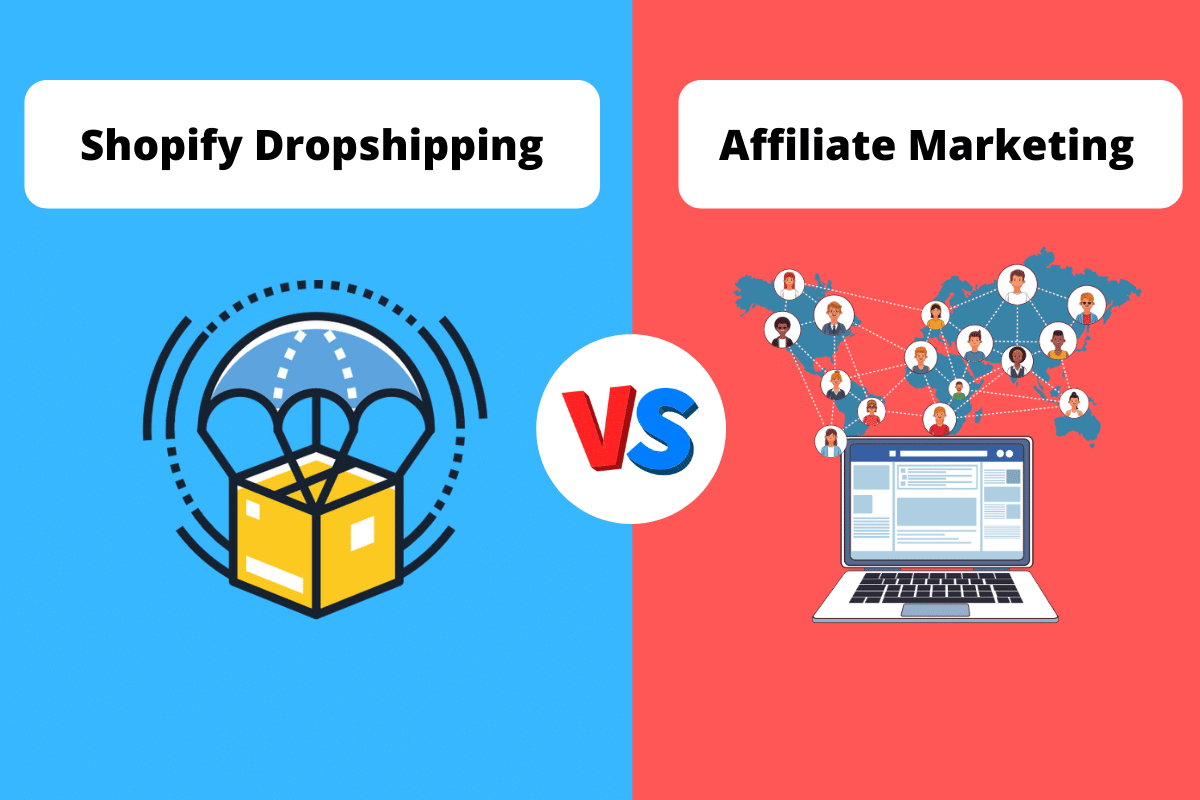
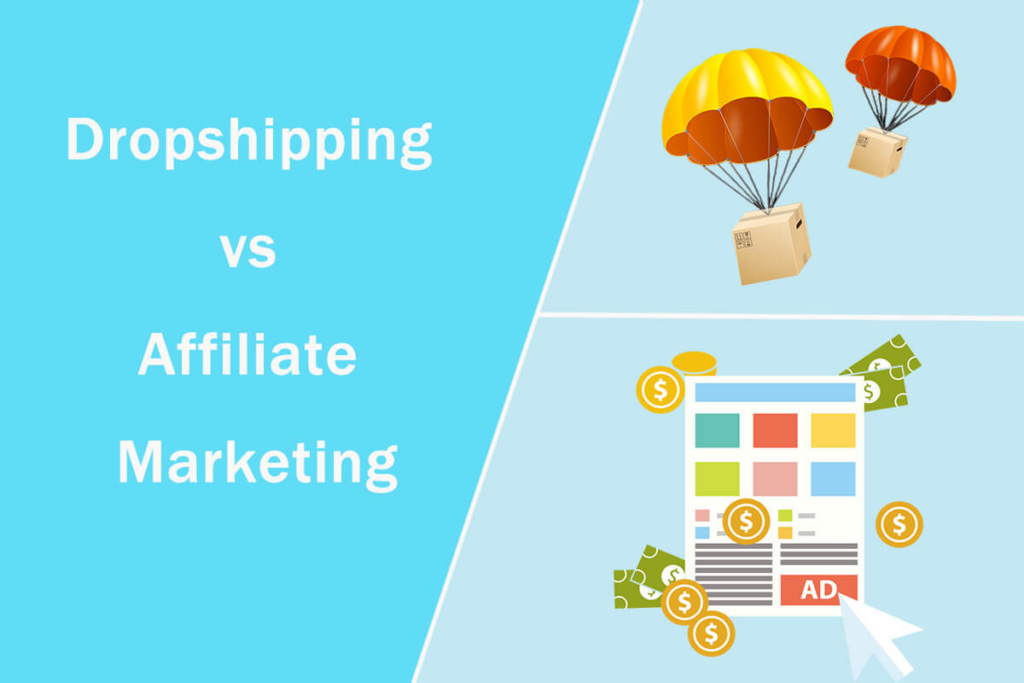
Drop shipping is an inventory-less business model where the retailer (you) don’t keep products in stock. Instead, when a customer places an order on your store, you forward the order to a third-party supplier, typically a wholesaler or manufacturer. This supplier then ships the product directly to your customer. Your profit is the difference between the wholesale price you pay and the retail price you charge.
This model has gained popularity due to its low startup costs and minimal risk. Entrepreneurs can launch online stores without investing in inventory, warehousing, or complex supply chain management. Platforms like Shopify have made it easier than ever to set up drop shipping stores, with tools specifically designed to integrate with supplier directories and automate order fulfillment processes.
What is Affiliate Marketing?
Affiliate marketing is a performance-based marketing strategy where you promote other companies’ products or services and earn a commission for each sale or lead generated through your unique referral link. As an affiliate, you don’t handle product creation, inventory, or shipping. Your role focuses solely on marketing and driving traffic to the merchant’s website.
Affiliates utilize various tactics to promote products, including content marketing, social media influence, email campaigns, and dedicated websites or blogs. The merchant provides tracking links, promotional materials, and often access to detailed product information. Compensation structures vary, with some programs offering percentage-based commissions, flat fees per sale, or even tiered structures rewarding top-performing affiliates with higher rates.
Key Differences Between Drop Shipping and Affiliate Marketing
Business Ownership and Control
Drop shipping positions you as a business owner with a tangible store. You maintain control over branding, customer relationships, and the overall shopping experience. This allows for building equity in your business over time. You can develop customer loyalty, collect data for targeted marketing campaigns, and establish a recognizable brand presence in your niche market.
Affiliate marketing, conversely, positions you as a marketer rather than a business owner. You don’t have a product or service to call your own. Your income depends entirely on the merchant’s offer appeal and your ability to drive qualified traffic. While this offers flexibility, it lacks the long-term equity-building potential of drop shipping. If a merchant discontinues a product or changes their affiliate program terms, your income stream can be abruptly affected.
Investment and Risk Profile
Starting a drop shipping business typically requires initial investments in website development, marketing, and potentially some funds for product samples. The risk lies in selecting products with sufficient demand and profit margins while competing against established retailers. You also face challenges related to supplier reliability, shipping delays, and customer service issues that can impact your store’s reputation.
Affiliate marketing generally has a lower barrier to entry, with minimal startup costs. Many affiliate programs are free to join, requiring only your time and marketing efforts. The primary risks involve finding profitable products that align with your audience’s interests and navigating the competitive landscape of affiliate marketers vying for the same customer base. Additionally, dependency on external platforms (like social media or search engines) for traffic introduces algorithm change risks that can negatively impact your earnings.
Revenue Generation and Profit Margins
Drop shipping profit margins typically range between 10% to 30%, depending on the product category, competition, and your pricing strategy. Revenue is generated directly through product sales, with income tied to your store’s conversion rates and average order value. Scaling involves expanding your product catalog, optimizing your marketing funnel, and enhancing customer retention strategies.
Affiliate marketing commissions vary widely, from 1% to 50% of the sale price, depending on the industry and product type. High-ticket items and subscription services often offer more substantial earnings per sale. Revenue depends on your traffic volume, conversion rates, and the effectiveness of your promotional strategies. Scaling requires expanding your affiliate portfolio, diversifying traffic sources, and refining your marketing approach to increase click-through and conversion rates.
Operational Considerations and Challenges
Drop Shipping Operational Complexities
Despite its advantages, drop shipping presents several operational challenges. Supplier management is critical, as delayed shipments, quality control issues, or communication breakdowns can severely impact customer satisfaction. You must establish robust relationships with multiple suppliers to ensure reliability and consistency.
Customer service demands increase as you become the face of your store. Handling returns, exchanges, and complaints requires efficient systems to maintain positive customer experiences. Additionally, inventory management poses challenges since you rely on supplier stock levels, which can fluctuate and lead to disappointed customers if popular items become unavailable.
Marketing a drop shipping store necessitates competitive strategies. With countless online retailers offering similar products, standing out requires innovative approaches, such as content marketing, social proof, and exceptional user experiences.Paid advertising, particularly on platforms like Facebook and Google, demands continuous optimization to achieve acceptable return on ad spend (ROAS) figures.
Affiliate Marketing Operational Complexities
Affiliate marketing success hinges on traffic acquisition and conversion optimization. Generating consistent, targeted traffic requires mastering various marketing channels, from search engine optimization (SEO) and content marketing to social media influence and email campaigns. Each channel demands specialized knowledge, time investment, and often budget allocation for paid promotions.
Content creation is paramount for effective affiliate marketing. Producing high-quality, valuable content that naturally incorporates affiliate links without appearing spammy requires skill and creativity. Maintaining audience trust is crucial, as promoting low-quality products can damage your credibility and long-term earning potential.
Program selection and relationship management are vital aspects. Not all affiliate programs are created equal, with differences in commission structures, cookie durations (the period during which your referral link remains active), and support levels. Building strong relationships with merchants can lead to exclusive offers, higher commission rates, and early access to new products, enhancing your competitive advantage.
Which Model Suits Your Entrepreneurial Goals?
Long-Term Business Aspirations
If your vision includes building a sustainable, scalable business with recognizable branding and customer ownership, drop shipping may align better with your goals. The equity accumulated through customer relationships, brand recognition, and operational systems can create long-term value. This model suits entrepreneurs willing to invest time in business operations, supplier management, and customer experience optimization.
For those seeking flexibility, diverse income streams, and a focus on marketing expertise development, affiliate marketing offers advantages. The ability to promote multiple products across various niches without inventory constraints appeals to entrepreneurs who enjoy creative marketing challenges. This model is ideal for individuals with strong content creation, social media, or digital marketing skills looking to monetize their online presence.
Skill Set and Resource Availability
Drop shipping requires entrepreneurial skills in business operations, e-commerce platform management, supplier negotiation, and customer service. It demands time commitment for store setup, inventory selection, and ongoing order management. Entrepreneurs with a tolerance for operational complexities and a desire to build comprehensive business systems will thrive in this model.
Affiliate marketing centers on digital marketing competencies, including SEO, content creation, social media influence, and data analysis. Success depends on your ability to generate targeted traffic and convert visitors into customers through compelling marketing messages. This model suits entrepreneurs with creative marketing instincts, analytical skills for campaign optimization, and comfort operating in a results-driven environment.
Risk Tolerance and Investment Capacity
Entrepreneurs comfortable with moderate initial investments and willing to manage operational risks may prefer drop shipping. The potential for building equity and long-term revenue streams often justifies the learning curve and operational challenges. Those with lower risk tolerance, seeking minimal startup costs and flexibility to pivot between opportunities, may find affiliate marketing more appealing. The lower barrier to entry and diverse income potential across multiple products can provide stability while you refine your marketing skills.
Case Studies and Real-World Examples
Successful Drop Shipping Ventures
Numerous entrepreneurs have built substantial businesses through drop shipping. Take the example of a niche fitness equipment store that identified a gap in the market for specialized home workout gear. By partnering with reliable manufacturers and implementing strategic Facebook advertising campaigns targeting fitness enthusiasts, the store achieved significant monthly revenue within two years. The business owner leveraged customer feedback to expand the product line and enhance the shopping experience, establishing a customer loyal base.
Another case involves a fashion accessories drop shipping store that differentiated itself through curated, trendy selections and exceptional customer service. By focusing on niche fashion segments and utilizing influencer partnerships, the store gained traction and profitability, eventually expanding into its product line after establishing market validation.
Successful Affiliate Marketing Ventures
In the affiliate marketing realm, many success stories highlight the power of content and audience building. A popular tech review blog generates substantial income by promoting computer hardware and software through affiliate links. Through in-depth product reviews, comparison guides, and tutorial content, the blog attracts targeted traffic eager to make informed purchasing decisions. The affiliate relationships with major tech brands yield significant commissions, with some high-ticket items generating hundreds of dollars per sale.
Social media influencers represent another affiliate marketing success pathway. A fitness influencer with a dedicated Instagram following promotes workout equipment, supplements, and apparel through carefully crafted content lifestyle blending imagery with product features. By maintaining authentic engagement and selectively promoting products that align with their audience’s values, the influencer has built multiple six-figure income streams while fostering trust within their community.
Conclusion
The choice between drop shipping and affiliate marketing hinges on your entrepreneurial aspirations, skill set, resource availability, and risk tolerance. Drop shipping offers the opportunity to build a tangible business with brand equity and customer relationships but demands operational commitment and moderate risk acceptance. Affiliate marketing provides flexibility, diverse income potential, and lower startup barriers, prioritizing marketing excellence over business operations.
Both models present viable pathways in the dynamic e-commerce landscape, with successful ventures rooted in strategic planning, continuous learning, and adaptation to market changes. By thoroughly evaluating your strengths, goals, and preferences, you can select the model that best aligns with your journey toward online business success, potentially even combining elements of both approaches as your entrepreneurial expertise grows.
If you want to simplify the sourcing and international logistics challenges of your drop shipping business, you can use looperbuy, a one-stop purchasing-logistics solution: https://looperbuy.com/.
Related Questions & Answers
· What are the primary advantages of starting a drop shipping business?
The primary advantages include low startup costs, no inventory management, leveraging established supplier networks, and the potential to build brand equity and customer relationships over time. This model suits entrepreneurs seeking a tangible business presence with growth potential through product diversification and customer retention strategies.
· How do affiliate marketing commissions typically work?
Affiliate marketing commissions vary by program but generally follow three structures: percentage of sale (common in retail and e-commerce), flat fee per sale or lead (popular in subscription services and digital products), and tiered commissions rewarding higher performance with increased rates. Most programs use tracking cookies to attribute sales to affiliates, with durations ranging from 24 hours to 30+ days depending on the merchant’s policy.
· Can I combine drop shipping and affiliate marketing in my business?
Absolutely. Many entrepreneurs successfully blend these models by operating a drop shipping store while promoting complementary products through affiliate links. For example, a fitness equipment drop shipping store might affiliate-promote workout supplements or online training programs, diversifying income streams while enhancing customer value.
· What are common pitfalls in drop shipping for new entrepreneurs?
Common challenges include unreliable suppliers causing shipping delays or quality issues, oversaturated markets with intense competition, underestimated marketing costs, and complex customer service demands. New entrepreneurs often struggle with product selection, balancing profit margins with competitive pricing, and technical aspects of e-commerce platform management.
· How do I find reliable drop shipping suppliers?
Research is critical. Start by exploring established directories like SaleHoo or Spocket, which vet suppliers based on reliability, product quality, and shipping performance. Check supplier reviews on forums and within e-commerce communities. Request product samples to assess quality firsthand and negotiate clear terms regarding shipping times, returns, and communication protocols before establishing partnerships.
Hot Tags: Drop Shipping Business Model; Affiliate Marketing Strategies; E-Commerce Entrepreneurship; Online Retail Comparisons; Digital Marketing Income; Passive Revenue Streams; Product Promotion Techniques; Merchant Affiliate Programs; Online Store vs Marketing