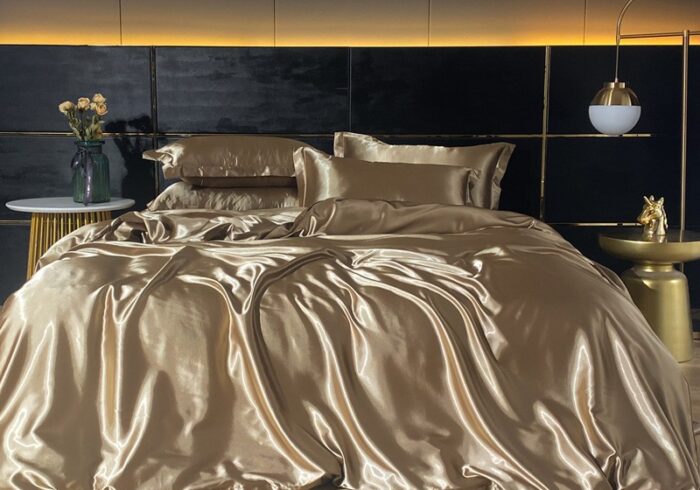
Indoor lighting is a crucial aspect of interior design that significantly influences the ambiance, functionality, and aesthetic appeal of a space. The right lighting can transform a dull room into a vibrant and inviting environment, enhancing both the visual and emotional experience of the occupants. This article delves into the various types of indoor lighting, their applications, and tips for effective lighting design, ensuring that you can create the perfect atmosphere in your home or office.
Table of Contents
Understanding Indoor Lighting
Indoor lighting refers to the artificial illumination used within buildings. It serves multiple purposes, including enhancing visibility, creating mood, and highlighting architectural features. The right indoor lighting can transform a dull room into a vibrant and inviting space. Moreover, it plays a significant role in defining the character of a room, influencing how we interact with our surroundings. For instance, a well-lit space can make a small room feel larger and more open, while poor lighting can create a cramped and uncomfortable atmosphere.
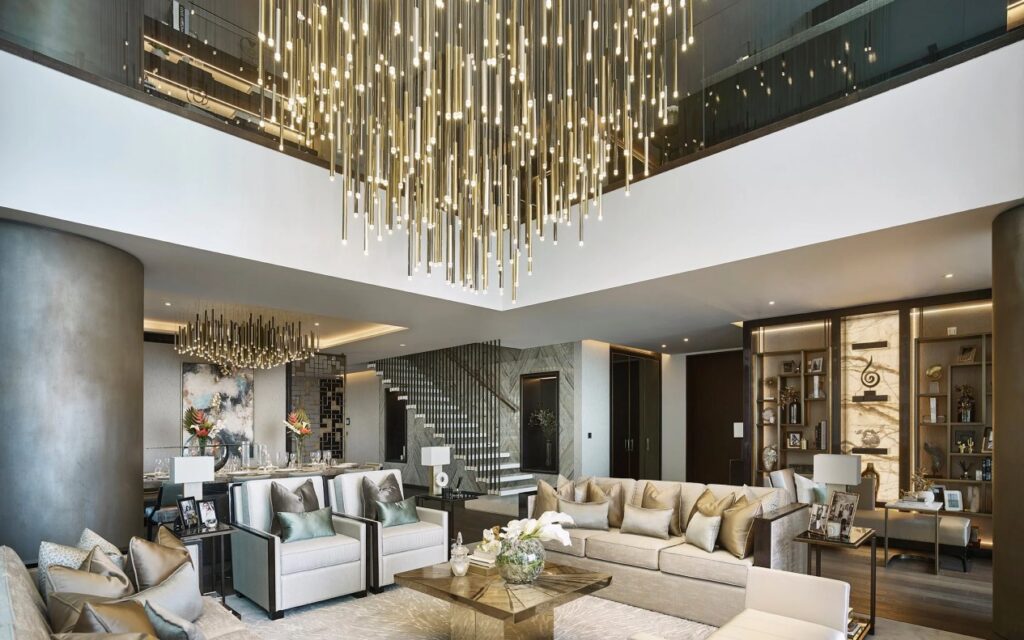
The Importance of Indoor Lighting
Good indoor lighting is essential for several reasons. It affects how we perceive colors, shapes, and textures within a room. Proper lighting can enhance productivity, improve mood, and even influence our health. For instance, well-lit spaces can reduce eye strain and fatigue, making them more comfortable for daily activities. Additionally, lighting can impact our circadian rhythms, affecting sleep patterns and overall well-being. In workplaces, effective lighting can boost morale and efficiency, leading to better performance and job satisfaction.
Types of Indoor Lighting
Indoor lighting can be categorized into three main types: ambient, task, and accent lighting. Each type serves a unique purpose and can be used in combination to create a well-lit environment. Understanding these categories is essential for designing a lighting scheme that meets the needs of each space.
Ambient Lighting
Ambient lighting provides overall illumination to a room. It is the primary source of light and is typically soft and diffused. Common sources of ambient lighting include ceiling fixtures, chandeliers, and wall-mounted lights. This type of lighting is essential for creating a comfortable atmosphere in any space. Ambient lighting sets the mood for the room and can be adjusted to create different effects. For example, dimming the lights in a living room can create a cozy environment for relaxation, while brighter ambient lighting is suitable for social gatherings or family activities.
Task Lighting
Task lighting is focused illumination that helps with specific activities such as reading, cooking, or working. It is brighter than ambient lighting and is often adjustable. Examples of task lighting include desk lamps, under-cabinet lights in kitchens, and reading lights beside beds. Proper task lighting is crucial for enhancing productivity and reducing strain during activities that require focus. In addition to functionality, task lighting can also add a decorative element to a room. Stylish desk lamps or pendant lights can serve as focal points while providing the necessary illumination for tasks.
Accent Lighting
Accent lighting is used to highlight specific features or areas within a room, such as artwork, architectural details, or plants. This type of lighting adds depth and interest to a space. Common sources of accent lighting include track lights, wall sconces, and spotlights. Accent lighting can create dramatic effects and enhance the overall design of a room. By drawing attention to particular elements, accent lighting can transform a simple space into a visually engaging environment. For instance, highlighting a piece of artwork with a spotlight can create a gallery-like atmosphere, making the art the centerpiece of the room.
Choosing the Right Indoor Lighting
Selecting the appropriate indoor lighting involves considering several factors, including the purpose of the space, the activities performed, and the desired ambiance. Here are some tips for choosing the right lighting:
Consider the Room’s Function
Different rooms have different lighting needs. For example, kitchens require bright task lighting for food preparation, while bedrooms benefit from softer, ambient lighting for relaxation. Understanding the function of each room will guide your lighting choices. In addition, consider the layout and size of the room. Larger spaces may require multiple light sources to ensure even illumination, while smaller rooms can often be adequately lit with a single fixture.
Layer Your Lighting
Using a combination of ambient, task, and accent lighting creates a well-balanced and versatile lighting scheme. Layering your lighting allows you to adjust the brightness and mood of a room according to your needs. For instance, in a living room, you might use a central chandelier for ambient light, table lamps for task lighting, and wall sconces to highlight artwork. This approach not only enhances functionality but also adds visual interest to the space.
Pay Attention to Color Temperature
The color temperature of light affects the mood of a space. Warm white light (2700K-3000K) creates a cozy and inviting atmosphere, making it ideal for living rooms and bedrooms. Cool white light (3500K-4100K) is suitable for workspaces, while daylight (5000K-6500K) is best for areas requiring high visibility, such as kitchens and bathrooms. Choosing the right color temperature can significantly impact how a room feels. For example, a warm light can make a dining area feel more intimate, while cooler light can enhance focus in a home office.
Use Dimmers
Installing dimmer switches allows you to control the brightness of your indoor lighting. This flexibility enables you to create different moods and adapt the lighting to various activities throughout the day. Dimmers can be particularly useful in multipurpose rooms, where the lighting needs may change from day to night. For example, you might want bright lighting for family activities during the day and softer lighting for movie nights in the evening.
Trends in Indoor Lighting Design
Indoor lighting design is constantly evolving, with new trends emerging to enhance functionality and aesthetics. Here are some current trends in indoor lighting:
Smart Lighting
Smart lighting systems allow users to control their indoor lighting remotely via smartphones or voice-activated devices. These systems can be programmed to adjust brightness and color temperature based on the time of day or specific activities, providing convenience and energy efficiency. Smart lighting can also enhance security by allowing homeowners to simulate occupancy when they are away. Additionally, many smart lighting systems can be integrated with home automation systems, allowing for seamless control of all aspects of home lighting.
Minimalist Designs
Minimalist lighting fixtures focus on simplicity and functionality. Clean lines and understated designs are popular in modern interiors, allowing the lighting to blend seamlessly with the overall decor. Minimalist designs often emphasize the beauty of materials and craftsmanship, making them a perfect choice for contemporary spaces. These fixtures can serve as subtle accents that enhance the overall aesthetic without overwhelming the room.
Vintage and Industrial Styles
Vintage and industrial lighting fixtures are making a comeback, adding character and charm to contemporary spaces. These styles often feature exposed bulbs, metal finishes, and retro designs that create a unique focal point in any room. Vintage lighting can evoke a sense of nostalgia, while industrial designs can add an edgy, urban feel. Mixing these styles with modern decor can create a dynamic and visually interesting environment.
Eco-Friendly Lighting
Sustainability is a growing concern in interior design, leading to the popularity of eco-friendly lighting options. LED lights are energy-efficient and have a longer lifespan than traditional bulbs, making them an excellent choice for environmentally conscious consumers. Additionally, many manufacturers are now producing fixtures made from sustainable materials, further reducing the environmental impact of indoor lighting. Choosing eco-friendly lighting not only benefits the planet but can also lead to significant savings on energy bills.
Conclusion
Indoor lighting plays a vital role in shaping the atmosphere and functionality of a space. By understanding the different types of lighting and how to effectively use them, you can create a well-lit environment that enhances your home or office. Whether you prefer ambient, task, or accent lighting, the right choices can transform your indoor spaces into inviting and functional areas. Investing time and thought into your indoor lighting design can lead to a more enjoyable and productive living or working environment.
How to purchase:https://looperbuy.com/search?keywords=Indoor+Lighting
Frequently Asked Questions
1. What are the main types of indoor lighting?
The main types of indoor lighting are ambient, task, and accent lighting. Each serves a different purpose and can be combined for a well-lit space.
2. How can I improve the lighting in my home?
To improve your home lighting, consider layering different types of lighting, using dimmers, and selecting the appropriate color temperature for each room.
3. What is the best lighting for a home office?
A combination of ambient and task lighting is ideal for a home office. Use bright task lighting for your desk and softer ambient lighting for the rest of the room.
4. How do I choose the right light fixtures?
When choosing light fixtures, consider the room’s function, the desired ambiance, and the overall style of your decor. Layering different types of fixtures can enhance the lighting design.
5. Are LED lights better than traditional bulbs?
Yes, LED lights are more energy-efficient, have a longer lifespan, and produce less heat compared to traditional incandescent bulbs, making them a better choice for indoor lighting.