Table of Contents
Introduction
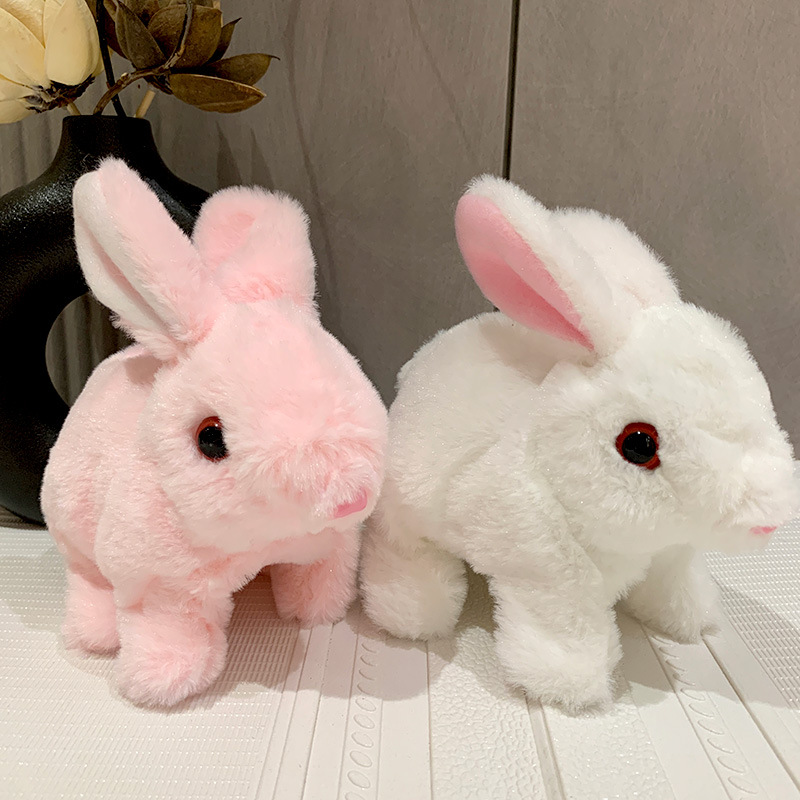
Pet toy rabbits are more than just cute additions to your home; they are playful companions that bring joy and companionship. Whether you’re a first-time pet owner or looking to enhance your furry friend’s playtime, finding the right toys is essential for your rabbit’s physical and mental wellbeing. This comprehensive guide explores the world of pet toy rabbits, offering insights into the best toys, materials, and interactive play strategies to keep your rabbit happy and healthy.
The Importance of Toys for Pet Rabbits
Pet rabbits, like all animals, require mental stimulation and physical exercise to thrive. Toys serve as a vital source of entertainment and activity, helping to prevent boredom and associated behavioral issues such as chewing on furniture or excessive digging. The right toys can also aid in dental health, as rabbits’ teeth continuously grow and need to be worn down. Furthermore, interactive play with toys strengthens the bond between you and your pet, creating a more enriched and fulfilling environment.
Types of Toys for Pet Rabbits
Chew Toys
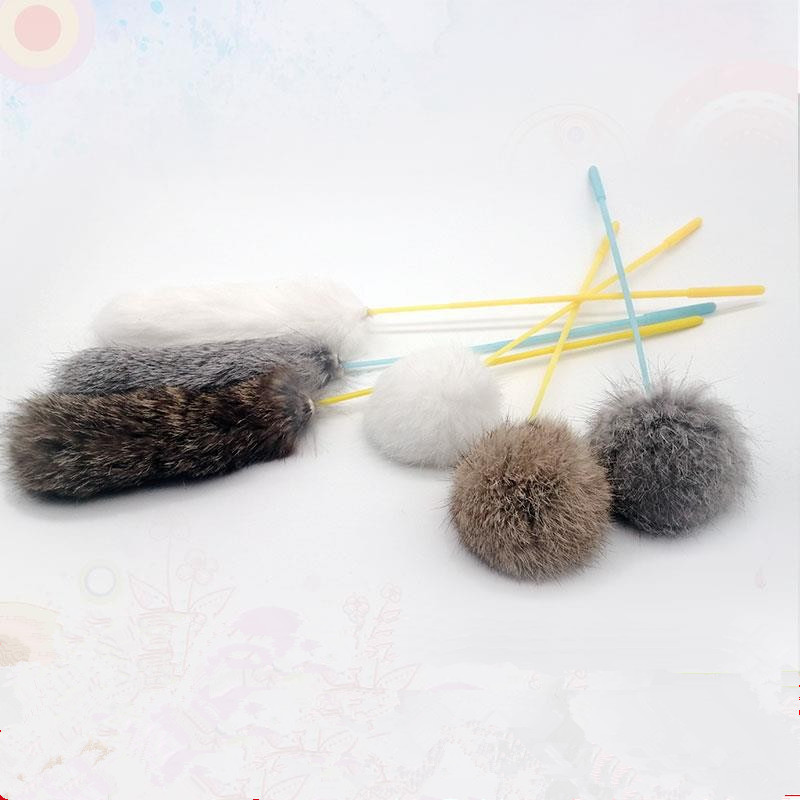
Chew toys are a fundamental part of a rabbit’s toy collection. They cater to the natural chewing instinct, helping to keep teeth at a healthy length. Wooden chew toys are a popular choice, with options like applewood or willow sticks providing a natural and safe chewing experience. These toys often come in various shapes and sizes, from small blocks to large rings, allowing rabbits to gnaw at different angles and grips.
Another option is compressed hay cubes. These are made from compressed timothy or alfalfa hay and offer a dual benefit of chewing and digestion. They are particularly favored as they also contribute to the rabbit’s dietary fiber intake. The texture of hay cubes provides a satisfying chew that mimics their natural foraging behaviors.
Tunnel Toys
Tunnel toys tap into a rabbit’s instinct to explore and hide. They provide a sense of security and adventure, encouraging movement and play. Fabric tunnels are common and come in various lengths and diameters. Look for tunnels made from durable, non-toxic materials that can withstand vigorous play. Some tunnels feature multiple entrances or pop-up elements, adding an element of surprise and excitement.
Cardboard tunnels are another cost-effective option. They can be easily replaced when chewed through and often come in engaging designs like castles or mazes. The collapsible nature of some cardboard tunnels adds variety to playtime as rabbits can push and reshape them.
Ball Toys
Ball toys offer a different kind of stimulation. They can be pushed, rolled, and chased, providing both physical exercise and mental engagement. Many ball toys are designed with small bells inside. The sound of the bell encourages pursuit and mimics the sounds of prey animals, triggering a rabbit’s natural hunting instincts.
For rabbits that enjoy tossing or pawing at toys, there are balls with textures or indents. These features make the ball easier to grip and maneuver, adding a tactile dimension to play. Some balls are also designed to be filled with treats, turning playtime into a rewarding experience as rabbits work to release the hidden snacks.
Materials Matter: Safety and Durability
When selecting toys for your pet rabbit, the material is paramount. Natural materials like wood, fabric, and cardboard are generally safe and preferred. However, it’s crucial to ensure these materials are untreated and non-toxic. Avoid any wood that has been painted, varnished, or pressure-treated, as these coatings can be harmful if ingested.
For fabric toys, opt for those made from organic or untreated cotton and other natural fibers. Check that all stitching is secure and free from small parts that could be chewed off and swallowed. Cardboard should be free from excessive inks or dyes that might pose a health risk.
Durability is another key factor. While it’s natural for toys to wear over time, some materials hold up better than others. Heavy-duty chew toys made from hardwood are more durable than those made from softwood. Reinforced fabric tunnels with sturdy seams resist tearing better than those with simple stitching. Considering your rabbit’s chewing intensity can help you choose appropriately robust toys.
Benefits of Interactive Play
Interactive play with your pet rabbit using toys strengthens your bond. Regular play sessions allow rabbits to associate positive experiences with their owners, building trust and affection. This interaction is particularly beneficial for rabbits that live alone, as it provides the social stimulation they would otherwise get from other rabbits.
Mental stimulation through toys helps prevent cognitive decline. Rabbits are intelligent animals, and puzzles or toys that require problem-solving to access treats keep their minds sharp. Toys that can be manipulated in different ways, such as those with movable parts or hidden compartments, encourage cognitive engagement.
Physical exercise is another benefit. Rabbits need space and opportunity to move. Toys that encourage hopping, stretching, and exploring help maintain a healthy weight and muscle tone. Balls and tunnels that require active participation in play promote overall physical wellbeing.
Choosing the Right Toys for Your Rabbit
Age and Size Considerations
A rabbit’s age and size should guide your toy selection. Young rabbits, or kits, have delicate teeth and require softer chew toys. Applewood sticks or small cardboard tubes are suitable for their gentle chewing needs. As rabbits mature, they can handle denser chew toys like hardwood blocks or larger willow rings.
Size is equally important. Small breeds like Netherland Dwarfs may find large隧道 toys cumbersome. Opt for appropriately sized tunnels or balls that they can easily navigate. Conversely, larger breeds need toys that offer enough substance to satisfy their more vigorous play style.
Personal Preferences and Habits
Every rabbit has unique likes and dislikes. Some may prefer burrowing under fabric tunnels, while others enjoy tossing balls around. Observing your rabbit’s natural play tendencies can help in selecting toys that will be used rather than ignored. If your rabbit shows a fondness for digging, consider tunnel toys that allow for similar motions, or balls that can be pushed across the floor mimicking digging actions.
Introducing new toys gradually allows you to observe your rabbit’s reactions. Sometimes rabbits are initially hesitant to approach new objects. Placing toys near familiar items or treating the toy can encourage investigation. Patience is key as your rabbit becomes acquainted with its new plaything.
Top Toy Recommendations
For Chew Enthusiasts
- Niteangel Apple Wood Sticks: These provide a natural chewing experience with their sweet scent and taste. They come in manageable sizes for rabbits of various breeds and are affordably priced.
- Kaytee Bunny Burrows Chew Toys: Made from compressed timothy hay, these offer a dual benefit of chewing and digestion. They come in different shapes, adding variety to your rabbit’s chewing routine.
For the Adventurous
- Living World Play-n-Tunnel Fabric Tunnel: This tunnel features multiple entrances and is made from durable fabric. It can be easily cleaned and withstands vigorous play. The pop-up sections add an element of surprise that keeps rabbits engaged.
- Super Pet Kritter Klub Cardboard Playhouse: More than just a tunnel, this playhouse includes platforms and hiding spots. Its cardboard construction allows for creative reshaping as your rabbit chews and pushes it.
For the Active
- 8 in 1 Pet Rabbit Bell Ball: This ball contains a small bell that jingles as it moves. The ball’s size is suitable for medium to large rabbits and its smooth surface is easy to clean. The sound of the bell encourages chasing and play.
- Kaytee Funday Ball: Designed for small animals, this ball features a textured surface for easy gripping. It can be filled with treats, turning playtime into a rewarding experience as rabbits work to release the hidden snacks.
Integrating Toys into Your Rabbit’s Environment
Creating a Toy Rotation System
To maintain your rabbit’s interest in toys, implement a rotation system. Swap toys every few days to a week, reintroducing them after a period of absence. This creates a sense of novelty and prevents boredom. Store toys in a cool, dry place to keep them in good condition for reuse.
A simple method is to divide toys into three groups. Use one group for a set period, then replace them with the next group. This cyclical approach ensures your rabbit always has familiar and new toys to engage with.
Combining Toys with Habitat Elements
Integrate toys with your rabbit’s living space for maximum engagement. Place chew toys near resting areas but ensure they are not obstructing access to food and water. Position tunnels as connectors between different zones of the habitat, encouraging movement from one area to another.
Balls can be placed in open areas where there is space for hopping and chasing. Incorporating toys into the habitat design not only enriches the environment but also makes it more functional for your rabbit’s daily activities.
Cleaning and Maintaining Toys
Regular Cleaning Routine
Toys should be cleaned regularly to ensure hygiene and your rabbit’s health. For fabric toys, follow the manufacturer’s washing instructions, usually machine washing on a gentle cycle with mild detergent. Air dry thoroughly before returning to your rabbit.
Wooden and cardboard toys can be wiped down with a damp cloth and mild soap solution. For heavily chewed areas, a mixture of white vinegar and water can disinfect and remove odors. Ensure all toys are completely dry before giving them back to your rabbit to prevent mold growth.
Knowing When to Replace Toys
Even with proper care, toys will eventually need replacing. Wooden toys with splintering surfaces can cause injury and should be discarded. Fabric toys with frayed seams or worn-out material may pose choking hazards. Cardboard toys that are extensively chewed through or structurally compromised should also be replaced.
Regularly inspect all toys for signs of wear and potential hazards. A good rule of thumb is to replace any toy that has lost its original shape or function, or shows signs of material degradation.
Conclusion
Pet toy rabbits are an essential component of responsible rabbit ownership. By providing a variety of toys—chew, tunnel, and ball types—you cater to your rabbit’s natural instincts and behavioral needs. Considering factors like material safety, durability, age appropriateness, and personal preferences ensures that the toys you choose will be both enjoyed and beneficial. Regular rotation and maintenance of toys keep playtime exciting and safe. Ultimately, the right toys contribute to a happy, healthy, and mentally stimulated pet rabbit.
How to Purchase:https://looperbuy.com/search?keywords=rabbit+pet+toy
Related Questions and Answers
What should I look for in a safe chew toy for my rabbit?
When selecting a safe chew toy for your rabbit, prioritize natural, non-toxic materials. Wooden toys should be untreated, such as applewood or willow. Avoid any wood that has been painted, stained, or pressure-treated. For fabric toys, choose organic or untreated cotton to prevent exposure to harmful chemicals. Also, ensure the toy is appropriately sized for your rabbit and durable enough to withstand chewing without easily breaking into small, swallowable pieces. Regularly inspect the toy for wear and replace it when it shows signs of splintering or material degradation to ensure your rabbit’s safety.
Can I make homemade toys for my pet rabbit?
Yes, homemade toys can be a cost-effective and personalized way to enrich your rabbit’s environment. Simple options include cardboard tubes from toilet paper or paper towels, which can be stuffed with hay or paper for chewing. You can also fill a small cloth pouch with dried beans or rice, sew it shut, and create a throwable toy with a subtle rustling sound. However, always ensure that any materials used are non-toxic and safe for chewing. Avoid materials like plastic or small parts that could pose choking hazards. Homemade toys should be regularly inspected and replaced when they become worn or frayed.
How often should I replace my rabbit’s toys?
The frequency of toy replacement depends on your rabbit’s chewing intensity and the toy’s material. Wooden toys may last several weeks to months before they develop splinters or become too worn. Fabric toys often need replacing every few weeks as rabbits can quickly fray the material. Cardboard toys have the shortest lifespan, often requiring replacement weekly or biweekly depending on how enthusiastically your rabbit chews them. Regularly check all toys for signs of wear such as broken parts, fraying fabric, or structural weakness. Replace any toy that shows these issues to maintain a safe play environment.
Why does my rabbit ignore the new toys I buy?
If your rabbit ignores new toys, it could be due to several factors. Rabbits can be creatures of habit and may initially be hesitant to approach unfamiliar objects. Give your rabbit time to become accustomed to the new toy by placing it near familiar items or treating the toy to create a positive association. Another possibility is that the toy doesn’t align with your rabbit’s play preferences. Some rabbits prefer certain textures, shapes, or types of interaction. Experiment with different toy varieties to discover what your rabbit enjoys. It may also be that the toy is too similar to others in their current collection; a rotation system can help prevent this by keeping toys novel.
Are there interactive toys that I can play with my rabbit?
Yes, interactive toys can enhance the bond between you and your rabbit. Simple options include treat-dispensing balls that you can roll across the floor, encouraging your rabbit to chase and nudge it to release hidden snacks. You can also use small hoops or fabric tunnels to guide your rabbit through obstacle courses, rewarding them with praise and treats as they navigate. Some rabbits enjoy playing with small bells attached to wands that you can move, prompting your rabbit to jump or paw at the bell. Always supervise interactive play to ensure your rabbit’s safety and make play sessions positive and enjoyable experiences.
Hot Tags: Pet Toy Rabbit; Rabbit Chew Toys; Bunny Toys; Rabbit Tunnel Toys; Rabbit Ball Toys; Safe Rabbit Toys; Rabbit Playtime; Rabbit Bonding Toys; Rabbit Mental Stimulation; Rabbit Physical Exercise.