Table of Contents
Why Italy Dominates the Espresso Machine Parts Industry
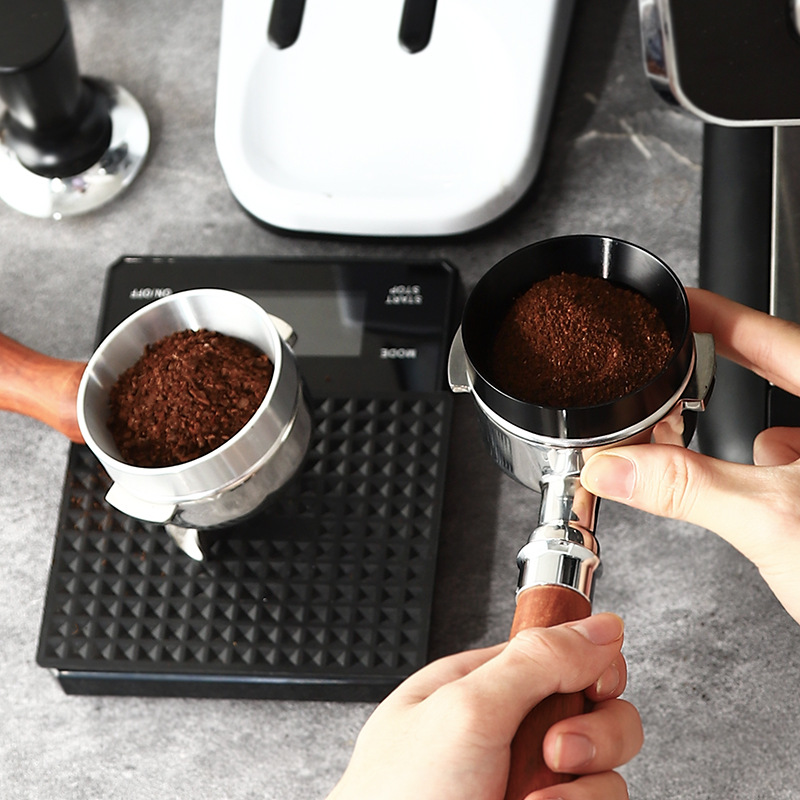
Italy’s legacy in crafting espresso machines dates back to the 19th century, with innovations like the first espresso machine patent by Angelo Moriondo in 1884. Today, the country remains the global epicenter for precision-engineered components, supplying over 70% of the world’s commercial-grade espresso machine parts. Key regions like Milan, Turin, and Bologna host clusters of family-owned manufacturers specializing in boilers, portafilters, and group heads. These suppliers combine traditional artisanship with advanced technologies like CNC machining and 3D printing to meet the demands of both boutique roasters and multinational brands.
The Cultural Advantage: Craftsmanship Meets Innovation
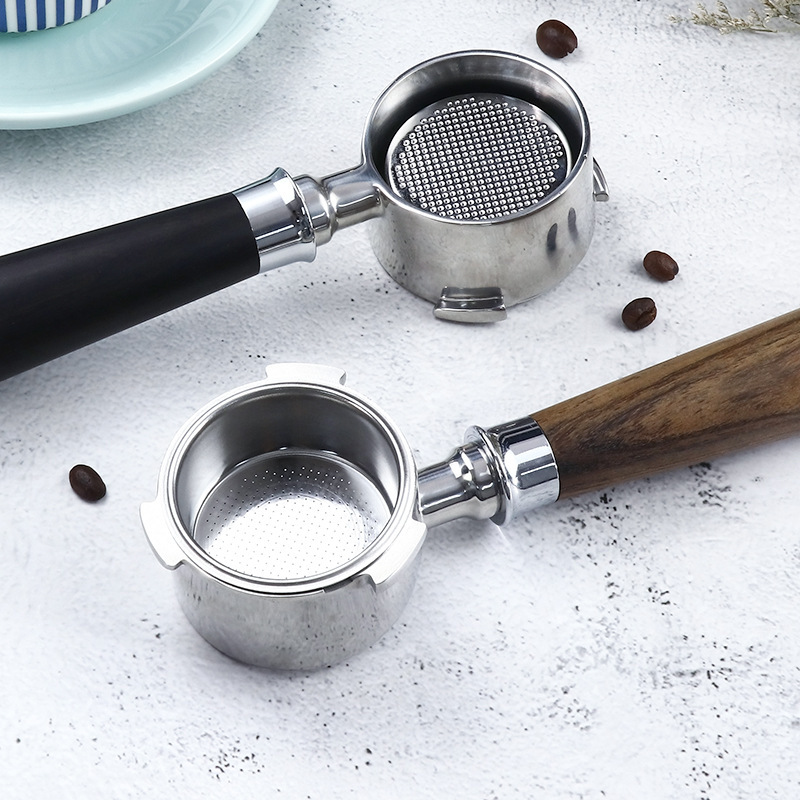
Italian suppliers prioritize material quality, with many using AISI 304 stainless steel for boilers and food-grade brass for portafilters. For example, BFC Espresso Machines, a third-generation family business, still hand-assembles each E61 group head in its Milan factory. This commitment to durability ensures their components withstand 15+ years of daily use in high-volume cafés. Meanwhile, startups like Florence-based Fiorenzato integrate IoT sensors into grinder burrs, enabling real-time particle size analysis via Bluetooth apps.
Regulatory Compliance: Navigating CE Certification
All Italian espresso machine parts destined for global markets must comply with stringent CE standards, including EN 60335-1 (electrical safety) and EMC directives. Reputable suppliers like La Marzocco provide full documentation packages with each shipment, simplifying customs clearance for importers. Look for suppliers that offer RoHS-compliant coatings and NSF-certified food-contact components to avoid delays at ports.
How to Evaluate and Select Italian Espresso Machine Parts Suppliers
The process involves more than comparing price lists—it requires assessing technical expertise, production capacity, and after-sales support.
Technical Proficiency: Beyond Catalog Specifications
Top-tier suppliers offer customization options like P.I.D. temperature control systems or saturated group head designs. For instance, Nuova Simonelli allows buyers to specify boiler insulation thickness (2mm vs. standard 1.5mm) for enhanced thermal stability. When evaluating samples, test for:
- Pressure Consistency: A ±0.2 bar variance during 30-second extractions.
- Heat Retention: Boilers should maintain 90–92°C for 45+ minutes without refiring.
- Ease of Maintenance: Removable screens and tool-free access panels reduce service time by 30%.
Capacity and Scalability: From Prototypes to Mass Production
Mid-sized factories like VBM in Treviso can produce 500–1,000 units monthly while maintaining lot-to-lot consistency. For large orders (5,000+ units), Gruppo Cimbali operates automated lines with 98% uptime rates. Always request a capacity utilization report to avoid suppliers overpromising during peak seasons.
Post-Purchase Support: The Hidden Cost Saver
Leading suppliers provide lifetime access to CAD files for parts like E61 group heads and 24/7 troubleshooting via dedicated WhatsApp channels. Ascaso in Barcelona (though Spanish, they source 80% of components from Italy) offers a unique “Spare Parts Kits” program, bundling 15 common replacement items at a 20% discount.
Top 5 Italian Espresso Machine Parts Suppliers: Deep Dive
- BFC Espresso Machines (Milan)
Specialty: Handcrafted E61 group heads and multi-boiler systems.
Unique Selling Point: Their “Thermo-Siphon” design ensures 95°C water delivery without energy-wasting preheating.
Ideal For: High-end cafés requiring 200+ daily espresso shots.
- La Marzocco (Florence)
Specialty: Customizable side panels and pre-infusion chambers.
Unique Selling Point: The “Strada” platform allows baristas to adjust water pressure profiles mid-extraction.
Ideal For: Michelin-starred restaurants seeking branded equipment.
- Fiorenzato (Florence)
Specialty: Grinder burrs with laser-etched particle calibration.
Unique Selling Point: Their “All-In-One” grinder/scale combo reduces coffee waste by 18%.
Ideal For: Roasteries selling both beans and hardware.
- Rancilio (Milan)
Specialty: Commercial-grade steam wands and rotary vane pumps.
Unique Selling Point: The “Classe 11” line’s self-priming system cuts warm-up time to 8 minutes.
Ideal For: Quick-service restaurants needing rapid turnover.
- Dalla Corte (Milan)
Specialty: Modular espresso machines with swappable brew groups.
Unique Selling Point: Their “DC One” machine uses AI to auto-adjust grind size based on ambient humidity.
Ideal For: Tech-savvy cafés experimenting with single-origin espressos.
Overcoming Logistical Challenges: Shipping, Customs, and Warranties
Shipping Strategies for Cost and Speed
- Air Freight: 3–5 day transit via DHL Express, but costs $4–6/kg.
- Sea Freight: 30–35 days via Genoa port, costing $0.80–1.20/kg for FCL containers.
- Rail Freight: 12–15 days via the China-Europe Railway, offering a middle ground at $2.50/kg.
Customs Clearance: Document Checklist
- Bill of Lading: Must match the supplier’s invoice number.
- CE Certificate: Include the Notified Body number (e.g., 0476 for SGS Italy).
- Packing List: Detail each component’s HS code (e.g., 8419.81 for espresso machine parts).
Warranty Pitfalls to Avoid
Never accept “standard 12-month warranties” without clarifying:
- Labor Costs: Some suppliers charge $75/hour for technician visits.
- Part Availability: Request a “Critical Spare Parts” stock list to avoid 6-week lead times.
The Future of Espresso Machine Parts: 2025–2030 Trends
Sustainability: From Concept to Compliance
By 2027, 60% of Italian suppliers will adopt cradle-to-cradle production cycles. La Marzocco already reclaims 92% of production waste for reprocessing into new components.
AI Integration: Predictive Maintenance
Dalla Corte’s next-gen machines will use vibration sensors to predict pump failures 2 weeks in advance, reducing downtime by 40%.
Niche Customization: The Rise of Micro-Factories
Smaller players like Bezzera are launching “Build-Your-Own” platforms, allowing buyers to select from 50+ design options (e.g., copper-plated portafilters or bamboo handles).
Conclusion
Sourcing from Italy’s espresso machine parts suppliers demands rigorous evaluation of technical capabilities, logistics planning, and long-term partnership potential. While challenges like customs delays and warranty ambiguities persist, the rewards—access to cutting-edge components and a heritage of craftsmanship—make Italy an indispensable resource for global coffee businesses. By aligning with suppliers that balance tradition and innovation, buyers can secure a competitive edge in an increasingly crowded market.
How to Purchase:https://looperbuy.com/search?keywords=Italy+espresso+machine+parts+suppliers
Related Questions & Answers
· How do I verify the authenticity of Italian-made espresso parts?
Check for “Made in Italy” stamps on critical components like group heads and boilers. Request export certificates from the Italian Trade Agency (ITA) confirming the manufacturer’s registration.
· What’s the average lead time for custom portafilters?
Expect 4–6 weeks for CNC-machined designs. Suppliers like BFC offer expedited services for a 20% surcharge, reducing lead times to 2–3 weeks.
· Can I mix components from different suppliers?
Technically possible but risky. For example, using a La Marzocco boiler with a Rancilio pump may void warranties. Always test compatibility with a prototype build.
· How do Italian suppliers handle defective parts?
Most follow ISO 13485 standards, offering replacements within 48 hours. Some, like Fiorenzato, provide video troubleshooting to diagnose issues before requiring returns.
· What payment terms are standard for bulk orders?
Typically 30% upfront via T/T and 70% upon shipping. Larger buyers may negotiate letters of credit (L/C) with 90-day terms.
Hot Tags: ItalianEspressoParts; CoffeeMachineComponents; EspressoPartsSuppliers; CECertifiedComponents; CustomEspressoParts; CommercialEspressoHardware; EspressoMachineInnovation; SustainableCoffeeTech; ItalyCoffeeParts