Chinese brands have emerged as global leaders in online shopping, offering innovative products, competitive pricing, and seamless digital experiences. From tech giants like Xiaomi and DJI to fast-fashion disruptors like Shein, these brands leverage China’s manufacturing prowess and digital infrastructure to captivate international audiences. This article explores how Chinese brands dominate online shopping, the challenges they face, and their strategies for sustaining growth in a competitive global market.
Table of Contents
The Driving Forces Behind Chinese Brand Success
Manufacturing Excellence and Scalability
China’s factories produce high-quality goods at unmatched speeds and costs. Brands integrate vertically, controlling production from raw materials to final packaging, ensuring consistency and agility.
Digital-First Business Models
Chinese brands prioritize e-commerce, bypassing traditional retail channels. Direct-to-consumer (D2C) strategies reduce costs and foster customer loyalty through personalized marketing.
Government Support and Cross-Border Policies
Initiatives like the “Digital Silk Road” and cross-border e-commerce pilot zones simplify international trade, offering tax incentives and streamlined customs procedures.
Leading Chinese Brands Shaping Online Shopping
Consumer Electronics: Xiaomi and DJI
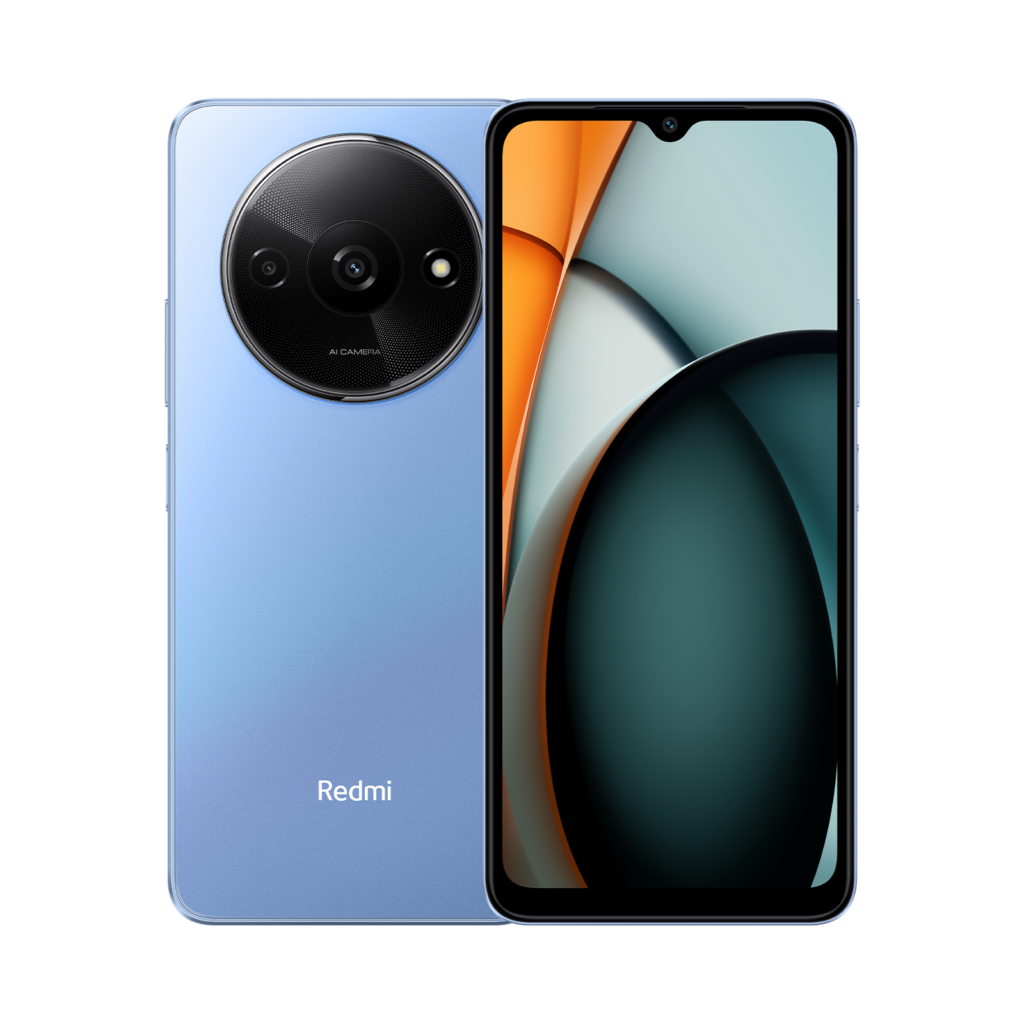
· “Xiaomi”: Known for affordable smartphones and smart home devices, Xiaomi combines cutting-edge technology with aggressive pricing.
· “DJI”: Dominates the global drone market with premium products, supported by robust online tutorials and customer service.
Fashion and Lifestyle: Shein and Temu
· “Shein”: Revolutionizes fast fashion with AI-driven trend forecasting, releasing thousands of designs weekly. Its app-first strategy targets Gen Z through gamified shopping experiences.
· “Temu”: Expands globally with ultra-low prices, leveraging Pinduoduo’s group-buying model to offer discounts on electronics, apparel, and home goods.
Beauty and Personal Care: Florasis and Perfect Diary
These brands blend traditional Chinese aesthetics with modern formulations, using social media platforms like Douyin (TikTok) to engage global audiences.
Challenges Faced by Chinese Online Brands
Quality Perception and Counterfeit Risks
Despite improvements, some consumers associate “Made in China” with low quality. Brands combat this by obtaining international certifications (e.g., CE, FDA) and collaborating with influencers for credibility.
Logistics and Supply Chain Complexities
Cross-border shipping delays and high return rates erode profits. Solutions include:
· Partnering with local warehouses in key markets (e.g., Amazon FBA).
· Offering free returns to build trust.
Cultural and Regulatory Barriers
Adapting products to local tastes and complying with foreign regulations (e.g., GDPR, FDA) requires significant investment. Brands like Huawei and ByteDance (TikTok) have faced geopolitical scrutiny, highlighting the risks of global expansion.
Strategies for Sustaining Global Growth
Hyper-Localization
· “Product Customization”: Modify designs to suit regional preferences (e.g., larger sizes in Western markets).
· “Localized Marketing”: Collaborate with regional influencers and celebrate local festivals in campaigns.
Leveraging Advanced Technologies
· “AI and Big Data”: Analyze consumer behavior to optimize pricing, inventory, and ad targeting.
· “Blockchain”: Ensure supply chain transparency and authenticate products to combat counterfeits.
Sustainability Initiatives
Eco-conscious consumers demand ethical practices. Brands like Shein now highlight recycled collections, while Xiaomi promotes energy-efficient devices.
The Future of Chinese Brand Online Shopping
Expansion into Emerging Markets
Southeast Asia, Africa, and Latin America offer untapped potential. Brands like Transsion (Tecno) dominate African smartphone markets with budget-friendly, durable devices.
Integration of Metaverse and VR Shopping
Virtual showrooms and AR try-ons will redefine online shopping, offering immersive brand experiences.
Rise of Niche and Premium Brands
Beyond mass-market dominance, Chinese brands like Li-Ning (athleisure) and NIO (electric vehicles) are building premium identities through storytelling and innovation.
Conclusion
Chinese brands have redefined online shopping by merging affordability, innovation, and digital agility. While challenges like quality perception and logistics persist, their focus on localization, technology, and sustainability positions them for long-term global success. As they continue to adapt to evolving consumer demands, Chinese brands are poised to lead the next wave of e-commerce innovation.
If you want to purchase products of Chinese brands directly in foreign currencywithout registering a Chinese entity, you can use looperbuy, a one-stop purchasing-logistics solution:https://looperbuy.com/
Related Questions & Answers
· How do Chinese brands maintain low prices while ensuring quality?
They leverage economies of scale, vertical integration, and efficient supply chains. Many invest in automation and bulk raw material purchases to reduce costs without compromising quality.
· What platforms do Chinese brands use to reach international customers?
Chinese brands often utilize a mix of global e-commerce marketplaces, social media channels with integrated shopping features, and dedicated international websites. Many also partner with region-specific online platforms tailored to local consumer preferences.
· How can I verify the authenticity of products from Chinese brands?
Purchase directly from official websites or authorized sellers. Check for QR codes, holograms, or blockchain-based authentication tools provided by the brand.
· Are Chinese brands eco-friendly?
Many are adopting sustainable practices, such as using recycled materials and carbon-neutral shipping. Look for certifications like ISO 14001 or brand-specific sustainability reports.
·What payment methods are safest when buying from Chinese brands?
Opt for secure third-party payment processors that offer buyer protection programs. Credit cards with fraud monitoring or digital wallets linked to verified accounts are generally safer than direct transfers, especially with unfamiliar sellers.