Table of Contents
Introduction to Range Kitchenware
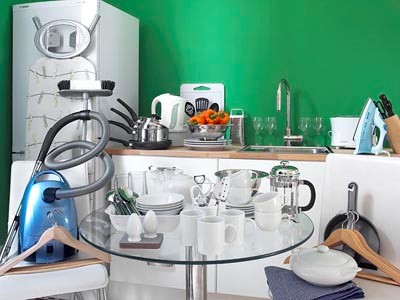
Range kitchenware is a broad category of tools and equipment used in cooking, food preparation, and serving within a kitchen setting. These items are essential for tasks ranging from chopping and cooking to baking and serving, enhancing cooking and food – related activities. From classic cookware like cast – iron pans and wooden utensils to modern appliances such as smart ovens and air fryers, range kitchenware has evolved significantly over time to meet the changing needs and preferences of consumers.
Brief History of Range Kitchenware
In ancient times, kitchenware was rudimentary, mainly consisting of clay pots, stone grinders, and basic cutting tools. With the development of metalworking techniques, copper, bronze, and iron began to be used in crafting kitchen utensils. The Industrial Revolution brought about mass production of kitchenware, making it more accessible and affordable. In recent decades, technological advancements and changing consumer lifestyles have led to the emergence of a wide variety of specialized and multifunctional range kitchenware.
Popularity of Range Kitchenware
Today, range kitchenware is popular for several reasons. Firstly, people’s growing interest in cooking and baking has driven the demand for high – quality, specialized kitchen tools. Secondly, the rise of food shows, cooking blogs, and social media platforms has exposed consumers to a wider range of kitchenware options, inspiring them to upgrade their kitchen collections. Lastly, the trend of home – based dining and entertaining has further fueled the popularity of range kitchenware.
Types of Range Kitchenware
There is a wide array of range kitchenware available to cater to different cooking needs and culinary preferences.
Cookware
Cookware refers to the pots and pans used for cooking food. It includes items such as frying pans, saucepans, stock pots, Dutch ovens, and woks. Different cookware materials offer varying cooking properties. For example, stainless steel cookware is durable and resistant to corrosion but may require a thicker base for even heat distribution. Non – stick cookware makes flipping and serving food easier. Cast – iron cookware excels at heat retention and even heating, making it ideal for slow – cooked dishes. Ceramic cookware is lightweight and has good heat – resistant properties.
Bakeware
Bakeware is specifically designed for baking. Common types include baking sheets, cake pans, muffin tins, pie dishes, and loaf pans. Bakeware materials affect the baking results. Glass bakeware allows for easy monitoring of food while baking and provides good heat conduction. Metal bakeware heats up quickly and is suitable for a variety of baked goods. Silicone bakeware is flexible, easy to clean, and ideal for certain delicate baked items.
Utensils
Utensils encompass a wide range of tools used for food preparation and serving. This includes knives, cutting boards, mixing bowls, spatulas, ladles, tongs, etc. High – quality knives are essential for precise cutting and chopping. Cutting boards made from wood, plastic, or bamboo offer different benefits. Mixing bowls come in various materials and sizes to meet different mixing needs. Other utensils like spatulas and ladles assist in stirring, flipping, and serving food.
Storage Containers
Storage containers help keep the kitchen organized and food fresh. They include airtight containers for holding grains, cereals, and snacks; refrigerator storage boxes for preserving leftover food; and specialized containers for storing spices, oils, and sauces. Well – designed storage containers not only prolong the shelf life of food but also make kitchen spaces more orderly.
Kitchen Gadgets
Kitchen gadgets are small, specialized tools that simplify specific cooking tasks. Examples are vegetable choppers, garlic presses, citrus juicers, herb graters, and pasta makers. While these gadgets may seem niche, they can significantly improve efficiency and convenience in the kitchen. For instance, a vegetable chopper can quickly and evenly chop vegetables, saving time and effort during food preparation.
Trends in Range Kitchenware
The range kitchenware market is constantly evolving, with several trends emerging in recent years.
Sustainable and Eco – Friendly Kitchenware
Consumers are increasingly seeking kitchenware made from recycled or sustainable materials. Products like bamboo utensils, recycled plastic containers, and eco – friendly cookware are gaining popularity. According to Real Simple, 80% of design professionals notice increased client demand for such products, with 95% incorporating recycled – material products into their projects.
Multifunctional and Space – Saving Solutions
Modern living spaces often require kitchenware that offers multiple functions and saves space. All – in – one kitchen appliances, such as combination air fryers and pressure cookers, have become indispensable cooking tools. They not only save time and energy but also reduce the amount of kitchen space needed. Additionally, innovative storage solutions like collapsible fruit baskets and stackable containers are emerging to help optimize kitchen storage.
Personalized and Customizable Kitchen Products
Consumers desire kitchen products that reflect their personal style and meet specific needs. This includes customizable kitchenware sets where users can choose colors, materials, and components. Personalized engraving services for utensils and cookware are also becoming popular, allowing individuals to create unique kitchen items.
Artisanal and Handcrafted Kitchenware
There is a resurgence of interest in artisanal and handcrafted kitchenware. Items like handmade ceramic tableware, forged iron utensils, and traditional wooden cutting boards are appealing due to their unique designs and storytelling qualities. These pieces add character and warmth to the kitchen, reflecting a appreciation for traditional craftsmanship.
Health – Conscious Kitchen Tools
With growing health awareness, kitchen tools that promote healthier cooking methods are in demand. For example, air fryers provide a low – fat cooking alternative, and pressure cookers help retain nutrients in food. Studies suggest that pressure cooking can preserve about 90 – 95% of food nutrients. The choice of cookware materials also affects nutrient retention, with titanium and enamel – coated pots showing superior performance in this regard.
How to Choose Range Kitchenware
Selecting suitable range kitchenware requires consideration of several factors.
Quality
Quality is crucial for range kitchenware. High – quality cookware should have even heat distribution and good heat retention. Utensils should be made of durable materials that resist wear and corrosion. Checking product reviews and ratings can help assess the quality of kitchenware.
Material
Different materials offer varying properties. For instance, stainless steel is durable and easy to clean but may be relatively heavy. Non – stick coatings make cooking and cleaning easier but may have usage temperature limitations. Cast – iron provides excellent heat retention but requires seasoning and special care. Consider your cooking habits and needs when choosing materials.
Functionality
Consider the specific functions of the kitchenware. If you frequently bake, invest in a good – quality set of bakeware. For those who enjoy entertaining, having a sufficient number of serving utensils and tableware is necessary. Multifunctional kitchen gadgets can help simplify cooking processes if you often prepare complex meals.
Design and Ergonomics
Ergonomic design enhances the usability of kitchenware. Utensils with comfortable handles reduce hand fatigue during use. Cookware with well – designed lids and handles is easier to maneuver. Additionally, aesthetically pleasing kitchenware can add to the visual appeal of your kitchen.
Brand and Price
Well – known brands often offer better quality assurance and after – sales services. However, brand – name products may come with higher price tags. When purchasing range kitchenware, balance brand and price based on your budget and requirements. Be cautious of overly cheap products, as they may compromise on quality.

Where to Buy Range Kitchenware
There are multiple channels for purchasing range kitchenware.
Online Retailers
Major e – commerce platforms like Amazon, IKEA, and specialty kitchenware websites such as Ellementry offer a wide selection of range kitchenware. These platforms provide detailed product descriptions, customer reviews, and convenient comparison – shopping features. They also frequently offer promotional deals. When buying online, pay attention to the seller’s credibility and product authenticity.
Physical Stores
Brick – and – mortar retailers such as Walmart, Target, and specialty kitchen stores allow you to inspect and try out products in person. You can assess the quality, design, and functionality of kitchenware firsthand and receive immediate recommendations from store staff. However, physical stores may have limited inventory and higher prices compared to online options.
Department Stores and Hypermarkets
Department stores and hypermarkets often have dedicated kitchenware sections that stock a variety of brands and products. They usually offer a mix of mid – to high – end kitchenware, suitable for consumers seeking quality and design. Shopping at these stores also provides the benefit of comparing multiple brands under one roof.
Maintenance of Range Kitchenware
Proper maintenance of range kitchenware extends its lifespan and ensures safe use.
Cleaning
Regular cleaning is essential for maintaining kitchenware. For cookware and bakeware, clean promptly after use to prevent food residue from hardening. Use appropriate cleaning agents and methods based on the material. For example, avoid using abrasive scrubbers on non – stick surfaces. Utensils should be rinsed and dried after use to prevent bacterial growth.
Storage
Store kitchenware properly to avoid damage and maintain hygiene. Keep sharp utensils like knives in designated storage blocks or drawers with protective covers. Stack cookware and bakeware neatly to prevent scratching or deformation. Store plastic containers away from heat sources to avoid deformation and the release of harmful substances.
Maintenance
Some kitchenware requires regular maintenance. For example, cast – iron cookware needs to be seasoned to prevent rusting. Wooden utensils should be oiled periodically to maintain their surface and prevent cracking. Check the condition of kitchenware regularly and repair or replace any damaged items promptly.
Conclusion
Range kitchenware is an indispensable part of kitchen life, offering diverse tools and equipment to meet various cooking and food – preparation needs. Whether you’re a home cook or a professional chef, choosing the right range kitchenware can enhance your culinary experience and improve efficiency. By staying updated on range kitchenware trends, considering quality, functionality, design, and other factors when selecting products, and properly maintaining them, you can create a well – equipped, convenient, and enjoyable kitchen environment.
How to Purchase:https://looperbuy.com/search?keywords=range+kitchenware
Q&A
Q1: What are the advantages of stainless steel cookware?
A1: Stainless steel cookware is durable, resistant to corrosion, and easy to clean. It is available in various styles and designs, suitable for different cooking needs. However, some stainless steel cookware may have poor heat conductivity, which can be improved by opting for models with thicker bases or clad construction.
Q2: How do I choose the right bakeware for baking cakes?
A2: When selecting bakeware for cake baking, consider the material, size, and shape. Materials like metal or glass are good choices as they conduct heat well. The size should match the quantity of batter to ensure even baking. Round cake pans are common, but other shapes like square or heart – shaped pans can be chosen based on your preference. Additionally, a non – stick coating can make cake removal easier.
Q3: What are the key points for maintaining wooden utensils?
A3: Wooden utensils should be washed with warm water and mild detergent after use, then thoroughly dried. Avoid prolonged soaking in water to prevent swelling or warping. Regularly apply food – safe oil, such as mineral oil or coconut oil, to the wooden surfaces to maintain their moisture and prevent cracking. Store them in a dry place to extend their lifespan.
Q4: What factors should I consider when purchasing an air fryer?
A4: When buying an air fryer, consider its capacity, power, and features. Choose a capacity based on your household size and usage frequency. Higher – power air fryers can cook food faster. Look for models with additional features like preset cooking modes, temperature control, and timer settings to meet your cooking needs. Also, consider the size and whether it fits your kitchen space.
Q5: How can I identify eco – friendly kitchenware?
A5: Eco – friendly kitchenware is typically made from sustainable materials such as bamboo, recycled plastic, or organic ceramics. Look for product labels or certifications indicating environmental friendliness, such as “BPA – free,” “recycled materials,” or “biodegradable.” Research the brand’s environmental policies and manufacturing processes to ensure they align with eco – friendly principles.