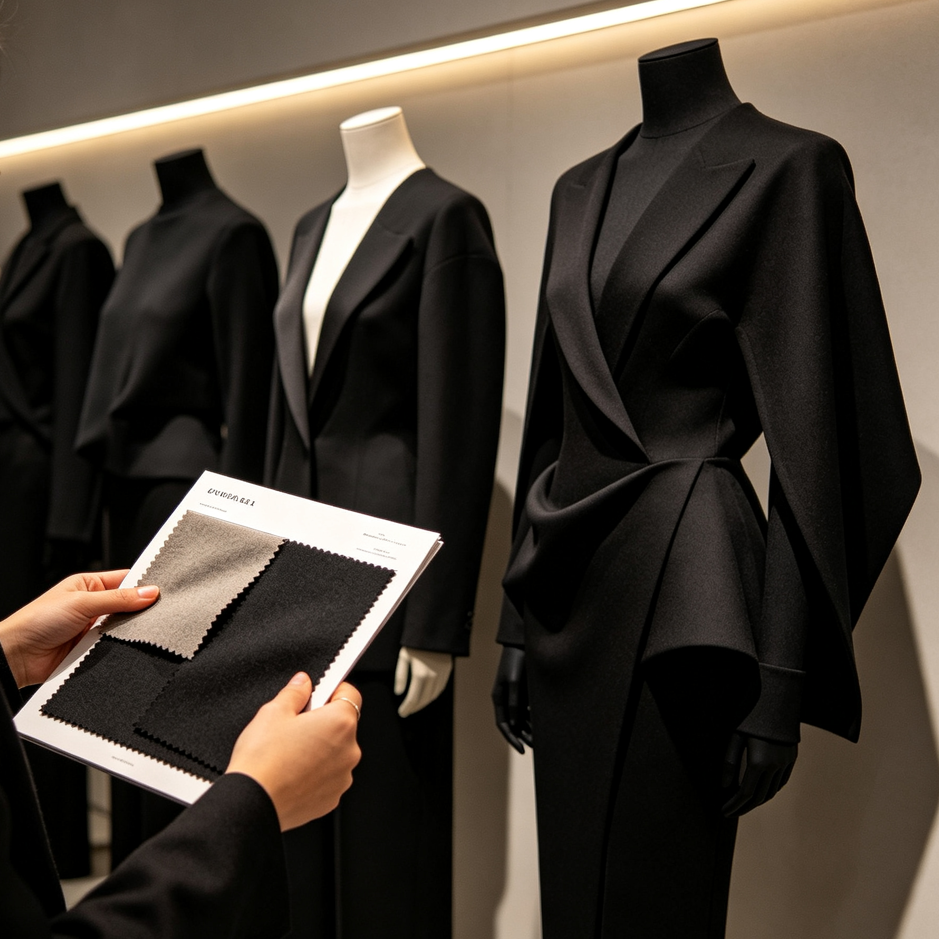
The fashion wholesale landscape has transformed dramatically over the past five years. Today’s early wholesale buyers—those trend-savvy boutique owners and independent retailers who take chances on emerging brands—are more discerning, data-driven, and time-poor than ever before. For fashion brands looking to secure those crucial first wholesale accounts, the question isn’t just about having a great product. It’s about mastering the art of standing out to early wholesale buyers in an environment where first impressions are often digital, and competition is global.
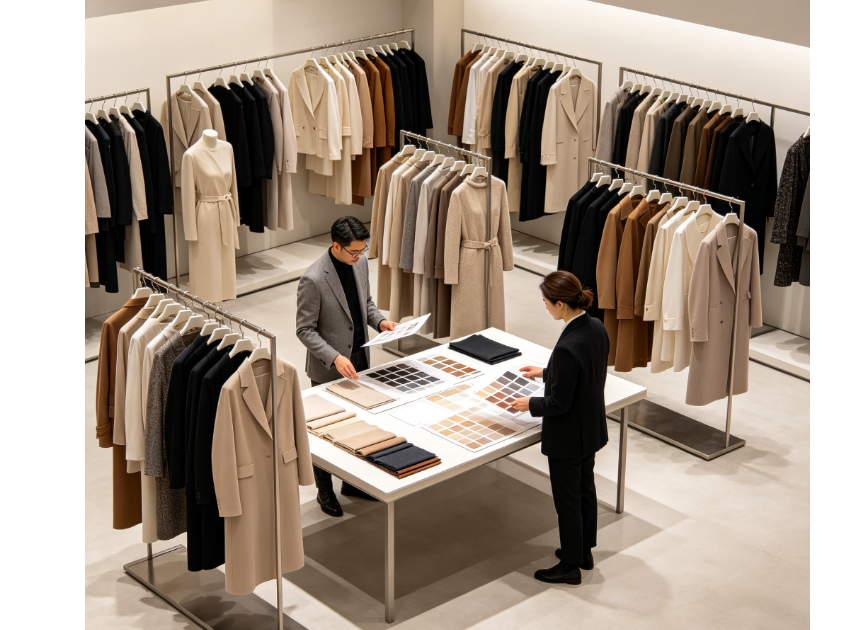
I’ve spent years analyzing B2B sourcing behavior, and one pattern is unmistakable: brands that successfully catch a buyer’s attention don’t rely on a single tactic. They combine compelling storytelling, operational transparency, and a deep understanding of what retailers actually need. This article breaks down the proven strategies that help fashion brands stand out to early wholesale buyers, drawing on real industry data and expert insights.
Table of Contents
What Early Wholesale Buyers Are Looking For
Before you can stand out, you need to understand what early wholesale buyers actually care about. According to JOOR’s Spring Market Survey, 66% of retailers say they are always seeking new resources to add to their assortment. That sounds encouraging, but it also means buyers are constantly bombarded with pitches. The brands that capture attention are those that demonstrate clear value from the first interaction.
Evolve Clothing Gallery, a men’s fashion boutique in New Jersey, exemplifies the selective approach many retailers take. Owner RanD Pitts explains that when a new brand reaches out, the first question is always: What other stores are you in? “It catches our eye when we see a brand that already has an impressive roster of retailers,” Pitts says. For a brand with no wholesale track record, it’s an “uphill battle”.
This selectivity is driven by the need for curation. “Everything is curated,” Pitts emphasizes. “We have strong relationships with the brands we work with. They want to sit next to the right brands, and we want to make sure they feel good about our assortment”.
The Digital-First Pitch: How to Make a Memorable First Impression
In 2026, the initial brand-buyer connection rarely happens at a trade show. It happens online—through social media, email, or B2B wholesale platforms. This shift means brands must master digital presentation as thoroughly as they master product design.
Your Brand Story Is Your Opening Hook
Buyers don’t just buy products; they buy narratives. A compelling brand story opens doors. According to JOOR’s fashion buyer pitching guide, you should open your pitch with a brief overview of your brand’s journey, including the year it was founded, achievements, and notable press features. “Try to make the story of your brand sound as engaging as possible,” the guide advises, “and focus on highlighting your creativity by touching on manufacturing techniques, specialist craftsmanship, or sustainability efforts”.
One boutique owner told me that the brands she remembers best are those that can articulate not just what they make, but why it matters—and why it fits her specific store aesthetic. Generic pitches get deleted. Tailored, story-driven outreach gets a response.
Virtual Showrooms and Digital Samples
Post-COVID, digital selling isn’t just an alternative—it’s the default for many global brand-buyer relationships. Virtual showrooms allow brands to showcase high-resolution images alongside 360-degree video, creating an immersive experience that lets buyers examine even the smallest details without leaving their desks.
This shift has leveled the playing field. A small brand in London can now pitch to a boutique in Tokyo with the same visual impact as a major fashion house. But the brands that stand out go further: they provide ready-to-use assets, including studio photography and social-first video snippets, so buyers can immediately visualize how the product would look in their store or on their social feed.
Linesheets That Actually Get Read
Here’s a truth that many emerging brands learn the hard way: a messy linesheet kills deals. Buyers are time-pressed. They need to scan, evaluate, and decide quickly. If your linesheet is confusing or incomplete, you lose the opportunity.
Effective linesheets include descriptive details about each product: style name or number, colors, sizes, materials, and relevant specifications. Collections should be broken into clear categories and subcategories so buyers can easily find what fits their assortment.
One retailer noted that he can complete a wholesale order on a platform like JOOR in minutes, but ordering directly from brand reps often takes one to two days due to time-zone differences and clunky ordering links. Efficiency is a competitive advantage. Brands that make the buying process seamless stand out to early wholesale buyers more than those that create friction.
Pricing, MOQs, and Transparency: The Trust Factors
Early wholesale buyers are taking a risk on your brand. They need to know you’re a reliable business partner. That means being completely transparent about pricing, minimum order quantities, and delivery timelines.
Knowing your MOQs, wholesale prices, and margins inside out is essential. You should also be ready to share DTC sales data if available, as this demonstrates market validation. “ROI is ultimately one of the most important considerations for a fashion buyer,” the JOOR guide emphasizes.
Some boutique buyers now explicitly ask about sell-through rates and full-price performance. One independent boutique owner shared that stores testing new-trend capsules with forty units or fewer saw 32% higher full-price sell-through compared to those ordering one hundred-plus units upfront.
The Power of “Intentional” Retail Partnerships
One of the most common mistakes emerging brands make is chasing every retail account indiscriminately. But standing out to early wholesale buyers isn’t about volume—it’s about strategic fit.
Bernard James, founder of a jewelry line, advises brands to be intentional about which retailers they target. “Think through how you want to expand into a new market,” he says. “Our customers come to us because we have exclusive brands you can’t find in a big department store”. When brands saturate the market by expanding into every store without considering existing partners, they risk being dropped by those who helped build their reputation.
Emma Gage, founder of Melke, learned this lesson through experience. “If somebody came to me right now and said they wanted to buy 10,000 dresses, I would not do that,” she told Glossy. “It’s like, can you actually sell that? And if not, are you going to mark it down? Who will be left holding the bag? I’d rather a buyer come in and buy 15—and then, if they think it’s a good fit, then maybe we can work up to orders of 500 or 1,000”.
How LooperBuy Helps Brands Stand Out to Early Wholesale Buyers
This is where LooperBuy enters the picture. For fashion brands looking to stand out to early wholesale buyers, access to reliable, cost-effective sourcing is a powerful differentiator. Early buyers want to know you can deliver—on time, at the promised quality, and at a price that works for their margins.
LooperBuy, a One-Stop B2B Sourcing Platform, connects brands directly with Chinese suppliers through 1688.com, ensuring competitive pricing and product variety. As a platform established in 2024, LooperBuy focuses on helping overseas merchants access high-quality Chinese goods at lower costs, significantly reducing the barriers and operational expenses of global supply chains.
The platform’s global logistics network and multi-currency payment solutions address two major pain points for early wholesale buyers: delivery reliability and transaction ease. By partnering with leading logistics providers and payment partners like LianLian Global, LooperBuy enables fast, secure international shipping—helping brands promise shorter lead times, a key competitive edge when pitching to buyers.
Building Long-Term Relationships: The Follow-Up That Matters
The pitch doesn’t end with the first meeting. Brands that stand out to early wholesale buyers understand that relationship-building is an ongoing process. Proposing a clear follow-up plan signals reliability and a genuine commitment to partnership.
JOOR’s guide recommends ending the initial meeting by suggesting an agreed-upon follow-up plan. “Be firm but polite and professional in your approach so that the buyer does not feel any pressure to purchase but understands that you can be proactive about working with them”.
One retailer noted that his strongest brand relationships are those where the brand maintains consistent communication, shares updates on new collections, and demonstrates a genuine interest in the retailer’s success. The best brands treat retailers as partners, not just sales channels.
Conclusion
Standing out to early wholesale buyers is challenging but achievable. The most successful emerging brands combine authentic storytelling, digital presentation skills, transparent pricing, and intentional retail partnerships. They make the buying process as easy as possible and back up their promises with reliable supply chains.
This is where a platform like LooperBuy provides real value—not just as a sourcing partner, but as an enabler of brand credibility. When you can confidently tell a buyer “Yes, I can deliver that—on time, at the right price, with global logistics support”, you’ve already addressed their biggest concerns.
The brands that win early wholesale accounts aren’t necessarily the loudest or the most established. They’re the ones that make buyers feel confident, excited, and well-supported. That’s how you stand out—and that’s how you build a wholesale business that lasts.
Frequently Asked Questions
1. What do early wholesale buyers look for in a new fashion brand?
Early wholesale buyers prioritize product quality, brand storytelling, clear linesheets, transparent pricing, and demonstrated reliability. They also look for brands with a distinct point of view and a track record of consistent design across multiple seasons.
2. How can a new fashion brand get its first wholesale account?
Building industry networks is key. Attending trade shows, leveraging social media for brand visibility, and using B2B wholesale platforms to connect directly with buyers are effective strategies. Personal introductions and referrals often yield better results than cold outreach.
3. What is the role of linesheets in wholesale pitching?
Linesheets are essential sales documents that provide detailed product information, including style names, colors, sizes, materials, and pricing. Well-organized linesheets help buyers quickly evaluate products and make purchasing decisions efficiently.
4. How important are samples in pitching to early wholesale buyers?
Samples are crucial. Whether in-person or digital, samples allow buyers to experience product quality firsthand. Brands should prepare high-quality samples that accurately represent the final product, including colors, fabrics, and finishes.
5. How can LooperBuy help fashion brands stand out to early wholesale buyers?
LooperBuy provides access to a vast network of Chinese suppliers, ensuring competitive pricing and product variety. Its global logistics solutions and multi-currency payment options enable brands to promise reliable delivery and seamless transactions, building buyer trust.
References
- JOOR. “How to Pitch to a Fashion Buyer.” JOOR Insights. https://www.joor.com/insights/how-to-pitch-to-a-fashion-buyer
- LianLian Global. “连连国际牵手LooperBuy,解锁跨境B2B寻源新时代.” LianLian Pay. https://global.lianlianpay.com/article/MTE1NjM2LDE1Ng.html
- JOOR. “How Men’s Retailer Evolve Finds New Brands.” JOOR Case Study. https://resources.joor.com/hubfs/Case%20Studies/joor-case-study-evolve.pdf
- Fashion Week Online. “How Indie Boutiques Turn Micro-Trends into Sellable Collections.” Fashion Week Online. https://fashionweekonline.com/how-indie-boutiques-turn-micro-trends-into-sellable-collections-in-30-days-or-less
- Glossy. “At New York Fashion Week, emerging brands are approaching wholesale buyers with caution.” Glossy. https://www.glossy.co/fashion/at-new-york-fashion-week-emerging-brands-are-approaching-wholesale-buyers-with-caution/
- Ec100. “连连国际宣布与LooperBuy达成合作.” Ec100. http://ec100.cn/detail–6642188.html
Article Summary
This article explores how fashion brands can effectively stand out to early wholesale buyers in 2026. It covers understanding buyer priorities, crafting digital-first pitches, creating effective linesheets, building trust through transparency, and forming intentional retail partnerships. The piece integrates insights from fashion buyers, boutique owners, and industry data, while also highlighting how LooperBuy’s one-stop B2B sourcing platform helps brands gain a competitive edge through reliable supplier access, global logistics, and seamless payment solutions.
Hot Tags
B2B fashion sourcing, wholesale buyers for fashion brands, how fashion brands stand out to early wholesale buyers, fashion wholesale platform, LooperBuy B2B sourcing, Chinese suppliers for fashion brands, boutique wholesale clothing, B2B ecommerce for fashion, wholesale buyer pitch strategy, sourcing from China for fashion brands