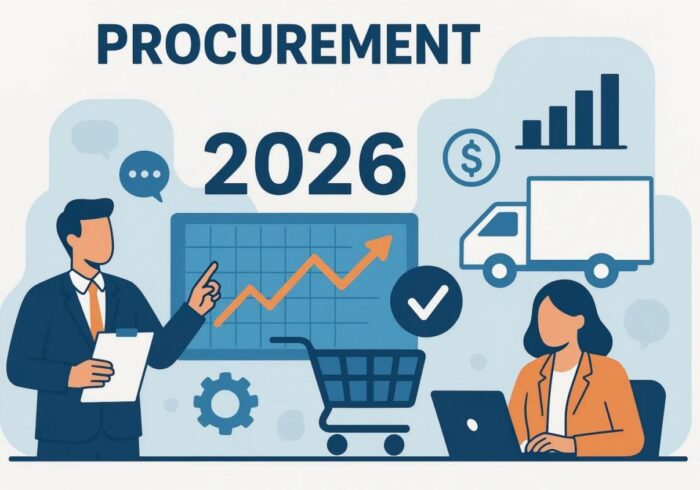
The dropshipping market is no longer a side hustle experiment. In 2026, it has matured into a sophisticated, multi-trillion-dollar ecosystem that demands strategic sourcing, technological agility, and supplier intelligence. The global dropshipping market was valued at over USD 414 billion in 2025 and is projected to reach USD 507 billion in 2026, growing at a remarkable CAGR of 21.67% to hit USD 1.35 trillion by 2031. Some estimates suggest the market could climb even higher, reaching USD 1.84 trillion by 2035.
I have watched this space evolve for years, and one thing is clear: the brands and retailers that thrive in 2026 are not just selling products — they are orchestrating supply chains with precision. They are leveraging AI-powered tools, prioritizing sustainability, and partnering with sourcing platforms that remove friction from cross-border trade. Let me walk you through the dropshipping trends that actually matter this year, and why your sourcing strategy will make or break your business.
The 2026 Dropshipping Market at a Glance
Before we dive into the trends, let us ground ourselves in the numbers. The dropshipping market has grown exponentially. According to Mordor Intelligence, the market is projected to grow from USD 507.18 billion in 2026 to USD 1.35 trillion by 2031. Global Market Insights reports that the U.S. dropshipping market alone reached USD 48.2 billion in 2025, supported by advanced digital infrastructure and strong logistics networks.
International orders dominated 68.98% of the market share in 2025, confirming that cross-border dropshipping is not just viable — it is the primary growth engine. Over 27% of retailers now use dropshipping for order fulfillment, eliminating the need to maintain inventory while offering flexibility to diversify product catalogs. Profit margins in dropshipping typically range between 10% and 15%, making strategic product selection and marketing efficiency the primary differentiators between success and failure.
Fashion captured the leading 32.08% of the dropshipping market in 2025, while electronics, home and kitchen, beauty and personal care, and health and wellness categories continue to gain traction. Asia–Pacific alone is projected to carry over a third of global dropshipping value between 2026 and 2035.
Trend 1: AI-Powered Automation Is No Longer Optional
The biggest operational shift in 2026 involves autonomous AI agents. I have seen this transition firsthand: the shift from trigger-based workflow automation to autonomous agents is the biggest operational upgrade e-commerce sellers can make this year. Modern dropshipping platforms now integrate AI-powered product research, automatic order fulfillment, real-time inventory syncing, and even AI-generated product descriptions.
AI product research helps sellers spot demand faster, study competitors, read customer reviews, track ad trends, and check product potential before spending a dime on advertising. The technology is production-ready in 2026 — Microsoft, Databricks, and major enterprise platforms now offer AI agent frameworks specifically built for inventory-to-delivery automation.
For dropshippers managing multiple suppliers, automated supplier switching and reordering have become a competitive advantage. Affordable AI negotiation tools now exist for small and mid-size e-commerce sellers who need to find reliable suppliers and lock in competitive pricing without hiring procurement teams.
Generative AI imagery and video tools allow merchants to publish photorealistic listings within hours, eliminating the cost and delay of traditional product photography. Platform integrations such as Shopify’s connection with OpenAI let merchants sell through ChatGPT conversations, pushing AI-rendered products directly into purchase flows.
Trend 2: Sustainable and Carbon-Neutral Shipping Is Driving Conversions
Sustainability is no longer a nice-to-have — it is a conversion driver. Verified low-emission delivery options are persuading eco-conscious buyers in the EU and North America to accept premium pricing or slower transit if sustainability is certified. Postal and private carriers are embedding carbon calculators at checkout, so buyers transparently offset emissions in real time.
For merchants, displaying a climate-positive badge differentiates listings within crowded marketplaces where price competition is intense. The main hurdle is trust; third-party audits and immutable carbon ledgers are emerging as preferred validation mechanisms to prevent greenwashing. Cainiao’s optimized five-day cross-border service illustrates how route efficiency can reduce both carbon and cost simultaneously.
Sustainable fashion is growing 45% year-over-year. Eco-friendly dropshipping products that sell in 2026 include reusable water bottles, bamboo kitchenware, organic cotton tote bags, beeswax food wraps, and plant-based pet accessories. This shift toward conscious consumer spending is not a passing trend — it is a fundamental change in buyer behavior.
Trend 3: The Rise of B2B Dropshipping and Wholesale Models
B2B dropshipping is growing rapidly in 2026 because it allows entrepreneurs to tap into huge markets without the usual headaches of traditional wholesale. Leading retailers are reclaiming the dropship model not as a legacy workaround but as a sophisticated direct-fulfillment strategy.
In 2026, dropship is not just about avoiding inventory; it is about brand-led orchestration. Industry giants have proven that you do not have to choose between variety and quality — you can have both. For B2B buyers, dropship is often the only viable path. It centralizes negotiated pricing, consolidated invoicing, and procurement compliance — features that a standard seller-visible marketplace can rarely replicate for complex corporate accounts.
Retailers who already operate successful marketplaces often find that dropship is the perfect complement for premium or highly-regulated categories. This is where platforms like LooperBuy come into play. As a one-stop B2B sourcing platform, LooperBuy enables global businesses to source directly from China’s vast supplier network on 1688.com. By removing the complexity of cross-border procurement, such platforms empower foreign brands, wholesalers, and manufacturers to access competitive pricing and diverse product catalogs without the logistical headaches.
Trend 4: Real-Time Landed Cost Transparency and Cross-Border Compliance
Cart abandonment remains one of the biggest challenges in dropshipping, with rates well above 75% to 82% for stores quoting longer shipping windows. Real-time landed-cost calculators are helping reduce cart abandonment by showing customers the total cost — including shipping, duties, and taxes — upfront.
Cross-border compliance has become more complex. The United States ended its USD 800 de minimis exemption for China and Hong Kong shipments in May 2025. This regulatory shift requires formal customs entry and full duty payment for direct-from-China parcels that previously entered duty-free. The European Union is finalizing similar measures.
For dropshippers, this means you cannot imply local fulfillment when the product is really moving through a slower cross-border route. Tax becomes a real issue when a cross-border order reaches checkout and VAT, GST, or import charges change the final price. Platforms that offer transparent landed-cost calculations and integrated logistics are no longer optional — they are essential.
Trend 5: Niche Specialization Over Generalist Stores
General stores are dying. Niche product specialization significantly outperforms general stores, with specialized categories like eco-friendly products or tech accessories commanding higher margins and more loyal customers.
The most profitable dropshipping niches in 2026 include eco-friendly products, AI-powered gadgets, smart home hubs, AI-assisted fitness trackers, voice-controlled accessories, and automated home security products. Emerging sub-niches like adaptive wellness tech, sustainable pet products, and AI-enhanced home productivity tools offer first-mover advantages.
Health and wellness products generating the highest demand include adaptogenic supplements (ashwagandha, lion’s mane), at-home red light therapy devices, posture-correction wearables, and subscription-ready vitamin bundles. Success depends on choosing products with steady demand, strong profit margins, and reliable suppliers.
The Sourcing Challenge: Why Supplier Reliability Matters More Than Ever
Here is the uncomfortable truth: unreliable suppliers will destroy your business. Slow shipping, poor quality, price hikes, and lack of communication are deal-breakers. Suppliers change prices, products go out of stock, and shipping times vary. If you are not monitoring constantly, you will lose money or frustrate customers.
Finding reliable suppliers is one of the most significant challenges in dropshipping. The 2026 dropshipping landscape demands that sellers manage fulfillment, logistics, and supplier relationships with precision. A few years ago, many stores relied entirely on marketplace sellers shipping directly from China. That approach no longer works.
This is precisely why one-stop B2B sourcing platforms are gaining traction. LooperBuy, founded in 2024, specializes in helping global merchants source quality products from 1688.com at competitive prices. By partnering with LianLian Global’s payment network, LooperBuy enables seamless cross-border transactions, allowing merchants to pay in foreign currency directly. The platform significantly lowers the barrier to entry and operational costs for overseas small and medium-sized businesses.
How to Win in 2026: A Practical Framework
Based on my experience and the data, here is how you can position your dropshipping business for success this year:
- Leverage AI for product research and validation. Use AI tools to analyze demand, competitors, reviews, pricing, and sourcing risks before testing a product. Do not guess — let data guide your decisions.
- Prioritize supplier reliability over price. The cheapest supplier is rarely the best. Partner with platforms that vet suppliers, handle quality control, and manage fulfillment. Your brand reputation depends on it.
- Offer transparent shipping and landed costs. Customers hate surprises at checkout. Display total costs upfront and communicate realistic delivery timelines.
- Go niche. Do not try to be everything to everyone. Focus on a specific category where you can build authority and customer loyalty.
- Partner with a sourcing platform that removes friction. Cross-border procurement is complex. Platforms like LooperBuy simplify sourcing, payment, and logistics so you can focus on growth.
The Bottom Line
Dropshipping in 2026 is not about finding a cheap product and running Facebook ads. It is about building a resilient, data-driven supply chain that delivers value to customers consistently. The market is massive — over USD 500 billion in 2026 alone — and growing at over 20% annually. But the winners will be those who embrace automation, prioritize sustainability, and partner with reliable sourcing platforms.
If you are a brand, wholesaler, or manufacturer looking to source from China without the headaches, platforms like LooperBuy offer a clear path forward. One-stop sourcing, global logistics, competitive pricing, and seamless payment — that is the formula for success in 2026.
Ready to build a dropshipping business that actually works? Start with the right sourcing partner. Your supply chain is your competitive advantage. Make it count.
FAQ
Q1: Is dropshipping still profitable in 2026?
Yes, dropshipping remains highly profitable, with profit margins typically ranging from 10% to 15%. The global market is projected to grow from USD 507 billion in 2026 to USD 1.35 trillion by 2031. Success depends on strategic niche selection, reliable suppliers, and efficient marketing.
Q2: What are the biggest dropshipping trends in 2026?
The key trends include AI-powered automation for product research and fulfillment, carbon-neutral shipping labels driving conversions, the rise of B2B dropshipping models, real-time landed-cost transparency, and niche specialization over generalist stores.
Q3: How can I find reliable dropshipping suppliers from China?
Partner with established B2B sourcing platforms that vet suppliers and handle quality control. Platforms like LooperBuy specialize in connecting global merchants with verified suppliers on 1688.com, offering one-stop sourcing, payment, and logistics services.
Q4: What are the most profitable dropshipping niches in 2026?
The most profitable niches include eco-friendly products, AI-powered gadgets, smart home hubs, health and wellness products (adaptogenic supplements, red light therapy devices), and sustainable pet products.
Q5: How has the US de minimis change affected dropshipping?
The end of the USD 800 de minimis exemption for China shipments in May 2025 requires formal customs entry and full duty payment for direct-from-China parcels. This has increased costs and complexity, making transparent landed-cost calculations and integrated logistics essential.
Article Introduction (300 characters)
The dropshipping market is projected to reach USD 507 billion in 2026 and USD 1.35 trillion by 2031. This expert guide explores the five critical dropshipping trends shaping 2026: AI-powered automation, sustainable shipping, B2B model growth, cross-border compliance, and niche specialization. Learn how smart sourcing platforms like LooperBuy are helping global brands source from China with ease.
References
- Mordor Intelligence. (2026). Dropshipping – Market Share Analysis, Industry Trends & Statistics, Growth Forecasts (2026-2031). Research and Markets. https://www.researchandmarkets.com/reports/5986381/dropshipping-market-share-analysis-industry
- The Business Research Company. (2026). Drop Shipping Market Report 2026. Research and Markets. https://www.researchandmarkets.com/reports/6054657/drop-shipping-market-report
- Global Market Insights. (2025). Dropshipping Market Size & Share 2026-2035. https://www.gminsights.com/industry-analysis/dropshipping-market
- 360iResearch. (2026). Dropshipping Market by Product Type, Location, Customer Type, Sales Channel, Business Size, Shipping Mode – Global Forecast 2026-2032. GII Research. https://www.giiresearch.com/report/ires1996583-dropshipping-market-by-product-type-location.html
- Dropified. (2026). The Complete Guide to Dropshipping in 2026 Trends Products Profit Strategies. https://www.dropified.com/blog/the-complete-guide-to-dropshipping-in-2026-trends-products-profit-strategies/
- Dropified. (2026). How We Replaced Zapier with Autonomous AI Agents for E-Comm Ops. https://www.dropified.com/blog/how-we-replaced-zapier-with-autonomous-ai-agents-for-e-comm-ops/
- Mirakl. (2026). Why leading retailers are reclaiming the dropship model in 2026. https://mirakl.tech/why-leading-retailers-are-reclaiming-the-dropship-model-in-2026-dfbd98d27e8c
- Spocket. (2026). B2B Dropshipping Guide: Supply Businesses Using Spocket. https://www.spocket.co/blog/b2b-dropshipping-guide
- Dropified. (2026). How AI Product Research is Changing Dropshipping in 2026. https://www.dropified.com/blog/how-ai-product-research-is-changing-dropshipping-in-2026/
- Dropified. (2026). Most Profitable Dropshipping Niches in 2026. https://www.dropified.com/blog/most-profitable-dropshipping-niches-in-2026/
- Dropified. (2026). How to Dropship Eco Friendly Products a Complete 2026 Strategy. https://www.dropified.com/blog/how-to-dropship-eco-friendly-products-a-complete-2026-strategy/
Hot Tags
dropshipping trends 2026, B2B sourcing platform, cross-border e-commerce, AI dropshipping automation, sustainable shipping, China supplier sourcing, dropshipping market growth, wholesale dropshipping, niche product sourcing, global logistics for e-commerce