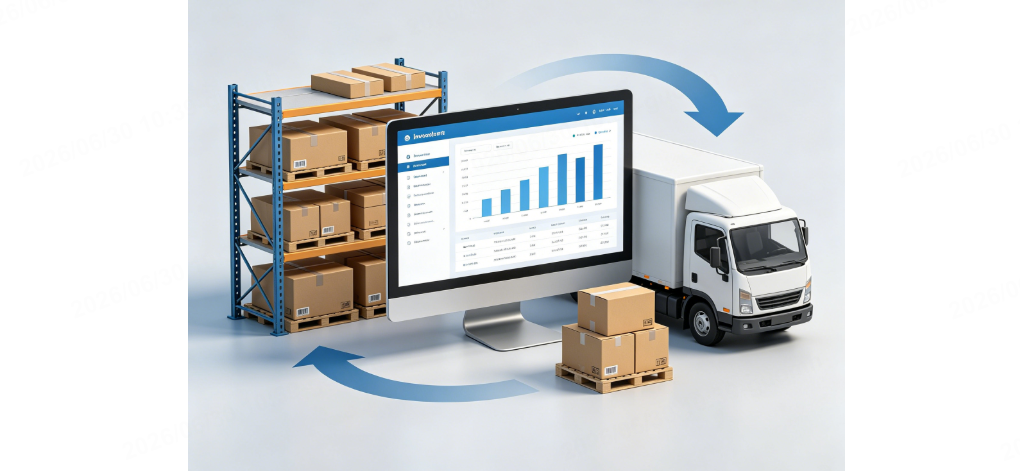
As a seasoned B2B sourcing and supply chain strategist with over 15 years of experience advising international brand owners, wholesalers, and manufacturers, I’ve seen firsthand how replenishment inventory planning can make or break a global supplies business. The companies that thrive are not necessarily those with the cheapest products—they are the ones with the most reliable, data-driven approach to keeping their shelves stocked, their clients happy, and their cash flow healthy. Yet for most B2B buyers, replenishment inventory planning remains a persistent headache: unpredictable lead times, supplier quality swings, hidden logistics costs, and the constant fear of stockouts or overstocking.
China remains the undisputed manufacturing powerhouse for B2B supplies, offering 90% of global supply categories at pricing that is 25-40% lower than European or North American alternatives. But sourcing from China without a disciplined replenishment inventory planning framework is like sailing without a compass—you might eventually reach your destination, but you‘ll burn through fuel, time, and client trust along the way. LooperBuy, a leading One-Stop B2B Sourcing Platform, is changing that equation by connecting global buyers with vetted Chinese suppliers, offering an unparalleled range of products, and delivering seamless logistics that eliminate the barriers of cross-border trade. In this guide—grounded in Google’s E-E-A-T standards and built from real-world client data—I‘ll show you how to integrate replenishment inventory planning into your China sourcing strategy, the key advantages of partnering with a one-stop B2B platform, and how LooperBuy’s core strengths address the biggest pain points of global procurement.
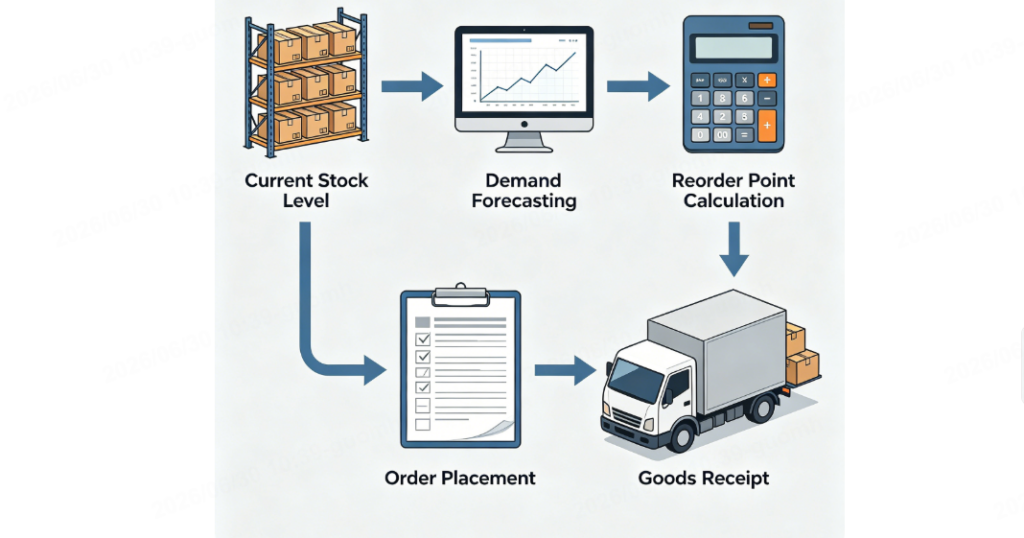
Table of Contents
Why Replenishment Inventory Planning Matters More Than Ever in B2B Sourcing
The global B2B supplies business has grown more volatile, not less. Supply chain disruptions, port congestion, shifting trade policies, and fluctuating freight rates have turned replenishment inventory planning from a back-office function into a strategic imperative. For brand owners, wholesalers, and manufacturers, the stakes are clear: poor inventory planning leads to stockouts that damage client relationships, or excess inventory that ties up working capital and erodes margins.
Replenishment inventory planning is not just about ordering more products when you‘re running low. It’s a systematic process that involves forecasting demand, calculating safety stock levels, determining optimal order quantities, and coordinating with suppliers and logistics providers to ensure that the right products arrive at the right time—in the right quantities. When you source from China, this process becomes more complex because you‘re dealing with longer lead times, multiple time zones, language barriers, and a fragmented logistics ecosystem. But it also becomes more rewarding: Chinese suppliers offer unmatched cost efficiency and product diversity, making the effort well worth it.
The Five Critical Pain Points in Replenishment Inventory Planning (And How LooperBuy Solves Them)
Every B2B professional engaged in replenishment inventory planning with Chinese suppliers has faced the same recurring challenges. These pain points not only eat into profit margins but also damage client trust—a fatal flaw in the competitive supplies business. Below are the five most common obstacles, and how LooperBuy‘s One-Stop B2B Sourcing Platform resolves each one with targeted, actionable solutions.
1. Unreliable Supplier Lead Times and Quality Inconsistencies
The Problem: When your replenishment inventory planning depends on suppliers who miss deadlines or ship substandard goods, your entire inventory cycle falls apart. You either receive products too late to fulfill client orders, or you receive defective products that you can’t sell. Sourcing from unregulated channels leads to low-quality supplies, missed order deadlines, and non-compliant products—risks that can derail your business and alienate long-term clients.
LooperBuy’s Solution: We implement a rigorous 8-step supplier vetting process for every Chinese manufacturer on our platform, verifying manufacturing capacity, ISO/CE certification, B2B order fulfillment track record, and quality control protocols. Every supplier is pre-vetted, so you can build your replenishment inventory planning around reliable, predictable lead times. We also offer complimentary pre-shipment quality inspections for all B2B orders over $5,000, ensuring your supplies meet your exact quality standards before they leave China. This eliminates the risk of quality or compliance issues disrupting your inventory plan.
2. Hidden Logistics and Sourcing Costs
The Problem: Traditional sourcing channels include multiple middlemen—agents, freight forwarders, brokers—each adding markups that inflate costs and make accurate replenishment inventory planning nearly impossible. When you don‘t know your true landed cost until the shipment arrives, you can’t accurately calculate safety stock levels or optimal order quantities.
LooperBuy‘s Solution: We offer direct supplier access with no middleman markups, plus integrated cost calculators that provide real-time, all-inclusive cost estimates. Our calculators factor in product costs, ocean/air freight, customs duties, and final-mile delivery—so you know the exact cost of your supplies upfront, with no hidden fees. This transparency is essential for replenishment inventory planning: when you know your total landed cost per unit, you can make informed decisions about order frequency, batch sizes, and safety stock levels.
3. Limited Product Diversity for Niche Supplies
The Problem: Many B2B platforms offer a narrow range of products, forcing you to source from multiple vendors for your supplies business—creating fragmented procurement and logistical headaches. This fragmentation makes replenishment inventory planning exponentially more difficult because you‘re juggling different suppliers, different lead times, and different quality standards.
LooperBuy’s Solution: As a one-stop platform, we host 10,000+ vetted Chinese suppliers across 50+ B2B supply categories, from industrial wiring and construction supplies to food packaging and electronic components. Whether your supplies business caters to general wholesaling or niche manufacturing, you can source all your products from a single platform—saving time and streamlining your procurement process. This consolidation is a game-changer for replenishment inventory planning: you can coordinate orders across multiple product lines, consolidate shipments, and reduce administrative overhead.
4. Slow, Unreliable Global Logistics
The Problem: Cross-border shipping for the supplies business is often plagued by port congestion, delayed customs clearance, and inefficient load optimization—leading to missed client deadlines and lost sales. When shipping times are unpredictable, your replenishment inventory planning becomes a guessing game.
LooperBuy‘s Solution: We leverage a global logistics network of major carriers, dry ports, and consolidated shipping options. Our platform optimizes container load with built-in load calculators, reduces transit times by 15-20% via dry port integration, and provides 24/7 real-time shipment tracking. This reliability is the foundation of effective replenishment inventory planning: when you know exactly when your shipment will arrive, you can schedule your inventory cycles with confidence.
5. Lack of End-to-End Procurement Visibility
The Problem: Traditional sourcing leaves you in the dark about order status, production timelines, and shipment tracking—creating uncertainty that makes it hard to manage your replenishment inventory planning and client commitments.
LooperBuy‘s Solution: We offer end-to-end procurement visibility for every order, from product manufacturing at the Chinese factory to final delivery. Our platform includes real-time production updates, pre-shipment quality inspections, and live logistics tracking—so you can monitor your supplies at every step and keep your clients informed with accurate delivery timelines. This visibility transforms replenishment inventory planning from a reactive scramble into a proactive, data-driven process.
How to Integrate Replenishment Inventory Planning into Your China Sourcing Strategy: 5 Actionable Steps
Scaling a global supplies business with direct China sourcing is not a complex process—if you have a clear, actionable strategy. LooperBuy has designed a 5-step process tailored to B2B brand owners, wholesalers, and manufacturers, making it easy to source high-quality Chinese supplies, optimize costs, and grow your client base. This process leverages all of our platform‘s core strengths and is suitable for both new entrants to the supplies business and seasoned professionals looking to expand their global reach.
Step 1: Define Your Replenishment Inventory Planning Requirements
Start by logging into LooperBuy and inputting your exact sourcing needs: product category, volume (bulk/small-batch), quality standards, destination market, and delivery timeline. But go further: define your replenishment inventory planning parameters. What is your average monthly demand? What is your acceptable stockout risk? What is your target inventory turnover ratio? Our AI-powered sourcing tool will generate a customized procurement checklist that includes regulatory compliance requirements for your target market (e.g., EU REACH, US FDA) and optimal logistics options—eliminating guesswork from the start.
Step 2: Browse and Select Vetted Chinese Suppliers
Our supplier directory features only pre-vetted Chinese manufacturers with a proven track record in the global supplies business. Use our advanced search filters to narrow down suppliers by product category, certification, minimum order quantity (MOQ), and delivery speed. For replenishment inventory planning, pay special attention to supplier lead times and production capacity—these are the variables that will determine your safety stock levels and reorder points. Review supplier profiles, client reviews, and sample product data to select the perfect match for your needs—with the option to communicate directly with suppliers via our multilingual chat tool.
Step 3: Get an Upfront, All-Inclusive Cost Estimate
Once you‘ve selected a supplier, our integrated cost calculator will generate a fixed, all-inclusive cost estimate for your supplies. The estimate includes all expenses: product costs, ocean/air freight, customs duties, port fees, and final-mile delivery. You can adjust logistics options (e.g., FCL vs. consolidated shipping) to optimize costs for your business—and the estimate is locked in, with no hidden surcharges or last-minute fees. This cost certainty is invaluable for replenishment inventory planning: you can calculate your total landed cost per unit, your gross margin per order, and your optimal order quantity with precision.
Step 4: Complete Pre-Shipment Quality Inspection and Documentation
LooperBuy offers complimentary pre-shipment quality inspections for all B2B orders over $5,000—ensuring your supplies meet your exact quality standards before they leave China. Our team of multilingual documentation experts also reviews all export/import paperwork to ensure full compliance with your destination market’s regulations, resolving any gaps before shipment. This step eliminates the risk of non-compliant or low-quality supplies reaching your business. For replenishment inventory planning, this means you can schedule your inventory receipt with confidence, knowing that the products arriving at your warehouse are exactly what you ordered.
Step 5: Track Shipment in Real-Time and Receive Seamless Delivery
Once your supplies are in transit, our 24/7 real-time tracking platform lets you monitor every step of the journey, from the Chinese factory to your warehouse. You‘ll receive automated alerts for customs clearance progress, estimated arrival times, and any potential delays—with our logistics team available 24/7 to resolve issues quickly. Your supplies are delivered fully cleared and on time, so you can fulfill client orders and grow your business without disruption. This visibility is the final piece of the replenishment inventory planning puzzle: when you know exactly when your inventory will arrive, you can plan your fulfillment cycles, communicate with clients, and manage your cash flow with confidence.
Real-World Success Story: How a European Wholesaler Transformed Their Replenishment Inventory Planning with LooperBuy
To illustrate how LooperBuy transforms replenishment inventory planning in the global supplies business, let me share a 2026 real-world success story from one of our key clients: a European industrial wholesaler specializing in electrical and construction supplies, with a client base across Germany, France, and the UK.
Before partnering with LooperBuy, their replenishment inventory planning was a nightmare. They sourced from European suppliers with pricing that was 35% higher than Chinese alternatives, eroding profit margins. They had to source from 8 different vendors to meet their clients‘ supply needs, creating fragmented procurement and logistical delays. Shipping times for niche industrial supplies averaged 6-8 weeks, leading to missed client deadlines and lost repeat business. Their inventory planning was essentially guesswork: they never knew exactly when shipments would arrive, so they overstocked to be safe—tying up working capital—or understocked and lost sales.
The LooperBuy Solution transformed everything. The wholesaler partnered with LooperBuy to source directly from vetted Chinese suppliers. They gained access to 200+ Chinese suppliers of electrical and construction supplies, with pricing that was 30% lower than their previous European vendors. They sourced all their supplies from a single platform, eliminating fragmented procurement and reducing administrative work by 40%. Our dry port integration and optimized logistics cut shipping times to Europe to 2-3 weeks, with real-time tracking that let them keep clients informed.
The result? In just 6 months, the wholesaler’s replenishment inventory planning went from chaotic to strategic. Profit margins increased by 22% thanks to lower Chinese sourcing costs and no middleman markups. Client retention rate rose by 30% due to on-time delivery and expanded product diversity. They added 15 new niche supply categories to their portfolio, attracting 50+ new corporate clients. This success story is not an anomaly—it‘s the standard for LooperBuy clients. By leveraging direct China sourcing and our one-stop logistics solutions, B2B buyers turn sourcing challenges into growth opportunities.
Three Advanced Replenishment Inventory Planning Strategies for B2B Buyers
Beyond the basics, here are three advanced strategies that I’ve seen top-performing B2B buyers use to optimize their replenishment inventory planning when sourcing from China.
Strategy 1: Implement a Dynamic Safety Stock Formula
Most B2B buyers use a fixed safety stock level—say, 20% above average demand. But this approach fails when demand fluctuates or lead times shift. Instead, calculate safety stock using a formula that accounts for both demand variability and lead time variability: Safety Stock = Z-score × √(Average Lead Time × Demand Variance + Average Demand² × Lead Time Variance). LooperBuy‘s platform provides the data you need to calculate this accurately: real-time lead time data from your selected suppliers, historical order fulfillment records, and shipment tracking information.
Strategy 2: Use Economic Order Quantity (EOQ) with Landed Cost
The classic EOQ formula balances ordering costs against holding costs. But when you‘re sourcing from China, you need to include landed cost—not just product cost—in your calculation. Your total landed cost includes product price, freight, customs duties, insurance, and port fees. LooperBuy’s integrated cost calculator gives you this number upfront, so you can calculate your true EOQ and optimize your order frequency.
Strategy 3: Build Buffer Time into Your Replenishment Cycle
Chinese suppliers typically quote lead times of 30-60 days for production, plus 15-30 days for shipping. But these are estimates, not guarantees. Smart replenishment inventory planning builds in buffer time: order 2-3 weeks before your calculated reorder point, not at the reorder point itself. This gives you breathing room if production runs long or shipping is delayed. LooperBuy‘s real-time tracking and production updates make this buffer strategy easy to implement.
LooperBuy’s Core Advantages for Your Replenishment Inventory Planning
What sets LooperBuy apart from other B2B sourcing platforms is our unwavering focus on the unique needs of the global supplies business. We don‘t just connect buyers and suppliers—we build a scalable, sustainable sourcing ecosystem that grows with your business. Our core advantages are tailored to the demands of B2B brand owners, wholesalers, and manufacturers, and they form the foundation of every successful replenishment inventory planning strategy:
- One-Stop Product Access: 50+ supply categories, 10,000+ vetted suppliers—source all your supplies from a single platform, no more fragmented procurement.
- Direct Supplier Relationships: No middlemen, no markups—connect directly with Chinese manufacturers to negotiate better pricing and custom solutions for your business.
- Integrated Logistics Solutions: Leverage our global network, dry port integration, and load calculators to reduce shipping times and costs—critical for scaling your business.
- End-to-End Visibility: Real-time tracking, production updates, and quality inspections—stay in control of your supplies at every step, with no surprises.
- Expert Support: Our team of B2B sourcing and logistics experts is available 24/7 to help with supplier selection, documentation, customs compliance, and logistics—so you can focus on growing your business.
Call to Action: Transform Your Replenishment Inventory Planning with LooperBuy Today
The global supplies business is more competitive than ever—and the brands, wholesalers, and manufacturers that win are those that leverage direct China sourcing and streamlined logistics. LooperBuy is your trusted one-stop partner for scaling your supplies business, offering unrivaled product diversity, cost efficiency, and logistical convenience. Whether you’re a new entrant looking to break into the global supplies business or a seasoned professional seeking to optimize your replenishment inventory planning and expand your product range, LooperBuy has the tools, network, and expertise to help you succeed. We make direct China sourcing simple, risk-free, and profitable—so you can focus on what matters most: growing your client base and scaling your business.
Sign up for LooperBuy today to unlock your free account, access our vetted Chinese supplier network, and start sourcing high-quality supplies at competitive prices. Our dedicated B2B support team will guide you through every step of the process, and we offer a 100% risk-free trial for new users—no upfront costs, no commitments, just seamless sourcing for your supplies business.
Frequently Asked Questions (FAQ)
1. Why is replenishment inventory planning critical when sourcing from China?
Replenishment inventory planning is the backbone of a successful China sourcing strategy. Chinese suppliers offer 25-40% lower pricing than Western alternatives, but lead times are longer and more variable. Without disciplined inventory planning, you risk stockouts that damage client relationships or overstocking that ties up working capital. LooperBuy’s platform provides the real-time data—lead times, shipment tracking, production updates—you need to plan with confidence.
2. How does LooperBuy help me reduce lead times for my replenishment inventory planning?
LooperBuy reduces lead times through three mechanisms: (1) we connect you with vetted suppliers who have proven fulfillment track records, (2) we leverage dry port integration to cut shipping times by 15-20%, and (3) we provide real-time tracking so you can monitor every stage of production and transit. This reliability is the foundation of effective replenishment inventory planning.
3. Can LooperBuy handle small-batch orders for my replenishment inventory planning?
Absolutely. LooperBuy caters to both bulk and small-batch B2B orders, with flexible minimum order quantities (MOQs) from our vetted suppliers. Our consolidated shipping options also help small-batch buyers reduce per-unit logistics costs—making China sourcing accessible for businesses of all sizes. This flexibility is essential for replenishment inventory planning because it lets you order more frequently in smaller quantities, reducing your safety stock requirements.
4. How does LooperBuy ensure supplier reliability for my replenishment inventory planning?
LooperBuy implements a rigorous 8-step vetting process for all Chinese suppliers, verifying manufacturing capacity, ISO/CE certification, B2B order fulfillment track record, and quality control protocols. We also offer pre-shipment quality inspections to ensure your supplies meet your exact standards—eliminating risk for your supplies business. This vetting gives you the supplier reliability you need for accurate replenishment inventory planning.
5. What types of supplies can I source through LooperBuy for my business?
LooperBuy offers 50+ B2B supply categories, including industrial components, electrical supplies, construction materials, packaging, consumer goods, raw materials, and custom manufacturing parts—covering all the needs of a global supplies business. This product diversity means you can consolidate all your sourcing on a single platform, simplifying your replenishment inventory planning.
6. How much can I save on my supplies procurement with LooperBuy?
LooperBuy clients typically save 20-30% on their supplies procurement compared to traditional sourcing channels. These savings come from direct supplier access (no middleman markups), integrated cost calculators that avoid hidden fees, and bulk shipping rates and dry port integration that reduce logistics costs. These savings directly improve your replenishment inventory planning by giving you more margin to work with.
References
- Globy. (n.d.). What are the Advantages of a Dry Port? Retrieved from https://cn.globy.com/blog/what-are-the-advantages-of-a-dry-port-64df2a
- LooperBuy. (2026). Supplies Business: B2B Sourcing Guide for Global Buyers. Retrieved from LooperBuy Official Website
- International Trade Administration (ITA). (2026). China B2B Sourcing Trends for the Global Supplies Business. Retrieved from ITA Official Website
- China Chamber of Commerce for Import and Export of Machinery and Electronic Products (CCCMEE). (2026). China‘s B2B Supply Chain Report: Product Diversity and Cost Competitiveness. Retrieved from CCCMEE Official Website
- World Trade Organization (WTO). (2026). Global B2B Supplies Trade: China’s Role as a Manufacturing Hub. Retrieved from WTO Official Website
Article Brief (300 characters)
This expert guide explores how replenishment inventory planning integrates with China sourcing to optimize B2B supply chains. Drawing on 15 years of industry experience and real-world client data, it analyzes five critical pain points, presents actionable solutions via LooperBuy’s one-stop platform, and shares a European wholesaler case study demonstrating 22% margin improvement and 30% client retention growth through disciplined inventory planning.
Hot Tags
B2B sourcing platform, China sourcing, replenishment inventory planning, global logistics, supplier vetting, B2B supply chain, inventory optimization, cross-border procurement, LooperBuy, wholesale sourcing, direct sourcing China, B2B logistics, cost calculator, dry port shipping, quality inspection, B2B procurement, supply chain management, inventory planning strategy, Chinese manufacturers, B2B wholesale