Learn how to build a profitable, low‑risk food & beverage ecommerce business in 2026 using asset‑light procurement, China sourcing, and platforms like Looperbuy. Discover key consumer trends, UX best practices, and a step‑by‑step operating model for B2B sellers.
Table of Contents
Why Food & Beverage Ecommerce Is Different Now
Over the past few years, I have watched food and beverage ecommerce move from a “nice-to-have” channel to a primary revenue engine for both brands and distributors. At the same time, many of my B2B clients are under intense pressure to reduce inventory, logistics, and payment risk while still expanding their product assortment. [eindustrify]
For online B2B sellers, this creates a simple but difficult question:
How can you run a profitable food & beverage ecommerce business without tying up cash in warehouses and complex cross‑border logistics?
In this article, I combine my experience working with international B2B ecommerce companies with current data on food & beverage trends to show how you can modernize your food and beverage ecommerce strategy and leverage China product sourcing plus dropshipping-style fulfillment through platforms like Looperbuy. [tastewise]
What Is Food & Beverage Ecommerce in 2026?
Food & beverage ecommerce today is no longer just selling snacks or drinks online; it is an omnichannel, data-driven ecosystem connecting brands, distributors, and marketplaces to buyers across borders. [fooddive]
From a practitioner’s point of view, successful F&B ecommerce operations must:
– Manage short shelf life and strict compliance requirements. [uppler]
– Respond to fast-changing consumer preferences around health, wellness, and value. [pnc]
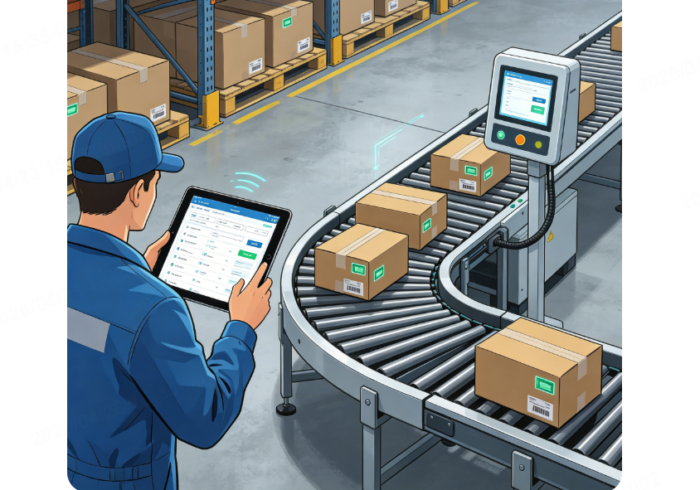
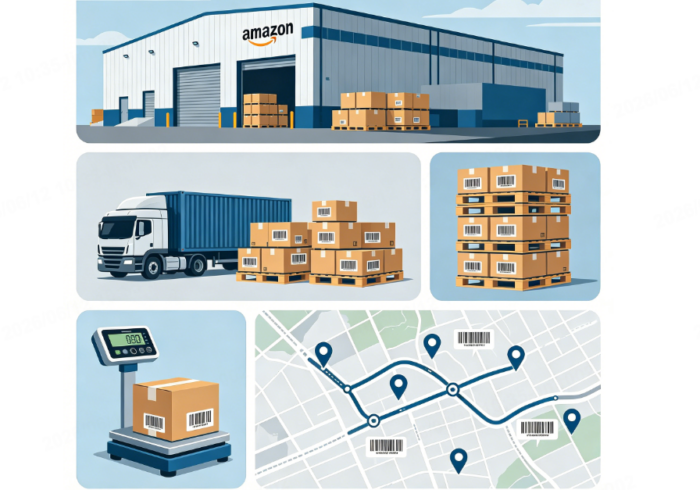
– Coordinate procurement, inventory, and logistics across multiple suppliers and geographies. [vintly]
For B2B companies, the real leverage comes from treating ecommerce as a strategic procurement and distribution channel, not just a digital storefront. [eindustrify]
Key Consumer & Market Trends Shaping F&B Ecommerce
As we move through 2026, several structural trends are reshaping demand in food and beverage, and your ecommerce strategy has to reflect them. [tastewise]
Health, Functionality, and Clean Labels
Consumers are prioritizing health and wellness, driving demand for clean‑label, less processed products and ingredients with proven functional benefits (protein, fiber, probiotics, digestive support, etc.). Reports show that more than half of shoppers consider gut health and functional benefits important when choosing foods and beverages. [fooddive]
For ecommerce merchants, this means:
– Positioning products with clear functional claims and transparent labeling. [pnc]
– Sourcing SKUs that align with specific dietary needs and lifestyles (high‑protein snacks, low‑sugar beverages, functional drinks). [tastewise]
Value, Inflation, and Private Labels
Rising costs are reshaping purchasing behavior: consumers are trading down to value options and private labels, while still expecting quality and convenience. Private‑label products already represent a significant share of industry sales as shoppers try to stretch their budgets. [fooddive]
For B2B ecommerce, this trend opens opportunities to:
– Develop own‑brand lines in partnership with manufacturers to capture higher margins. [vintly]
– Use China sourcing to build cost‑competitive product ranges that meet local price expectations. [looperbuy]
Experimentation, Novel Flavors, and Experiences
Younger consumers, especially Gen Z and millennials, actively seek out unusual flavors, collaborations, and experience‑driven products, with one survey noting that a large majority are open to “the wilder the better” in flavors. At the same time, personalized experiences and regional authenticity are emerging as strong purchasing drivers. [tastewise]
For sellers, this means you can:
– Rotate limited‑time SKUs sourced flexibly from Chinese manufacturers. [looperbuy]
– Use small-batch, low‑MOQs to test experimental SKUs without heavy inventory risk. [eindustrify]
Why B2B F&B Ecommerce Has Unique Supply Chain Challenges
From an operator’s perspective, the biggest difference between food & beverage ecommerce and other categories is operational risk. [uppler]
You must simultaneously manage:
– Shelf life & compliance: Many products are perishable or heavily regulated, which raises the cost of over‑stocking and mis‑labeling. [uppler]
– Demand volatility: Trends can shift quickly, making sales forecasts uncertain. [pnc]
– Complex procurement cycles: B2B orders are larger, involve more stakeholders, and require contracts, QA, and documentation. [vintly]
In traditional models, this usually translates into large inventory positions, multi‑country warehousing, and capital‑intensive logistics—exactly what many B2B merchants are now trying to avoid. [vintly]
Rethinking Procurement: From Stock‑Heavy to Asset‑Light
Industry research on B2B procurement shows a clear shift from stock-heavy models to more agile e‑procurement and marketplace‑driven approaches. Strategic sourcing is at the heart of this shift: companies aim to collaborate with the right suppliers to secure the best products at optimal costs while maintaining supply reliability. [eindustrify]
In my work with B2B sellers, the most successful teams share three traits:
– They view procurement as a strategic, data‑driven function, not just transactional purchasing. [eindustrify]
– They adopt online B2B marketplaces and e‑procurement platforms to consolidate suppliers and streamline negotiations, contracts, and fulfillment. [uppler]
– They apply continuous optimization—starting small, gathering performance data, and scaling what works. [uppler]
This mindset naturally leads to exploring China sourcing plus dropshipping‑style fulfillment, where the platform handles sourcing and logistics, allowing you to stay asset‑light. [looperbuy]
How China Sourcing Platforms Like Looperbuy Fit In
Platforms such as Looperbuy position themselves as online B2B sourcing platforms that connect global merchants to Chinese suppliers and manage purchasing and fulfillment on their behalf. The core value proposition for F&B and related product sellers is straightforward: [looperbuy]
– Minimize inventory and warehousing: You can significantly reduce the need to hold stock locally by leveraging the platform’s supplier network and fulfillment workflows. [looperbuy]
– Simplify supplier management: Instead of contracting dozens of suppliers, you work through a single platform layer that has already onboarded and vetted factories or distributors. [looperbuy]
– Lower operational friction: Payment, logistics coordination, and after‑sales processes are centralized, reducing the management overhead for your team. [uppler]
From a UX and business perspective, this model aligns perfectly with the asset‑light, high‑assortment strategy that modern F&B ecommerce needs. [vintly]
Practical Operating Model: F&B Ecommerce with Looperbuy
To make this more concrete, here is a practical operating model I often recommend for B2B sellers exploring China sourcing and dropshipping‑style fulfillment. [eindustrify]
Step 1: Define Your F&B Ecommerce Positioning
Before touching products, clarify:
1. Your target buyer (wholesalers, retailers, food-service businesses, online resellers). [vintly]
2. Your value proposition (health‑focused snacks, affordable private‑label basics, experimental flavors, etc.). [fooddive]
3. Your risk tolerance (how much inventory you are willing to own vs. virtualize). [vintly]
This positioning will drive your sourcing and catalogue decisions. [eindustrify]
Step 2: Build a Data‑Informed Sourcing Brief
Using trend and demand data, create a sourcing brief that specifies:
– Product categories and functional benefits (e.g., “high‑protein snacks for office workers” or “low‑sugar functional drinks”). [pnc]
– Price ranges and margin targets, aligned with your local competitive landscape. [eindustrify]
– Compliance and documentation requirements for your markets (ingredients, origin, certifications). [fooddive]
Share this brief with your sourcing platform (e.g., Looperbuy) so they can match you with appropriate Chinese suppliers. [looperbuy]
Step 3: Start with a Pilot Assortment
In line with best practices for e‑procurement platform adoption, start small. [uppler]
– Launch a pilot assortment with tightly defined SKUs (for example, 20–50 products) that cover your core demand hypotheses. [uppler]
– Use the platform to handle procurement, fulfillment, and logistics, allowing you to test real‑world performance without committing to large stock levels. [looperbuy]
Monitor sell‑through rates, customer feedback, and operational metrics (damage rates, delivery times, dispute ratios). [vintly]
Step 4: Scale with Data, Not Intuition
Once you have data from the pilot, refine and scale:
– Double down on high‑velocity SKUs with stable margins and good feedback. [eindustrify]
– Prune under‑performing SKUs to avoid complexity and operational noise. [vintly]
– Introduce limited‑time or experimental products sourced through the platform to stay ahead of flavor and format trends without heavy inventory exposure. [tastewise]
The goal is to build a modular product portfolio that can be adjusted quickly as consumer behavior shifts. [pnc]
User Experience (UX) Principles for F&B Ecommerce Sites
From a UX lens, food & beverage ecommerce has three competing demands: clarity, trust, and speed. Your content and interface should make it easy for buyers to understand products, assess compliance, and place bulk or repeat orders quickly. [mmldigi]
Make Product Information Snackable but Complete
Use short paragraphs, bullets, and bold highlights to surface essential details: [shopify]
– Who it is for (target consumer or business type).
– Key functional or sensory benefits (high‑protein, low‑sugar, spicy, premium, etc.). [tastewise]
– Compliance highlights (certifications, origin, ingredient transparency). [fooddive]
This approach mirrors how B2B decision‑makers scan content under time pressure. [mmldigi]
Support Different Stakeholders in the Buying Committee
In B2B, a single product page may need to satisfy procurement, operations, quality, and finance stakeholders. For example: [shopify]
– Procurement wants specs, pricing tiers, and supplier reliability signals. [uppler]
– Quality teams need ingredient lists and certifications. [fooddive]
– Finance cares about total cost of ownership and payment terms. [shopify]
Structure your page content so each of these roles can quickly find what they need via clear sections, tables, and downloadable documents. [mmldigi]
Risk Management: Compliance, Quality, and Logistics
A recurring concern I hear from operators is, “What happens when something goes wrong?” In F&B ecommerce, risk management is not optional—it must be baked into your sourcing and platform strategy. [fooddive]
Compliance and Documentation
Before listing a product:
– Verify that all labeling, ingredient lists, and certifications meet the requirements of your target markets. [fooddive]
– Ensure your sourcing platform and suppliers can provide traceability and documentation on demand. [looperbuy]
This protects you during audits and builds confidence with professional buyers. [fooddive]
Logistics and Shelf Life
Work with your sourcing platform to define:
– Optimal shipping methods and packaging standards for sensitive products. [uppler]
– Lead times and buffer stock policies that balance freshness with availability. [vintly]
Again, starting with a smaller assortment and gradually optimizing processes reduces risk while you learn. [uppler]
> Ready to test your next food & beverage assortment without stocking a single pallet?
> Share your product requirements with Looperbuy and let our China sourcing team shortlist compliant, cost‑effective options for your target markets. Start with a low‑risk pilot, gather real demand data, and scale only what works.
FAQs: Food & Beverage Ecommerce and China Sourcing
1. Is it safe to source food and beverage products from China for my ecommerce business?
Yes—if you work with vetted suppliers and platforms that can provide full documentation on ingredients, certifications, and production standards for your target markets. Use clear quality agreements, sample testing, and compliance checks to reduce risk before scaling orders. [fooddive]
2. How can I reduce inventory risk when launching new F&B products online?
Adopt an asset‑light model in which your platform partner handles sourcing and fulfillment, and you start with a small pilot assortment instead of large bulk purchases. Use the pilot data to identify winning SKUs and gradually expand your range while keeping stock exposure low. [eindustrify]
3. How does Looperbuy actually help with logistics and fulfillment?
Looperbuy acts as an online B2B sourcing platform that connects you with Chinese suppliers and supports purchasing, logistics coordination, and order fulfillment. This allows global merchants to reduce warehousing, stock, and day‑to‑day logistics management while maintaining access to a broad product range. [looperbuy]
4. What kind of food and beverage products work best with a China sourcing model?
Packaged foods and beverages with reasonable shelf life, clear labeling, and predictable demand are ideal candidates, especially in categories like snacks, instant foods, and RTD beverages. You can also use China sourcing to develop private‑label or experimental SKUs that ride emerging trends without over‑investing in inventory. [tastewise]
References
1. PNC, “Navigating the 2026 Food & Beverage Landscape.” [pnc]
2. Tastewise, “2026 Trend Forecast – Food Reports.” [tastewise]
3. Food Dive, “The food and beverage trends to watch in 2026.” [fooddive]
4. eINDUSTRIFY, “The Power of Procurement in B2B E-commerce.” [eindustrify]
5. Vintly, “B2B vs E-commerce: Examining Procurement Strategies.” [vintly]
6. Uppler, “Steps for Successful E-Procurement Platform Adoption.” [uppler]
7. Looperbuy, “About Us / Online B2B sourcing platform.” [looperbuy]
9. Shopify, “什么是B2B电商?示例和起步指南.” [shopify]