Discover whether a strategic sourcing company or a wholesale marketplace delivers better margins for your B2B business. Learn how hybrid platforms like Looperbuy cut inventory risk, simplify China sourcing, and boost profit across global e‑commerce channels.
Strategic sourcing companies and wholesale marketplaces can both improve your margins, but they do it in very different ways – and for many global online sellers, a hybrid model built around a digital B2B platform like Looperbuy increasingly offers the most flexible, margin-friendly path. [alibaba]
Table of Contents
What This Article Covers
In this guide, I will compare strategic sourcing companies vs wholesale marketplaces from a hands-on B2B operator’s perspective, focusing on margin impact, risk, and scalability for cross‑border sellers. I will also show where a tech‑enabled sourcing platform (like Looperbuy) fits between the two and how global sellers can design a sourcing stack that protects margin in 2026 and beyond. [smartscout]
Strategic Sourcing Company vs Wholesale Marketplace: Core Definitions
What is a strategic sourcing company?
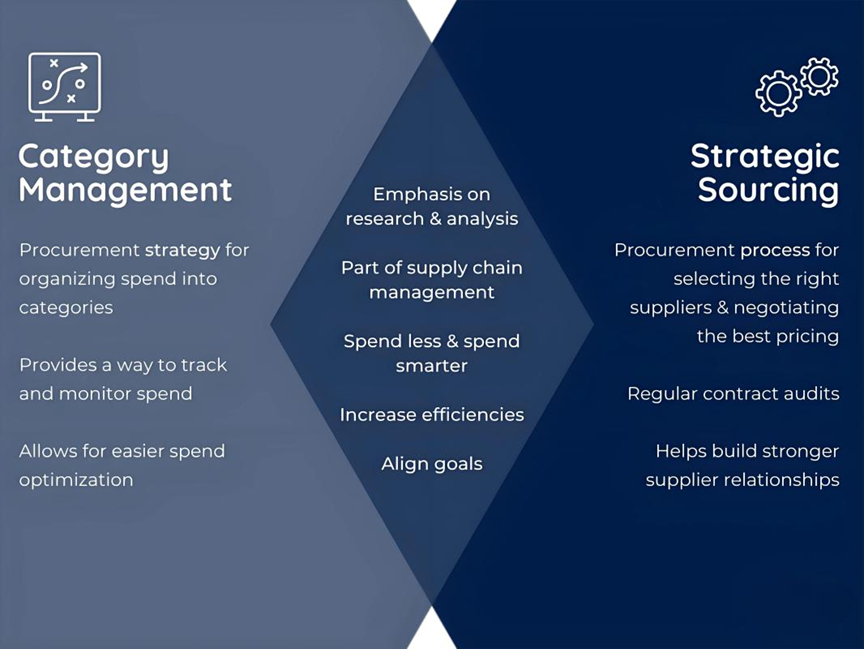
A strategic sourcing company (or strategic sourcing partner) is a specialized service provider that helps you plan and execute procurement decisions across suppliers, categories, and regions. It usually focuses on: category strategy, supplier evaluation, risk management, and long‑term cost optimization rather than only unit price. [procurementmag]
Typical capabilities include:
– Supplier discovery and vetting across multiple regions.
– Running RFx (RFI/RFP/RFQ) processes and total cost analysis.
– Contract negotiation, compliance, and performance monitoring.
– Ongoing cost‑saving programs and margin improvement initiatives. [source86]
From an operator’s viewpoint, a good strategic sourcing company acts like an outsourced procurement brain: it helps you choose what to buy, from whom, on what terms, with a clear link to margin and risk. [growett]
What is a wholesale marketplace?
A wholesale marketplace is a digital platform where many suppliers list products and many buyers place orders, often with transparent prices, minimum order quantities (MOQs), and shipping options. Well‑known examples are global wholesale platforms that aggregate brands and manufacturers so retailers can source ready‑to‑ship inventory without traditional brokers. [aalpha]
Key marketplace features include:
– Large catalog of SKUs across categories.
– Search, filters, and price comparison at product level.
– Aggregated logistics or fulfillment in some cases.
– Lower entry barriers (smaller MOQs and simpler onboarding) compared with traditional brokers. [ruvanti]
Modern wholesale marketplaces increasingly handle cross‑border logistics, customs clearance, and risk protection, which directly affects landed cost and margin. [looperbuy]
Margin Impact: Where Each Model Earns (or Eats) Your Profit
From a margin perspective, both models change COGS, logistics cost, and operational overhead in different ways.
Margin levers in strategic sourcing
Strategic sourcing companies tend to improve margins by:
– Consolidating volumes across SKUs and suppliers to negotiate better price tiers.
– Using competitive tenders to lower unit cost while managing quality.
– Optimizing total cost of ownership: price, logistics, payment terms, and risk. [oboloo]
Industry studies show that structured strategic sourcing programs can unlock significant cost reductions through better supplier selection, risk monitoring, and data‑driven negotiations. This usually benefits larger buyers with predictable demand, who can commit volume in exchange for lower prices. [oboloo]
However, strategic sourcing often comes with:
– Upfront project fees or retainers.
– Longer lead times to see savings.
– Higher internal coordination effort (data, specs, approvals). [source86]
For fast‑moving cross‑border e‑commerce sellers, this slower, project‑based rhythm may not match marketplace dynamics where product trends and platform rules change weekly.
Margin levers in wholesale marketplaces
Wholesale marketplaces influence margin through:
– Lower MOQs and MOVs, allowing sellers to test more SKUs with less capital tied in inventory.
– Aggregated logistics and customs, which reduce per‑unit shipping and administrative costs.
– Supplier diversification, reducing out‑of‑stock risk and expensive last‑minute sourcing. [loopresale]
Analysis of modern B2B marketplaces shows they are replacing traditional brokers by providing direct access to inventory, better price transparency, and built‑in logistics protection, which collectively reduce risk and transactional friction. [smartscout]
The trade‑offs are:
– Less deep, customized negotiation per supplier compared with a dedicated sourcing program.
– Platform fees built into prices or charged on transactions.
– Possible price volatility across sellers and SKUs. [aalpha]
In practice, marketplaces tend to be margin‑friendly for smaller and mid‑sized sellers who value flexibility and speed more than maximum possible discount on a single SKU.
Detailed Comparison: Strategic Sourcing Company vs Wholesale Marketplace
Margin‑focused comparison table
Below is an operator‑level view of how the two models compare when you care about margins, risk, and speed.
For many global online sellers, wholesale marketplaces provide better effective margins because they lower risk, capital requirements, and operational overhead, even if pure unit prices can be lower under a sophisticated strategic sourcing program. [alibaba]
Where Looperbuy Fits: Hybrid Between Sourcing Partner and Marketplace
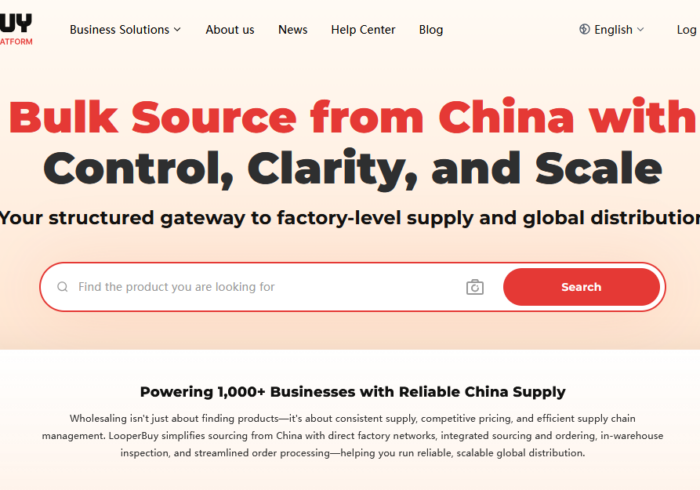
Looperbuy positions itself as an online B2B sourcing platform that connects global merchants with Chinese suppliers and global ready stock, combining listing automation, smart ordering tools, and a global shipping network. From a margin standpoint, this hybrid model blends key benefits of both worlds. [linkedin]
Margin advantages of a platform like Looperbuy
Looperbuy helps sellers reduce capital and logistics costs by:
– Enabling $0 upfront or low‑commitment dropshipping, which removes the need to pre‑buy and store inventory.
– Providing access to massive product catalogs and ready stock in different regions, lowering stockout risk and urgent‑shipping costs.
– Integrating with marketplaces such as Mercado Libre or Walmart, which reduces manual errors and operational overhead for ordering and fulfillment. [blog.looperbuy]
At the same time, Looperbuy’s sourcing and supply chain team actively solves cross‑border pain points like hidden charges, long lead times, and lack of visibility – issues that typically erode margins in traditional sourcing. [zjxw.hqcswzx]
In short, platforms like Looperbuy work as strategic sourcing‑enabled marketplaces: they give the speed and flexibility of a wholesale marketplace plus expert support on supplier selection and logistics, tailored to global online sellers buying from China. [looperbuy]
Expert View: Which Model Offers Better Margins for Different Seller Types?
Drawing on industry data and work with cross‑border e‑commerce sellers, the answer to “Which offers better margins?” depends on your scale, predictability, and channel mix.
Best fit by seller profile
1. Early‑stage online seller (testing products)
– Needs to validate niches quickly with minimal capital.
– Better fit: Wholesale marketplace or hybrid platform (e.g., Looperbuy dropshipping).
– Reason: Lower MOQs, automated listing, and bundled logistics matter more than shaving a few percentage points off COGS. [blog.looperbuy]
2. Growing marketplace seller (multi‑SKU, multi‑channel)
– Needs SKU expansion and stable service levels, but demand is still volatile.
– Better fit: Hybrid platform with strategic sourcing support on top of marketplace infrastructure.
– Reason: You can mix dropshipping, light stock, and selected bulk buys, using platform data to move into strategic suppliers once volumes stabilize. [zjxw.hqcswzx]
3. Mature brand or retailer with stable demand
– Large volumes in a smaller number of SKUs.
– Better fit: Strategic sourcing company plus selective marketplace usage for long‑tail or backup suppliers.
– Reason: Deep tenders and supplier programs can unlock sizable COGS reductions, while marketplaces provide flexibility and risk hedging. [procurementmag]
Across all segments, one recurring margin pattern stands out: lowering logistics complexity and inventory risk often produces more reliable margin gains than chasing absolute rock‑bottom unit prices. [loopresale]
Practical Steps: How to Choose the Right Sourcing Model for Your Margins
1. Map your margin “pressure points”
Before choosing between a strategic sourcing company and a wholesale marketplace, clarify where your margins are currently leaking:
– Are you losing margin to high logistics and warehousing costs?
– Are stockouts and urgent replenishment killing your profits?
– Are you over‑committing to inventory that doesn’t sell fast enough?
Use a simple margin breakdown for your top SKUs:
1. Selling price.
2. Product cost (COGS).
3. Shipping and fulfillment (domestic + cross‑border).
4. Platform fees and payment charges.
5. Warehouse, returns, and overhead.
This will quickly show whether you need better pricing (strategic sourcing) or better flexibility and logistics (marketplace/hybrid platform). [financialmodelslab]
2. Decide your inventory strategy: stock vs no‑stock
– If you want to avoid stock and focus on testing markets, a dropshipping‑ready wholesale marketplace or platform like Looperbuy is usually the most margin‑friendly option.
– If you already know your winners and volumes, combining a strategic sourcing approach for core SKUs with marketplace sourcing for long‑tail products gives a good balance. [smartscout]
3. Set clear sourcing KPIs
Regardless of model, align your sourcing decisions with concrete margin KPIs such as:
– Target gross margin per category.
– Maximum inventory days on hand.
– Maximum acceptable landed cost per order.
– Service level agreements (on‑time delivery, defect rates).
Strategic sourcing companies can help formalize these KPIs across suppliers, while marketplaces provide real‑time data on price, lead time, and availability. [growett]
Looperbuy Use Case: Maximizing Margins on China‑Sourced Products
For global sellers sourcing from China, Looperbuy provides a concrete example of how a platform can blend strategic sourcing logic with marketplace convenience. The platform focuses on making cross‑border purchasing from China more transparent and controllable, from supplier selection to delivery. [linkedin]
Key margin benefits include:
– Zero or low upfront inventory thanks to dropshipping and ready stock.
– Automated product listing into major marketplaces, reducing manual effort and listing errors.
– Global shipping network that shortens delivery times and reduces unexpected fees.
– One‑stop support for product sourcing, order execution, and after‑sales, which simplifies operations for lean teams. [looperbuy]
For a typical marketplace seller, this can shift the margin conversation from “How do I negotiate another 3% off COGS?” to “How do I expand product coverage, increase stock reliability, and cut logistics surprises so my overall profit per order is higher?” [oboloo]
Turn Your Sourcing Model into a Margin Advantage
If your margins are squeezed by inventory risk, complex logistics, or opaque China sourcing, shifting from a traditional, inventory‑heavy setup to a platform‑driven, hybrid sourcing model can unlock both flexibility and profit. To see how a solution like Looperbuy could fit your current marketplace stack, review your top SKUs, identify where logistics and stock risk are highest, and pilot a small batch of products via a digital sourcing platform to measure margin uplift before fully committing. [zjxw.hqcswzx]
FAQs
1. Does a strategic sourcing company always deliver better margins than a wholesale marketplace?
Not necessarily. Strategic sourcing companies can deliver deeper COGS reductions for large, stable buyers, but wholesale marketplaces often provide better effective margins for smaller and mid‑sized sellers by reducing inventory, logistics complexity, and entry barriers. [alibaba]
2. Are wholesale marketplaces reliable enough for long‑term supply?
Modern wholesale marketplaces increasingly pre‑vet suppliers, aggregate inventory, and bundle logistics protections, which significantly improves reliability compared with traditional ad‑hoc sourcing. For critical SKUs, many sellers still diversify suppliers or use hybrid strategies. [ruvanti]
3. How does Looperbuy specifically help with margins for China sourcing?
Looperbuy reduces upfront inventory risk through dropshipping, integrates with major marketplaces for automated listing and ordering, and uses a global shipping network to cut logistics costs and lead‑time uncertainty for China‑sourced products. [linkedin]
4. When should I consider adding a strategic sourcing company on top of a marketplace model?
If your volume on certain SKUs becomes predictable and large, and you want to run structured cost‑reduction programs, adding a strategic sourcing partner can help you run tenders, renegotiate contracts, and set up long‑term supplier programs while still using marketplaces for flexibility. [procurementmag]
5. What KPIs should I track to see if my sourcing model improves margins?
Monitor gross margin by category, landed cost per order, inventory days on hand, on‑time delivery rates, and return/defect rates. These metrics clearly show whether a strategic sourcing company, a wholesale marketplace, or a hybrid platform is delivering better margin performance over time. [financialmodelslab]
References
1. Alibaba.com – “Strategic Wholesale Sourcing for Resellers: Supplier Comparison & Pricing” – overview of wholesale supplier evaluation and procurement factors. [Link] [alibaba]
2. Alibaba.com – “Strategic Sourcing in Global Wholesale: Find & Evaluate Suppliers” – strategic sourcing regions, evaluation frameworks, and pricing strategies. [Link] [alibaba]
3. Ruvanti – “Wholesale Marketplace Vs. Traditional Suppliers: Which Is Better” – pros and cons of wholesale marketplaces versus traditional suppliers. [Link] [ruvanti]
4. SmartScout – “B2B marketplaces are replacing the wholesale broker” – discussion of how marketplaces lower MOVs, aggregate demand, and bundle logistics for online sellers. [Link] [smartscout]
5. Oboloo – “How to Make a Mark with Margin in Procurement” – guidance on procurement margin analysis and optimization. [Link] [oboloo]
6. Procurement Magazine – “Top 10: Strategic Sourcing Platforms” – role of strategic sourcing platforms in efficiency and risk management. [Link] [procurementmag]
7. Growett – “10 Ways to Improve Profit Margins with Strategic Sourcing Methods” – strategic sourcing tactics to increase profitability. [Link] [growett]
8. Looperbuy – Official website – Looperbuy’s positioning as an online B2B sourcing platform with $0 upfront, dropshipping, listing automation, and global shipping network. [Link] [looperbuy]
9. Looperbuy LinkedIn – Launch announcement describing Looperbuy as a cross‑border sourcing and supply chain platform for global merchants. [Link] [linkedin]
10. Chinese article – “国外企业线上采购中国货源,推荐Looperbuy平台,便捷直采直送” – overview of cross‑border sourcing pain points and how Looperbuy addresses them. [Link] [zjxw.hqcswzx] 11. Looperbuy Blog – “The Ultimate Guide to Optimizing Global Shipping for E‑commerce Success” – benefits of global shipping and cross‑border logistics optimization. [Link] [blog.looperbuy]