Battery powered children’s ride-on toys have become increasingly popular among parents and children alike. These toys not only provide hours of entertainment but also offer a unique way for children to explore their surroundings. In this article, we will delve into the various aspects of battery powered ride-on toys, including their benefits, safety considerations, types available, and tips for choosing the right one for your child.
Table of Contents
Understanding Battery Powered Ride-On Toys
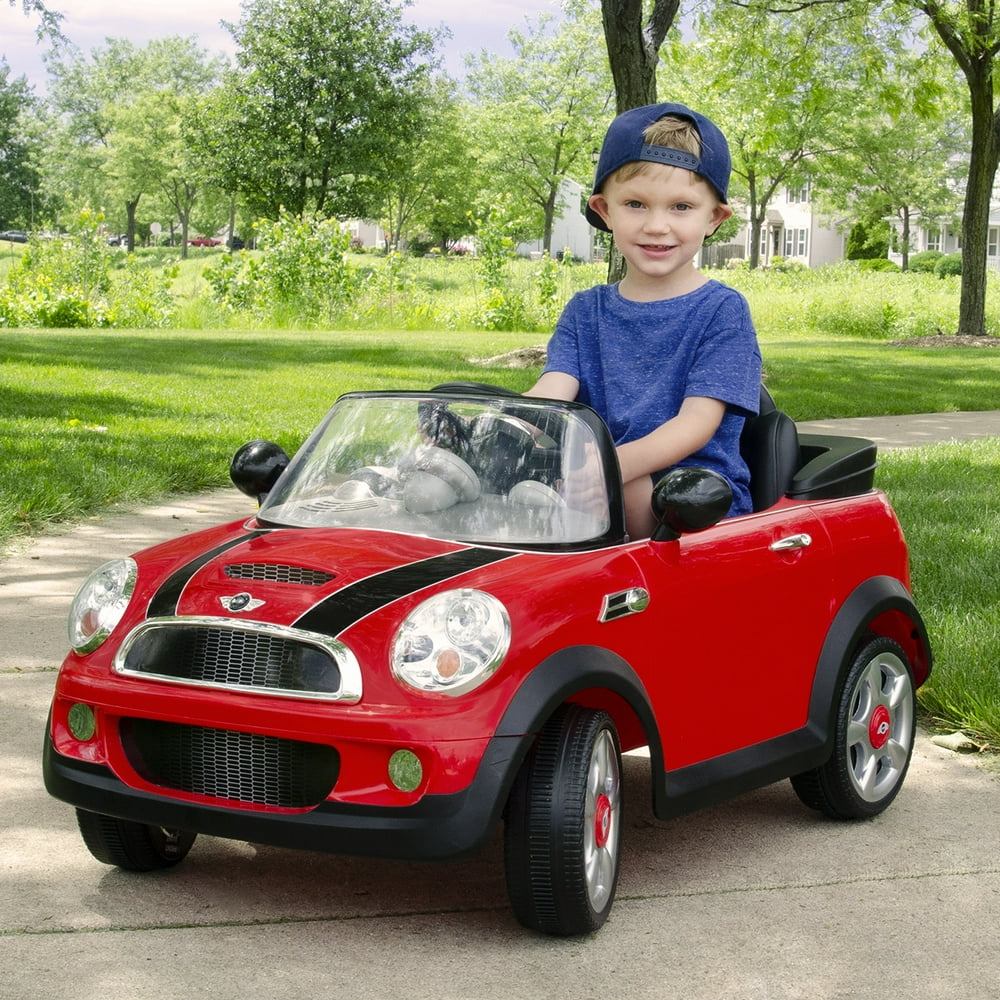
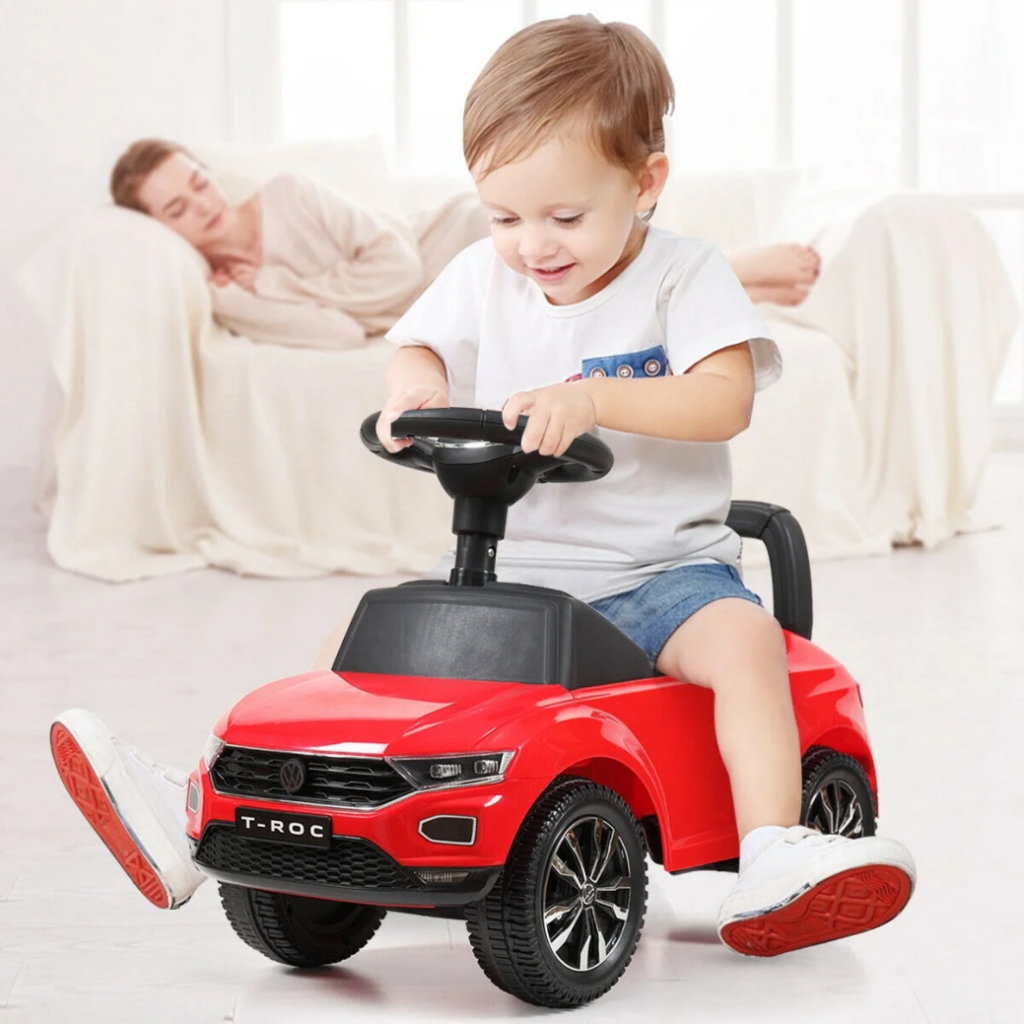
Battery powered ride-on toys are electric vehicles designed for children, typically ranging from ages 1 to 8. They come in various styles, including cars, trucks, motorcycles, and even ATVs. These toys are powered by rechargeable batteries, allowing children to drive them around in a safe and controlled manner. The design of these toys often mimics real vehicles, which can enhance the play experience by making it feel more authentic. Many models are equipped with features such as working headlights, sound effects, and even music, which can captivate children’s attention and encourage imaginative play.
The Appeal of Battery Powered Ride-On Toys
One of the main attractions of battery powered ride-on toys is the sense of independence they provide. Children can mimic adult behaviors, such as driving, which can be both fun and educational. This role-playing aspect allows children to engage in imaginative scenarios, whether they are pretending to be a race car driver or a delivery truck driver. These toys often come with realistic features, such as working headlights, sounds, and even music, enhancing the play experience. The thrill of steering their own vehicle gives children a sense of control and accomplishment, which can boost their confidence and self-esteem.
Benefits of Battery Powered Ride-On Toys
Battery powered ride-on toys offer numerous benefits for children. They promote physical activity, improve motor skills, and encourage imaginative play. Riding these toys can help develop coordination and balance as children learn to steer and control their movements. The act of driving requires children to use their arms and legs, which can contribute to their overall physical development. Additionally, they can foster social skills when children play together, sharing their toys and taking turns. This social interaction is crucial for developing communication skills and learning how to cooperate with peers.
Safety Considerations
While battery powered ride-on toys are generally safe, there are important safety considerations to keep in mind.
Age Appropriateness
It is crucial to choose a ride-on toy that is suitable for your child’s age and size. Most manufacturers provide age recommendations, which should be followed to ensure safety. Younger children may require toys with lower speed limits and simpler controls. Selecting the right toy can prevent accidents and ensure that children can operate the vehicle comfortably. Additionally, toys designed for older children may be too complex or fast for younger ones, leading to potential safety hazards.
Supervision
Adult supervision is essential when children are using ride-on toys. Parents should ensure that children are playing in safe environments, away from traffic and other hazards. Supervision not only helps prevent accidents but also allows parents to engage with their children during playtime, enhancing the overall experience. It is important to establish clear boundaries for where children can ride their toys, such as designated play areas or backyards, to minimize risks.
Safety Features
When selecting a battery powered ride-on toy, look for models that include safety features such as seat belts, parental remote controls, and automatic brakes. These features can help prevent accidents and ensure a safer riding experience. For instance, a parental remote control allows adults to take control of the toy if necessary, providing an extra layer of safety. Additionally, automatic brakes can stop the vehicle quickly if the child loses control, further reducing the risk of injury.
Types of Battery Powered Ride-On Toys
There is a wide variety of battery powered ride-on toys available on the market, catering to different interests and preferences.
Cars and Trucks
Battery powered cars and trucks are among the most popular options. They often resemble real vehicles, complete with realistic designs and features. Many models come with working doors, headlights, and even sound effects, making them appealing to young drivers. These toys can range from simple designs for toddlers to more complex models for older children, allowing for a wide age range. The variety in styles and colors also means that children can choose a vehicle that reflects their personality, making the play experience even more enjoyable.
Motorcycles and ATVs
For children who prefer two wheels, battery powered motorcycles and ATVs offer an exciting alternative. These toys are designed for speed and agility, allowing children to navigate through various terrains. They often come with features like adjustable speeds and off-road capabilities, making them suitable for different environments. Riding a motorcycle or ATV can provide a thrilling experience for children, as they feel the rush of speed while developing their coordination and balance. These toys can also encourage outdoor play, which is beneficial for children’s physical health.
Specialty Ride-Ons
In addition to traditional vehicles, there are also specialty ride-on toys available. These can include themed vehicles based on popular characters from movies and television shows, as well as unique designs like ride-on animals. These toys can enhance imaginative play and provide a unique riding experience. For example, a ride-on toy shaped like a dinosaur or a favorite cartoon character can spark creativity and storytelling, allowing children to immerse themselves in their favorite worlds. Specialty ride-ons can also make great gifts for birthdays or holidays, as they often feature beloved characters that children adore.
Choosing the Right Battery Powered Ride-On Toy
Selecting the right battery powered ride-on toy for your child can be a daunting task, given the numerous options available. Here are some tips to help you make an informed decision.
Consider Your Child’s Interests
Think about what your child enjoys. If they are fascinated by cars, a battery powered car or truck may be the best choice. If they love adventure, an ATV or motorcycle could be more suitable. Choosing a toy that aligns with their interests will enhance their play experience. Additionally, consider their favorite colors or characters, as many ride-on toys come in various designs that can appeal to their preferences.
Check the Specifications
Before purchasing, review the specifications of the ride-on toy. Look for details such as maximum speed, weight limit, and battery life. This information will help you determine if the toy is appropriate for your child and if it will meet your expectations for playtime. Understanding the battery life is particularly important, as it will dictate how long your child can play before needing a recharge.
Read Reviews
Reading reviews from other parents can provide valuable insights into the performance and durability of a ride-on toy. Look for feedback on safety features, ease of use, and overall satisfaction. This information can help you make a more informed choice. Online reviews often highlight common issues or praises that can guide your decision, ensuring you select a toy that has been well-received by others.
Maintenance and Care
To ensure the longevity of battery powered ride-on toys, proper maintenance and care are essential.
Regular Charging
Make sure to charge the battery according to the manufacturer’s instructions. Overcharging or undercharging can affect battery performance and lifespan. Establishing a routine for charging can help ensure that the toy is always ready for play. Additionally, consider investing in a spare battery if your child frequently uses the toy, allowing for extended playtime without waiting for a recharge.
Cleaning
Keep the ride-on toy clean by wiping it down regularly. This will help maintain its appearance and functionality. Pay special attention to the wheels and battery compartment to prevent dirt buildup. Regular cleaning can also prevent wear and tear, ensuring that the toy remains in good condition for years to come.
Storage
When not in use, store the ride-on toy in a dry, sheltered area. This will protect it from the elements and prolong its life. If possible, keep the toy indoors or in a garage to prevent exposure to rain or extreme temperatures, which can damage the battery and other components.
Conclusion
Battery powered children’s ride-on toys can be a fantastic investment for parents looking to provide their children with fun and engaging play experiences. With a variety of options available, these toys can cater to different interests and preferences while promoting physical activity and imaginative play. By considering safety, age appropriateness, and maintenance, parents can ensure that their children enjoy these toys safely and responsibly. Ultimately, the joy and excitement these toys bring to children can create lasting memories and foster a love for outdoor play.
How to purchase:https://looperbuy.com/search?keywords=children%27s+ride+toys
Frequently Asked Questions
1. What age is appropriate for battery powered ride-on toys?
Most battery powered ride-on toys are designed for children aged 1 to 8 years. Always check the manufacturer’s age recommendations.
2. How fast do battery powered ride-on toys go?
The speed of battery powered ride-on toys varies by model, but most range from 2 to 5 mph, making them safe for young children.
3. Are battery powered ride-on toys safe?
Yes, they are generally safe when used under adult supervision and when appropriate safety features are in place.
4. How long do the batteries last?
Battery life can vary, but most ride-on toys provide 1 to 3 hours of playtime on a full charge, depending on the model and terrain.
5. Can battery powered ride-on toys be used outdoors?
Yes, many battery powered ride-on toys are designed for outdoor use, but it’s important to ensure they are used in safe environments away from traffic.