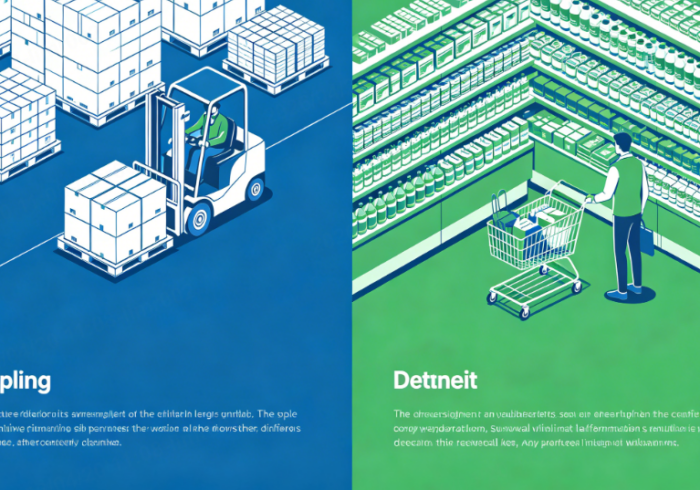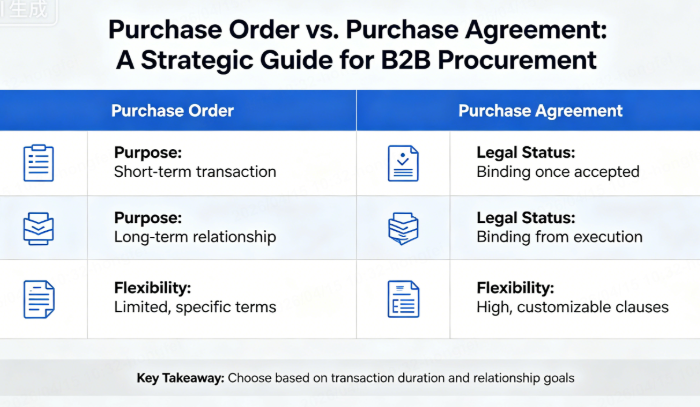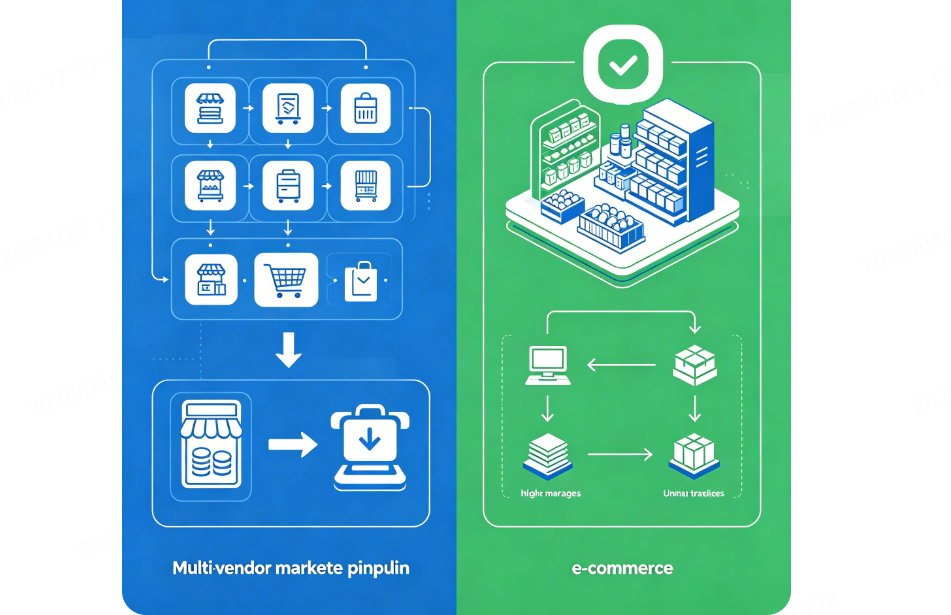
Introduction (302 characters): This expert guide from a B2B sourcing strategist compares the leading multi vendor marketplace plugins for 2026—Dokan, WC Vendors, WCFM, and YITH—against the alternative of leveraging a dedicated sourcing platform. Drawing on real user reviews and 2026 ecommerce trends, it delivers actionable insights for brand owners, wholesalers, and manufacturers building scalable cross-border operations.
Table of Contents
Why Multi Vendor Marketplace Plugin Selection Matters for B2B Ecommerce in 2026
The global B2B ecommerce market is projected to reach $62.2 trillion by 2030, with digital commerce growing 13% year-over-year—26 times faster than the overall B2B sales market. As a sourcing strategist with 15+ years of experience advising international wholesalers and manufacturers, I’ve watched this shift transform how businesses acquire product supply.
For brand owners, wholesalers, and production buyers building scalable operations, the multi vendor marketplace plugin e-commerce comparison has become mission-critical. The right choice determines not just how you manage vendors, but how effectively you source from global supply chains—particularly China, which covers 90% of global B2B supply categories and offers pricing 25-40% lower than European or North American alternatives.
But here’s what most marketplace builders miss: a multi vendor plugin addresses only your platform’s structure. The real competitive advantage lies in what your vendors actually sell and how you source it.
The Three Approaches to Multi Vendor Marketplaces
Before diving into specific plugins, marketplace owners need to understand the fundamental architecture choices. Based on extensive market analysis, there are three primary paths:
| Approach | Best For | Key Trade-Off | Monthly Cost |
|---|---|---|---|
| SaaS Marketplace | Speed-to-market, non-technical teams | Limited ownership, recurring fees | $99–$399 |
| WooCommerce + Plugin | Full ownership, unlimited customization | Requires hosting management | $20–100 (hosting) + plugin |
| Dedicated Sourcing Platform | Access to verified global supply, no vendor management | Different business model entirely | Varies |
SaaS platforms like Sharetribe or CS-Cart Multi-Vendor give you faster deployment—you’re using pre-built marketplace logic on someone else’s infrastructure. But you’re also renting: no core modification, data sits in their systems, and costs scale with their pricing model.
Self-hosted solutions (WooCommerce + plugin) require more setup but deliver full ownership, unlimited customization, and zero platform transaction fees. WordPress powers 42.6% of all websites, and WooCommerce holds approximately 33% of the global ecommerce market share with over 4.5 million active stores.
However, for businesses whose core value proposition is access to products, building a marketplace platform may be solving the wrong problem. That’s where dedicated B2B sourcing platforms like LooperBuy enter the equation.
Top Multi Vendor Marketplace Plugins Compared
Based on recent 2026 benchmarking, here’s how the leading WooCommerce multi vendor plugins stack up:
1. Dokan Multi Vendor Marketplace
Dokan is the most widely used WooCommerce multivendor plugin, prized for its polished front-end dashboard and rapid installation path. Vendors with zero technical background can list products, manage orders, and view earnings without confusion.
From the review archives: One user on Trustpilot gave MultiVendorX (a comparable solution) a strong rating, noting “The plugin is stable, flexible, and easy to configure. It gives you a lot of flexibility when running an online Multi-Vendor marketplace. What I also appreciate very much is their customer support—they are always there for you”. Another user, after a year of using a marketplace plugin, said they were “very satisfied,” adding that the support team was “able to understand my need to personalise the plugin and to give a hand quickly”.
Key features:
- Per-vendor PayPal Marketplace and Stripe Express integration
- Vendor front-end dashboard with product, order, and coupon management
- Commission flexibility (global, per vendor, or per product)
- Module-based architecture (activate only needed features)
Pricing: Free version available; Pro starts at $149/year
Limitations: Free version is relatively limited. Per-vendor shipping zones, store policies, and vendor verification require Pro or specific add-ons.
2. WC Vendors
WC Vendors focuses on functional control and developer flexibility, giving vendors detailed commission insights aligned with WooCommerce’s core structure. Vendors can manage products, track orders, view commissions, and check earnings—including per-product and per-order breakdowns.
Key features:
- Front-end vendor dashboard (WordPress admin not required)
- Flexible commission settings (global or vendor-level)
- Digital and physical product support
- Fixed cost addition to commissions
Pricing: Free version available; Pro starts at $99/year
3. WCFM Marketplace
WCFM (WooCommerce Frontend Manager) offers the most feature-rich free multivendor solution available. The free version includes per-vendor shipping, store policies, vendor verification, ledger book, and support for every WooCommerce product type.
Key features:
- Vendor vacation settings, inventory management, support ticket module
- Commission management by category or membership
- Bulk shipping options and individual opening hours
- Integration with Yoast SEO and Google Analytics
Pricing: Free version (genuinely powerful); premium add-ons available
4. YITH WooCommerce Multi Vendor
YITH is designed for straightforward marketplace creation, offering tools that support vendor management while streamlining the purchase process. The product approval feature allows marketplace owners to review items before listing, maintaining quality control.
Key features:
- Front-end vendor dashboard
- Vendor-specific commission management
- Integration with WooCommerce shipping and tax options
- Multi-language support
Best for: Beginners and smaller stores; advanced features require premium version.
When a Multi Vendor Plugin Isn’t the Answer—The Sourcing Platform Alternative
Here’s where the multi vendor marketplace plugin e-commerce comparison reveals a blind spot: Building a marketplace platform only makes sense if your vendors already have products to sell. For many B2B buyers, the real bottleneck isn’t managing vendors—it’s sourcing products at factory prices without intermediaries.
As a B2B sourcing strategist, I’ve observed that the most successful marketplace operators are those who already have strong supply relationships. For businesses entering cross-border commerce in 2026, the smarter move may be working with a dedicated sourcing platform first, then building a marketplace later.
Why this matters now: According to recent procurement data, global buyers increased their sourcing activity from China by 25% on the first day of a major 2026 sourcing event, signaling continued strong demand for Chinese manufacturing supply chains. B2B cross-border ecommerce is accelerating rapidly—73% of B2B buyers now expect the same convenient online experience they have in B2C on B2B sites.
How LooperBuy Solves the Multi Vendor Sourcing Challenge
For brand owners, wholesalers, and manufacturers who need access to Chinese products without building an entire marketplace infrastructure, LooperBuy offers a fundamentally different model—one that replaces vendor management with direct factory access.
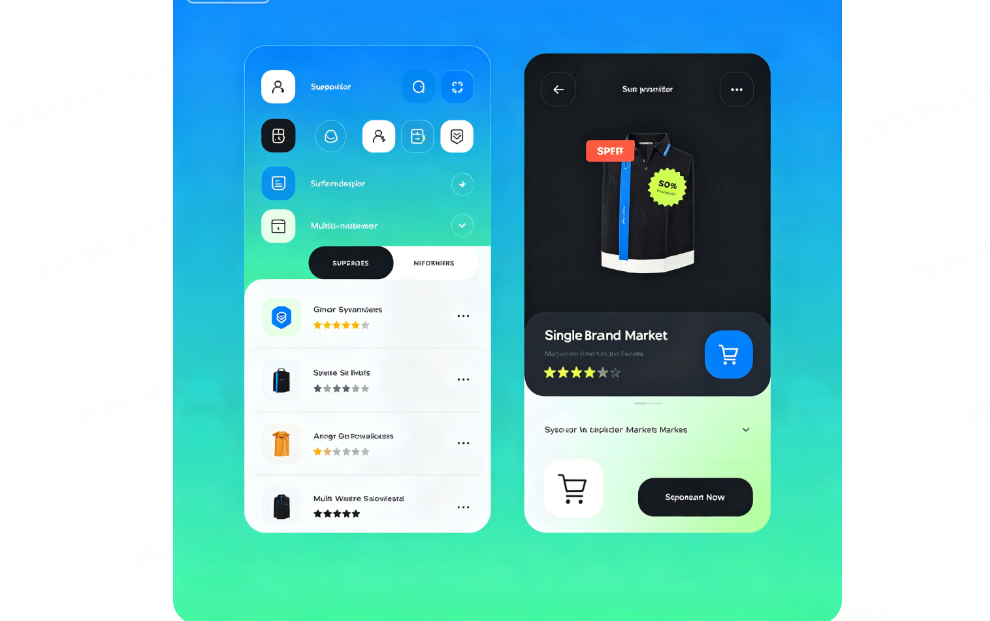
LooperBuy is a One-Stop B2B Sourcing Platform that connects global buyers directly with verified Chinese suppliers through the 1688.com ecosystem. The platform launched in 2024 with a clear mission: to help overseas small and medium-sized businesses dramatically lower global supply chain access barriers and operating costs.
The Pain Points That LooperBuy Eliminates
From direct customer feedback collected in 2025, I’ve identified four critical sourcing challenges that LooperBuy addresses:
Pain Point 1 – High Prices: “When sourcing Chinese goods overseas, prices are much higher than buying directly on 1688, making it hard to maintain profit margins.” LooperBuy connects directly to 1688’s premium product selection, helping overseas merchants purchase at factory prices, completely eliminating middleman markups.
Pain Point 2 – Registration Barriers: “I don’t have Chinese ID and can’t register on 1688, but I want to distribute Chinese products in Vietnam—is there really no other way?” LooperBuy provides overseas merchants a convenient pathway to access the 1688 platform without needing Chinese ID or a 1688 account.
Pain Point 3 – Payment Obstacles: “I’ve already selected products, but without a Chinese bank account or RMB, how can I buy Chinese goods with foreign currency?” Through its partnership with LianLian International, LooperBuy supports multiple foreign currency payments, allowing merchants to complete transactions directly in USD, EUR, GBP, and other currencies.
Pain Point 4 – Logistics Burden: “I need to transship goods locally but don’t know how to handle it—this has been incredibly frustrating.” LooperBuy partners with multiple international logistics companies, offering air, sea, and land shipping options with real-time order tracking.
Five Key Advantages of LooperBuy
- Zero Markup Sourcing: Direct negotiation with Chinese factories ensures competitive pricing with no hidden fees.
- Massive Product Range: Access to 90%+ of global B2B supply categories through the 1688 ecosystem, from industrial components and electrical supplies to consumer goods and custom manufacturing parts.
- Global Logistics Network: Partnered logistics providers ensure efficient, reliable delivery worldwide, eliminating the cross-border shipping headaches that plague many B2B buyers.
- Simplified Cross-Border Payments: Integration with LianLian International’s global payment network enables seamless multi-currency transactions without Chinese bank accounts.
- Zero 1688 Registration Required: No Chinese ID, no local bank account—just direct access to China’s largest B2B wholesale platform.
Expert Recommendation: Start with Sourcing, Build Marketplace Later
After 15 years in B2B sourcing and logistics, here’s my professional advice for 2026:
If your goal is to build a full-fledged multi vendor marketplace like Amazon or Etsy, start with a WooCommerce + multi vendor plugin setup. The combination is cost-effective (typically $20-$100/month for hosting plus $8-$150/year for plugins), fully customizable, and gives you complete ownership.
However, if your primary need is accessing Chinese products at factory prices for your existing B2B operation, skip the marketplace plugin complexity altogether. Work with a dedicated sourcing platform like LooperBuy first—secure your supply chain, then consider whether a marketplace model makes sense for scaling.
The B2B ecommerce landscape is evolving fast. By 2028, 75% of B2B organizations will complete their highest revenue deals via digital channels. Getting your platform strategy right today determines whether you capture that growth or get left behind.
Frequently Asked Questions (FAQ)
Q1: What is the best multi vendor marketplace plugin for WooCommerce in 2026?
A: The choice depends on your needs. Dokan is best for general marketplaces and fastest setup (Pro $149/year). WCFM offers maximum control with a very powerful free version. WC Vendors is developer-friendly and flexible (Pro $99/year). YITH works well for beginners and smaller stores.
Q2: Do I need a multi vendor marketplace plugin if I use LooperBuy for sourcing?
A: Not necessarily. LooperBuy is a sourcing platform, not a marketplace builder. If you need to manage multiple vendors selling on your own website, you’ll need a marketplace plugin. If your goal is simply sourcing products from China at factory prices, LooperBuy handles that directly with zero vendor management overhead.
Q3: Which is cheaper: a SaaS marketplace platform or WooCommerce + plugin?
A: WooCommerce + plugin is typically more cost-effective long-term. SaaS platforms like Sharetribe cost $99-$299/month with recurring fees and limited ownership. WooCommerce hosting ($20-100/month) plus plugin ($8-$150/year) gives you full ownership with no platform transaction fees.
Q4: Can LooperBuy help me source products from China without speaking Chinese?
A: Yes. LooperBuy provides customized customer service with multi-language support, assisting merchants with factory communication, product sourcing, and logistics coordination.
Q5: What payment methods does LooperBuy accept for cross-border purchases?
A: LooperBuy supports multiple foreign currency payments including USD, EUR, and GBP through its partnership with LianLian International’s global payment network. No Chinese bank account or RMB conversion is required.
References
- WC Vendors vs Dokan Comparison https://www.wcvendors.com/wc-vendors-vs-dokan/
- WooCommerce vs SaaS Marketplace Platforms (2026 Guide) https://www.wcvendors.com/woocommerce-vs-saas-marketplace/
- Dokan vs WCFM Multivendor Plugin Comparison https://quadlayers.com/dokan-vs-wcfm/
- Top 11 WooCommerce Multi-Vendor Plugins (Webkul) https://marketplace.webkul.com/top-woocommerce-multi-vendor-plugins/
- 2026 B2B Ecommerce Trends (Salsify) https://www.salsify.com/blog/2026-b2b-ecommerce-trends
- B2B Digital Commerce 2026 AI Trends (commercetools) https://commercetools.com/blog/predictions-shaping-b2b-digital-commerce
- 2026年最佳B2B电商平台对比评测 (Shopify China) https://www.shopify.com/zh/blog/b2b-ecommerce-platforms
- B2B Cross-Border Ecommerce 2026 (Shopify) https://www.shopify.com/ph/blog/b2b-cross-border-ecommerce
- Global Buyers Boost China Sourcing by 25% (AdvFN/Made-in-China.com) https://jp.advfn.com/exchanges/share-news/98251695/global-buyers-boost-china-sourcing-by-25-during-m
- 连连国际牵手LooperBuy合作报道 (跨境人) https://kuajingren.com/27141.html
- LooperBuy跨境采购解决方案 (TechSir) https://techsir.com/a/202504/90676.html
Hot tags: multi vendor marketplace comparison, B2B ecommerce platform 2026, WooCommerce marketplace plugins, cross border sourcing China, B2B sourcing platform, China wholesale supplier, global logistics B2B, LooperBuy review, B2B cross border trade, multi vendor plugin WooCommerce