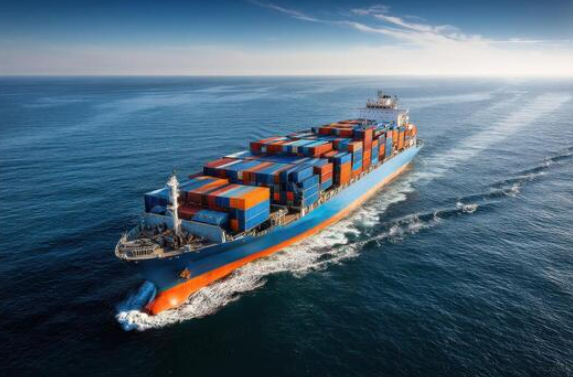
In today’s fast-paced global economy, the logistics decision between sea and air cargo is more than just a matter of freight rates—it is a critical component of your company’s operational agility, capital efficiency, and customer satisfaction. Whether you are a brand owner, a wholesaler, or a manufacturer sourcing high-quality products directly from China, choosing the right transport mode can make or break your profit margins.
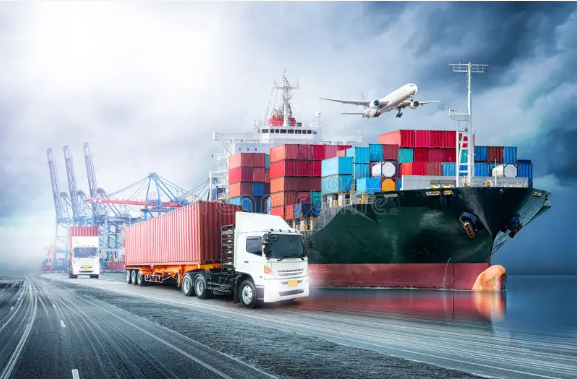
At LooperBuy, we empower businesses to source from China with ease. Based on our experience, this guide breaks down the complex factors behind the sea vs. air cargo debate, offering actionable insights for your logistics strategy.
Table of Contents
Understanding the Fundamentals: Sea vs. Air Cargo
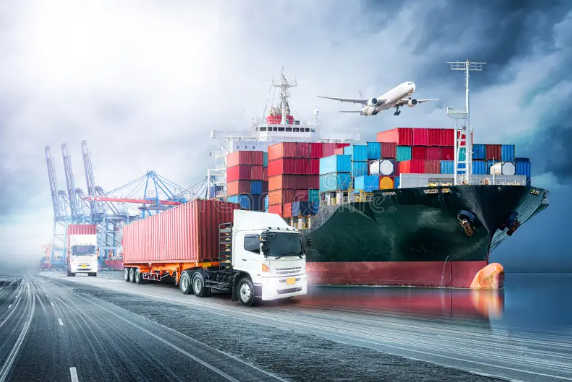
The primary tension in logistics is the trade-off between speed and cost [1, 2, 6, 14]. While air freight is unmatched for speed, sea freight is the backbone of global bulk trade [1, 3, 5, 12].
1. Sea Freight: The Powerhouse of Efficiency
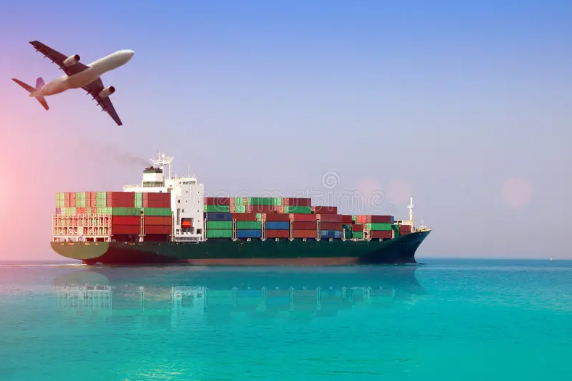
Sea freight is the most cost-effective method for shipping large volumes of goods, particularly for Full Container Load (FCL) or Less than Container Load (LCL) shipments [1, 11, 12, 18].
- Key Advantage: Significant cost savings on bulk shipments [1, 11, 12].
- Ideal For: Heavy products, large-volume inventory, and non-time-sensitive goods [7, 11, 12].
- Sustainability: Generally offers a lower carbon footprint per ton of cargo compared to air transport [1, 10].
2. Air Freight: The Engine of Speed
Air freight is essential for time-sensitive, high-value, or perishable goods that require rapid delivery to market [1, 3, 5, 14].
- Key Advantage: Unbeatable transit times (typically 1–5 days) [3, 12, 14].
- Ideal For: High-value goods, urgent inventory replenishment, and small-batch product launches [3, 5, 12].
- Flexibility: Higher security and greater frequency of schedules compared to ocean liners [12, 16].
Strategic Decision Matrix: Which Mode Fits Your B2B Model?
When deciding between sea and air cargo, utilize the following framework to ensure your decision aligns with your business objectives.
| Factor | Sea Freight | Air Freight |
|---|---|---|
| Cost | Low (Economical for bulk) [1, 11] | High (3–10x more expensive) [3, 11] |
| Speed | Slow (15–45 days) [12] | Fast (1–7 days) [12] |
| Capacity | Massive (High volume/weight) [1, 8] | Limited (Small/lightweight) [8, 12] |
| Reliability | Moderate (Weather/Port congestion) | High (Scheduled precision) |
Unique Industry Insights: Beyond the Basics
To gain a competitive edge, you must look beyond standard comparisons and consider these advanced logistics strategies:
1. The Power of Hybrid Sea-Air Solutions
For businesses seeking to balance cost and speed, hybrid shipping is a game-changer [12]. By shipping by sea to a regional hub and flying the final leg, companies can reduce costs significantly (often by 30–50%) while maintaining better transit times than pure ocean shipping [12].
2. Mastering Dimensional Weight (Volumetric Weight)
One of the most common pitfalls in logistics is ignoring dimensional weight [4]. Air freight charges are based on the greater of actual weight or volumetric weight. If your products are bulky but light, you might be overpaying for air transport. Always calculate your “chargeable weight” before confirming your quote [4].
3. The “Hidden” Costs of Holding Inventory
While air freight is expensive, it drastically lowers your need for safety stock and warehousing [5]. For high-turnover products, the capital released by faster air transport can outweigh the higher freight costs, improving your overall cash flow cycle.
Practical Steps for B2B Sourcing
When sourcing through platforms like LooperBuy, follow these steps to optimize your logistics:
- Analyze Your Cargo: Categorize products by value, density, and shelf life [13].
- Forecast Demand: Use data-driven demand planning to identify when you can afford the longer transit of sea freight versus when you absolutely require the speed of air freight.
- Transparent Communication: Always provide your logistics partner with accurate declarations regarding the nature, weight, and volume of your goods to avoid unexpected surcharges [8].
Frequently Asked Questions (FAQ)
Q: Is air freight always the better option for small shipments?
A: Not necessarily. While air freight is faster, LCL (Less than Container Load) ocean shipping services have become increasingly competitive in price and are often more economical for smaller, non-urgent batches [10].
Q: How does the current global situation affect my choice?
A: Geo-economic tensions and port congestion can disrupt sea freight schedules, making air freight a safer, albeit costlier, hedge against supply chain delays in 2026 [9, 14].
Q: What is the most important factor in cost calculation?
A: Aside from freight rates, always factor in the total landed cost, which includes duties, insurance, and the opportunity cost of tied-up capital during long sea transits [4, 8, 18].
Q: Can I combine modes of transport?
A: Yes, “Sea-Air” is a sophisticated, common hybrid strategy that allows businesses to achieve a critical balance between economy and speed [12].
Q: Does weight affect cost differently for sea and air?
A: Yes. Air freight is heavily impacted by volumetric weight, while sea freight is primarily billed by container size or weight/measure, favoring dense, heavy cargo [4, 8, 13].
Conclusion
Choosing between sea and air cargo is not a static choice but a dynamic strategic decision. By analyzing your product density, capital constraints, and time sensitivity, you can optimize your supply chain for maximum profitability. LooperBuy provides the platform and the global logistics network to facilitate your sourcing, helping you navigate these complex choices with ease and efficiency.
Start optimizing your sourcing strategy today with LooperBuy—your partner in efficient, global B2B trade.
References
- NextDue – Sea Freight vs Air Freight
- Easyway Logistics – Choosing the Right Mode
- Onramp Funds – Air vs Sea Freight for eCommerce
- Rush Order – 2026 Comparison Guide
- FedEx – Guide for SMEs
- LinkedIn – Which is Best for Your Cargo?
- Container Exchanger – What is Right for My Business?
- Approved Forwarders – Comparing Ocean and Air
- Hecksher – How to Choose
- Freightos – Cost, Carbon, & More
- Azure Risk – Insights
- UB Cargo & Logistics – Which Works Best?
- BookAirFreight – 4 Factors to Consider
- United XP – How to Choose in 2026
- Easyship – Which is Best?
- C.H. Robinson – Modal Strategy
- Ventus – Comprehensive Guide
- ExFreight – Cost-Benefit Analysis
Hot tags: B2B sourcing, sea and air cargo, international freight shipping, supply chain management, air freight vs ocean freight, China product sourcing, logistics cost optimization, wholesale shipping methods, bulk cargo logistics, global trade solutions.
Summary: This guide provides B2B sourcing professionals with a comprehensive strategic framework for choosing between sea and air cargo. By analyzing the core differences in cost, speed, capacity, and modern hybrid shipping methods, it empowers businesses to optimize their supply chains for efficiency, cash flow, and market agility in 2026 and beyond.