For modern B2B businesses, mastering the supply chain is no longer just about sourcing—it is about getting your products to market efficiently, reliably, and cost-effectively. Whether you are sourcing from China or distributing to retailers worldwide, choosing between sea freight vs. air freight is a critical decision that directly impacts your bottom line.
In 2026, the logistics landscape is more complex than ever. Geopolitical shifts, fluctuating fuel prices, and evolving consumer demand mean that relying on a “one-size-fits-all” shipping strategy is a recipe for failure. This guide breaks down the pros, cons, and essential decision-making factors to help you optimize your shipping strategy with LooperBuy.
Table of Contents
Understanding the Core Differences
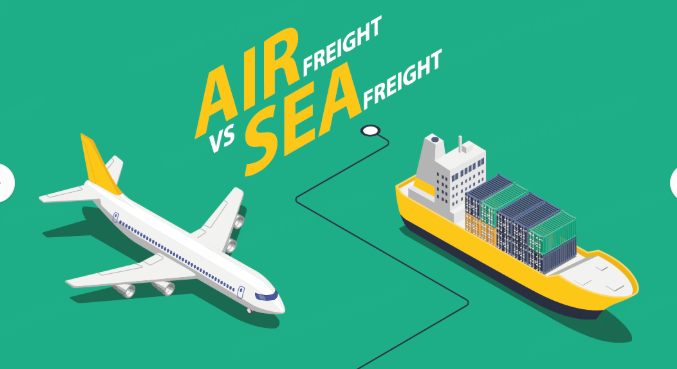
At its simplest, the choice comes down to a trade-off: Speed vs. Cost. forefrontlog
- Air Freight: The gold standard for speed and reliability. It is ideal for high-value goods, time-sensitive shipments, or when you need to avoid potential inventory stockouts. expressfreightoman, wtagroup
- Sea Freight: The powerhouse of global trade. It is the most cost-effective method for shipping large volumes of goods, particularly for bulky items or inventory that is not urgently required. expressfreightoman, unicargo
Side-by-Side Comparison: Sea Freight vs. Air Freight
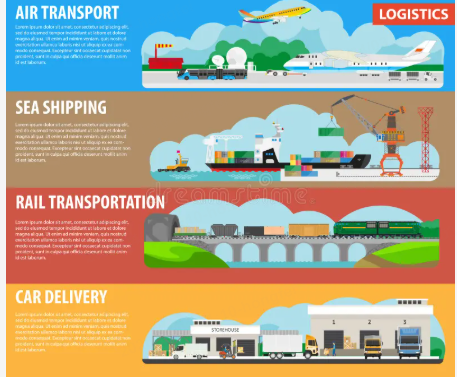
To make an informed decision, refer to this breakdown of key logistics parameters.
| Feature | Sea Freight | Air Freight |
|---|---|---|
| Cost | Low (Economy of scale) unicargo | High (5–10x more expensive) globy |
| Transit Time | Slow (Weeks) letmeship | Fast (1–7 days) wisor |
| Reliability | Moderate (Weather/Port delays) wtagroup | High (Fixed schedules) bgiworldwide |
| Capacity | Massive (FCL/LCL) icontainers | Limited (Weight/Volume) beyondsourcing |
| Best For | Bulk/Heavy cargo unicargo | Urgent/High-value goods expressfreightoman |
Deep Dive: The Strategic Pros and Cons
1. Why Choose Sea Freight?
Sea freight remains the backbone of global commerce for a reason. For B2B platforms like LooperBuy, shipping in bulk via ocean is usually the primary choice for inventory replenishment.
- Unmatched Cost Efficiency: For large-volume B2B orders, ocean freight remains significantly cheaper than air freight. unicargo
- Environmental Impact: Per unit shipped, sea freight has a lower carbon footprint compared to air transport. As sustainability becomes a key metric for European and North American buyers, choosing sea shipping can bolster your brand’s green credentials.
- Flexibility (FCL vs. LCL):
- FCL (Full Container Load): Best for large-scale wholesalers who can fill a 20ft or 40ft container.
- LCL (Less than Container Load): Ideal for growing brands that need to ship smaller quantities without paying for an entire container. icontainers
2. Why Choose Air Freight?
Air freight is not just for emergencies; it is a surgical tool for inventory management.
- Speed to Market: When a product goes viral or you are launching a seasonal line, air freight allows you to react to market trends in days rather than months. linkedin, bgiworldwide
- Enhanced Security: Air cargo typically involves less handling than sea cargo. By reducing the number of times a shipment is loaded and unloaded, you minimize the risk of damage, theft, or pilferage. wisor
- Predictability: In an era of unpredictable supply chains, air freight’s shorter lead times and tighter schedules offer peace of mind. It is the perfect hedge against “Bullwhip Effect” inventory fluctuations. bgiworldwide
2026 Logistics Outlook: Expert Insights
The logistics market in 2026 continues to be shaped by “The New Reality.” kfmzone Before 2020, shipping was relatively predictable. Today, global events can cause sudden port congestion or capacity shortages.
Expert Advice: Don’t just look at the base shipping rate. Consider the Total Landed Cost. logisticshandling Air freight’s higher base cost can sometimes be offset by:
- Lower Inventory Costs: By shipping smaller, more frequent batches via air, you hold less inventory, freeing up cash flow.
- Reduced Packaging Costs: Air cargo is subject to less mechanical stress than sea shipping, allowing for lighter, cheaper packaging materials. logisticshandling
- Lower Insurance Premiums: Due to shorter exposure times and reduced handling, insurance costs for air freight are often lower per shipment. logisticshandling
Advanced Strategies: When to Blend Your Shipping
Smart supply chain managers rarely use one method exclusively. The industry trend for 2026 is a Hybrid Model.
- The “Core & Surge” Strategy: Use sea freight for your core inventory (the items you know sell consistently throughout the year) to keep costs low. Use air freight for “surge” demand—the hot-selling items that need to hit the shelves immediately to capture fleeting market interest.
- Seasonal Planning: During peak seasons, ocean freight transit times often balloon due to port congestion. High-performing brands switch to air during Q3 and Q4 to guarantee availability during the critical holiday shopping window.
Optimizing Your Strategy with LooperBuy
At LooperBuy, we understand that logistics is an extension of your business strategy. Whether you are a brand owner, wholesaler, or manufacturer, our One-Stop B2B Sourcing Platform empowers you to bridge the gap between global sourcing and efficient delivery.
- Source Smarter: Access thousands of products from vetted, reliable suppliers worldwide.
- Logistics Simplified: Leverage our global logistics network to find the best shipping balance, whether that is the massive capacity of sea or the speed of air.
- Competitive Advantage: Our platform is designed to keep your supply chain lean, ensuring your costs remain low regardless of the freight method chosen. We provide the transparency you need to make the right choice, every time.
Ready to streamline your global sourcing? Join the LooperBuy ecosystem today and get your products to market faster and cheaper.
[Start Sourcing on LooperBuy Now]
References
- [1] Sea Freight vs. Air Freight: Which is Better in 2026
- [2] The New Reality of Global Shipping 2026
- [3] Choosing the Right Shipping Mode in 2026
- [5] Air vs. Sea Freight: Choosing the Best Option
- [7] Air Freight vs. Ocean Freight Guide
- [9] Key Differences and How to Choose
- [12] Offsetting Higher Air Freight Costs
- [14] Ocean Freight vs. Air Freight: Pros & Cons
- [15] 2026 Ocean and Air Freight Outlook
- [16] Pros and Cons of Ocean Freight
- [17] Why Air Freight is a Smart Alternative
Frequently Asked Questions (FAQ)
- Which is cheaper, sea or air freight?
Sea freight is consistently more cost-effective for large, heavy, or bulk shipments. Air freight is typically 5 to 10 times more expensive. globy, unicargo - How much faster is air freight?
Air freight can deliver goods in 1–7 days, whereas sea freight usually takes weeks depending on the route and port conditions. wisor, letmeship - What is “Total Landed Cost”?
It is the total price of a product once it has arrived at the buyer’s door, including purchase price, shipping, insurance, customs, and inventory carrying costs. logisticshandling - When should I prioritize air freight?
Use air freight for high-value items, urgent product launches, or to prevent stockouts when sea freight reliability is compromised. expressfreightoman, linkedin - How does LooperBuy help with shipping?
LooperBuy provides a one-stop B2B sourcing platform that simplifies the logistics chain, helping businesses access competitive shipping rates for both sea and air options.
Brief:
Mastering global logistics in 2026 requires a strategic balance between speed and cost. This article examines the critical differences between sea and air freight, offering expert insights on when to choose each based on budget, cargo type, and urgency. By understanding the “Total Landed Cost” and leveraging platforms like LooperBuy, businesses can optimize their supply chain for maximum efficiency and profitability in a competitive global market.
Hot tags: Global sourcing, B2B supply chain management, air freight vs sea freight cost, China wholesale sourcing, international logistics solutions, LCL vs FCL shipping, total landed cost calculation, B2B procurement platform, freight forwarding services, efficient inventory management.