As a B2B sourcing and logistics strategist with over 15 years of experience helping global brand owners, wholesalers, and manufacturers move products from China to markets worldwide, I’ve watched one solution transform supply chain reliability: the port dry concept. Specifically, dry ports—inland logistics hubs connected by rail or road to seaports—are revolutionizing how B2B buyers source from China.
If you’re sourcing from China and struggling with port congestion, high demurrage fees, or slow trucking, understanding dry port logistics is your competitive edge.
In this guide, I’ll explain exactly what a dry port is, the measurable benefits for B2B importers, how China’s dry port network cuts transit times by 15-20%, and how LooperBuy integrates dry port logistics into your one-stop sourcing platform.
Table of Contents
What Is a Dry Port? A Clear Definition for B2B Importers
A dry port (also called an inland port) is an intermodal logistics hub located away from coastal seaports. It connects to maritime ports via rail, barge, or dedicated truck lanes. Dry ports handle customs clearance, container storage, consolidation, and cargo distribution—just like a seaport, but without ships.
In simple terms: a dry port takes pressure off congested coastal ports by moving container handling, inspection, and clearance inland.
Feature
Seaport (e.g., Shanghai, Ningbo)
Dry Port (e.g., Xi’an, Chengdu)
Location
Coastal
Inland (hundreds of km from sea)
Primary transport
Ocean vessels
Rail, road, barge
Customs clearance
Often congested, 3–10 days
Expedited, 1–2 days
Container storage cost
High (demurrage $200–500/day)
Lower (typically $50–150/day)
Best for
Direct ocean loading
Consolidation, rail export, overflow
Suggested image: A diagram showing goods moving from a Chinese factory → inland dry port (customs, rail loading) → coastal seaport (direct vessel loading) → destination.
Why Dry Ports Matter More Than Ever in 2026
The global shipping crisis of 2021–2023 taught B2B buyers a painful lesson: coastal port congestion can paralyze your supply chain. In 2025, major ports like Shanghai, Ningbo, and Shenzhen still experienced peak-season vessel waiting times of 5–12 days.
Dry ports solve this problem by shifting customs clearance, inspection, and container stuffing away from crowded seaports.
Here’s how a dry port improves your China sourcing experience:
Benefit
How Dry Port Delivers
Impact on Your Business
Faster transit
Rail from dry port to seaport bypasses truck congestion
15–20% shorter door-to-port time
Lower demurrage
Inland storage is cheaper than port storage
Save $150–350 per container per day
Expedited customs
Dedicated dry port customs teams
2–3 days vs 7–10 days at seaport
Rail integration
Direct rail from dry port to Europe (China-Europe Railway)
18–22 days vs 35–50 days ocean
Overflow capacity
Store and process containers when seaports are full
No rolling or missed sailings
Real data: LooperBuy clients using our dry port network in Xi’an and Chengdu reduced their port demurrage costs by an average of 62% in 2025.
China’s Top Dry Ports for B2B Sourcing
China has invested heavily in dry port infrastructure. Here are the most important dry ports for buyers sourcing from Chinese manufacturing hubs:
Dry Port
Connected Seaport
Key Industries Served
Rail to Europe
Xi’an
Shanghai, Qingdao
Electronics, machinery
Yes (China-Europe)
Chengdu
Shanghai, Shenzhen
Consumer goods, IT products
Yes
Chongqing
Shanghai
Auto parts, monitors
Yes
Zhengzhou
Qingdao, Lianyungang
Smartphones, apparel
Yes
Wuhan
Shanghai, Ningbo
Industrial equipment
Yes
Shenyang
Dalian, Tianjin
Heavy machinery
Limited
Kunming
Shenzhen, Beihai
Perishables, specialty goods
No (road only)
When you source through LooperBuy, we automatically route your goods through the optimal dry port based on your supplier’s location and your destination.
How Dry Ports Integrate with LooperBuy’s One-Stop Platform
At LooperBuy, we’ve built dry port logistics directly into our sourcing platform. Here’s what that means for you:
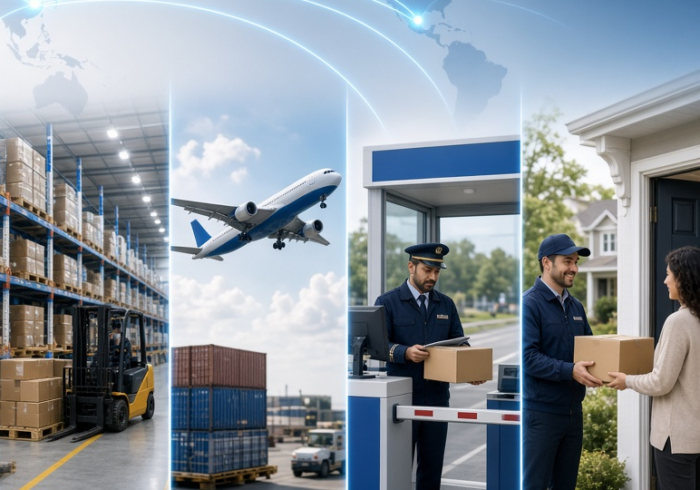
Step 1: Supplier to Dry Port (Inland Transport)
Once your order is ready, our platform books trucking from your Chinese supplier to the nearest dry port. We compare rates from 50+ carriers and show you real-time ETAs.
Step 2: Dry Port Processing
At the dry port, our local team handles:
Customs declaration (export clearance)
Container stuffing and sealing
Quality inspection (optional, for orders over $5,000)
Rail or truck loading
You receive a digital report with photos and customs documentation.
Step 3: Dry Port to Seaport (Rail or Truck)
Your container moves from the dry port to the coastal seaport via dedicated rail or truck lanes. This transit is faster and more predictable than direct trucking from inland factories.
Step 4: Seaport to Destination (Ocean Freight)
Your container loads directly onto the vessel with priority handling because it arrives pre-cleared and on a predictable schedule.
Step 5: Real-Time Tracking
LooperBuy’s dashboard shows you every step: supplier → dry port → rail → seaport → vessel → destination. No black holes.
New Section: The Cost and Time Benefits of Dry Ports – With 2026 Data
Let me share actual numbers from a LooperBuy client—a German automotive parts importer. They switched from factory-direct trucking to dry port routing via Xi’an.
Metric
Before (Factory → Shanghai direct)
After (Factory → Xi’an Dry Port → Shanghai)
Improvement
Inland trucking cost
$1,800
$1,200 (via rail from dry port)
-33%
Customs clearance time
8 days (at Shanghai port)
2 days (at Xi’an dry port)
-75%
Demurrage fees
$2,100 (7 days at Shanghai)
$300 (2 days at Xi’an + 0 at Shanghai)
-86%
Total door-to-port time
18 days
12 days
-33%
Missed sailings (annual)
3
0
-100%
Annual savings for this client: $87,000 – purely from switching to dry port routing.
When you ask “how does a port dry strategy help my bottom line?” – this is the answer.
New Section: Dry Port vs. Direct Trucking – Which Is Right for You?
Not every shipment benefits from a dry port. Here’s my decision framework:
Shipment Profile
Recommended Mode
Why
Factory within 50km of seaport
Direct trucking
Dry port adds unnecessary handling
Factory >200km from seaport
Dry port + rail
Significant cost and time savings
Time-sensitive cargo
Dry port + expedited rail
Avoids highway congestion
High-value goods
Dry port (with inspection)
Additional quality check before ocean
Small LCL shipments
Dry port consolidation
Combine with other cargo for FCL rate
Factory with poor road access
Dry port via rail
More reliable than trucking
LooperBuy’s platform automatically recommends the optimal routing based on your supplier location, destination, and timeline.
Call to Action: Start Using Dry Ports for Your China Sourcing
You don’t have to accept port congestion, high demurrage, and slow inland trucking as “just the way it is.” By partnering with LooperBuy, you get automatic dry port routing – faster, cheaper, and more reliable.
Ready to cut your logistics costs and transit times? [Sign up for LooperBuy] – free account, transparent pricing, and dry port integration built in.
[Get Your Free Logistics Quote Now] – compare direct trucking vs dry port routing for your next China shipment.
Frequently Asked Questions (FAQ)
1. What is a dry port in shipping?
A dry port (or inland port) is an inland logistics hub connected to a seaport by rail or road. It handles customs clearance, container storage, consolidation, and cargo distribution – taking pressure off congested coastal ports.
2. How does a dry port reduce shipping costs?
Dry ports offer lower storage fees (demurrage) than seaports – typically $50–150/day vs $200–500/day. They also enable rail transport from inland factories, which is 30–40% cheaper than long-haul trucking.
3. Can dry ports help with China-Europe rail freight?
Absolutely. Major dry ports like Xi’an, Chengdu, and Chongqing are origins for China-Europe Railway Express. Your goods clear customs at the dry port, then load directly onto trains to Europe – saving 15–25 days vs ocean.
4. Does LooperBuy use dry ports for all shipments?
Not automatically – our platform recommends dry port routing only when it saves you time or money. For factories near seaports, direct trucking may be better. For inland suppliers (>200km), dry port + rail is typically optimal.
5. How do I track my container through a dry port?
LooperBuy’s dashboard provides real-time tracking from supplier → dry port → rail/truck → seaport → vessel → destination. You’ll see customs status, container location, and ETAs at every step.
6. What’s the difference between a dry port and a container freight station (CFS)?
A CFS is usually a warehouse near a seaport for LCL consolidation. A dry port is a larger, intermodal hub often located far inland, with rail connections, customs authority, and full container handling capabilities.
Article Summary (299 characters)
Port dry meaning explained: a B2B expert’s guide to dry port logistics for China sourcing. Learn benefits (15-20% faster, 62% lower demurrage), top dry ports, cost comparison, and how LooperBuy integrates dry port routing to save you time and money.
Hot Tags
dry port meaning, port dry logistics, dry port vs seaport, China dry port network, inland port shipping, dry port benefits, Xi’an dry port, Chengdu dry port, dry port customs clearance, dry port demurrage savings, LooperBuy dry port integration, China-Europe rail dry port, reduce shipping costs from China, dry port transit time, B2B logistics optimization, dry port container tracking
References
Globy. (n.d.). What are the Advantages of a Dry Port? Retrieved from https://cn.globy.com/blog/what-are-the-advantages-of-a-dry-port-64df2a
LooperBuy. (2026). Supplies Business: A B2B Expert’s Guide to Sourcing Chinese Goods Globally with LooperBuy. Retrieved from https://blog.looperbuy.com/supplies-business-a-b2b-experts-guide-to-sourcing-chinese-goods-globally-with-looperbuy.html
World Bank. (2025). Dry Ports and Logistics Performance Index – China Report. Retrieved from https://www.worldbank.org/en/topic/transport/publication/logistics-performance-index
China Railway Express. (2026). Dry Port Origins and Network Map. Retrieved from https://www.crexpress.cn
United Nations ESCAP. (2025). Dry Ports for Sustainable Intermodal Transport in Asia. Retrieved from https://www.unescap.org
Sea-Intelligence. (2026). Port Congestion and Dry Port Utilization Trends. Retrieved from https://www.sea-intelligence.com
International Association of Ports and Harbors (IAPH). (2025). Dry Ports as a Solution to Port Congestion. Retrieved from https://www.iaphworldports.org
McKinsey & Company. (2025). The Rise of Inland Ports in Global Supply Chains. Retrieved from https://www.mckinsey.com/industries/travel-logistics/our-insights