In the fast-paced world of international B2B trade, timing is everything. Whether you are a brand owner, a wholesale distributor, or a manufacturer, having a clear grasp of shipping logistics is critical for maintaining inventory flow and maximizing your margins. At the heart of this planning are four fundamental shipping acronyms: ETD, ETA, ATD, and ATA. Understanding these milestones—especially etd ship (Estimated Time of Departure)—is the key to managing your supply chain effectively and avoiding costly delays.
Table of Contents
Decoding Shipping Acronyms: The Basics

When you book a shipment on a platform like LooperBuy, these terms appear frequently in your tracking dashboard. Knowing what they mean allows you to make informed decisions about inventory replenishment.
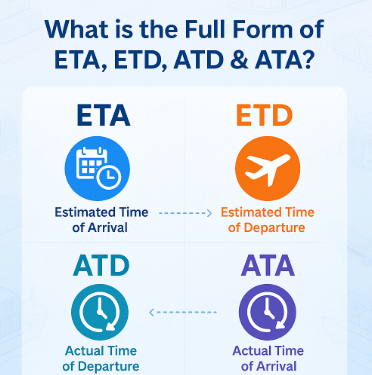
- ETD (Estimated Time of Departure): This is the projected date and time your cargo is expected to leave the origin port or terminal [1, 8]. It is a critical planning anchor for exporters and importers alike [9, 10].
- ETA (Estimated Time of Arrival): The projected date and time your shipment is expected to reach its final destination or a specific transit point [1, 5].
- ATD (Actual Time of Departure): Unlike the estimate, this represents the precise moment the vessel, truck, or aircraft actually left the port [2, 9].
- ATA (Actual Time of Arrival): The confirmed time the shipment physically arrived at the destination [1, 12].
Shipping Milestones Comparison Table
| Acronym | Full Name | Purpose | Nature |
|---|---|---|---|
| ETD | Estimated Time of Departure | Planning & Scheduling | Proactive |
| ETA | Estimated Time of Arrival | Inventory & Distribution | Proactive |
| ATD | Actual Time of Departure | Performance Tracking | Reactive/Historical |
| ATA | Actual Time of Arrival | Final Milestone Tracking | Reactive/Historical |
Why Monitoring Your ETD Ship Is Crucial
From an industry expert perspective, etd ship is more than just a date on a bill of lading; it is a vital indicator of your cargo’s health.
- Inventory Planning: If you know the etd ship, you can accurately calculate your “inventory in transit” and avoid stockouts.
- Risk Management: Delays at the origin are the most common source of supply chain disruption. A consistent lag between your ETD and ATD often indicates a need for a more reliable logistics provider.
- Operational Efficiency: Understanding the gap between estimates and reality helps you set more realistic delivery expectations with your own customers.
Enhancing Your Supply Chain: Expert Insights
1. The “Departure Gap”: Why Estimates Aren’t Always Guarantees
Many B2B buyers get frustrated when a vessel misses its ETD. However, departures are influenced by numerous variables: port congestion, customs clearance procedures, and weather patterns [14]. Always allow for a 24–48 hour buffer in your supply chain planning.
2. Leveraging One-Stop Platforms for Transparency
Platforms like LooperBuy simplify this complexity by providing real-time visibility. By aggregating data across multiple logistics providers, these platforms turn abstract acronyms into actionable intelligence. Instead of manually tracking individual shipments, you can monitor your entire pipeline from a single, intuitive interface.
3. Proactive Communication Strategy
If you see an etd ship date being pushed back, don’t wait for your logistics provider to notify you. Reach out immediately to your supplier or the platform’s support team. Being proactive allows you to adjust downstream operations before the delay ripples through your business.
Optimizing User Experience: Best Practices for Tracking
To maximize your efficiency when working with global suppliers:
- Set Up Automatic Notifications: Rely on platforms that send automated alerts when an ATD or ATA is logged [16].
- Focus on the “Why”: If you notice a consistent delay in ETD, ask your logistics provider if it is due to a specific bottleneck at the origin port.
- Utilize Data History: Keep a spreadsheet of your shipments to identify which routes or carriers consistently meet their deadlines.
(Suggestion: Insert a flow chart graphic here showing the sequence: Order Placed -> ETD -> ATD -> Transit -> ETA -> ATA.)
Your Next Step in Global Sourcing
Mastering these terms is the first step toward a more reliable, cost-effective supply chain. When you partner with LooperBuy, you gain more than just access to a vast catalog of high-quality Chinese goods—you gain a comprehensive, one-stop platform designed to make global logistics as simple as local shopping.
Ready to streamline your business? Start sourcing your next shipment with LooperBuy today and experience the power of a truly transparent global supply chain.
References
- FreightMango: What Do ETA, ETD, ATD, and ATA Mean in Shipping?
- FreightRun: Definition of ETD, ETA, ATA, ATD in Freight Shipping
- Frayto: Meaning of ETD, ETA, ATD, & ATA in Shipping
- Sinay.ai: Solved: Meaning of ETA, ETD, ATD, & ATA in Shipping
- Connecta: Importance of ETA, ETD, ATD & ATA in Shipping and Logistics
- Facebook: What is ETA, ETD, ATA, ATD?
- BSA Global: What You Need to Know About ETA, ETD, ATD, and ATA?
- IQAX: What Do ETD/ETA/ATD Mean?
- Cargo.sa: The difference between ETA, ETD, ATD, ATA
- DHL: Guide to Mastering the Terminology of Logistics Industry
- SupplyHoop: Meaning of ETB, ETA, ETD, ATD & ATA
Frequently Asked Questions (FAQ)
Q1: What should I do if my shipment misses its ETD?
A: Contact your logistics provider or your sourcing platform immediately to verify the reason. Often, it is a minor delay, but it is best to prepare your downstream inventory plan accordingly.
Q2: Is ETD always accurate?
A: No. ETD is an estimate. External factors like port congestion, weather, or documentation delays can push back the departure time.
Q3: How does LooperBuy help with these milestones?
A: LooperBuy provides a streamlined platform that aggregates your shipment statuses, offering clear, real-time updates on your cargo’s progress so you can stay in control.
Q4: Is there a difference between ETD and ATD for my business?
A: Yes. ETD is for planning, while ATD is the reality. Tracking the difference between the two helps you assess the reliability of your shipping route and carrier.
Q5: Should I monitor ETA or ATA more closely?
A: Both are important. ETA helps you plan your sales and marketing, while ATA is essential for receiving and warehouse management.
Introduction (Content Summary):
Navigating international B2B shipping is complex. This article breaks down essential logistics milestones—ETD, ETA, ATD, and ATA—to help business owners optimize their supply chains. We delve into why monitoring your “etd ship” date is vital for inventory management, provide expert tips on managing delays, and showcase how one-stop platforms like LooperBuy simplify global procurement through enhanced visibility and transparency.
Hot Topics & Keywords: B2B sourcing platform, global logistics management, international shipping terms, ETD ship tracking, supply chain optimization, wholesale distribution solutions, import and export logistics, shipping milestones explained, efficient inventory replenishment, cross-border procurement strategies.