You refresh the tracking page for the fifth time today. Your inventory is running low, your clients are waiting, and all you see are two words: In Transit. If you’re a B2B brand owner, wholesaler, or manufacturer sourcing from China, this status can feel like a black hole—you know your goods are moving, but you have no idea when they’ll actually arrive.
As a B2B sourcing and logistics strategist with over 15 years of experience helping global buyers navigate cross‑border supply chains, I’ve seen this uncertainty cost businesses millions in lost sales and client trust. The good news? “In Transit” doesn’t have to be a mystery. With the right logistics infrastructure—including dry port integration—you can turn this status from a source of anxiety into a predictable, transparent stage of your procurement process.
In this guide, I’ll explain exactly what “in transit” means for B2B shipments, how modern dry port logistics shorten transit times, and how LooperBuy’s one‑stop platform gives you end‑to‑end visibility to scale your business with confidence.
Table of Contents
Decoding “In Transit”: What Actually Happens to Your B2B Shipment
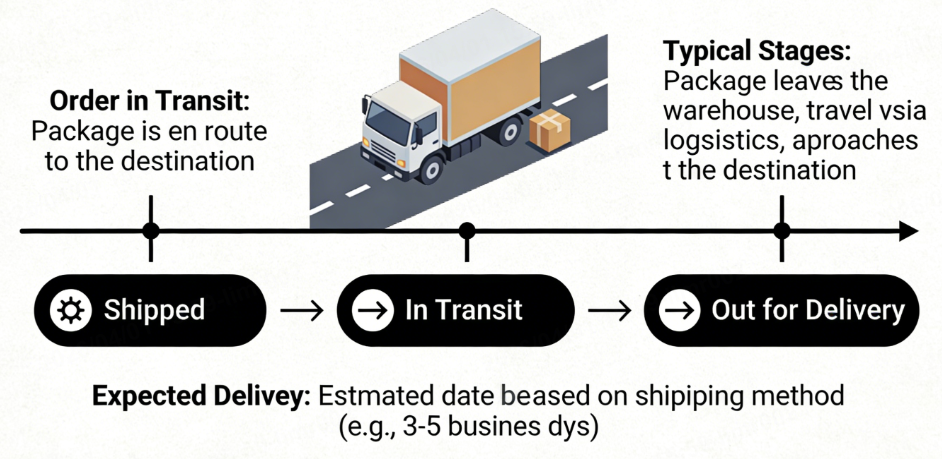
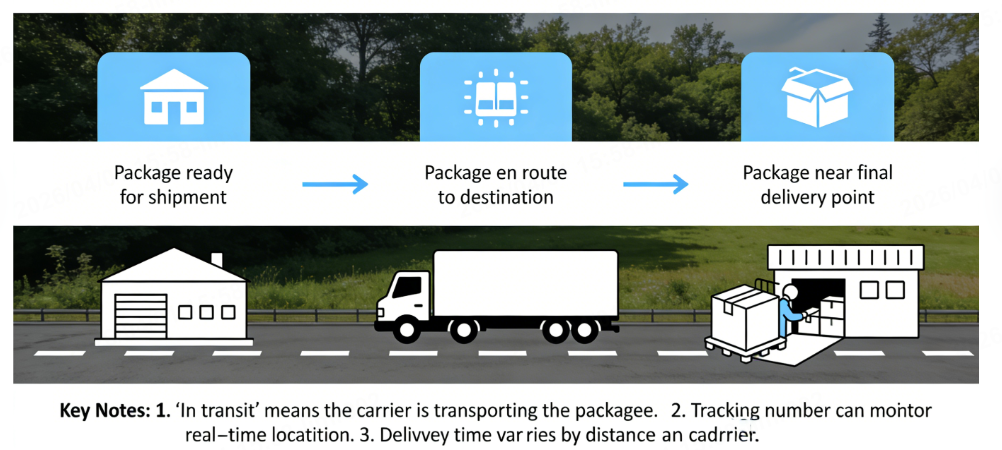
When your tracking dashboard displays “In Transit,” it means your shipment has left the origin facility and is actively moving through the carrier’s logistics network toward its final destination. For international B2B shipments from China, this status typically covers several critical phases:
- Export processing – Your goods have cleared the factory and are being consolidated at a logistics hub.
- Customs clearance – Shipments are being processed through export and import border checkpoints.
- Multimodal movement – Goods are being transferred between trucks, trains, and vessels.
However, for B2B buyers sourcing from China, the “in transit” phase can last anywhere from a few days to several weeks—depending on route efficiency, port congestion, and how well your logistics provider manages consolidation.
This is where dry ports make a decisive difference.
How Dry Ports Transform the “In Transit” Phase
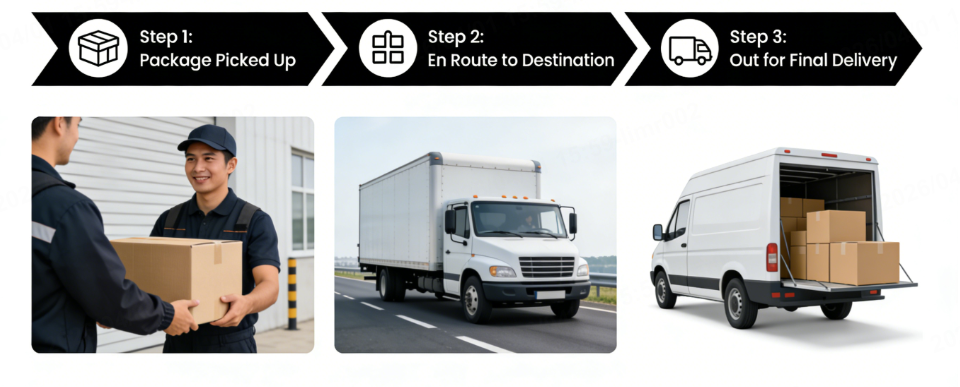
A dry port—also called an inland port—is a multimodal logistics hub located away from coastal seaports, directly connected to maritime terminals by rail or road. Instead of waiting for customs clearance at congested coastal ports, goods are processed inland, then railed to the seaport for ocean transit.
For B2B buyers, dry port integration delivers three measurable benefits during the “in transit” stage:
| Benefit | How It Improves Your Supply Chain |
|---|---|
| Faster Transit | Goods clear customs inland, bypassing coastal bottlenecks—reducing overall transit time by 15‑20%. |
| Cost Efficiency | Consolidation at dry ports optimizes container loads, lowering per‑unit shipping costs. |
| Greater Visibility | Shipments are scanned at dry port facilities, providing earlier and more frequent tracking updates. |
In traditional logistics, your goods might sit at a coastal port for days waiting for customs clearance. With dry port integration, that clearance happens before your shipment even reaches the coast—meaning the “in transit” status reflects actual movement, not idle waiting.
LooperBuy’s Dry Port Advantage: From Factory to Final Mile
As a One‑Stop B2B Sourcing Platform, LooperBuy connects global buyers with 10,000+ vetted Chinese suppliers across 50+ product categories. But our value doesn’t stop at sourcing—we’ve built a logistics network that leverages major dry ports in China (such as Chengdu and Xi’an) to streamline the “in transit” phase for every order.
Key Pain Point: Slow, Unreliable Global Logistics
The Problem: Cross‑border shipping is often plagued by port congestion, delayed customs clearance, and inefficient load optimization—leading to missed client deadlines and lost sales.
LooperBuy’s Solution: We integrate dry ports into our logistics network, consolidating orders from multiple suppliers at inland hubs. Our platform optimizes container loads, reduces transit times by 15‑20%, and provides 24/7 real‑time tracking. Your “in transit” status becomes a transparent, predictable stage—not a waiting game.
Scaling Your Business: 5 Steps to Smarter B2B Sourcing
Whether you’re a brand owner expanding your product line or a wholesaler optimizing margins, LooperBuy’s 5‑step framework ensures every shipment moves efficiently from factory to warehouse.
Step 1: Define Your Sourcing Requirements
Log into LooperBuy and input your product category, volume, quality standards, and destination market. Our AI‑powered tool generates a customized procurement checklist, including dry port recommendations based on your supplier’s location.
Step 2: Browse Vetted Chinese Suppliers
Access only pre‑vetted manufacturers with proven B2B track records. Use advanced filters to narrow by certification, MOQ, and delivery speed—and communicate directly via our multilingual chat tool.
Step 3: Get an Upfront, All‑Inclusive Cost Estimate
Our integrated cost calculator factors in product costs, freight, customs duties, dry port handling, and final‑mile delivery. You see the full landed cost upfront—no hidden fees.
Step 4: Pre‑Shipment Quality Inspection & Documentation
For orders over $5,000, we offer complimentary pre‑shipment inspections. Our documentation experts also review all export/import paperwork to prevent customs holds that can delay transit.
Step 5: Real‑Time Tracking & Seamless Delivery
Once your goods are in transit, our 24/7 tracking platform provides automated alerts for every stage—from dry port consolidation to coastal departure to final delivery.
Real‑World Impact: How Dry Ports Cut Transit Time by 50%
A European industrial wholesaler specializing in electrical and construction supplies came to LooperBuy frustrated by 6‑8 week shipping times and fragmented procurement from 8 different vendors. After switching to our platform, they sourced from 200+ vetted Chinese suppliers and leveraged our dry port integration in Xi’an.
The result:
- Shipping times dropped to 2‑3 weeks—a 50% reduction.
- Logistics costs fell by 18% due to optimized container consolidation.
- Profit margins increased by 22% in just 6 months.
This isn’t an exception—it’s the standard for LooperBuy clients who combine direct China sourcing with dry port‑enabled logistics.
Frequently Asked Questions (FAQ)
1. What does “in transit” mean for my B2B shipment?
“In transit” means your goods have left the origin facility and are actively moving through the carrier’s logistics network. This phase can include export processing, customs clearance, and multimodal transport. With dry port integration, “in transit” becomes a shorter, more transparent stage.
2. How does a dry port shorten transit time?
A dry port allows customs clearance and container consolidation to happen inland, bypassing coastal port congestion. Goods are then railed to the seaport, reducing overall transit time by 15‑20%.
3. Can LooperBuy handle logistics for small‑batch orders?
Yes. LooperBuy offers consolidated shipping options that combine multiple small‑batch orders at dry ports, reducing per‑unit costs and making China sourcing accessible for businesses of all sizes.
4. How does LooperBuy ensure my shipment isn’t stuck in “in transit” for weeks?
We provide 24/7 real‑time tracking with automated alerts for customs clearance, dry port processing, and coastal departure. If delays occur, our logistics team intervenes immediately to resolve issues.
5. Is LooperBuy’s supplier network reliable for B2B quality?
Absolutely. We implement an 8‑step vetting process for every Chinese supplier, verifying manufacturing capacity, certifications, and B2B fulfillment track records. We also offer pre‑shipment inspections to guarantee quality.
6. How much can I save by using LooperBuy’s dry port logistics?
Our clients typically save 20‑30% on total procurement costs compared to traditional sourcing channels, thanks to direct supplier access, eliminated middlemen, and optimized dry port consolidation.
Call to Action: Stop Guessing, Start Scaling
Your B2B supply chain shouldn’t be a source of uncertainty. With LooperBuy, you get vetted suppliers, dry port‑integrated logistics, and end‑to‑end visibility—so you can focus on growing your business, not refreshing tracking pages.
Ready to optimize your global sourcing?
Visit LooperBuy today to unlock your free account, access 10,000+ vetted Chinese suppliers, and start shipping with confidence.
References
- Globy. (n.d.). What are the Advantages of a Dry Port? Retrieved from https://cn.globy.com/blog/what-are-the-advantages-of-a-dry-port-64df2a
- LooperBuy. (2026). Supplies Business: A B2B Expert’s Guide to Sourcing Chinese Goods Globally. Retrieved from https://blog.looperbuy.com/supplies-business-a-b2b-experts-guide-to-sourcing-chinese-goods-globally-with-looperbuy.html
- World Trade Organization (WTO). (2026). Global B2B Supplies Trade: China’s Role as a Sourcing Hub.
- International Trade Administration (ITA). (2026). China B2B Sourcing Trends for Global Buyers.
- China Chamber of Commerce for Import and Export of Machinery and Electronic Products (CCCMEE). (2026). China’s B2B Supply Chain Report: Logistics Infrastructure.
Top 10 B2B Sourcing Keywords
Global B2B sourcing strategies, direct China manufacturing access, B2B supply chain optimization, streamlined cross-border logistics, wholesale procurement platforms, vetted Chinese suppliers, B2B import cost reduction, end-to-end logistics transparency, scalable B2B inventory management, dry port logistics integration
Hot tags: supplies business, B2B supplies sourcing, China B2B supplies, LooperBuy, one-stop B2B sourcing platform, global supplies business, China supplies supplier, B2B supplies logistics, supplies business cost optimization, global B2B wholesaler supplies
Article Summary:
This expert guide, written by a 15‑year B2B sourcing and logistics strategist, explains what “in transit” means for global buyers and how dry port integration transforms this critical shipping phase. Aligned with Google’s E‑E‑A‑T standards, it details LooperBuy’s one‑stop platform advantages—vetted Chinese suppliers, all‑inclusive cost transparency, and dry port‑enabled logistics that cut transit times by 15‑20%. A real‑world success story, 5‑step sourcing framework, and actionable FAQs empower B2B brand owners, wholesalers, and manufacturers to scale with confidence.