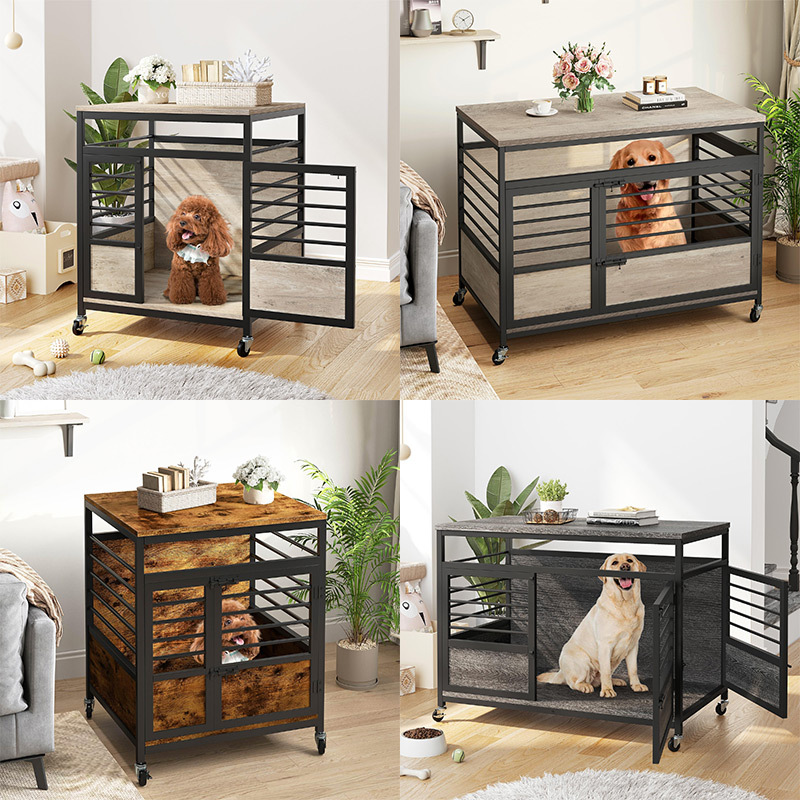
In the realm of modern home design, the challenge of balancing pet ownership with a refined aesthetic is a common hurdle. Traditional metal wire crates, while functional for containment and safety, often stand out as eyesores that disrupt the carefully curated flow of a living room or bedroom. The emergence of the dog cage side table has revolutionized this aspect of pet care, offering a seamless fusion of utility and elegance. By transforming a necessary piece of pet equipment into a sophisticated focal point, homeowners can provide their canine companions with a secure, private sanctuary without sacrificing precious floor space or style.
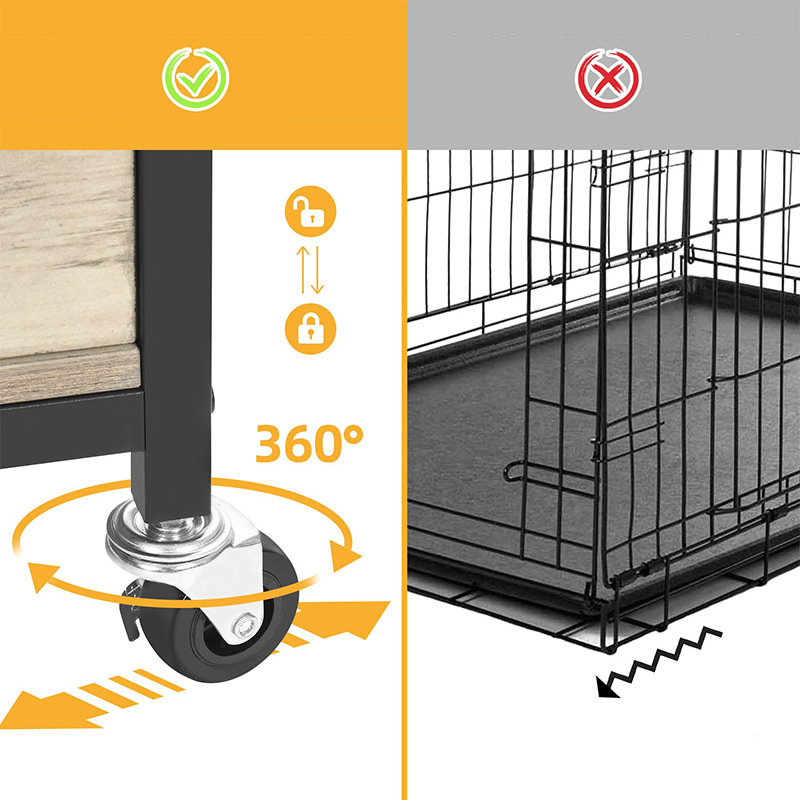
Table of Contents
The Evolution of Pet Housing in Modern Interiors
As our lifestyles become more integrated with our pets, the demand for furniture that serves dual purposes has surged. The concept of pet housing has shifted from purely utilitarian metal enclosures to intentional, design-forward pieces that enhance the home environment. Integrating a containment space directly into a functional surface like an end table or a nightstand represents the pinnacle of this functional trend. It reflects a deeper understanding of both canine behavioral needs and the human desire for a harmonious, clutter-free living space.
Understanding the Dual-Purpose Design
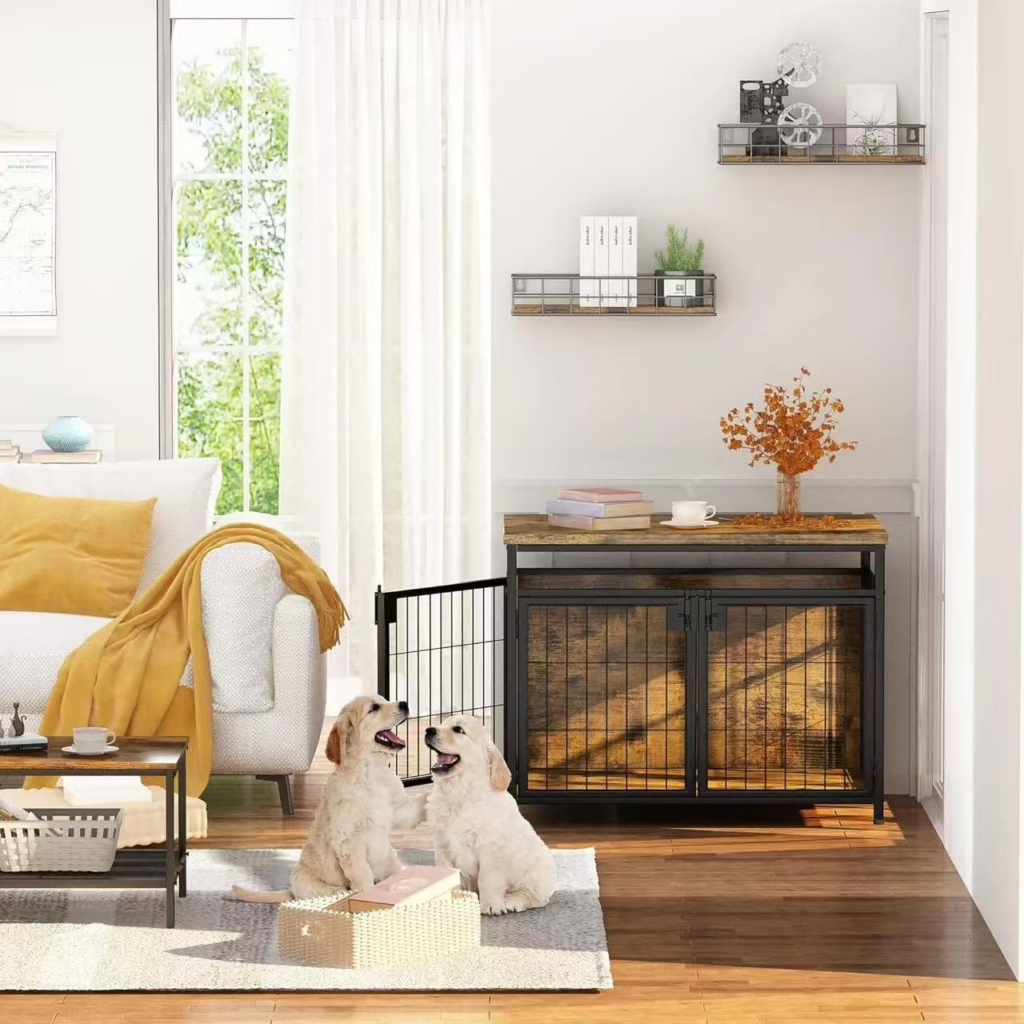
The genius of the dog cage side table lies in its ability to camouflage a kennel within the architecture of common furniture items. These pieces are engineered to look like high-quality wooden cabinets or metallic-accented tables, yet they offer the ventilation, visibility, and security that a dog requires to feel safe. By moving away from purely industrial designs, these pieces act as an anchor in a room, allowing the crate to become a part of the decor rather than a temporary installation. This design approach acknowledges that a dog’s resting place is not just a cage but a den, and when placed in the heart of the home, it can actually deepen the bond between the pet and the family.
Space Optimization for Compact Living
For those living in apartments or smaller homes, every square inch of floor space is valuable. A conventional crate occupies a large, awkward footprint that is difficult to navigate around and impossible to utilize for anything other than storage or, in the worst cases, as a pile of forgotten items. By adopting a furniture-style crate, homeowners reclaim that horizontal surface area. Suddenly, the spot that once held a bulky metal cage becomes a functional table for books, a lamp, a houseplant, or even a charging station for devices. This efficient use of space is a game-changer for interior layouts, proving that pet safety does not have to come at the expense of a well-organized and functional room.
Selecting the Ideal Furniture-Style Crate for Your Home
Choosing the right piece requires a thoughtful balance between your dog’s size and comfort and your interior design preferences. It is not enough to select an item that looks beautiful; it must also be a durable, secure, and comfortable environment for your pet. Before investing, it is crucial to consider the temperament of your dog, the materials that best suit your household, and the overall aesthetic of the space where the table will reside.
Prioritizing Pet Comfort and Security
The primary purpose of any kennel is to serve as a safe haven for your dog. A high-quality furniture-style crate should prioritize superior ventilation, ensuring that your pet remains cool and comfortable even during extended periods of rest. The latch mechanism must be secure yet easy for the owner to operate, preventing accidental escapes while ensuring durability over time. Furthermore, the interior surfaces should be easy to clean, as accidents or muddy paws are inevitable. A well-constructed crate will feel solid and stable, preventing any rattling or movement when your dog moves inside, which contributes significantly to their sense of security.
Aesthetic Harmony and Material Quality
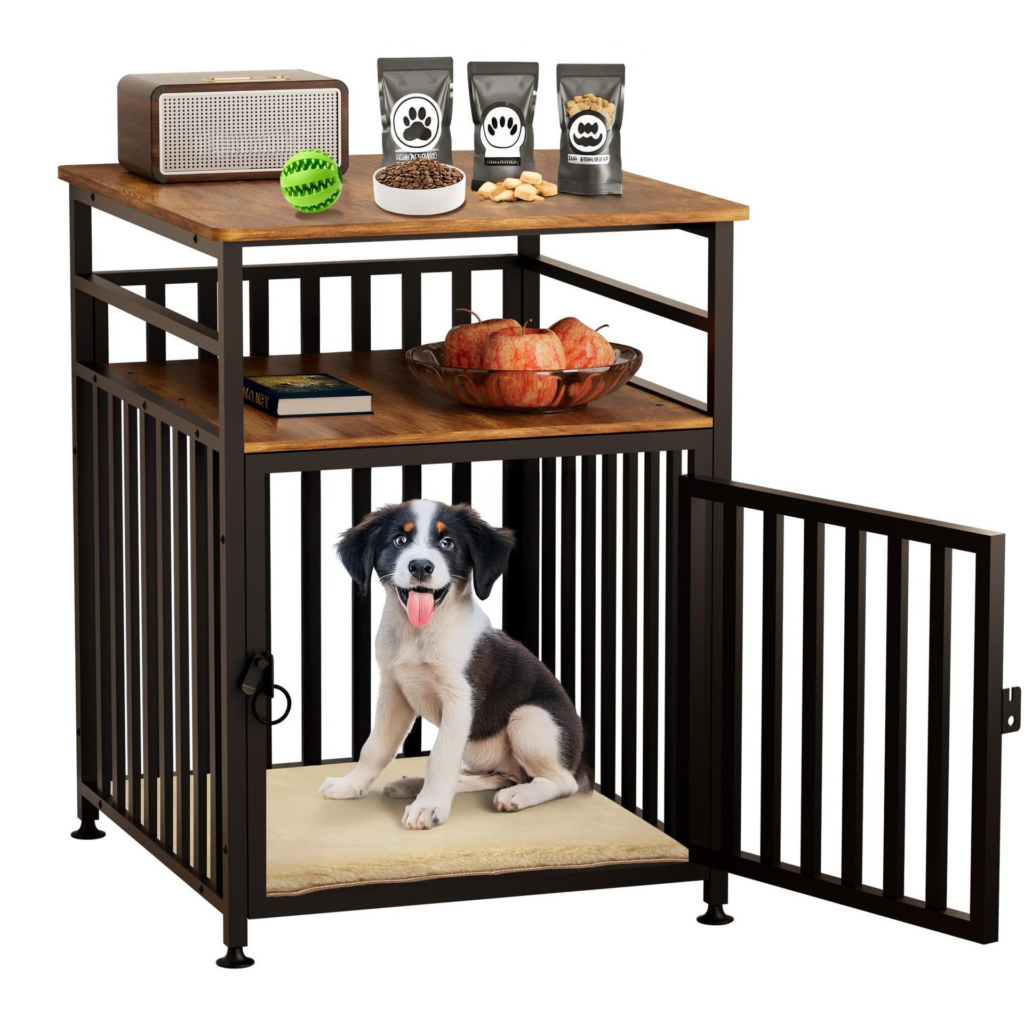
When shopping for an integrated table, the materials used will dictate both the visual appeal and the longevity of the piece. Solid wood offers a timeless, high-end look that anchors a room and provides significant durability, making it an excellent investment for households that value long-term quality. For those who prefer a more modern or minimalist vibe, options featuring metal accents, glass, or engineered wood with clean lines can offer a contemporary flair. It is essential to choose finishes that match or complement your existing furniture, such as matching side tables, consoles, or media cabinets, to ensure that the piece looks intentional rather than like an afterthought.
Integrating the Crate Into Your Daily Lifestyle
Once you have chosen the perfect piece, the process of integrating it into your home extends beyond just placement. Training your dog to view this new structure as their dedicated den is essential for long-term success. Furthermore, treating the top of the table as a curated decorative surface will help it blend into your interior design, transforming it from a pet accessory into a genuine piece of home decor.
Creating a Den-Like Experience
To encourage your dog to use the space, it is important to make the interior as comfortable and inviting as possible. Add a high-quality orthopedic bed that perfectly fits the dimensions of the interior floor. Because the surrounding furniture is solid, it naturally provides the dim, quiet, and secure environment that dogs crave for relaxation. This structural design helps in reducing anxiety, as the dog feels shielded from the hustle and bustle of the house while still being able to observe the family through the slats or door. Consistency in usage—using the crate for naps and nighttime sleep—will reinforce the space as a positive, calming retreat.
Styling the Surface for Interior Design
The surface of your new dog cage side table is a prime location for personal expression. Because these pieces are often positioned next to sofas or beds, they serve as excellent platforms for decorative vignettes. Consider placing a stylish table lamp to add warmth to the corner of the room, or grouping a few books with a decorative bowl or a small vase of flowers. By styling the top, you draw the eye to the design of the table itself, rather than the contents inside. This shift in perspective is what truly bridges the gap between pet equipment and home furniture, effectively masking the cage and elevating your room’s overall aesthetic appeal.
Mastering the Setup: Beyond Basic Placement
Beyond the initial purchase, the way you maintain and integrate this furniture into your daily routines defines its success. It is not merely about having a place for the dog to sleep; it is about creating a holistic pet-inclusive home. Many owners find that these tables become the natural “command center” of a room. Because the table occupies a central location, it is often the perfect spot to keep pet essentials—such as a small basket for leashes, a treat jar, or a container for grooming wipes—hidden in plain sight. This organized approach minimizes the clutter typically associated with pet supplies, keeping your home tidy while maintaining quick, easy access to what you need for your furry companion.
Customization for Your Unique Needs
Another advantage of the current market for dog cage side tables is the variety of customizable options available. Some homeowners go a step further by adding personalized nameplates to the front, painting the wood to match a specific accent wall, or upgrading the hardware to coordinate with existing door handles and cabinet pulls in the room. If you have a particularly active or curious puppy, consider adding protective floor mats inside the crate to prevent scratching and to make cleanup even faster. Taking these extra steps ensures that the furniture is not just a mass-produced item, but a custom solution that fits seamlessly into your family’s specific lifestyle and design preferences.
Maintaining the Integrity of Your Furniture
Because these units serve as furniture, they require a slightly different maintenance approach than a standard metal crate. Regular dusting and occasional wood polishing are necessary to keep the exterior looking pristine. If you have a dog that tends to drool or bring in outdoor debris, ensure that the interior materials are treated with a pet-safe, wipeable sealant. This attention to detail preserves the beauty of the piece and ensures it remains a functional side table for many years. Remember, the goal is for the crate to be an invisible part of your home’s charm, which means keeping it clean and well-maintained is just as important as the initial design choices you make during the buying process.
Long-Term Benefits and Considerations
Investing in high-quality pet furniture is a decision that pays dividends in both convenience and home enjoyment. While the initial cost may be higher than a simple wire cage, the long-term benefits of improved home aesthetics, better space management, and increased pet comfort make it a wise choice for most dog owners.
Durability and Investment Value
Cheaply made alternatives often deteriorate quickly, with latches failing or surfaces scratching after minimal use. Investing in a piece that features heavy-duty construction, high-grade materials, and thoughtful design ensures that the unit will remain a staple in your home for years to come. A sturdy piece of pet furniture can withstand the wear and tear of daily use, maintaining its structural integrity and visual appeal over time. When viewed as a long-term piece of home decor, the investment becomes much more justifiable, providing lasting value that a basic wire crate simply cannot match.
Enhancing the Bond Between Pet and Home
Ultimately, the goal of incorporating a furniture-style crate into your home is to create a living environment that honors both your design sensibilities and your dog’s needs. When your home is designed to accommodate your pet with grace and functionality, it minimizes the stress associated with pet ownership and maximizes the joy of living with your animal companion. A happy, well-rested dog in a home that feels put-together and cohesive is the ultimate sign of a modern, pet-friendly lifestyle. By thoughtfully integrating these pieces, you are creating a space that feels truly complete, where every element, from the smallest decorative detail to the dog’s comfortable retreat, serves a meaningful purpose.
conclusion
In conclusion, the integration of a dog cage side table represents an intelligent evolution in residential design. These versatile pieces effectively solve the conflict between the necessity of pet containment and the desire for a beautiful, orderly home. By carefully selecting a durable, aesthetically pleasing model and thoughtfully incorporating it into your living space, you can enhance your home’s functionality while providing a cozy, secure sanctuary for your furry friend. This transition marks a shift toward more intentional, harmonious living, ensuring that your pet remains a well-integrated and comfortable member of the household.
How to purchase:Online B2B sourcing platform, China purchase, Chinese suppliers – LooperBuy
Related Questions & Answers
· Does a furniture-style crate provide enough ventilation for my dog?
Yes, most well-designed furniture-style crates are engineered with multiple, strategically placed ventilation slats or metal grid doors that ensure proper airflow. When choosing one, look for models that emphasize open design elements on multiple sides to ensure your dog stays cool and comfortable.
· Is it difficult to clean a dog cage side table?
Cleaning is relatively straightforward, but it depends on the design. Many models feature removable floor trays that slide out for easy cleaning, while others have doors that open wide to allow for vacuuming or wiping down the interior. Using a water-resistant bed or pad inside can further simplify maintenance.
· Will my dog chew the wood on a furniture-style crate?
While many of these pieces are made of durable, high-quality wood or engineered wood, they are not indestructible. If your dog is a heavy chewer, you should look for models that feature metal-reinforced edges or opt for a unit with more metallic components. Proper crate training will also help reduce destructive behavior by ensuring the dog sees the space as a place to rest.
· How do I ensure the size is correct for my dog?
To ensure your dog is comfortable, you should measure them when they are standing and lying down. They should have enough room to stand up, turn around, and lie down comfortably without feeling cramped. Always refer to the manufacturer’s dimensions and weight recommendations for the specific model you are considering.
· Can these crates hold the weight of decorative items on top?
High-quality, furniture-grade dog crates are built to be sturdy and can easily support the weight of common side table items like lamps, books, and decorative vases. Some manufacturers even specify weight limits, so be sure to check the product description for details if you plan on placing heavier items on the top surface.
Hot Tags:
Pet Furniture, Dog Crate Table, Home Decor, Interior Design, Pet Housing, Living Room Style, Functional Furniture, Canine Comfort, Space Optimization, Dog Owners, Pet Friendly Living, Modern Kennel Designs, Interior Aesthetics, Decorative Pet Crates, Dog Sanctuary, House Organization, Pet Comfort, Furniture Integration, Stylish Pet Care, Indoor Dog Den, Custom Pet Home, Canine Lifestyle, Pet Product Design, Home Harmony, Pet Safe Furniture, Pet Product Trends, Home Organization, Comfortable Dog Space, Stylish Home Accessories, Pet Centric Living