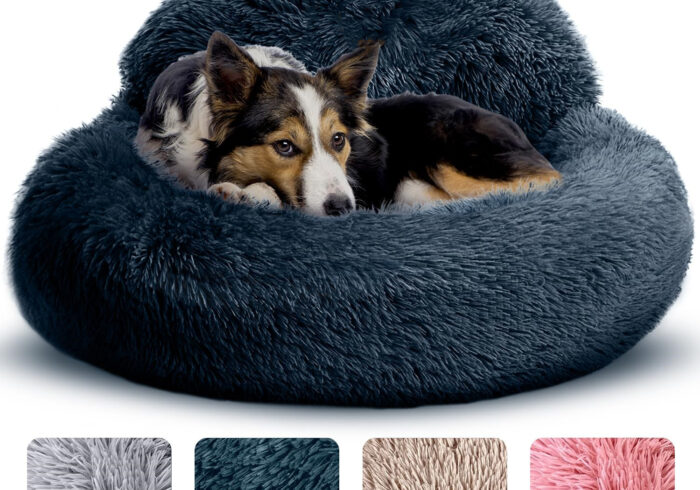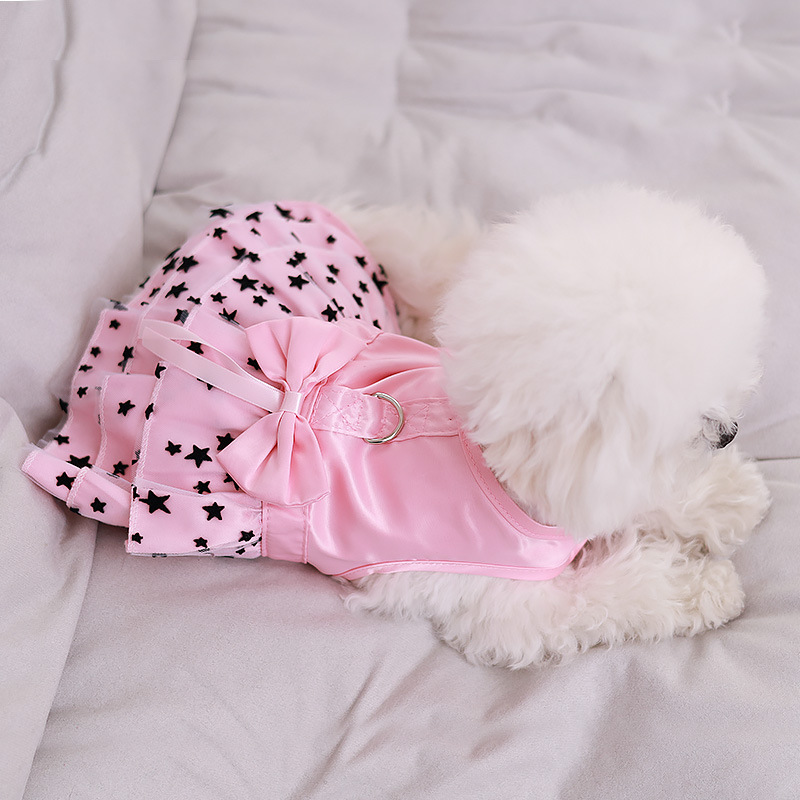
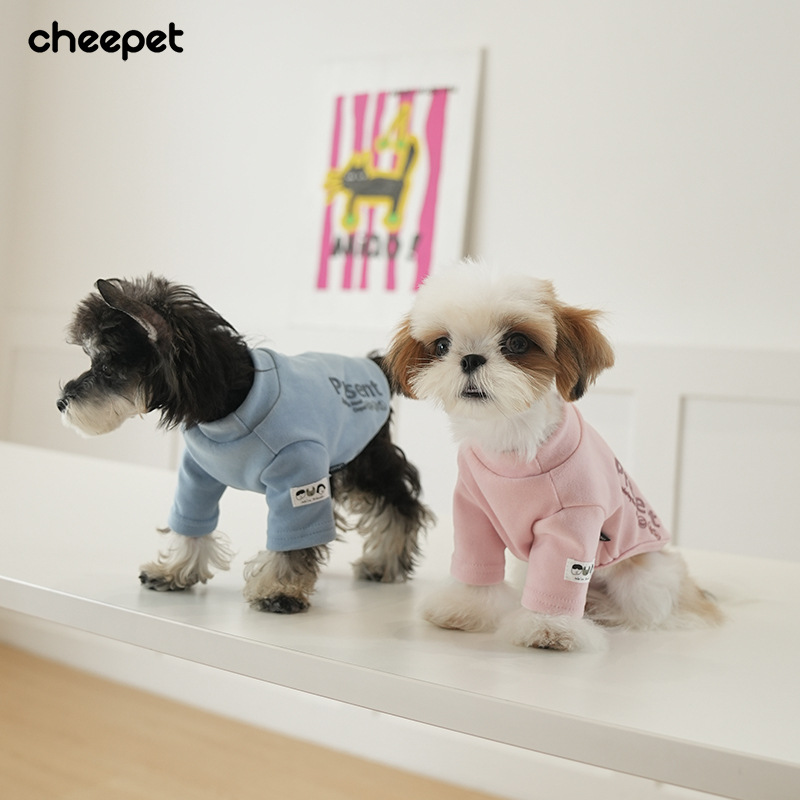
In the modern era, the sight of a dog wearing a sweater, a raincoat, or even a specialized cooling vest has transitioned from a quirky novelty to a multi-billion-dollar global industry. The concept of dog pet clothes has evolved far beyond the simple desire to make our canine companions look charming for a photograph. Today, pet apparel represents a sophisticated intersection of functional veterinary science, advanced textile technology, and the deep psychological bond shared between humans and their animals. As we treat our pets increasingly like members of the family—a phenomenon sociologists call “pet humanization”—the industry has responded with innovations that prioritize comfort, health, and ethical production. This shift marks a significant change in how we perceive the role of animals in our lives, moving from outdoor guardians to indoor family members who deserve the same protections and expressions of identity that we afford ourselves.
Table of Contents
The Historical Journey of Canine Apparel
The history of dogs wearing garments is surprisingly ancient and deeply rooted in the practicalities of survival. While we might think of pet fashion as a modern phenomenon, evidence of protective gear for dogs dates back to early civilizations. In ancient times, hunting and military dogs were often outfitted with leather armor or thick protective padding to shield them from the tusks of wild boars or the blades of enemy soldiers. These early iterations of dog pet clothes were strictly utilitarian, designed to protect a valuable working asset rather than to express a stylistic preference. These dogs were soldiers and hunters, and their “clothes” were their shields.
By the 18th and 19th centuries, particularly in the royal courts of Europe, the purpose of canine clothing began to shift toward status and ornamentation. In Paris, the 19th century saw the opening of the first high-end boutiques dedicated to canine accessories, where the elite could purchase silk capes and velvet jackets for their lapdogs. Queen Victoria, a famous dog lover, was instrumental in popularizing the trend in England, often seen with her dogs dressed in decorative collars and lightweight wraps. This period marked the beginning of pet apparel as a reflection of the owner’s social standing and wealth. However, it wasn’t until the late 20th century that the mass market for pet clothing truly exploded, fueled by the rise of urban living and the availability of affordable, mass-produced textiles. Today, the historical lineage of canine clothes continues to influence modern designs, blending the rugged protection of the past with the refined aesthetics of the present.
Functional Necessity: When Clothing is a Health Requirement
While style is a significant driver of the market, the primary justification for dog pet clothes remains functional health. Not all dogs are biologically equipped to handle the diverse climates in which they live. Breeds with short coats, such as Greyhounds, Whippets, and Chihuahuas, lack the undercoat necessary to retain body heat in freezing temperatures. For these breeds, a high-quality winter coat or sweater is not a luxury; it is a vital tool to prevent hypothermia and frostbite. Even larger dogs with thin coats can suffer when the temperature drops, as their core body heat dissipates rapidly without an insulating layer.
Conversely, the rise of extreme heatwaves in urban environments has led to the development of cooling vests. These garments use evaporative cooling technology to help brachycephalic breeds—dogs with flat faces like Bulldogs and Pugs—regulate their body temperature. Because these dogs struggle to pant efficiently, they are at high risk for heatstroke. A specialized vest can provide a life-saving buffer during summer walks by drawing heat away from the body. Furthermore, protective clothing serves a purpose in medical recovery. Post-operative suits are increasingly replacing the traditional “cone of shame.” These soft, breathable bodysuits cover surgical incisions, preventing the dog from licking or scratching the wound while allowing them to maintain their mobility and dignity during the healing process. This functional evolution shows that the industry is deeply rooted in improving the actual quality of life for animals.
The Material Revolution: Sustainable and Technical Fabrics
The materials used in dog pet clothes have undergone a radical transformation. Gone are the days of itchy, restrictive wools or cheap plastics that could cause skin rashes. Modern pet apparel leverages the same textile innovations found in high-end human athletic wear and outdoor gear. The focus has shifted toward fabrics that are not only durable but also safe for prolonged contact with animal skin and fur.
Sustainable Fibers and Eco-Consciousness
In response to the global push for sustainability, many pet brands now prioritize organic and recycled materials. Organic cotton is a popular choice for dogs with sensitive skin or contact dermatitis, as it is free from the harsh pesticides and dyes found in conventional fabrics. Bamboo fiber has also emerged as a premium material due to its natural hypoallergenic and antimicrobial properties, which help manage the “doggy smell” that can accumulate in pet garments. For environmentally conscious owners, “rPET” fabrics—polyester made from recycled plastic bottles—provide durable, water-resistant options for raincoats and parkas. This commitment to sustainability reflects the values of modern pet owners who want to protect the planet as much as they want to protect their pets.
Technical Textiles and Smart Wear
Technical fabrics like Ripstop nylon, Gore-Tex, and specialized fleece are now standard in outdoor canine gear. These materials offer windproofing, waterproofing, and breathability, ensuring that a dog remains dry without overheating during vigorous activity. Some high-end lines even incorporate reflective technology that is woven directly into the fabric, providing 360-degree visibility for nighttime safety. Looking toward the future, the “smart” clothing trend is beginning to integrate GPS trackers and biometric sensors directly into harnesses and vests. These advancements allow owners to monitor their pet’s heart rate, respiratory patterns, and activity levels through a smartphone app, effectively turning dog pet clothes into a wearable health clinic.
The Psychology of the Anxiety Wrap
One of the most fascinating developments in the world of dog pet clothes is the use of pressure-based garments to manage anxiety. Concepts like the “anxiety wrap” or “ThunderShirt” rely on the principle of maintained pressure to calm the nervous system. This is similar to the “weighted blanket” effect in humans or the practice of swaddling an infant to provide a sense of security.
When a dog experiences fear during thunderstorms, fireworks, or vet visits, their sympathetic nervous system goes into a “fight or flight” mode. A snug-fitting garment applies gentle, constant pressure to the dog’s torso, which can stimulate the release of oxytocin and endorphins. For many dogs, this physical sensation provides a sense of security and grounding, significantly reducing panting, pacing, and whining. This psychological application of clothing highlights that the industry is moving beyond the aesthetic to address the mental well-being of the animal. It treats the dog as a sentient being with complex emotions that can be soothened through thoughtful design.
The Aesthetics of Identity: Why Owners Choose Specific Styles
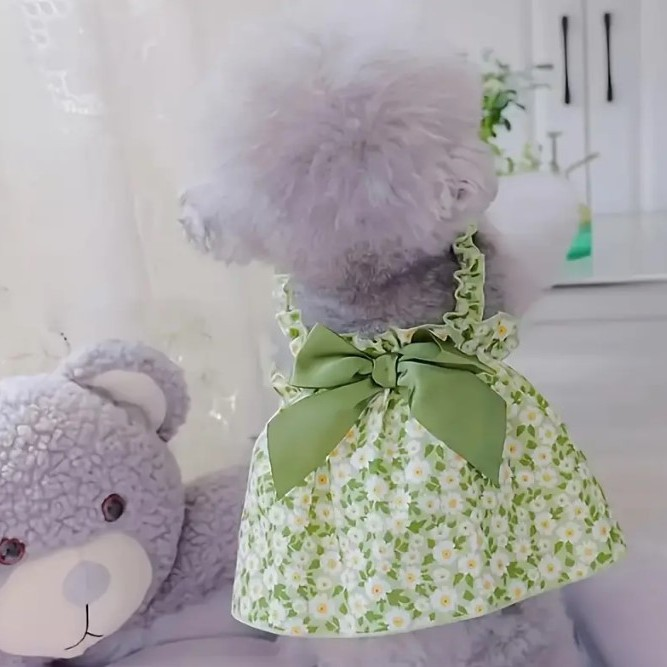
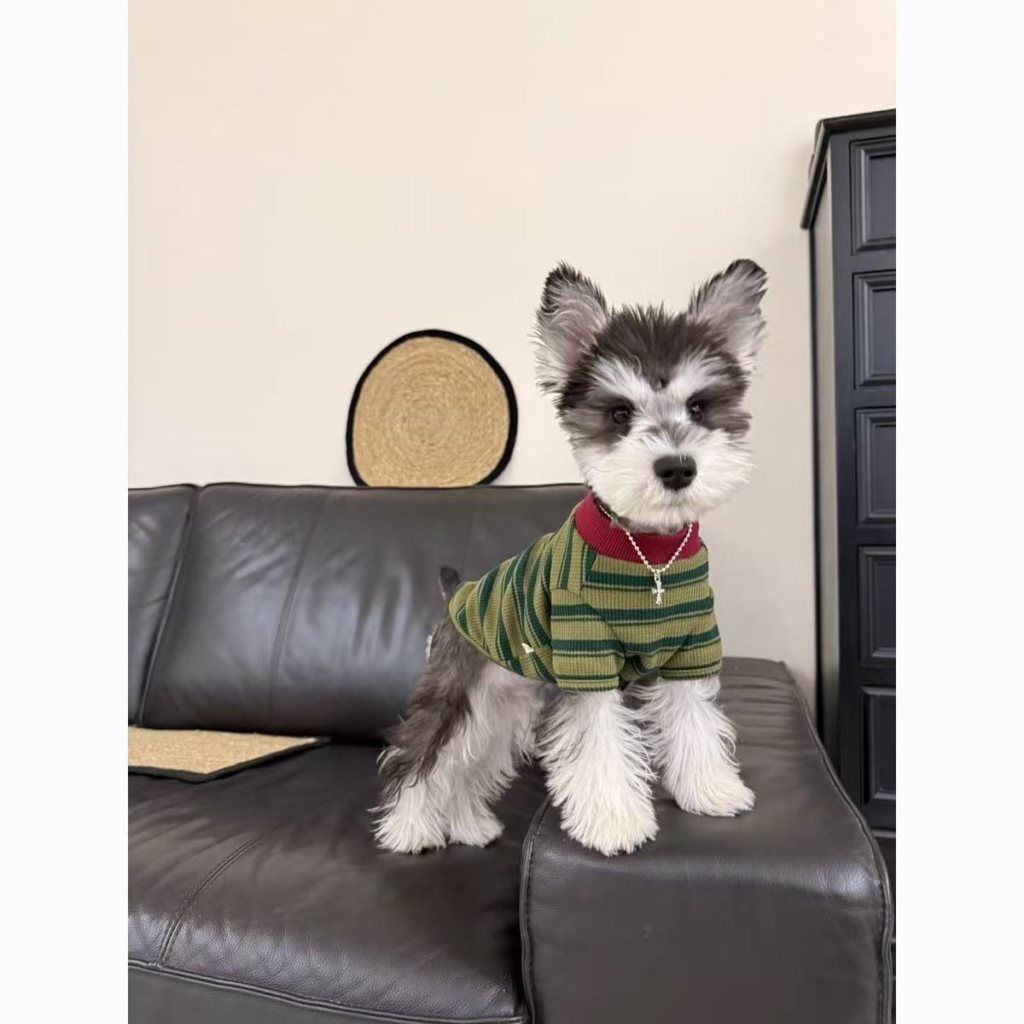
Beyond the functional and medical, dog pet clothes serve as a medium for self-expression. For many owners, the way their dog is dressed is an extension of their own personal style and identity. Whether it is a rugged flannel shirt for a “hiking dog,” a sleek raincoat for an “urban explorer,” or a whimsical costume for a holiday, these choices tell a story about the dog’s personality and the owner’s lifestyle.
This trend is heavily influenced by social media, where platforms like Instagram and TikTok have created “pet influencers.” A dog with a curated wardrobe can amass millions of followers, leading to collaborations with major fashion brands. While some critics argue that this is purely for the owner’s vanity, proponents suggest that it strengthens the human-animal bond. The act of dressing a pet requires a level of intimacy and trust; it is a shared activity that involves touch and positive reinforcement. When done correctly, with the pet’s comfort as the priority, it can be a bonding ritual that emphasizes the dog’s role as a companion rather than just an animal.
Practicality vs. Performance: The Rise of Adventure Gear
A significant sub-sector of the dog pet clothes market is dedicated to high-performance adventure gear. As more owners take their dogs on strenuous hikes, camping trips, and even kayaking adventures, the demand for “activewear” has soared. This gear is built to withstand the elements, featuring reinforced stitching, heavy-duty buckles, and snag-resistant fabrics.
Adventure-specific clothing often includes features like integrated lifting handles on the back of jackets, which allow owners to assist their dogs over difficult terrain or pull them out of water. There are also “booties” designed for rocky or hot surfaces, which are essential for preventing paw pad burns or cuts. This specialized segment of the market underscores the fact that dog clothing is increasingly about enabling a shared lifestyle. It allows dogs to safely accompany their owners into environments that might otherwise be too harsh or dangerous, ensuring that the adventure doesn’t have to end because of the weather or the terrain.
Navigating Sizing and Breed-Specific Fits
One of the greatest challenges for pet owners is finding the perfect fit. Unlike human clothing, which follows relatively standardized sizing, dog pet clothes must account for an incredible diversity of body shapes—from the deep-chested Doberman to the long-bodied Dachshund and the barrel-chested French Bulldog. A “medium” for a Beagle is not the same as a “medium” for a Greyhound.
How to Measure Correctly
To ensure comfort and safety, owners must take three primary measurements before purchasing any garment:
- The Neck Girth: Measured around the thickest part of the neck where a collar usually sits. This ensures the garment isn’t too tight around the throat.
- The Chest Girth: Measured around the widest part of the ribcage, usually just behind the front legs. This is the most critical measurement for comfort and range of motion, as a tight chest can restrict breathing and movement.
- The Back Length: Measured from the base of the neck to the base of the tail. This determines how much of the body is covered and ensures the garment doesn’t interfere with the tail’s movement.
A well-fitting garment should allow the dog to move naturally, sit, lie down, and go to the bathroom without any restriction. It is a general rule of thumb that you should be able to fit two fingers between the fabric and the dog’s skin to prevent chafing. If a dog is between sizes, it is almost always better to size up to allow for comfort and airflow.
The Ethical Considerations of Pet Fashion
As the industry grows, so does the need for ethical considerations. This includes not only the way the clothes are made but also how they are used. Ethical pet fashion brands focus on fair labor practices in their supply chains and ensure that the dyes and chemicals used in production are non-toxic to animals who might lick or chew their clothes.
Furthermore, there is an ethical responsibility on the part of the owner to prioritize the dog’s autonomy. Not all dogs enjoy wearing clothes, and forcing a dog into a garment that causes them distress is counterproductive to their well-being. Professional trainers often suggest a “consent-based” approach, where the dog is rewarded for interacting with the clothing and is never forced to wear something that causes a “shutdown” or signs of fear. Ethical fashion means respecting the animal’s physical and emotional boundaries, ensuring that the clothing is a benefit to the dog, not a burden.
The Future of Pet Fashion: Luxury and Personalization
The pet apparel market is currently experiencing a “premiumization” trend. High-fashion houses like Gucci, Prada, and Moncler have launched dedicated pet lines, offering everything from cashmere sweaters to designer rain-capes. These luxury items often use the same high-end production lines as human haute couture, reflecting a broader cultural shift where the dog is no longer just a pet; it is a lifestyle companion whose appearance is an extension of the owner’s luxury experience.
Personalization is also driving the market forward. Custom-made dog pet clothes tailored to a specific dog’s measurements are becoming more accessible through online platforms and even 3D scanning technology. This is particularly beneficial for mixed-breed dogs or those with unusual proportions who struggle to fit into “off-the-rack” sizes. Whether it is a bespoke tuxedo for a wedding or a personalized high-visibility vest for a hiking trip, the ability to customize ensures that the clothing serves the individual needs of the dog perfectly. As we look to the future, we can expect to see even more integration of “smart” technology, sustainable “lab-grown” fabrics, and highly specialized designs that cater to every possible canine activity.
Conclusion
The world of dog pet clothes has matured into a sophisticated, multi-faceted industry that balances the whimsy of fashion with the rigor of functional design. By understanding the historical context, the physical needs of different breeds, and the psychological impact of certain garments, owners can make informed decisions that significantly enhance their pet’s life. Clothing for dogs has moved past the stage of being a mere accessory; it is now a recognized tool for health, safety, and emotional support.
As materials become more sustainable and technology continues to integrate into textiles, the future of canine apparel looks both innovative and compassionate. Ultimately, whether a dog is wearing a heavy parka for a snowy trek, a cooling vest for a summer afternoon, or a simple cotton tee for sun protection, the goal remains the same: ensuring the comfort, safety, and happiness of our most loyal friends. Dressing a dog is no longer just about how they look to the world, but about how they feel within it, bridging the gap between our two species through the universal language of care and protection.
How to purchase:Online B2B sourcing platform, China purchase, Chinese suppliers – LooperBuy
Frequently Asked Questions
1. Do all dogs actually need to wear clothes in the winter?
Not every dog requires additional layers. Large, northern breeds with thick double coats—such as Siberian Huskies, Alaskan Malamutes, and Saint Bernards—are biologically designed for cold climates and may actually overheat if dressed in heavy sweaters. However, small breeds, senior dogs, and those with very thin fur definitely benefit from extra insulation when temperatures drop below freezing. If your dog is shivering, lifting their paws off the ground, or reluctant to go outside, they likely need a coat.
2. Can wearing clothes for long periods cause skin irritation for my dog?
Yes, skin irritation can occur if the clothing is too tight, made of poor-quality synthetic materials, or left on for too long. Friction from walking can cause “matting” of the fur and chafing of the skin, especially in the armpit and chest area. It is important to choose breathable fabrics like cotton or bamboo, ensure a proper fit using the “two-finger rule,” and remove the clothing periodically to brush the dog’s fur and let the skin breathe. Always check for redness or hair loss after your dog has been wearing a garment.
3. How can I tell if my dog is uncomfortable or stressed while wearing clothes?
Dogs communicate their discomfort through specific body language. Signs that a dog is unhappy with their attire include “freezing” (refusing to move at all), excessive licking or biting at the garment, tucking their tail, or trying to rub the clothes off against furniture or the ground. If your dog shows these signs, the item may be too restrictive, itchy, or they may simply need a gradual “positive reinforcement” training period using treats to get used to the sensation of wearing clothes.
4. Is it safe to leave a dog alone while they are wearing clothes?
It is generally advised to supervise your dog while they are dressed, especially if the garment has buttons, zippers, or tassels that could be chewed off and swallowed, posing a choking hazard or causing an intestinal blockage. Additionally, if a dog gets their leg caught in a loose-fitting sweater while trying to jump, it could lead to injury. For overnight or unsupervised wear, simple, snug-fitting pajamas or medical recovery suits without dangling parts are the safest options.
5. How often should I wash my dog’s pet clothes?
Just like human clothes, dog pet clothes collect dirt, skin oils, and environmental allergens. If your dog wears the garment outdoors, it should be washed once it becomes visibly soiled or develops a distinct odor. For indoor wear, such as anxiety wraps or pajamas, washing them once a week is usually sufficient to maintain hygiene. Always check the care label; many high-quality dog items require cold water and air-drying to maintain their shape and protective technical properties.
6. Can clothes help dogs with grass allergies?
Yes, lightweight bodysuits or “onesies” can be very effective for dogs with contact allergies to grass, pollen, or certain fertilizers. By providing a physical barrier between the dog’s skin and the environment, these clothes prevent the allergens from making direct contact with the belly and legs. This can significantly reduce itching, redness, and the need for medicated baths after a walk. Ensure the fabric is breathable so the dog does not overheat while protected.
HOT TAG:
dog fashion trends, canine winter gear, functional pet apparel, sustainable dog clothes, pet humanization, anxiety wrap for dogs, dog sizing guide, breathable pet fabrics, cooling vests for dogs, luxury pet wear, protective dog clothing, canine healthcare, pet accessory market, eco-friendly pet products, smart dog clothing, dog outdoor gear, pet recovery suits, canine style, dog clothes safety, custom dog apparel