Table of Contents
Introduction
The ocean global shipping industry is a vital component of international trade, facilitating the movement of goods across vast distances. As globalization continues to expand, the demand for efficient and sustainable shipping solutions has never been greater. This article explores the current state of ocean global shipping, the innovations shaping its future, and the challenges that lie ahead.
The Current Landscape of Ocean Global Shipping
The Importance of Shipping in Global Trade
Shipping is the backbone of global trade, accounting for over 80% of the world’s merchandise trade by volume. The industry connects producers and consumers, enabling countries to specialize in what they do best. Major shipping routes traverse the world’s oceans, linking continents and facilitating economic growth. The significance of shipping extends beyond mere transportation; it plays a crucial role in the global supply chain, impacting everything from production schedules to consumer prices.
Key Players in the Shipping Industry
The ocean shipping industry is dominated by a few major players, including Maersk, MSC, and CMA CGM. These companies operate large fleets of container ships, bulk carriers, and tankers, providing essential services to businesses worldwide. The competition among these shipping giants drives innovation and efficiency, benefiting the entire supply chain. Additionally, smaller shipping companies and regional players contribute to the diversity of the industry, offering specialized services and niche markets.
Recent Trends in Ocean Shipping
In recent years, several trends have emerged in the ocean shipping industry. These include the rise of mega-ships, increased automation, and a focus on sustainability. Mega-ships, capable of carrying over 20,000 TEUs (twenty-foot equivalent units), have revolutionized shipping by reducing costs per container. Automation, including the use of autonomous vessels and advanced logistics software, is streamlining operations and improving safety. Furthermore, the industry is increasingly adopting sustainable practices to address environmental concerns and comply with regulatory requirements.
Innovations Shaping the Future of Ocean Shipping
Technological Advancements
Automation and Artificial Intelligence
The integration of automation and artificial intelligence (AI) in shipping operations is transforming the industry. AI algorithms analyze vast amounts of data to optimize routes, reduce fuel consumption, and enhance safety. Automated systems are also being implemented in ports, improving cargo handling efficiency and reducing turnaround times. For instance, automated cranes and robotic systems are being used to load and unload containers, significantly speeding up port operations.
Moreover, autonomous vessels are being tested and deployed, with companies exploring the potential for fully automated shipping routes. These vessels can operate with minimal human intervention, relying on advanced sensors and navigation systems to ensure safe passage. While the technology is still in its infancy, the potential for cost savings and increased safety is driving investment in this area.
Blockchain Technology
Blockchain technology is gaining traction in the shipping industry, offering a secure and transparent way to track shipments. By providing a decentralized ledger of transactions, blockchain enhances traceability and reduces the risk of fraud. This technology can streamline documentation processes, making it easier for stakeholders to access real-time information about their shipments. For example, smart contracts can automate payment processes, ensuring that payments are made only when specific conditions are met, such as the successful delivery of goods.
The adoption of blockchain can also improve collaboration among various stakeholders in the shipping process, including shippers, freight forwarders, and customs authorities. By providing a single source of truth, blockchain can reduce disputes and enhance trust among parties involved in the shipping process.
Sustainable Shipping Practices
Green Technologies
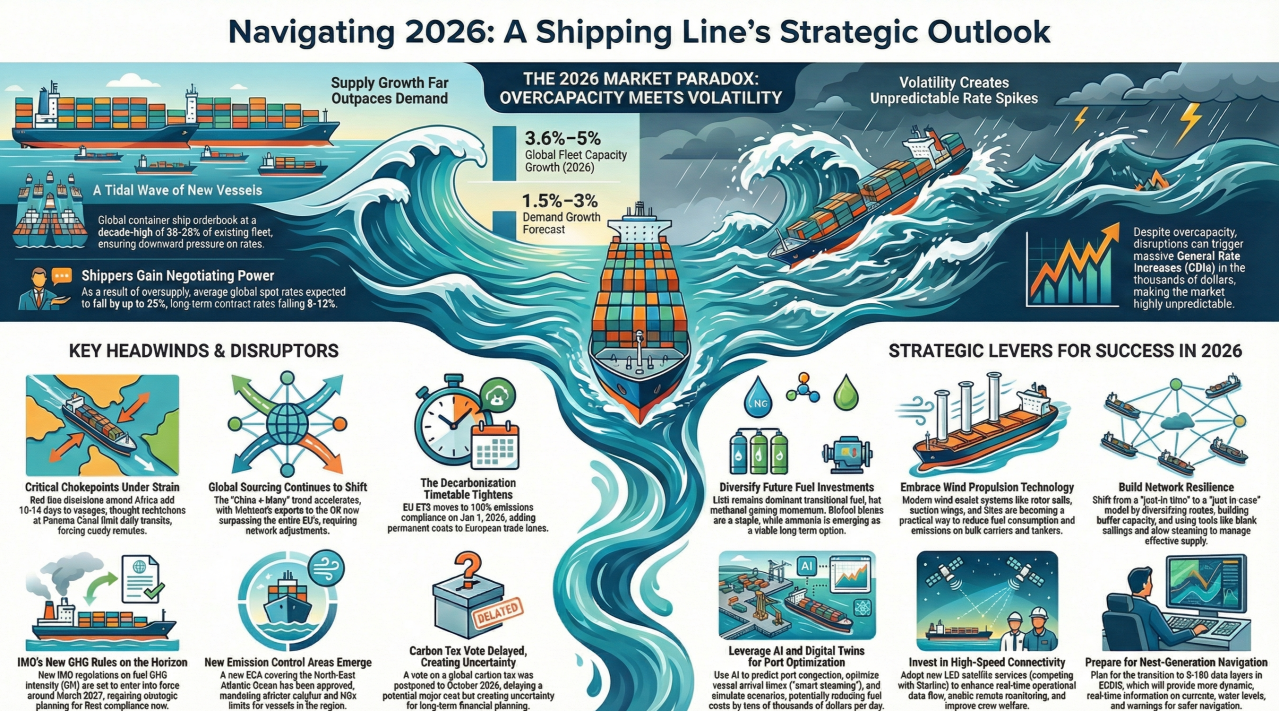
As environmental concerns grow, the shipping industry is increasingly adopting green technologies. Innovations such as wind-assisted propulsion, hybrid engines, and alternative fuels like LNG (liquefied natural gas) are being explored to reduce emissions. These technologies not only help mitigate climate change but also improve operational efficiency. For instance, wind-assisted propulsion systems can harness wind energy to reduce fuel consumption, while hybrid engines can switch between traditional fuel and electric power, depending on operational needs.
Additionally, the development of biofuels and hydrogen fuel cells presents exciting opportunities for the industry to transition to cleaner energy sources. These alternatives can significantly reduce the carbon footprint of shipping operations, aligning with global efforts to combat climate change.
Regulatory Changes
Governments and international organizations are implementing stricter regulations to promote sustainability in shipping. The International Maritime Organization (IMO) has set ambitious targets to reduce greenhouse gas emissions from ships by at least 50% by 2050. Compliance with these regulations will drive further innovation and investment in sustainable practices. Shipping companies are increasingly investing in research and development to meet these targets, exploring new technologies and operational practices that minimize environmental impact.
Moreover, regional regulations are also influencing shipping practices. For example, the European Union has introduced measures to reduce emissions from shipping within its waters, prompting companies to adopt cleaner technologies and practices to comply with these regulations.
Challenges Facing the Ocean Shipping Industry
Economic Pressures
Fluctuating Fuel Prices
Fuel costs are a significant factor in shipping operations, and fluctuations can impact profitability. The industry is vulnerable to geopolitical tensions, natural disasters, and changes in supply and demand, all of which can lead to volatile fuel prices. Shipping companies must develop strategies to manage these risks effectively. Many are investing in fuel-efficient technologies and exploring alternative fuels to mitigate the impact of rising fuel costs.
Additionally, the implementation of fuel surcharges is becoming more common as companies seek to pass on some of the costs associated with fluctuating fuel prices to customers. However, this can lead to increased shipping costs for consumers, impacting overall demand for shipping services.
Trade Wars and Tariffs
Trade tensions between major economies can disrupt shipping routes and increase costs. Tariffs imposed on goods can lead to decreased demand for shipping services, affecting the entire supply chain. Shipping companies must remain agile and adapt to changing trade dynamics to maintain their competitiveness. For instance, the ongoing trade disputes between the United States and China have led to shifts in shipping patterns, with companies seeking alternative routes and markets to mitigate the impact of tariffs.
Moreover, the uncertainty surrounding trade policies can complicate long-term planning for shipping companies. Businesses may hesitate to invest in new vessels or technologies if they are unsure about future trade conditions.
Environmental Challenges
Climate Change
The shipping industry is a significant contributor to global greenhouse gas emissions. As climate change intensifies, the pressure to reduce emissions and adopt sustainable practices will only increase. Shipping companies must invest in research and development to find innovative solutions to minimize their environmental impact. This includes exploring new technologies, such as carbon capture and storage, which could help mitigate emissions from ships.
Furthermore, the industry must also address the impacts of climate change on shipping operations. Rising sea levels, increased frequency of extreme weather events, and changing ocean conditions can all affect shipping routes and safety. Companies must develop contingency plans to navigate these challenges effectively.
Marine Pollution
Marine pollution from shipping activities poses a serious threat to ocean ecosystems. Oil spills, ballast water discharge, and plastic waste are just a few examples of the environmental challenges the industry faces. Implementing stricter regulations and adopting cleaner technologies are essential to protect marine life. The introduction of the International Maritime Organization’s Ballast Water Management Convention is a step in the right direction, requiring ships to manage their ballast water to prevent the spread of invasive species.
Additionally, the shipping industry is increasingly focusing on reducing plastic waste generated during operations. Initiatives to eliminate single-use plastics and improve waste management practices are gaining traction, reflecting a growing commitment to environmental stewardship.
The Role of Digitalization in Shipping
Enhancing Operational Efficiency
Digitalization is revolutionizing the shipping industry by enhancing operational efficiency and improving decision-making processes. The use of big data analytics allows shipping companies to gain insights into their operations, enabling them to optimize routes, reduce fuel consumption, and improve overall performance. By analyzing historical data and real-time information, companies can make informed decisions that enhance efficiency and reduce costs.
Improving Customer Experience
Digital tools are also transforming the customer experience in shipping. Online platforms and mobile applications allow customers to track their shipments in real-time, access documentation, and communicate with shipping companies more effectively. This transparency and accessibility enhance customer satisfaction and build trust in shipping services.
Moreover, the integration of customer feedback into operational processes can help shipping companies identify areas for improvement and tailor their services to meet customer needs better. This customer-centric approach is becoming increasingly important in a competitive market.
Conclusion
The future of ocean global shipping is poised for transformation, driven by technological advancements and a growing emphasis on sustainability. While challenges such as economic pressures and environmental concerns persist, the industry’s ability to innovate will play a crucial role in shaping its trajectory. By embracing new technologies and sustainable practices, the ocean shipping industry can continue to thrive in an increasingly interconnected world.
As the ocean shipping industry continues to innovate and embrace sustainability, now is the perfect time to explore eco-friendly products that align with these advancements. Discover a range of sustainable options at Looperbuy to enhance your shopping experience today! Shop Now.
Article Summary
This article explores the current state and future of ocean global shipping, highlighting the importance of shipping in global trade, key players in the industry, and recent trends. It discusses innovations such as automation, AI, and blockchain technology, as well as sustainable practices and regulatory changes. The article also addresses challenges like economic pressures and environmental concerns, emphasizing the need for the industry to adapt and innovate.
Hot Tags: Ocean Shipping; Global Trade; Shipping Innovations; Sustainable Shipping; Maritime Technology; Container Shipping; Shipping Industry Trends; Marine Pollution; Trade Regulations; Shipping Automation; Blockchain in Shipping; Green Shipping Technologies; Fuel Efficiency; Shipping Logistics; International Shipping; Shipping Costs; Environmental Regulations; Shipping Safety; Cargo Handling; Shipping Routes; Maritime Economy; Shipping Companies; Supply Chain Management; Shipping Challenges; Climate Change; Marine Ecosystems; Shipping Efficiency; Trade Wars; Shipping Solutions; Future of Shipping
Related Questions & Answers
· What are the latest advancements in autonomous shipping technology?
Recent advancements include the development of fully autonomous vessels equipped with advanced sensors and navigation systems, allowing them to operate with minimal human intervention. Companies are testing these technologies to improve safety and efficiency in shipping operations.
· How are global trade policies impacting ocean shipping routes and costs?
Global trade policies, including tariffs and trade agreements, can significantly impact shipping routes and costs. Changes in trade dynamics may lead to shifts in shipping patterns as companies seek to adapt to new market conditions.
· What are the most effective strategies for reducing carbon emissions in the shipping industry?
Effective strategies include adopting alternative fuels, investing in energy-efficient technologies, and implementing operational practices that minimize fuel consumption. Additionally, compliance with international regulations aimed at reducing emissions is crucial for the industry’s sustainability.
· What role does digitalization play in enhancing shipping operations?
Digitalization enhances shipping operations by improving efficiency through data analytics, optimizing routes, and enhancing customer experience through real-time tracking and communication tools.
· How can the shipping industry address marine pollution?
The shipping industry can address marine pollution by implementing stricter waste management practices, adopting cleaner technologies, and complying with international regulations aimed at reducing environmental impact.