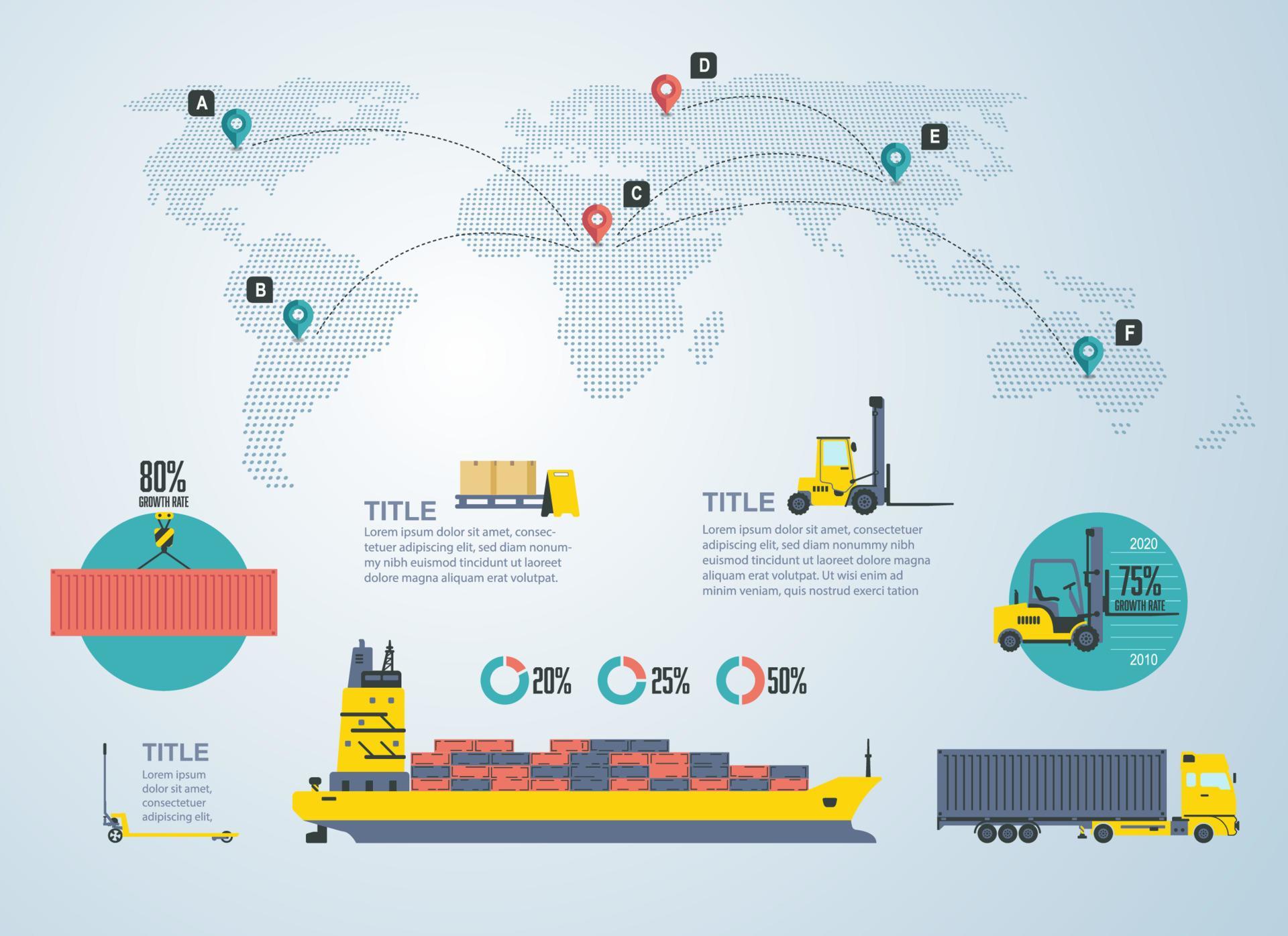
In an increasingly interconnected world, mass global shipping has become a cornerstone of international trade. The ability to transport goods across vast distances efficiently and cost-effectively is crucial for businesses looking to expand their reach and tap into new markets. This article explores the various facets of mass global shipping, including its significance, challenges, and future trends.
Table of Contents
The Importance of Mass Global Shipping

Mass global shipping plays a vital role in the global economy. It facilitates the movement of goods from manufacturers to consumers, enabling businesses to operate on a global scale. The following sections delve into the reasons why mass global shipping is essential for modern commerce.
Economic Growth and Trade Expansion
The global shipping industry is a significant driver of economic growth. By allowing countries to trade goods and services, it fosters economic interdependence and collaboration. Nations can specialize in producing certain goods, leading to increased efficiency and lower costs. This specialization not only benefits individual countries but also enhances the overall efficiency of the global supply chain.
The World Trade Organization (WTO) has reported that trade has grown significantly over the past few decades, with shipping being a key enabler. The reduction of trade barriers and the establishment of free trade agreements have further accelerated this growth. As countries engage in trade, they create jobs, stimulate innovation, and improve living standards.
Accessibility to Global Markets
Mass global shipping opens up access to international markets for businesses of all sizes. Small and medium-sized enterprises (SMEs) can now reach customers worldwide, breaking down geographical barriers that once limited their market potential. This accessibility encourages competition, innovation, and diversity in the marketplace, ultimately benefiting consumers with more choices and better prices.
The rise of e-commerce has further amplified this trend. Online platforms allow businesses to showcase their products to a global audience, and efficient shipping solutions enable them to fulfill orders quickly. As a result, SMEs can compete with larger corporations, leveling the playing field in the global marketplace.
Supply Chain Optimization
Efficient shipping practices are crucial for optimizing supply chains. Companies can reduce lead times and inventory costs by leveraging mass global shipping. Advanced logistics technologies, such as real-time tracking and automated inventory management, allow businesses to streamline their operations and respond quickly to market demands. This optimization is essential for maintaining a competitive edge in today’s fast-paced business environment.
Moreover, the integration of just-in-time (JIT) inventory systems has transformed how companies manage their supply chains. By minimizing inventory levels and relying on timely shipments, businesses can reduce storage costs and improve cash flow. However, this approach requires a robust shipping network to ensure that goods arrive precisely when needed.
Challenges in Mass Global Shipping
While mass global shipping offers numerous benefits, it also presents several challenges that businesses must navigate. Understanding these challenges is crucial for companies looking to succeed in the global marketplace.
Regulatory Compliance
One of the primary challenges in mass global shipping is navigating the complex web of international regulations. Each country has its own customs laws, tariffs, and import/export restrictions, which can complicate the shipping process. Businesses must stay informed about these regulations to avoid costly delays and penalties. Compliance with international trade agreements is also essential to ensure smooth operations.
The customs clearance process can be particularly daunting for businesses unfamiliar with the regulations of different countries. Delays in customs can lead to increased shipping costs and dissatisfied customers. Therefore, companies often invest in customs brokers or logistics partners who specialize in navigating these complexities.
Environmental Concerns
The shipping industry is a significant contributor to global carbon emissions, raising concerns about its environmental impact. As consumers become more environmentally conscious, businesses are under pressure to adopt sustainable shipping practices. This includes investing in cleaner technologies, optimizing shipping routes, and reducing packaging waste. Companies that prioritize sustainability can enhance their brand reputation and appeal to eco-conscious consumers.
The International Maritime Organization (IMO) has set ambitious targets for reducing greenhouse gas emissions from shipping. By 2050, the goal is to cut emissions by at least 50% compared to 2008 levels. Achieving this will require significant investment in new technologies, such as alternative fuels and energy-efficient vessels.
Supply Chain Disruptions
Global events, such as natural disasters, political instability, and pandemics, can disrupt supply chains and impact shipping operations. The COVID-19 pandemic, for example, highlighted the vulnerabilities in global shipping networks, leading to delays and increased costs. Businesses must develop contingency plans and diversify their supply chains to mitigate the risks associated with such disruptions.
The pandemic also accelerated the adoption of digital technologies in shipping. Companies that had already invested in digital solutions were better equipped to adapt to the sudden changes in demand and supply chain disruptions. This experience has prompted many businesses to reevaluate their shipping strategies and invest in more resilient systems.
Future Trends in Mass Global Shipping
As the global shipping landscape evolves, several trends are shaping the future of mass global shipping. Companies that stay ahead of these trends will be better positioned to thrive in the competitive marketplace.
Technological Advancements
The integration of technology in shipping operations is transforming the industry. Innovations such as blockchain, artificial intelligence, and the Internet of Things (IoT) are enhancing transparency, efficiency, and security in shipping processes. For instance, blockchain technology can streamline documentation and reduce fraud, while AI can optimize routing and inventory management.
The use of IoT devices allows for real-time tracking of shipments, providing businesses and customers with visibility into the shipping process. This transparency can improve customer satisfaction and reduce the likelihood of disputes over lost or damaged goods. Additionally, predictive analytics powered by AI can help companies anticipate demand fluctuations and adjust their shipping strategies accordingly.
E-commerce Growth
The rise of e-commerce has significantly impacted global shipping. As more consumers shop online, the demand for fast and reliable shipping services has surged. Companies must adapt to this trend by offering flexible shipping options, such as same-day delivery and easy returns. E-commerce businesses that prioritize customer experience through efficient shipping will gain a competitive advantage.
To meet the growing demand for e-commerce shipping, logistics providers are investing in advanced technologies and infrastructure. This includes automated warehouses, drone deliveries, and smart logistics solutions that optimize last-mile delivery. As consumer expectations continue to evolve, businesses must remain agile and responsive to these changes.
Sustainability Initiatives
Sustainability is becoming a key focus for the shipping industry. Companies are increasingly adopting green practices to reduce their environmental footprint. This includes investing in energy-efficient vessels, utilizing alternative fuels, and implementing waste reduction strategies. As consumers demand more sustainable options, businesses that prioritize eco-friendly shipping will likely see increased customer loyalty.
The shipping industry is also exploring the use of biofuels and hydrogen as alternative energy sources. These innovations have the potential to significantly reduce emissions and improve the overall sustainability of shipping operations. Furthermore, companies are collaborating with stakeholders across the supply chain to develop more sustainable practices and share best practices.
Digital Transformation
The digital transformation of the shipping industry is reshaping how businesses operate. From online booking systems to automated customer service, technology is streamlining processes and enhancing efficiency. Companies that embrace digital solutions can improve their operational performance and provide better service to their customers.
Digital platforms are also enabling greater collaboration between shippers, carriers, and logistics providers. By sharing data and insights, stakeholders can optimize shipping routes, reduce costs, and improve overall supply chain performance. This collaborative approach is essential for navigating the complexities of global shipping.
Resilience and Risk Management
In light of recent global disruptions, businesses are increasingly focusing on building resilience into their shipping operations. This involves diversifying supply chains, investing in risk management strategies, and developing contingency plans to address potential disruptions. Companies that prioritize resilience will be better equipped to adapt to changing market conditions and maintain their competitive edge.
Risk management strategies may include conducting regular assessments of supply chain vulnerabilities, establishing alternative sourcing options, and investing in technology that enhances visibility and control over shipping operations. By proactively addressing potential risks, businesses can minimize the impact of disruptions and ensure continuity in their operations.
The Role of Artificial Intelligence and Automation
Artificial intelligence (AI) and automation are set to revolutionize the shipping industry. AI can analyze vast amounts of data to optimize shipping routes, predict demand, and enhance decision-making processes. For instance, AI algorithms can assess weather patterns, traffic conditions, and port congestion to determine the most efficient routes for shipping vessels.
Automation is also transforming warehouse operations. Automated systems can handle inventory management, order fulfillment, and even packaging, reducing the need for manual labor and increasing efficiency. As these technologies continue to evolve, they will play a crucial role in shaping the future of mass global shipping.
The Impact of Geopolitical Factors
Geopolitical factors can significantly influence global shipping dynamics. Trade wars, tariffs, and political instability can disrupt established shipping routes and impact costs. Businesses must stay informed about geopolitical developments and adapt their shipping strategies accordingly.
For example, the ongoing tensions between major economies can lead to changes in trade agreements, affecting shipping costs and routes. Companies that proactively monitor these developments can better navigate the complexities of global shipping and mitigate potential risks.
Conclusion
Mass global shipping is a critical component of international trade, driving economic growth and enabling businesses to reach global markets. While challenges such as regulatory compliance, environmental concerns, and supply chain disruptions exist, the future of mass global shipping looks promising. By embracing technological advancements, adapting to e-commerce growth, and prioritizing sustainability, businesses can navigate the complexities of global shipping and thrive in the competitive landscape.
As you explore the vast opportunities in global shipping and e-commerce, don’t miss out on the chance to enhance your shopping experience with unbeatable deals and a wide selection of products at LooperBuy. Discover more at LooperBuy.
Article Summary:
This article explores the significance of mass global shipping in international trade, highlighting its role in economic growth, market accessibility, and supply chain optimization. It addresses challenges such as regulatory compliance, environmental concerns, and supply chain disruptions while discussing future trends like technological advancements, e-commerce growth, and sustainability initiatives. The article emphasizes the importance of resilience and risk management in navigating the complexities of global shipping.
Hot Tags:
Global Shipping; International Trade; Supply Chain Management; E-commerce Logistics; Sustainable Shipping; Shipping Regulations; Freight Forwarding; Shipping Technology; Blockchain in Shipping; Environmental Impact; Shipping Industry Trends; Logistics Optimization; Global Market Access; Shipping Costs; Container Shipping; Maritime Transport; Trade Agreements; Shipping Solutions; Freight Rates; Last-Mile Delivery; Shipping Innovations; Cargo Shipping; Import Export; Shipping Challenges; Supply Chain Disruptions; Shipping Efficiency; Green Shipping; Shipping Strategies; Logistics Technology; Global Trade
Related Questions & Answers
· What is mass global shipping?
Mass global shipping refers to the large-scale transportation of goods across international borders, facilitating trade between countries and enabling businesses to reach global markets.
· What are the main challenges in global shipping?
The main challenges include regulatory compliance, environmental concerns, and supply chain disruptions caused by various factors such as natural disasters and political instability.
· How does technology impact global shipping?
Technology enhances efficiency and transparency in shipping operations through innovations like blockchain, AI, and IoT, which optimize routing, inventory management, and documentation processes.
· Why is sustainability important in shipping?
Sustainability is crucial as consumers increasingly demand eco-friendly practices. Companies that adopt sustainable shipping methods can improve their brand reputation and customer loyalty.
· What trends are shaping the future of global shipping?
Key trends include the growth of e-commerce, advancements in shipping technology, and a focus on sustainability, all of which are transforming how goods are transported globally.