Table of Contents
Introduction
In recent years, Venezuela has faced significant economic and political challenges that have impacted its global shipping landscape. Despite these hurdles, opportunities for international trade and shipping to Venezuela continue to evolve. This article explores the current state of global shipping to Venezuela, the challenges faced by businesses, and the strategies that can be employed to navigate this complex environment.
Understanding Venezuela’s Shipping Landscape
Economic Overview
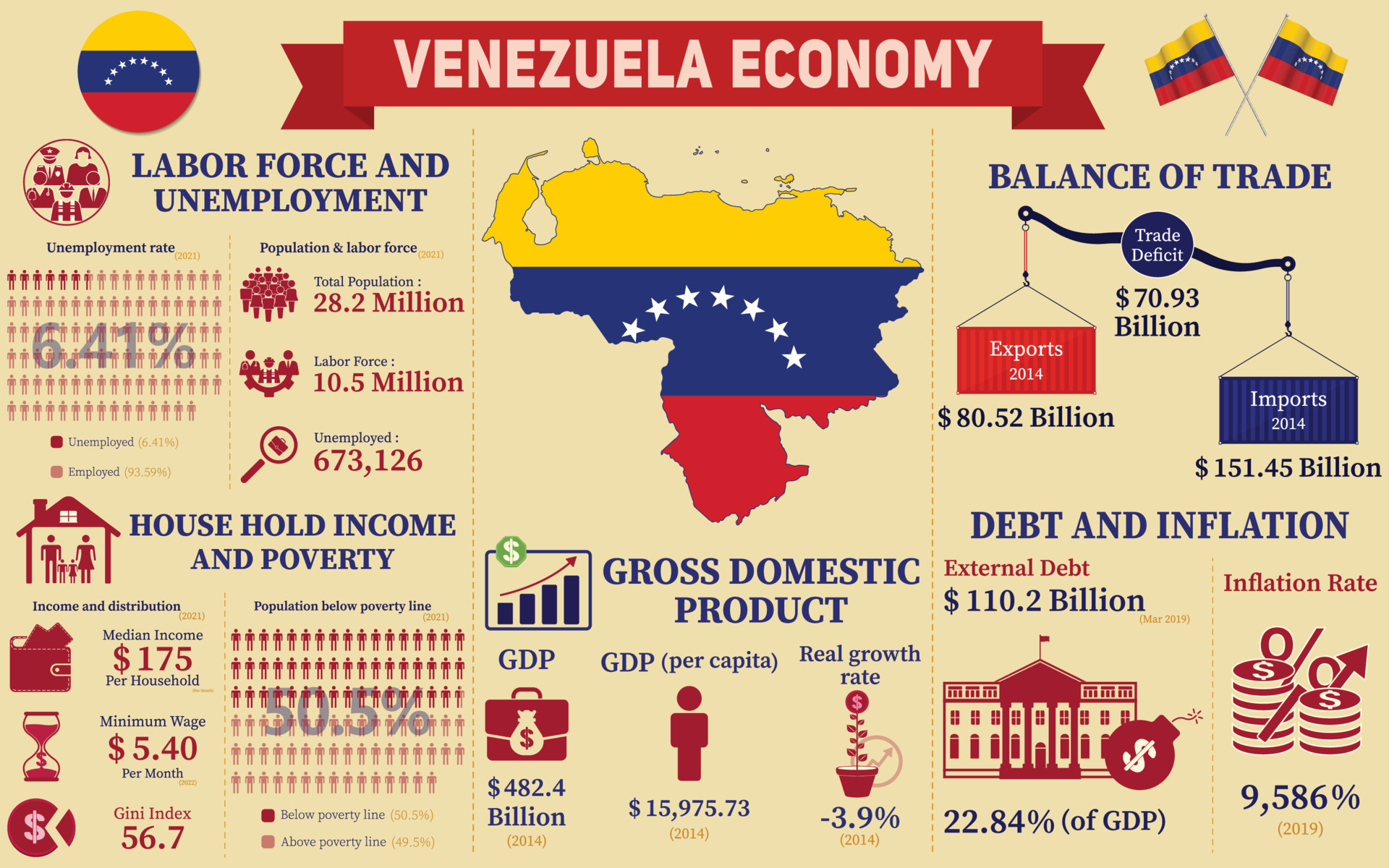
Venezuela’s economy has been in turmoil for over a decade, characterized by hyperinflation, currency devaluation, and a decline in oil production, which is the backbone of its economy. These factors have led to a decrease in purchasing power and a shift in consumer behavior. However, the country is rich in natural resources and has a strategic geographical location, making it a potential hub for trade in the Caribbean and Latin America.
The economic crisis has also led to a significant reduction in the volume of goods imported into the country. Many businesses have struggled to maintain operations due to the lack of essential goods, which has created a unique market environment. Despite these challenges, there is a growing demand for certain products, particularly food, medicine, and technology, which presents opportunities for international suppliers.
Key Shipping Routes
Venezuela’s shipping routes are crucial for connecting it with global markets. The main ports include:
- Puerto Cabello: The largest and most important port, handling a significant portion of the country’s imports and exports. It is strategically located and has the capacity to accommodate large vessels.
- La Guaira: Located near the capital, Caracas, this port is vital for passenger and cargo shipping. It serves as a gateway for goods entering the capital and surrounding areas.
- Maracaibo: Primarily focused on oil exports, this port is essential for the energy sector. It connects Venezuela to international oil markets, which are critical for the country’s economy.
These ports are connected to various international shipping lines, facilitating trade with countries in North America, Europe, and Asia. However, the efficiency of these routes can be affected by various factors, including political instability and infrastructure challenges.
Challenges in Shipping to Venezuela
Regulatory Hurdles
Shipping to Venezuela involves navigating a complex regulatory environment. The government has implemented strict import controls and tariffs, which can vary significantly. Businesses must stay updated on these regulations to avoid delays and additional costs. Moreover, the political climate can lead to sudden changes in policies, making it essential for companies to have contingency plans.
The Venezuelan government has also been known to impose restrictions on certain goods, which can complicate the shipping process. For example, items such as electronics and luxury goods may face higher scrutiny and additional tariffs. Understanding these regulations is crucial for businesses looking to enter the Venezuelan market.
Infrastructure Issues
Venezuela’s infrastructure has deteriorated over the years due to lack of investment and maintenance. Ports often face congestion, and the road networks are in poor condition, complicating the logistics of transporting goods within the country. This can lead to increased shipping times and costs, impacting the overall efficiency of supply chains.
The lack of reliable transportation options can also hinder the distribution of goods once they arrive in the country. Many areas lack adequate road access, making it difficult to reach consumers and businesses in remote regions. This infrastructure challenge necessitates careful planning and logistics management for companies shipping to Venezuela.
Currency and Payment Challenges
The Venezuelan bolívar has experienced severe devaluation, making transactions complicated for international businesses. Many companies prefer to conduct transactions in foreign currencies, such as the US dollar, to mitigate risks associated with currency fluctuations. However, accessing foreign currency can be challenging due to government restrictions.
Additionally, the fluctuating exchange rates can create uncertainty for businesses. Companies must be prepared to adapt their pricing strategies and payment methods to accommodate these changes. This can complicate budgeting and financial planning for businesses operating in Venezuela.
Corruption and Bureaucracy
Corruption remains a significant issue in Venezuela, affecting various sectors, including shipping and logistics. Bribery and bureaucratic inefficiencies can lead to delays and increased costs for businesses. Companies must navigate this landscape carefully, ensuring compliance with local laws while also protecting their interests.
To mitigate the risks associated with corruption, businesses can implement robust compliance programs and conduct thorough due diligence on local partners. Establishing transparent relationships and maintaining ethical standards can help companies avoid potential pitfalls.
Strategies for Successful Shipping to Venezuela
Partnering with Local Freight Forwarders
Collaborating with local freight forwarders can provide valuable insights into the Venezuelan market. These professionals understand the intricacies of local regulations and can help navigate the complexities of shipping logistics. They can also assist in managing customs clearance and ensuring compliance with local laws.
Local freight forwarders often have established relationships with customs officials and other stakeholders, which can expedite the shipping process. They can also provide guidance on the best shipping routes and methods, helping businesses optimize their logistics operations.
Utilizing Technology for Logistics Management
Investing in technology can streamline shipping processes. Digital logistics platforms can automate documentation, track shipments in real-time, and provide analytics to optimize supply chain operations. This can enhance efficiency and reduce the likelihood of errors that could lead to delays.
For example, companies can use software to manage inventory levels, forecast demand, and track shipments. This data-driven approach can help businesses make informed decisions and respond quickly to changes in the market.
Diversifying Shipping Options
Given the challenges associated with traditional shipping routes, businesses should consider diversifying their shipping options. This may include exploring alternative ports or using air freight for time-sensitive shipments. While air freight can be more expensive, it may offer a more reliable option for critical deliveries.
Additionally, companies can explore partnerships with multiple shipping carriers to ensure flexibility in their logistics operations. This can help mitigate risks associated with relying on a single carrier, especially in a volatile market like Venezuela.
Building Strong Relationships with Local Partners
Establishing strong relationships with local partners, including suppliers, distributors, and logistics providers, is essential for success in the Venezuelan market. These relationships can provide valuable insights into local market conditions and consumer preferences.
Local partners can also help businesses navigate the complexities of the Venezuelan market, including cultural differences and business practices. By fostering collaboration and communication, companies can enhance their chances of success in this challenging environment.
Understanding In-Demand Goods
To effectively engage in shipping to Venezuela, businesses must understand the current demand for goods. Essential items such as food, medicine, and basic household products are in high demand due to the ongoing economic crisis. Additionally, technology products, including smartphones and computers, are sought after as consumers look to improve their quality of life.
By focusing on these in-demand goods, businesses can tailor their shipping strategies to meet the needs of Venezuelan consumers. This approach can enhance sales and establish a strong market presence.
The Future of Global Shipping to Venezuela
Emerging Markets and Trade Agreements
As Venezuela seeks to rebuild its economy, there is potential for new trade agreements and partnerships. Countries in Asia, particularly China, have shown interest in investing in Venezuela’s infrastructure and energy sectors. This could lead to increased shipping activity and new opportunities for businesses looking to enter the Venezuelan market.
Furthermore, as the global economy continues to evolve, Venezuela may seek to diversify its trade relationships beyond traditional partners. This could open up new markets for Venezuelan exports and create opportunities for international businesses to engage with the country.
Sustainability and Environmental Considerations
With global shipping facing increasing scrutiny over its environmental impact, companies must consider sustainable practices in their operations. This includes reducing emissions, optimizing routes, and using eco-friendly packaging. As Venezuela looks to modernize its shipping industry, there may be opportunities for businesses that prioritize sustainability.
Investing in sustainable shipping practices can also enhance a company’s reputation and appeal to environmentally conscious consumers. By adopting green logistics strategies, businesses can differentiate themselves in the market and contribute to a more sustainable future.
Adapting to Technological Advancements
The shipping industry is undergoing significant technological advancements, including the use of automation, artificial intelligence, and blockchain technology. These innovations can enhance efficiency, reduce costs, and improve transparency in shipping operations.
Companies that embrace these technologies will be better positioned to compete in the global market. For example, blockchain technology can streamline documentation processes and enhance traceability, making it easier for businesses to comply with regulations and track shipments.
Navigating US Sanctions
US sanctions against Venezuela have significantly impacted shipping and trade with the country. These sanctions restrict the ability of US companies to engage in business with Venezuelan entities, complicating logistics and increasing costs for international shippers. Companies must navigate these sanctions carefully, ensuring compliance while seeking opportunities in the market.
Understanding the implications of these sanctions is crucial for businesses looking to enter or expand in the Venezuelan market. Companies should consult legal experts to ensure compliance and mitigate risks associated with potential violations.
Conclusion
Shipping to Venezuela presents a unique set of challenges and opportunities. By understanding the local market, navigating regulatory hurdles, and leveraging technology, businesses can successfully engage in global shipping to Venezuela. As the country continues to evolve, those who adapt to the changing landscape will be well-positioned to thrive in this dynamic environment.
As you navigate the complexities of shipping to Venezuela, consider enhancing your purchasing power and access to essential goods through reliable platforms like LooperBuy, where you can find a wide range of products tailored to meet your needs. Explore your options today at LooperBuy.
Article Summary: This article explores the complexities of global shipping to Venezuela, highlighting the economic challenges, regulatory hurdles, and infrastructure issues that businesses face. It discusses strategies for successful shipping, including partnering with local freight forwarders and utilizing technology. The future of shipping in Venezuela is also examined, focusing on emerging markets, sustainability, and the impact of US sanctions.
Hot Tags: Global Shipping; Venezuela Trade; Freight Forwarding; Import Regulations; Shipping Challenges; Logistics Solutions; Venezuelan Economy; International Shipping; Supply Chain Management; Customs Clearance; Shipping Infrastructure; Currency Exchange; Trade Agreements; Sustainable Shipping; Air Freight; Maritime Shipping; Port Operations; Shipping Costs; E-commerce Shipping; Digital Logistics; Shipping Technology; Freight Services; Import Duties; Export Opportunities; Caribbean Shipping; Venezuelan Ports; Shipping Industry; Global Trade; Shipping Solutions; Logistics Challenges; International Freight.
Related Questions & Answers
· What are the most in-demand goods currently being shipped to Venezuela?
Essential items such as food, medicine, and basic household products are in high demand, along with technology products like smartphones and computers.
· How do US sanctions specifically impact shipping and trade with Venezuela?
US sanctions restrict the ability of US companies to engage in business with Venezuelan entities, complicating logistics and increasing costs for international shippers.
· What role does corruption play in Venezuelan shipping and how can it be avoided?
Corruption can lead to delays and increased costs. Businesses can mitigate risks by implementing compliance programs and conducting thorough due diligence on local partners.