In recent years, the conversation around sustainability has gained significant momentum, particularly in the realm of home decor. Eco-friendly home textiles have emerged as a vital component of this movement, offering consumers a way to enhance their living spaces while minimizing their environmental impact. This article delves into the various aspects of eco-friendly home textiles, exploring their benefits, materials, and how to incorporate them into your home.
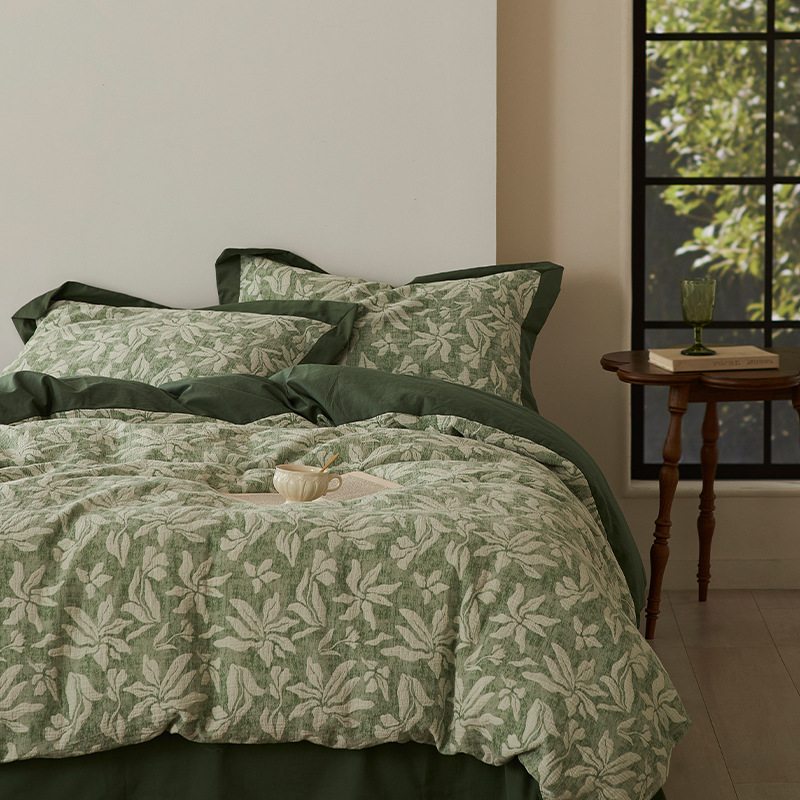
Table of Contents
Understanding Eco-Friendly Home Textiles
Eco-friendly home textiles refer to fabrics and materials that are produced with minimal environmental impact. This includes the use of sustainable materials, ethical manufacturing processes, and eco-conscious designs. The growing awareness of environmental issues has led consumers to seek out products that not only beautify their homes but also contribute positively to the planet.
The Importance of Sustainability in Textiles
The textile industry is one of the largest polluters in the world, contributing to water pollution, excessive waste, and high carbon emissions. By choosing eco-friendly textiles, consumers can help reduce these negative impacts. Sustainable textiles are often made from organic or recycled materials, which require less water and energy to produce. Additionally, they are typically free from harmful chemicals, making them safer for both the environment and human health.
Key Materials Used in Eco-Friendly Textiles
- Organic Cotton: Unlike conventional cotton, which is heavily treated with pesticides and fertilizers, organic cotton is grown without harmful chemicals. This not only benefits the environment but also results in softer, more breathable fabrics.
- Linen: Made from the flax plant, linen is a highly sustainable fabric. It requires less water and pesticides than cotton and is biodegradable. Linen is also known for its durability and natural resistance to pests.
- Bamboo: Bamboo is a fast-growing plant that requires minimal resources to thrive. Fabrics made from bamboo are soft, breathable, and naturally antibacterial, making them an excellent choice for home textiles.
- Recycled Polyester: This material is made from recycled plastic bottles and other plastic waste. By repurposing these materials, recycled polyester helps reduce landfill waste and the demand for new plastic production.
- Hemp: Hemp is one of the most sustainable crops, requiring little water and no pesticides. Hemp fabrics are strong, durable, and naturally resistant to mold and UV light.
Benefits of Eco-Friendly Home Textiles
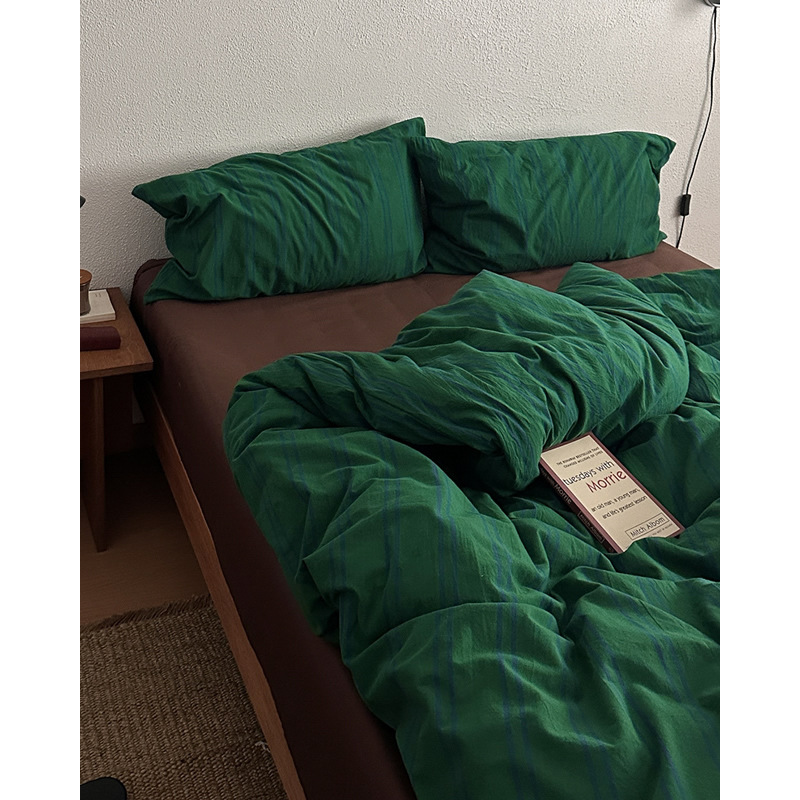
Incorporating eco-friendly textiles into your home offers numerous benefits beyond environmental sustainability.
Healthier Living Environment
Eco-friendly textiles are often free from harmful chemicals and toxins, making them a healthier choice for your home. This is particularly important for households with children or individuals with allergies and sensitivities. Natural fibers are less likely to irritate the skin and contribute to a healthier indoor air quality.
Durability and Longevity
Many eco-friendly textiles are designed to be more durable than their conventional counterparts. For instance, linen and hemp fabrics are known for their strength and longevity, meaning they can withstand wear and tear over time. This durability not only reduces the need for frequent replacements but also contributes to a more sustainable lifestyle.
Aesthetic Appeal
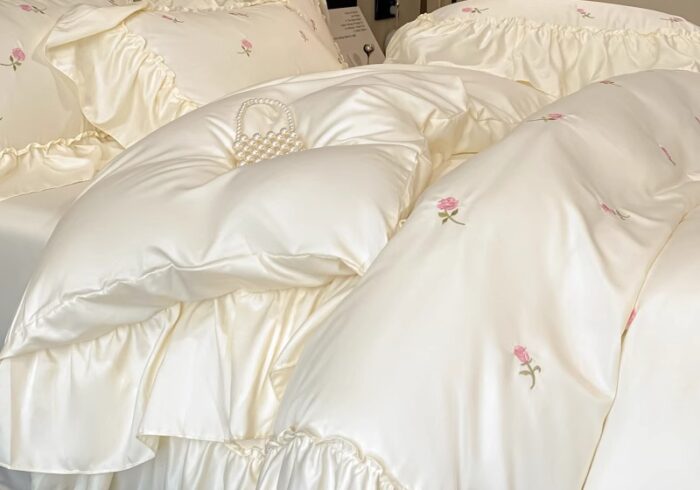
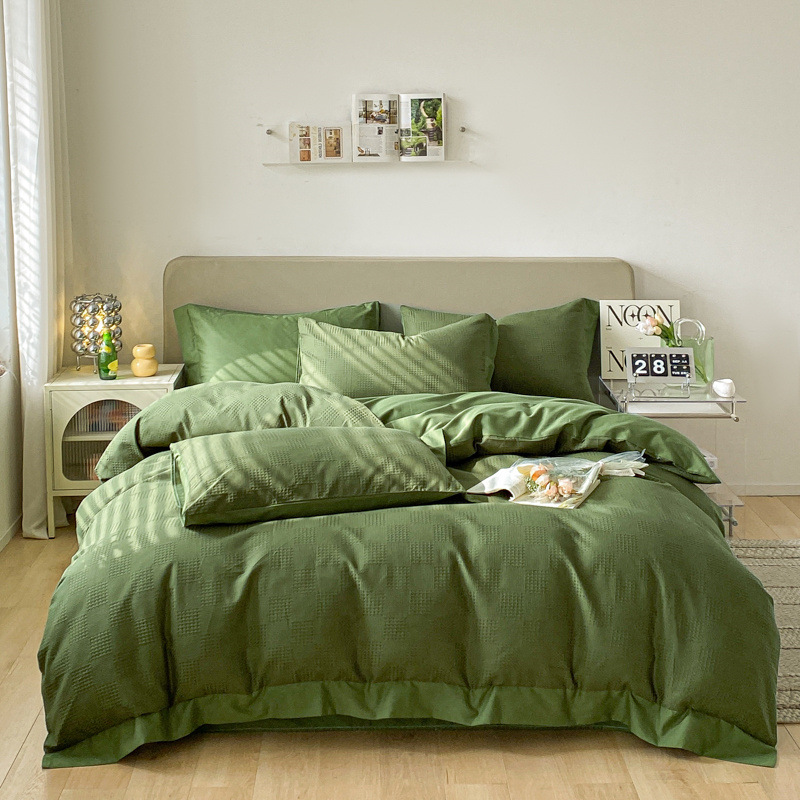
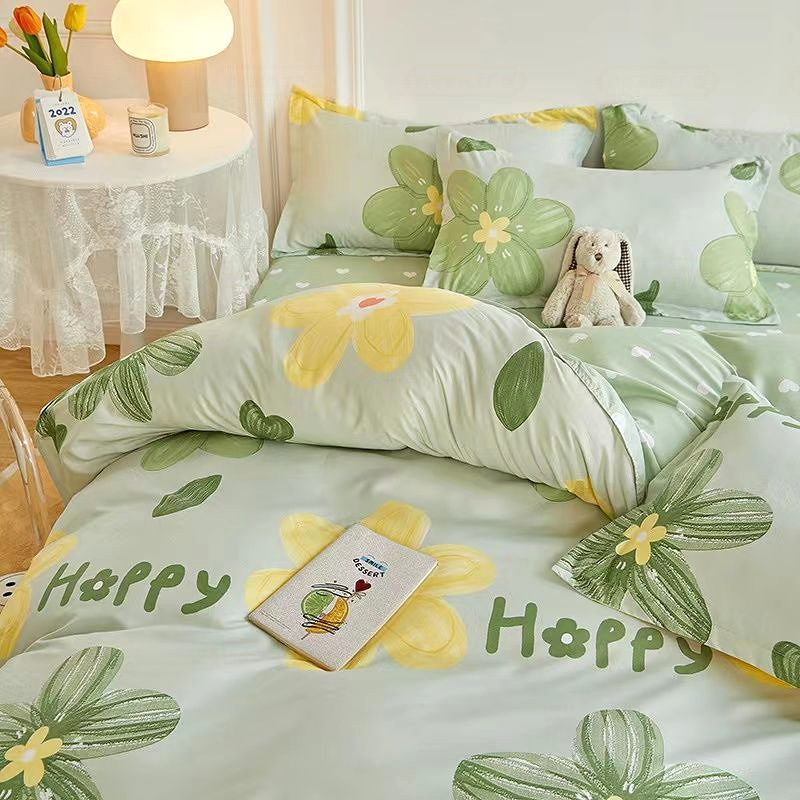
Eco-friendly textiles come in a wide range of colors, patterns, and textures, allowing homeowners to express their personal style while making environmentally conscious choices. From organic cotton curtains to bamboo bed linens, there are countless options to enhance the aesthetic of any room.
How to Incorporate Eco-Friendly Textiles into Your Home
Transitioning to eco-friendly home textiles can be a seamless process. Here are some practical tips to help you get started.
Start with Key Areas
Focus on high-impact areas in your home where textiles play a significant role. This includes bedrooms, living rooms, and dining areas. Consider replacing items such as bed linens, curtains, and tablecloths with eco-friendly alternatives.
Choose Versatile Pieces
When selecting eco-friendly textiles, opt for versatile pieces that can be used in multiple ways. For example, a beautiful organic cotton throw can serve as a decorative element on your sofa while also providing warmth during cooler months.
Mix and Match
Don’t be afraid to mix different eco-friendly materials and patterns. Combining textures like linen, cotton, and bamboo can create a visually interesting and inviting space. This approach allows you to showcase your creativity while adhering to sustainable practices.
Educate Yourself and Others
Understanding the benefits of eco-friendly textiles can help you make informed choices. Share your knowledge with friends and family to encourage them to consider sustainable options in their own homes. The more people who embrace eco-friendly practices, the greater the positive impact on the environment.
Innovations in Eco-Friendly Textiles
The eco-friendly textile industry is continuously evolving, with new innovations emerging to enhance sustainability.
Advanced Fabric Technologies
Recent advancements in fabric technology have led to the development of textiles that are not only sustainable but also functional. For instance, moisture-wicking fabrics made from recycled materials are becoming popular for activewear and home textiles alike. These fabrics help regulate temperature and wick away moisture, making them ideal for bedding and upholstery.
Natural Dyes and Finishes
The use of natural dyes derived from plants, minerals, and insects is gaining traction as consumers seek to avoid synthetic chemicals. These dyes are not only safer for the environment but also produce unique, vibrant colors that can enhance the aesthetic appeal of home textiles. Additionally, eco-friendly finishes that improve durability and stain resistance without harmful chemicals are being developed.
Circular Economy Practices
The concept of a circular economy is becoming increasingly relevant in the textile industry. This approach focuses on designing products that can be reused, repaired, or recycled at the end of their life cycle. Brands are beginning to implement take-back programs, allowing consumers to return old textiles for recycling or repurposing, thus reducing waste and promoting sustainability.
The Future of Eco-Friendly Home Textiles
As awareness of environmental issues continues to grow, the demand for eco-friendly home textiles is expected to rise. Consumers are becoming more conscious of their purchasing decisions, seeking products that align with their values. This shift is prompting manufacturers to prioritize sustainability in their production processes.
Consumer Education and Awareness
Education plays a crucial role in the future of eco-friendly textiles. As consumers become more informed about the environmental impact of their choices, they are more likely to seek out sustainable options. Brands that prioritize transparency and provide information about their materials and manufacturing processes will likely gain a competitive edge in the market.
Collaboration and Innovation
Collaboration between brands, designers, and environmental organizations can drive innovation in the eco-friendly textile industry. By working together, stakeholders can develop new materials, improve production methods, and create awareness campaigns that promote sustainable practices.
Policy and Regulation
Government policies and regulations aimed at reducing environmental impact will also shape the future of eco-friendly textiles. Incentives for sustainable practices, such as tax breaks for eco-friendly manufacturers or stricter regulations on pollution, can encourage more companies to adopt sustainable practices.
The Role of Consumers in Promoting Eco-Friendly Textiles
Consumers play a pivotal role in the success of eco-friendly textiles. By making informed choices and supporting brands that prioritize sustainability, individuals can drive demand for eco-friendly products. Here are some ways consumers can contribute:
Research and Awareness
Before making a purchase, consumers should research the brands and products they are considering. Look for certifications, read reviews, and understand the materials used in the textiles. Awareness of the environmental impact of textiles can lead to more conscious purchasing decisions.
Support Local and Sustainable Brands
Choosing to buy from local artisans and brands that prioritize sustainable practices can have a significant impact. Supporting small businesses that focus on eco-friendly textiles helps promote a more sustainable economy and reduces the carbon footprint associated with shipping products over long distances.
Advocate for Change
Consumers can advocate for change by voicing their preferences for sustainable products. This can be done through social media, community events, or by directly contacting brands. When consumers express their desire for eco-friendly options, companies are more likely to respond by offering sustainable products.
Participate in Sustainable Practices
Incorporating sustainable practices into daily life can further support the eco-friendly textile movement. This includes caring for textiles properly to extend their lifespan, recycling old textiles, and participating in community initiatives focused on sustainability.
Conclusion
The rise of eco-friendly home textiles represents a significant shift towards sustainability in the home decor industry. By choosing materials that are both beautiful and environmentally responsible, consumers can create a stylish living space that reflects their values. As awareness of environmental issues continues to grow, the demand for eco-friendly textiles is likely to increase, paving the way for a more sustainable future.
Incorporating eco-friendly textiles into your home not only enhances your living environment but also contributes to a healthier planet. By making conscious choices about the materials we use, we can all play a part in promoting sustainability and protecting our natural resources.
How to purchase:Online B2B sourcing platform, China purchase, Chinese suppliers – LooperBuy
Article Summary
This article explores the significance of eco-friendly home textiles, highlighting their benefits, sustainable materials, and practical tips for incorporation into home decor. It emphasizes the importance of making environmentally conscious choices to promote sustainability and create a healthier living environment. Innovations in the industry and future trends are also discussed, showcasing the ongoing evolution towards a more sustainable textile market. The role of consumers in advocating for eco-friendly practices is also highlighted, emphasizing the collective impact of informed choices.
Hot Tags: Eco-Friendly Fabrics; Sustainable Home Decor; Organic Textiles; Green Living; Eco-Conscious Design; Natural Fibers; Recycled Materials; Sustainable Fashion; Home Textile Trends; Eco-Friendly Bedding; Organic Cotton Products; Bamboo Textiles; Linen Home Goods; Hemp Fabrics; Eco-Friendly Curtains; Sustainable Upholstery; Green Home Accessories; Biodegradable Fabrics; Eco-Friendly Rugs; Ethical Manufacturing; Non-Toxic Home Textiles; Environmentally Friendly Fabrics; Sustainable Living Tips; Eco-Friendly Home Improvements; Organic Home Textiles; Eco-Conscious Consumers; Green Home Solutions; Sustainable Textile Industry; Eco-Friendly Design Ideas; Natural Home Decor.
Related Questions & Answers
· What are the latest innovations in eco-friendly textile production?
Recent innovations include advanced fabric technologies that enhance functionality, the use of natural dyes for safer coloring, and circular economy practices that promote recycling and reuse of textiles.
· How do eco-friendly textiles contribute to reducing carbon footprint?
Eco-friendly textiles are produced using sustainable materials and processes that require less energy and water, resulting in lower carbon emissions compared to conventional textiles.
· What certifications should I look for when buying eco-friendly home textiles?
Look for certifications such as Global Organic Textile Standard (GOTS), OEKO-TEX Standard 100, and Fair Trade, which indicate that the textiles meet specific environmental and social criteria.
· Can eco-friendly textiles be stylish?
Absolutely! Eco-friendly textiles come in a variety of colors, patterns, and textures, allowing for stylish and aesthetically pleasing home decor options.
· Are eco-friendly textiles more expensive than conventional ones?
While some eco-friendly textiles may have a higher upfront cost, their durability and health benefits often make them a more cost-effective choice in the long run.