When it comes to selecting toys for children, the choices can be overwhelming. Parents and caregivers want to ensure that the toys they choose are not only fun but also safe, durable, and beneficial for their child’s development. In this article, we will explore the characteristics of high-quality children’s toys, the benefits they offer, and how to choose the best options for your little ones.
Table of Contents
Understanding High-Quality Toys
What Makes a Toy High-Quality?
High-quality toys are designed with several key attributes in mind:
- Safety: The foremost concern for any toy is safety. High-quality toys are made from non-toxic materials, free from harmful chemicals such as phthalates, BPA, and lead. They are also designed to be free of sharp edges and small parts that could pose choking hazards.
- Durability: Children can be rough on their toys, so durability is crucial. High-quality toys are constructed from robust materials that can withstand the wear and tear of active play. This means they are less likely to break or wear out quickly, providing better value for money.
- Educational Value: Many high-quality toys are designed to promote learning and development. They encourage creativity, problem-solving, and motor skills. Toys that stimulate a child’s imagination or help them learn new concepts are often considered high-quality.
- Age Appropriateness: High-quality toys are designed with specific age groups in mind. They cater to the developmental stages of children, ensuring that the toys are suitable for their abilities and interests.
- Sustainability: Increasingly, parents are looking for toys that are environmentally friendly. High-quality toys often use sustainable materials and manufacturing processes, making them a better choice for eco-conscious families.
The Benefits of High-Quality Toys
Promoting Safety and Health
Investing in high-quality toys ensures that children are playing with safe products. Many cheaper toys are made from low-quality materials that can be harmful. By choosing toys that meet safety standards, parents can have peace of mind knowing their children are safe while playing.
Enhancing Developmental Skills
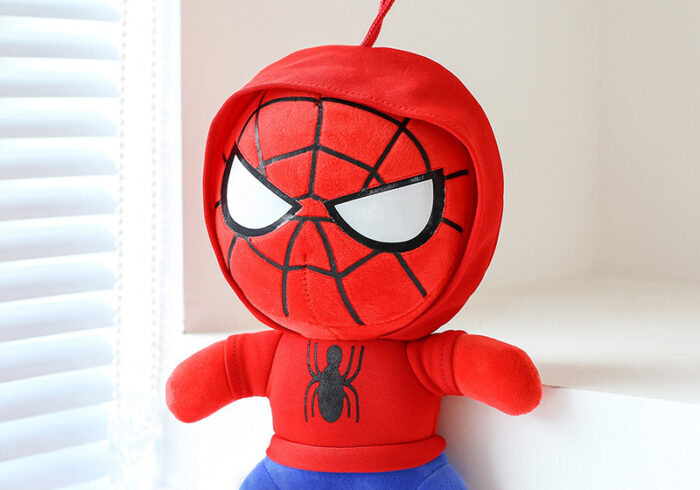
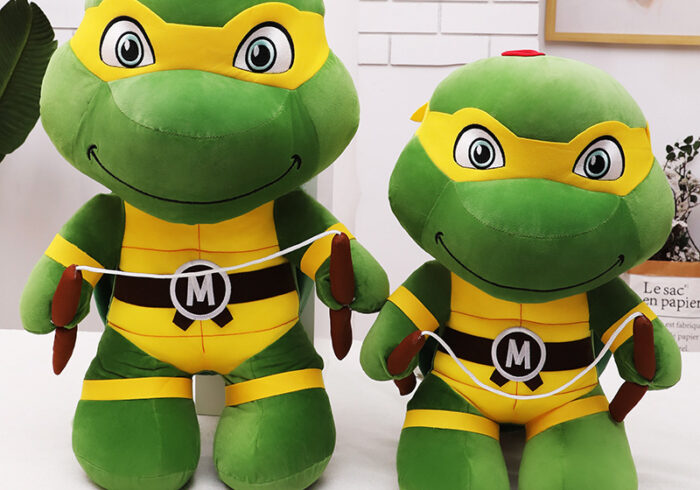
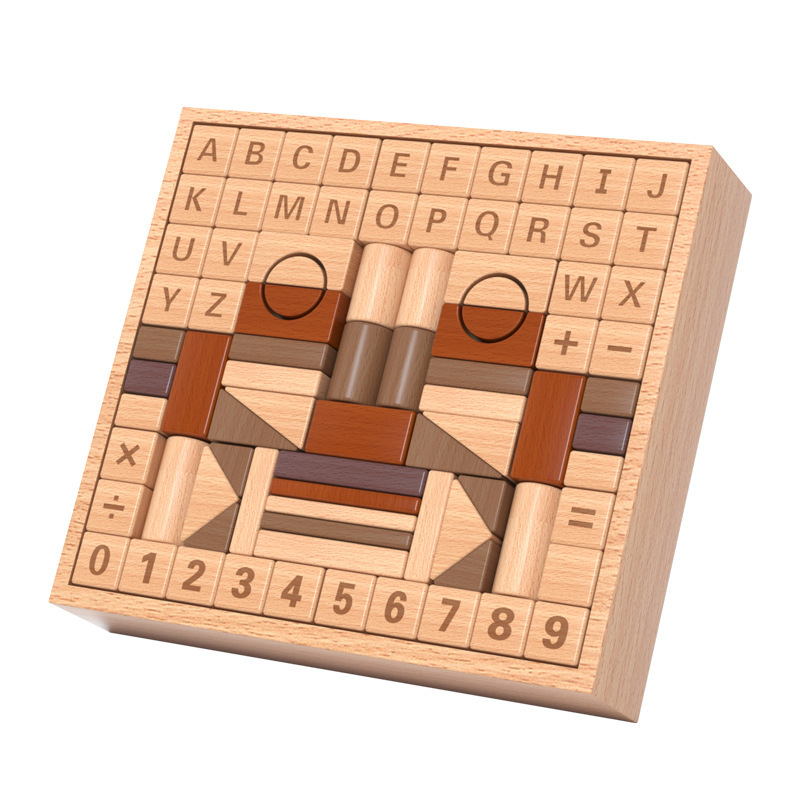
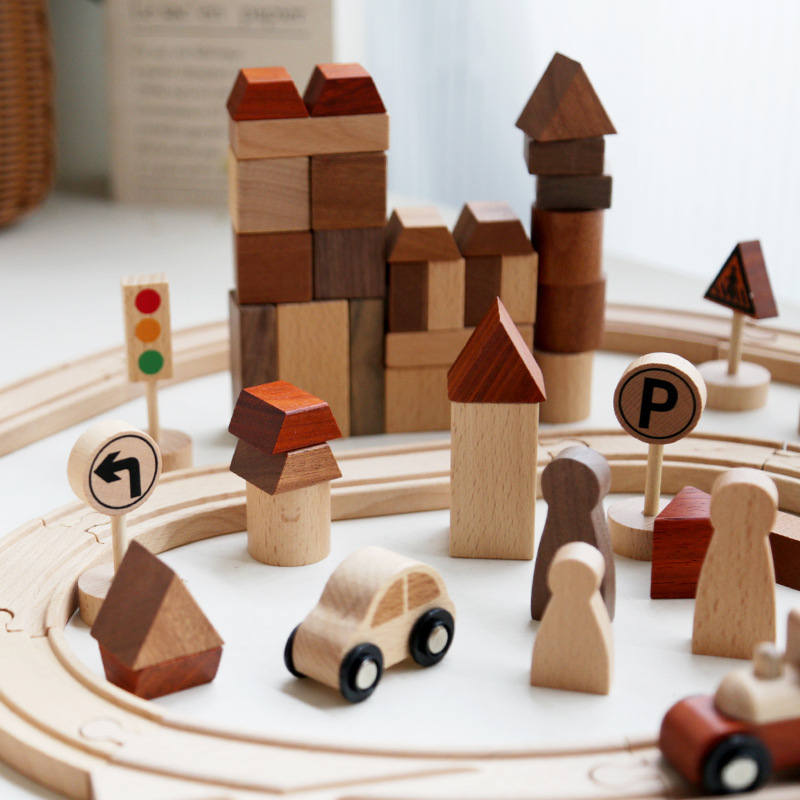
High-quality toys often serve educational purposes. For example, building blocks can help develop fine motor skills and spatial awareness, while puzzles can enhance problem-solving abilities. Toys that encourage imaginative play, such as dolls or action figures, can also foster social skills as children engage in role-playing scenarios.
Long-Lasting Value
While high-quality toys may come with a higher price tag, they often last much longer than their cheaper counterparts. This durability means that they can be passed down to younger siblings or even friends, making them a more economical choice in the long run.
Encouraging Active Play
Many high-quality toys promote physical activity, which is essential for children’s health. Outdoor toys like bikes, scooters, and sports equipment encourage children to be active, helping to combat the rising rates of childhood obesity.
Supporting Special Needs
High-quality toys can also be particularly beneficial for children with special needs. Many toys are designed to cater to various developmental challenges, providing sensory stimulation or promoting fine motor skills. For instance, toys with different textures can help children with sensory processing disorders, while building sets can enhance spatial awareness and problem-solving skills.
Fostering Social Skills
Toys that encourage group play can help children develop essential social skills. Board games, team sports equipment, and collaborative building sets promote teamwork, communication, and conflict resolution. These interactions are crucial for developing empathy and understanding social dynamics.
Enhancing Emotional Development
High-quality toys can also play a significant role in emotional development. Toys that allow for role-playing, such as dolls or action figures, enable children to express their feelings and understand different perspectives. This type of play can help children process their emotions and develop empathy for others.
Long-Term Benefits of Investing in High-Quality Toys
Investing in high-quality toys can have long-term benefits for children’s development. These toys often encourage sustained engagement, allowing children to explore and learn over time. For instance, a well-made building set can be used in various ways as a child grows, fostering creativity and problem-solving skills. Additionally, high-quality toys can withstand the test of time, making them suitable for future generations.
How to Choose High-Quality Toys
Research Brands and Materials
When shopping for toys, it’s essential to research brands known for their commitment to quality and safety. Look for companies that prioritize non-toxic materials and have a reputation for producing durable products. Reading reviews and seeking recommendations from other parents can also be helpful.
Check for Certifications
Look for toys that have been certified by safety organizations. Certifications such as ASTM (American Society for Testing and Materials) or EN71 (European Standard for Toy Safety) indicate that the toy has undergone rigorous testing for safety. These certifications provide assurance that the toy meets specific safety standards and is suitable for children.
Consider the Child’s Interests and Developmental Stage
Choose toys that align with the child’s interests and developmental stage. For example, toddlers may benefit from simple stacking toys, while older children might enjoy more complex building sets or science kits. Engaging a child’s interests can enhance their play experience and encourage learning.
Look for Versatility
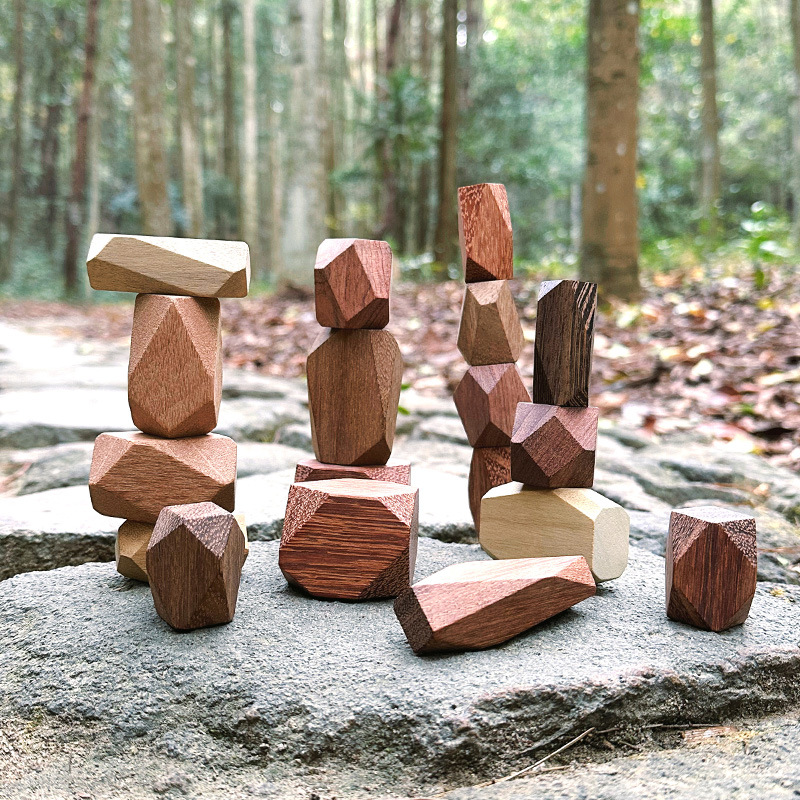
Toys that can be used in multiple ways or that grow with the child are often the best investments. For instance, a set of building blocks can be used for various projects, allowing for creativity and exploration over time. Versatile toys can adapt to a child’s changing interests and developmental needs.
Evaluate the Price
While high-quality toys may be more expensive, consider the long-term value they provide. A durable, educational toy that lasts for years is often a better investment than several cheaper toys that break easily. Additionally, consider the potential for resale or passing down to younger siblings, which can further justify the initial cost.
Popular High-Quality Toy Categories
Educational Toys
Educational toys are designed to teach children new skills while they play. These can include:
- STEM Toys: Science, technology, engineering, and math toys encourage critical thinking and problem-solving skills. Examples include robotics kits and science experiment sets.
- Art Supplies: High-quality art supplies, such as non-toxic paints and durable sketchbooks, can inspire creativity and self-expression.
- Language Development Toys: Toys that promote language skills, such as books, flashcards, and interactive learning games, can help children develop their vocabulary and communication abilities.
Outdoor Toys
Outdoor toys promote physical activity and exploration. Some popular options include:
- Bicycles and Scooters: These toys encourage active play and help develop coordination and balance.
- Sports Equipment: Items like soccer balls, basketballs, and frisbees can foster teamwork and physical fitness.
- Nature Exploration Kits: Kits that include magnifying glasses, bug catchers, and binoculars can encourage children to explore the outdoors and learn about nature.
Creative Play Toys
Toys that encourage imaginative play are essential for child development. Examples include:
- Dolls and Action Figures: These toys allow children to create stories and scenarios, enhancing their social skills.
- Building Sets: Toys like LEGO or magnetic tiles promote creativity and problem-solving as children construct their designs.
- Pretend Play Sets: Kitchen sets, tool kits, and dress-up clothes allow children to engage in role-playing, which is crucial for developing social and emotional skills.
Sensory Toys
Sensory toys are designed to engage a child’s senses and can be particularly beneficial for children with sensory processing issues. Examples include:
- Fidget Toys: These can help children focus and relieve anxiety.
- Textured Toys: Toys with various textures can stimulate tactile exploration.
- Musical Instruments: Instruments like xylophones, drums, and maracas can enhance auditory skills and encourage creative expression through music.
Eco-Friendly Toys
As awareness of environmental issues grows, many parents are seeking eco-friendly toys. These toys are made from sustainable materials, such as bamboo, organic cotton, or recycled plastics. They not only reduce the carbon footprint but also teach children the importance of caring for the planet. Brands that focus on sustainability often use non-toxic paints and dyes, ensuring that their products are safe for children and the environment.
Innovative Trends in High-Quality Toy Design
The toy industry is constantly evolving, with new trends emerging that focus on enhancing play experiences. Some of the latest innovations include:
- Smart Toys: These toys incorporate technology to provide interactive experiences. For example, some toys can connect to apps that offer educational games or augmented reality experiences, making playtime more engaging.
- Customizable Toys: Many brands now offer customizable toys that allow children to personalize their play experiences. This can include building sets that can be modified or dolls that can be dressed in various outfits.
- Sustainable Manufacturing: More companies are adopting sustainable practices in their manufacturing processes. This includes using biodegradable materials and reducing waste, which appeals to environmentally conscious consumers.
- Inclusive Toys: There is a growing trend towards creating toys that are inclusive and represent diverse cultures, abilities, and experiences. This helps children learn about and appreciate diversity from a young age.
The Role of Smart and Customizable Toys
Smart toys and customizable toys enhance a child’s learning and engagement during playtime. Smart toys often come equipped with sensors and connectivity features that allow them to interact with children in meaningful ways. For instance, a smart robot might respond to a child’s voice commands, encouraging language development and critical thinking. Customizable toys, on the other hand, allow children to express their creativity and individuality. By personalizing their toys, children can create unique play experiences that reflect their interests and preferences.
The Importance of Inclusive Toys
Inclusive toys play a vital role in promoting diversity and understanding among children. These toys often represent various cultures, abilities, and backgrounds, helping children learn about and appreciate differences. For example, dolls that reflect different skin tones, body types, and abilities can help children understand and embrace diversity. Additionally, inclusive toys can foster empathy and compassion, as children learn to appreciate the experiences of others.
The Impact of Play on Child Development
Play is a fundamental aspect of childhood that significantly impacts a child’s development. It is through play that children learn about the world around them, develop social skills, and enhance their cognitive abilities. High-quality toys facilitate this process by providing engaging and stimulating experiences.
Cognitive Development
Cognitive development refers to the growth of a child’s ability to think, learn, and understand. Toys that challenge children to solve problems, think critically, and explore new concepts can significantly enhance cognitive development. For example, puzzles and building sets require children to use logic and reasoning, while science kits encourage exploration and experimentation.
Physical Development
Physical development involves the growth of motor skills and coordination. Toys that promote active play, such as balls, bikes, and climbing structures, help children develop gross motor skills. Fine motor skills can be enhanced through toys that require manipulation, such as building blocks, art supplies, and puzzles.
Social Development
Social development is crucial for children as they learn to interact with others. Toys that encourage group play, such as board games and team sports, help children develop communication skills, teamwork, and conflict resolution. These interactions are essential for building friendships and understanding social dynamics.
Emotional Development
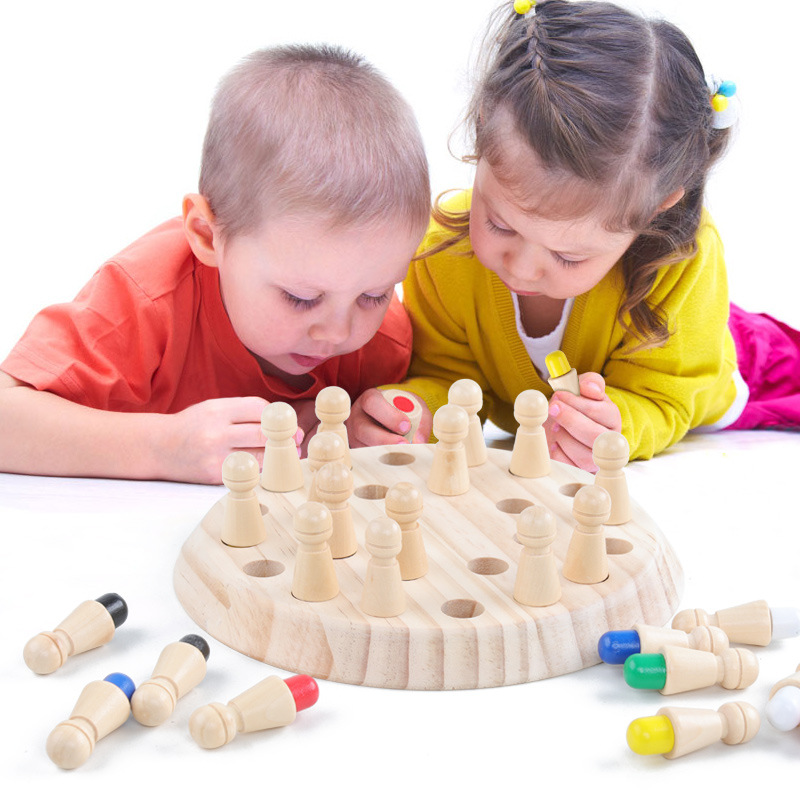
Emotional development involves understanding and managing emotions. Toys that allow for role-playing, such as dolls and action figures, enable children to express their feelings and understand different perspectives. This type of play can help children process their emotions and develop empathy for others.
Conclusion
Choosing high-quality toys for children is an investment in their safety, development, and enjoyment. By focusing on safety, durability, educational value, and age appropriateness, parents can select toys that will provide lasting benefits. Remember to research brands, check for certifications, and consider the child’s interests when making your choices. With the right toys, playtime can be both fun and enriching.
How to purchase:Online B2B sourcing platform, China purchase, Chinese suppliers – LooperBuy
Frequently Asked Questions
1. What are the safest materials for children’s toys?
High-quality toys are typically made from non-toxic materials such as wood, food-grade plastics, and organic fabrics. Always look for certifications that indicate safety standards.
2. How can I tell if a toy is age-appropriate?
Toy packaging usually includes age recommendations. Additionally, consider the child’s developmental stage and interests when selecting toys.
3. Are expensive toys always better?
Not necessarily. While high-quality toys often come with a higher price tag, it’s essential to evaluate the toy’s safety, durability, and educational value rather than just the cost.
4. How can I encourage my child to play with educational toys?
Engage with your child during playtime, showing them how to use the toys creatively. Incorporate educational themes into play to make it more appealing.
5. What should I do if a toy is recalled?
If a toy is recalled, stop using it immediately and follow the manufacturer’s instructions for returning or disposing of the toy safely.
HOT TAG: high-quality toys, children’s safety, educational toys, durable playthings, eco-friendly toys, imaginative play, sensory toys, active play, toy safety standards, child development, innovative toy design, sustainable manufacturing, inclusive toys, creative play, outdoor exploration, smart toys, customizable toys, long-lasting value, emotional development, social skills, developmental benefits, cognitive growth, physical development, play impact.