Drop shipping has emerged as a popular business model in the e-commerce landscape, allowing entrepreneurs to sell products without the need to maintain inventory. This article delves into the intricacies of drop shipping orders, exploring how they work, the advantages and challenges associated with them, and strategies for optimizing your drop shipping business for success.
Table of Contents
What is Drop Shipping?
Drop shipping is a retail fulfillment method where a store does not keep the products it sells in stock. Instead, when a store sells a product, it purchases the item from a third party and has it shipped directly to the customer. This model allows entrepreneurs to start an online business without the need for significant upfront investment in inventory.
How Drop Shipping Works
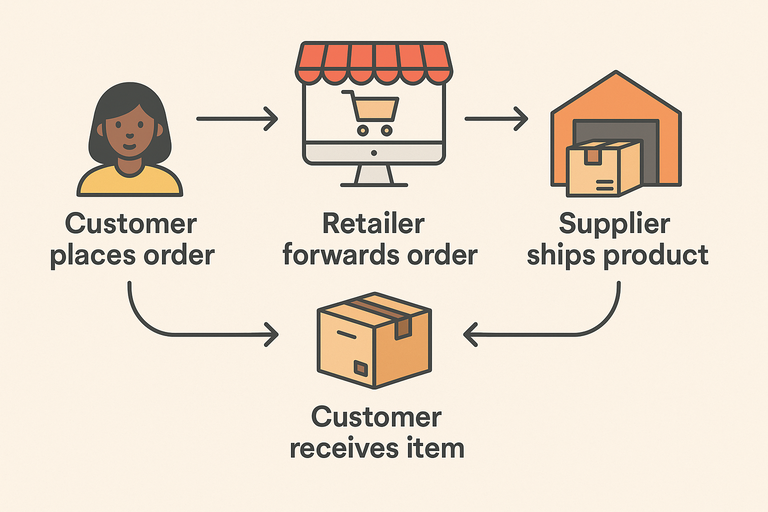
The drop shipping process involves several key steps:
- Customer Places an Order: A customer visits your online store and places an order for a product.
- Order Notification: You receive a notification of the order and payment.
- Supplier Notification: You then forward the order details to your supplier, who prepares the product for shipping.
- Shipping: The supplier ships the product directly to the customer, and you receive a tracking number to provide to the customer.
- Customer Service: You handle any customer inquiries or issues that arise post-purchase.
This model eliminates the need for inventory management and reduces the risk of unsold stock, making it an attractive option for many new entrepreneurs.
Advantages of Drop Shipping Orders
Low Startup Costs
One of the most significant advantages of drop shipping is the low barrier to entry. Since you don’t need to invest in inventory upfront, you can start your business with minimal capital. This makes it an ideal option for those looking to enter the e-commerce space without significant financial risk.
Wide Product Selection
With drop shipping, you can offer a vast array of products without the need to purchase them in advance. This flexibility allows you to test different products and niches without the risk of being stuck with unsold inventory. You can easily pivot your offerings based on market trends and customer preferences.
Location Independence
Drop shipping businesses can be run from anywhere with an internet connection. This flexibility allows entrepreneurs to travel or work from home, making it an appealing option for those seeking a more flexible lifestyle. You can manage your business from a coffee shop, a co-working space, or even while traveling abroad.
Scalability
As your business grows, you can easily scale your operations without the need for additional physical space or inventory. You can add new products and suppliers as demand increases, allowing for rapid growth. This scalability is particularly beneficial for entrepreneurs who want to expand their product lines without the logistical challenges of traditional retail.
Minimal Risk
Since you are not purchasing inventory upfront, the financial risk associated with unsold products is significantly reduced. This allows you to experiment with different products and niches without the fear of incurring losses from unsold stock.
Flexibility in Business Operations
Drop shipping allows for a high degree of flexibility in business operations. You can quickly adapt to changing market conditions, customer preferences, and emerging trends. This adaptability is crucial in the fast-paced world of e-commerce, where consumer behavior can shift rapidly.
Challenges of Drop Shipping Orders
Lower Profit Margins
While drop shipping offers many advantages, it often comes with lower profit margins compared to traditional retail models. Since you are not buying in bulk, the cost per item may be higher, which can affect your pricing strategy. To combat this, you need to focus on high-demand products and effective marketing strategies to drive sales.
Inventory Issues
Since you do not control the inventory, there can be issues with stock levels. If a supplier runs out of stock, it can lead to delays in fulfilling customer orders, which can negatively impact your business reputation. To mitigate this risk, maintain open communication with your suppliers and regularly check their inventory levels.
Shipping Complexities
Managing shipping can be complicated, especially if you work with multiple suppliers. Different suppliers may have different shipping times and costs, which can lead to confusion and customer dissatisfaction. Consider using a centralized shipping solution that can streamline the process and provide customers with accurate shipping information.
Competition
The low barrier to entry means that many entrepreneurs are entering the drop shipping space, leading to increased competition. To succeed, you need to find a unique selling proposition and effectively market your products. Conduct thorough market research to identify gaps in the market that you can fill with your offerings.
Legal Considerations
Starting a drop shipping business also involves understanding the legal landscape. You need to ensure compliance with local laws regarding e-commerce, consumer protection, and tax obligations. It’s essential to familiarize yourself with regulations that may affect your business, such as sales tax collection and data protection laws.
Supplier Reliability
The reliability of your suppliers is crucial to your business’s success. If a supplier fails to deliver on time or provides poor-quality products, it can damage your reputation and lead to customer dissatisfaction. Therefore, it’s essential to vet suppliers thoroughly and establish strong relationships with them.
Strategies for Successful Drop Shipping Orders
Choosing the Right Niche
Selecting the right niche is crucial for your drop shipping business. Research market trends, customer preferences, and competition to identify a niche that has demand but is not overly saturated. Consider your interests and expertise, as this can help you connect with your target audience. Tools like Google Trends and keyword research can provide insights into what products are currently popular.
Finding Reliable Suppliers
Your suppliers play a critical role in your drop shipping success. Look for suppliers with a good reputation, quality products, and reliable shipping times. Establish a relationship with your suppliers to ensure smooth communication and order fulfillment. Platforms like AliExpress, Oberlo, and SaleHoo can help you find reputable suppliers.
Optimizing Your Online Store
Your online store is your primary sales channel, so it’s essential to optimize it for conversions. Use high-quality images, detailed product descriptions, and customer reviews to build trust and encourage purchases. Implement SEO strategies to improve your store’s visibility in search engines. Consider using A/B testing to determine which layouts and designs convert best.
Marketing Your Products
Effective marketing is key to driving traffic to your online store. Utilize social media, email marketing, and paid advertising to reach your target audience. Consider influencer partnerships to expand your reach and credibility. Create engaging content that resonates with your audience and showcases your products in use.
Providing Excellent Customer Service
Customer service can set you apart from competitors. Respond promptly to inquiries, handle returns efficiently, and keep customers informed about their order status. Building a reputation for excellent customer service can lead to repeat business and positive reviews. Consider implementing a live chat feature on your website to assist customers in real-time.
Automating Your Drop Shipping Process
To streamline your operations, consider automating various aspects of your drop shipping business. Use tools like Shopify or WooCommerce plugins that can automate order processing, inventory management, and customer notifications. Automation can save you time and reduce the likelihood of errors in order fulfillment.
Managing Returns and Refunds
Handling returns and refunds efficiently is crucial for maintaining customer satisfaction. Establish a clear return policy and communicate it to your customers. Work closely with your suppliers to ensure that returns are processed smoothly. A hassle-free return process can enhance customer loyalty and encourage repeat purchases.
Analyzing Performance Metrics
Regularly analyze your business performance metrics to identify areas for improvement. Track key performance indicators (KPIs) such as conversion rates, average order value, and customer acquisition costs. Use this data to make informed decisions about your marketing strategies and product offerings.
Building a Strong Brand Identity
Creating a strong brand identity is essential for standing out in the competitive drop shipping market. Develop a unique brand voice, logo, and visual style that resonates with your target audience. Consistency in branding across all platforms, including your website and social media, helps build trust and recognition.
Leveraging Customer Feedback
Customer feedback is invaluable for improving your products and services. Encourage customers to leave reviews and ratings, and actively seek their opinions on your offerings. Use this feedback to make necessary adjustments and enhance the overall customer experience.
Utilizing Social Proof
Social proof, such as customer testimonials and user-generated content, can significantly influence potential buyers. Showcase positive reviews and customer photos on your website and social media channels to build trust and credibility. This can help alleviate concerns for new customers and encourage them to make a purchase.
Engaging with Your Audience
Engagement is key to building a loyal customer base. Use social media platforms to interact with your audience, respond to comments, and create a community around your brand. Hosting giveaways, polls, and contests can also increase engagement and attract new customers.
Staying Updated with Market Trends
The e-commerce landscape is constantly evolving, and staying updated with market trends is crucial for success. Subscribe to industry newsletters, follow relevant blogs, and participate in online forums to keep abreast of changes in consumer behavior, technology, and marketing strategies.
Diversifying Your Product Range
While focusing on a niche is important, diversifying your product range can help mitigate risks associated with market fluctuations. By offering complementary products, you can increase your average order value and attract a broader customer base. This strategy can also help you adapt to changing consumer preferences.
Implementing Loyalty Programs
Loyalty programs can incentivize repeat purchases and foster customer loyalty. Consider offering discounts, exclusive access to new products, or rewards for referrals. A well-structured loyalty program can enhance customer retention and increase lifetime value.
Conclusion
Drop shipping can be a lucrative business model for those willing to put in the effort to understand the market and optimize their operations. By choosing the right niche, finding reliable suppliers, and focusing on customer service, you can build a successful drop shipping business that meets the needs of your customers. With the right strategies in place, you can navigate the challenges of drop shipping and create a sustainable and profitable online business.
As you embark on your drop shipping journey, remember that the right products can make all the difference in capturing your customers’ attention and driving sales. Discover a wide range of trending items at unbeatable prices to elevate your online store today! Visit LooperBuy to explore your options.
Article Summary: This article provides a comprehensive overview of drop shipping orders, detailing how the model works, its advantages and challenges, and strategies for success. Entrepreneurs can leverage drop shipping to start an online business with low startup costs and flexibility, but must navigate issues like lower profit margins and competition. By optimizing their operations and focusing on customer service, they can build a successful drop shipping business.
Hot Tags: Drop Shipping; E-commerce; Online Business; Retail Fulfillment; Supplier Management; Inventory Control; Customer Service; Marketing Strategies; Niche Selection; Low Startup Costs; Profit Margins; Shipping Solutions; Market Research; Product Optimization; Sales Conversion; Digital Marketing; Social Media Advertising; Influencer Partnerships; Customer Retention; Performance Metrics; Automation Tools; Order Processing; Returns Management; Business Scalability; Entrepreneurial Strategies; Online Store Optimization; Consumer Trends; Competitive Analysis; Quality Assurance; Customer Experience
Related Questions & Answers
· What are the most profitable niches for drop shipping in 2024?
Identifying profitable niches involves researching market trends, consumer demand, and competition. Popular niches often include health and wellness, tech gadgets, and eco-friendly products.
· How can I find reliable drop shipping suppliers outside of AliExpress?
You can find reliable suppliers through platforms like SaleHoo, Doba, and Wholesale Central, or by directly contacting manufacturers and wholesalers in your niche.
· What are the best marketing strategies for a new drop shipping business?
Effective marketing strategies include leveraging social media advertising, influencer partnerships, content marketing, and email campaigns to engage potential customers and drive traffic to your store.