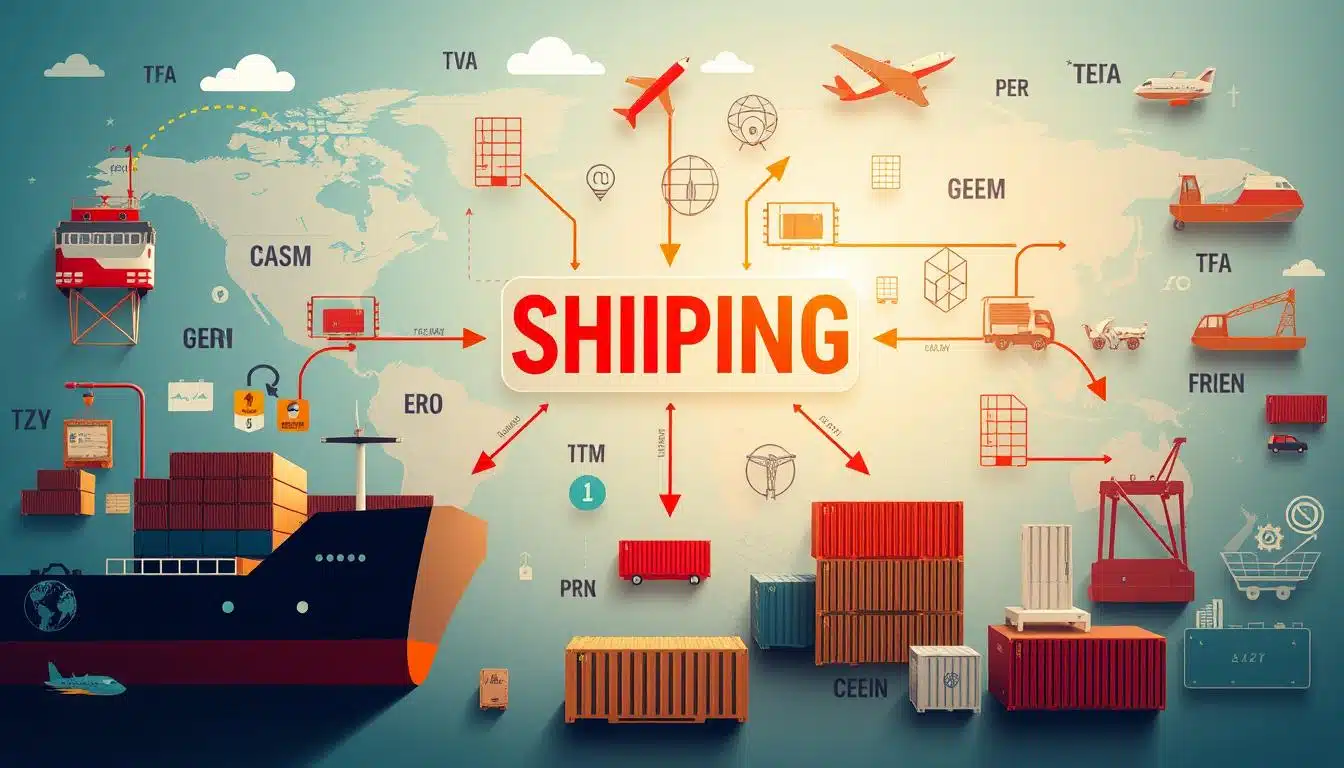
In an increasingly interconnected world, the term “global shipping” has become a cornerstone of international trade and commerce. This article delves into the meaning of global shipping, its significance, the challenges it faces, and its future in the global economy.
Table of Contents
What is Global Shipping?
Global shipping refers to the transportation of goods across international borders, utilizing various modes of transport, including sea, air, and land. It encompasses a complex network of logistics, freight forwarding, customs clearance, and shipping lines that work together to facilitate the movement of products from manufacturers to consumers worldwide.
The Importance of Global Shipping
Global shipping is vital for several reasons:
- Economic Growth: It enables countries to import goods that are not available domestically and export products to new markets, fostering economic development. This trade not only boosts local economies but also contributes to global economic stability.
- Job Creation: The shipping industry supports millions of jobs globally, from dockworkers to logistics managers. The diverse range of roles within the industry ensures that various skill sets are utilized, contributing to workforce development.
- Global Connectivity: It connects businesses and consumers across continents, allowing for a diverse range of products to be available in local markets. This connectivity enhances cultural exchange and promotes international cooperation.
- Supply Chain Efficiency: Global shipping plays a crucial role in optimizing supply chains. By facilitating the timely delivery of goods, it helps businesses maintain inventory levels and meet consumer demand effectively.
- Facilitating E-commerce: The rise of e-commerce has significantly increased the demand for global shipping services. Consumers expect fast and reliable delivery of goods purchased online, prompting shipping companies to adapt their services to meet these demands.
- Access to Resources: Global shipping allows countries to access resources that may not be available locally, such as raw materials, technology, and specialized products. This access is essential for industries that rely on specific inputs to manufacture goods.
- Cultural Exchange: Global shipping not only facilitates trade but also promotes cultural exchange. Products from different countries bring diverse cultural influences into local markets, enriching consumer experiences and fostering global understanding.
The Evolution of Global Shipping
The history of global shipping is rich and varied, reflecting humanity’s quest for exploration and trade. From ancient maritime routes to modern container shipping, the industry has undergone significant transformations.
Historical Context
- Ancient Trade Routes: Early civilizations relied on waterways for trade, establishing routes that connected distant lands. The Silk Road, for instance, was not just a land route but also included maritime paths that facilitated trade between Asia and Europe.
- The Age of Exploration: The 15th and 16th centuries marked a period of exploration, leading to the establishment of new trade routes and the exchange of goods and cultures. Explorers like Columbus and Magellan opened new avenues for trade, significantly impacting global commerce.
- Containerization: The introduction of container shipping in the mid-20th century revolutionized the industry, allowing for more efficient loading and unloading of cargo. This innovation reduced shipping times and costs, making international trade more accessible.
Technological Advancements
The shipping industry has embraced technology to enhance efficiency and safety. Innovations such as GPS tracking, automated cargo handling, and digital documentation have streamlined operations and reduced costs. The use of big data analytics allows shipping companies to optimize routes and improve delivery times, further enhancing service quality.
The Role of Free Trade Agreements
Free trade agreements (FTAs) play a significant role in facilitating global shipping by reducing tariffs and trade barriers between countries. These agreements encourage trade by making it easier and more cost-effective for businesses to export and import goods. FTAs can lead to increased shipping volumes, benefiting shipping companies and the global economy as a whole.
Eco-Friendly Shipping Practices
As environmental concerns grow, the shipping industry is increasingly adopting eco-friendly practices. These include:
- Alternative Fuels: Many shipping companies are exploring the use of alternative fuels, such as liquefied natural gas (LNG) and biofuels, to reduce emissions.
- Energy Efficiency: Investments in energy-efficient vessels and technologies, such as hull modifications and propeller designs, help minimize fuel consumption.
- Waste Management: Implementing effective waste management practices on ships reduces pollution and promotes sustainability.
- Carbon Offsetting: Some companies are investing in carbon offset programs to compensate for their emissions, contributing to environmental conservation efforts.
Key Components of Global Shipping
Understanding global shipping requires familiarity with its key components:
Freight Forwarding
Freight forwarders act as intermediaries between shippers and carriers, managing the logistics of transporting goods. They handle documentation, customs clearance, and ensure that shipments arrive on time. Their expertise in navigating complex shipping regulations is invaluable for businesses looking to expand internationally.
Customs Clearance
Navigating customs regulations is crucial for international shipping. Each country has its own rules regarding imports and exports, and compliance is necessary to avoid delays and penalties. Customs brokers play a vital role in this process, ensuring that all necessary documentation is in order and that duties and taxes are paid.
Shipping Lines
Shipping lines operate vessels that transport goods across oceans and seas. They play a critical role in determining shipping routes, schedules, and costs. Major shipping companies have established extensive networks that allow them to offer competitive rates and reliable service.
Ports and Terminals
Ports and terminals are the gateways for global shipping. They serve as the points of entry and exit for goods, facilitating the transfer of cargo between different modes of transport. Efficient port operations are essential for minimizing delays and ensuring smooth logistics. The development of port infrastructure, including deep-water ports and advanced cargo handling systems, is crucial for accommodating larger vessels and increasing shipping capacity.
Logistics and Supply Chain Management
Effective logistics and supply chain management are essential for successful global shipping. This involves coordinating the movement of goods from suppliers to consumers, managing inventory levels, and optimizing transportation routes. Companies that invest in robust logistics systems can reduce costs, improve delivery times, and enhance customer satisfaction.
The Role of Artificial Intelligence
Artificial intelligence (AI) is increasingly being utilized in global shipping to optimize routes and logistics. AI algorithms can analyze vast amounts of data to predict demand, assess risks, and identify the most efficient shipping routes. This technology not only enhances operational efficiency but also helps companies respond quickly to changing market conditions.
Challenges in Global Shipping
Despite its importance, global shipping faces numerous challenges that can disrupt operations and increase costs.
Supply Chain Disruptions
Events such as natural disasters, political instability, and pandemics can severely impact shipping routes and schedules. The COVID-19 pandemic, for instance, highlighted vulnerabilities in global supply chains, leading to delays and increased shipping costs. Companies are now more aware of the need for contingency planning and risk management strategies to mitigate these disruptions.
Environmental Concerns
The shipping industry is a significant contributor to greenhouse gas emissions. As global awareness of climate change grows, there is increasing pressure on shipping companies to adopt more sustainable practices. Initiatives such as the International Maritime Organization’s (IMO) strategy to reduce greenhouse gas emissions by at least 50% by 2050 are pushing the industry towards greener alternatives. Companies are exploring options such as using cleaner fuels, improving vessel efficiency, and investing in renewable energy sources.
Regulatory Compliance
Navigating the complex web of international regulations can be daunting for shipping companies. Compliance with customs laws, safety standards, and environmental regulations is essential but can be resource-intensive. Companies must invest in training and technology to ensure they meet these requirements.
Geopolitical Factors
Geopolitical tensions can also impact global shipping. Trade wars, sanctions, and conflicts can lead to increased shipping costs and altered routes. Companies must stay informed about global political developments to adapt their strategies accordingly.
Rising Costs
The costs associated with global shipping have been on the rise due to various factors, including fuel prices, labor costs, and increased demand for shipping services. Companies must find ways to manage these costs while maintaining service quality. Strategies such as negotiating better rates with carriers, optimizing shipping routes, and utilizing technology to improve efficiency can help mitigate rising costs.
Security Risks
Global shipping is also vulnerable to security risks, including piracy, theft, and cyberattacks. Shipping companies must implement robust security measures to protect their vessels, cargo, and data. This includes investing in advanced tracking systems, cybersecurity protocols, and training for crew members on security best practices.
The Future of Global Shipping
As the world continues to evolve, so too does the landscape of global shipping. Several trends are shaping its future:
Sustainability Initiatives
The shipping industry is increasingly focusing on sustainability. Companies are investing in cleaner technologies, such as alternative fuels and energy-efficient vessels, to reduce their environmental impact. The adoption of wind-assisted propulsion and biofuels is gaining traction as part of this shift towards greener shipping practices.
Digital Transformation
The adoption of digital technologies is transforming the shipping industry. From blockchain for secure transactions to AI for predictive analytics, technology is enhancing efficiency and transparency in global shipping. Digital platforms are enabling real-time tracking of shipments, improving customer service and satisfaction.
E-commerce Growth
The rise of e-commerce has significantly impacted global shipping. Consumers expect fast and reliable delivery of goods purchased online, prompting shipping companies to adapt their services to meet these demands. Last-mile delivery solutions are becoming increasingly important as companies strive to provide quick and efficient service.
Innovations in Logistics
Innovations in logistics, such as automated warehouses and drone deliveries, are set to revolutionize the shipping industry. These advancements promise to enhance efficiency and reduce costs, making global shipping more accessible to businesses of all sizes.
Resilience and Adaptability
The future of global shipping will require companies to be more resilient and adaptable. This includes developing flexible supply chains that can respond to disruptions and changing market conditions. Companies that invest in technology and innovation will be better positioned to thrive in this dynamic environment.
Collaboration and Partnerships
As the shipping industry faces increasing challenges, collaboration and partnerships among stakeholders will become more critical. Shipping companies, freight forwarders, customs brokers, and technology providers must work together to create efficient and resilient supply chains. This collaborative approach can lead to shared resources, improved communication, and enhanced problem-solving capabilities.
Key Performance Indicators (KPIs)
To measure the efficiency of global shipping operations, companies often rely on key performance indicators (KPIs). These metrics can include:
- On-time Delivery Rate: The percentage of shipments delivered on or before the scheduled date.
- Cost per Shipment: The total cost incurred for shipping divided by the number of shipments.
- Transit Time: The average time taken for goods to travel from the point of origin to the destination.
- Cargo Damage Rate: The percentage of shipments that arrive damaged or unsatisfactory.
- Customer Satisfaction: Feedback from customers regarding their shipping experience, often measured through surveys.
By monitoring these KPIs, companies can identify areas for improvement and enhance their overall shipping performance.
Conclusion
Global shipping is a vital component of the modern economy, facilitating international trade and connecting markets worldwide. While it faces challenges, the industry is evolving through technological advancements and a focus on sustainability. As we look to the future, global shipping will continue to play a crucial role in shaping the global economy.
As global shipping continues to evolve, ensuring you have access to the best products from around the world has never been easier—explore unbeatable deals and elevate your shopping experience today! Visit LooperBuy.
Frequently Asked Questions
1. What is global shipping?
Global shipping refers to the transportation of goods across international borders using various modes of transport, including sea, air, and land.
2. Why is global shipping important?
It is essential for economic growth, job creation, and global connectivity, allowing countries to trade goods and services efficiently.
3. What are the main challenges in global shipping?
Challenges include supply chain disruptions, environmental concerns, and regulatory compliance.
4. How has technology impacted global shipping?
Technology has improved efficiency and safety through innovations like GPS tracking, automated cargo handling, and digital documentation.
5. What is the future of global shipping?
The future includes a focus on sustainability, digital transformation, and adapting to the growth of e-commerce.
HOT TAG: global shipping meaning, international trade logistics, freight forwarding services, customs clearance processes, shipping industry trends, sustainability in shipping, e-commerce logistics solutions, supply chain management strategies, technological advancements in shipping, digital transformation in logistics, environmental impact of shipping, geopolitical factors affecting trade, shipping challenges and solutions, eco-friendly shipping practices, artificial intelligence in logistics, blockchain technology in shipping, key performance indicators for shipping efficiency, innovations in global shipping, maritime security measures, future of global shipping industry.