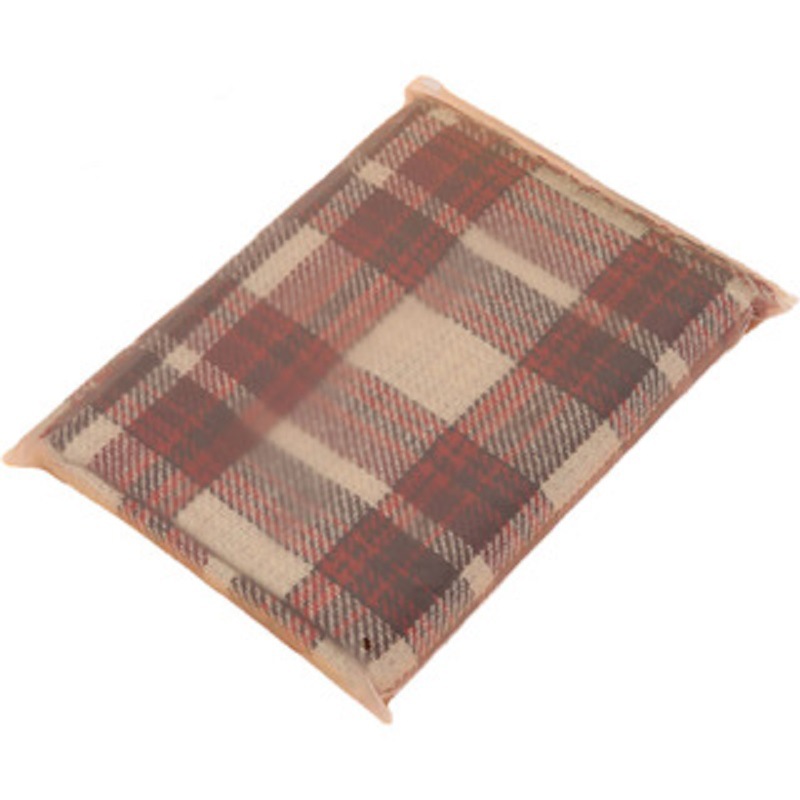
In the world of clothing storage and transportation, plastic garment bags have become an essential tool for both individuals and businesses. These versatile bags not only protect garments from dust, dirt, and moisture but also help maintain their shape and freshness. Whether you’re a fashion enthusiast, a dry cleaner, or someone who simply wants to keep their wardrobe organized, understanding the benefits and uses of plastic garment bags is crucial. In this article, we will explore the various aspects of plastic garment bags, including their types, benefits, best practices for use, and answers to common questions.
Table of Contents
Understanding Plastic Garment Bags
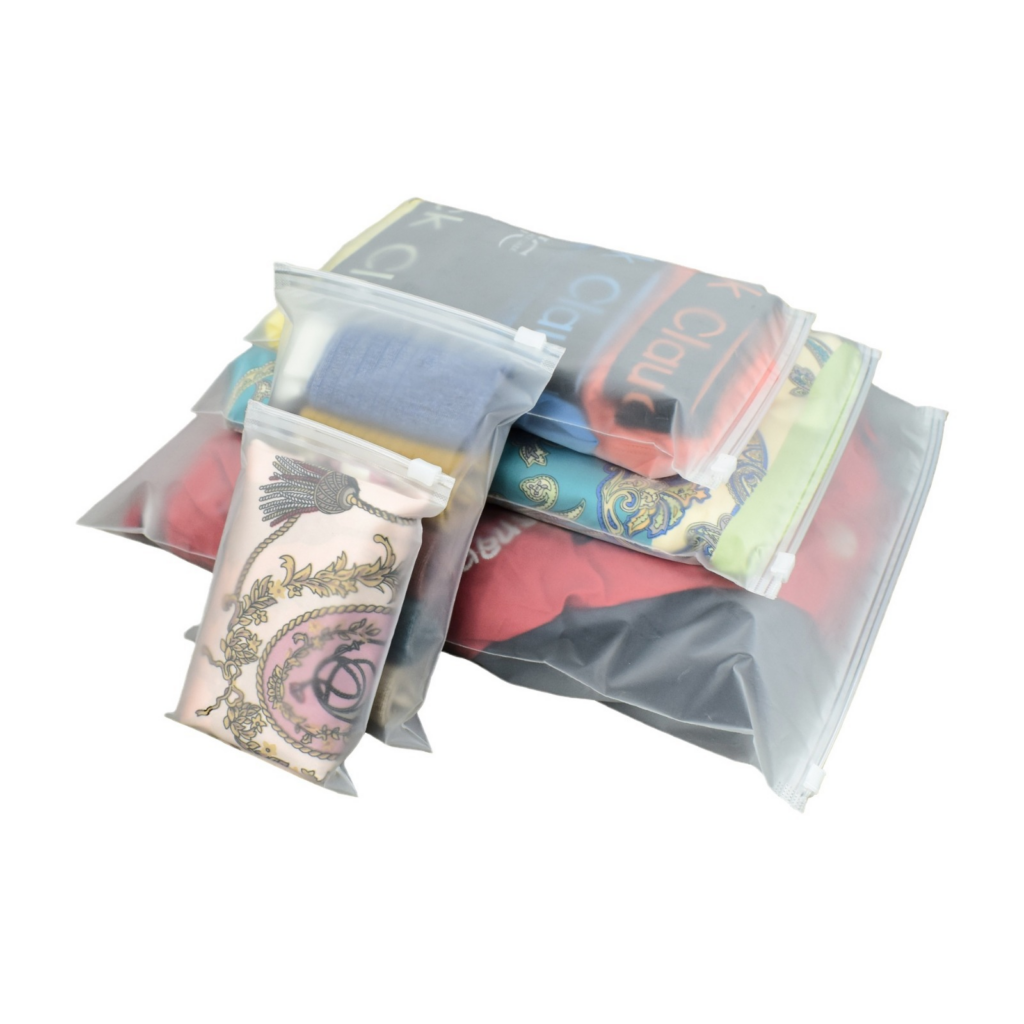
Plastic garment bags are protective covers made from various types of plastic materials, designed to encase clothing items. They are commonly used for storing, transporting, and displaying garments, ensuring that they remain clean and wrinkle-free. These bags come in various sizes and styles, catering to different types of clothing, from suits and dresses to coats and uniforms.
Types of Plastic Garment Bags
Standard Garment Bags
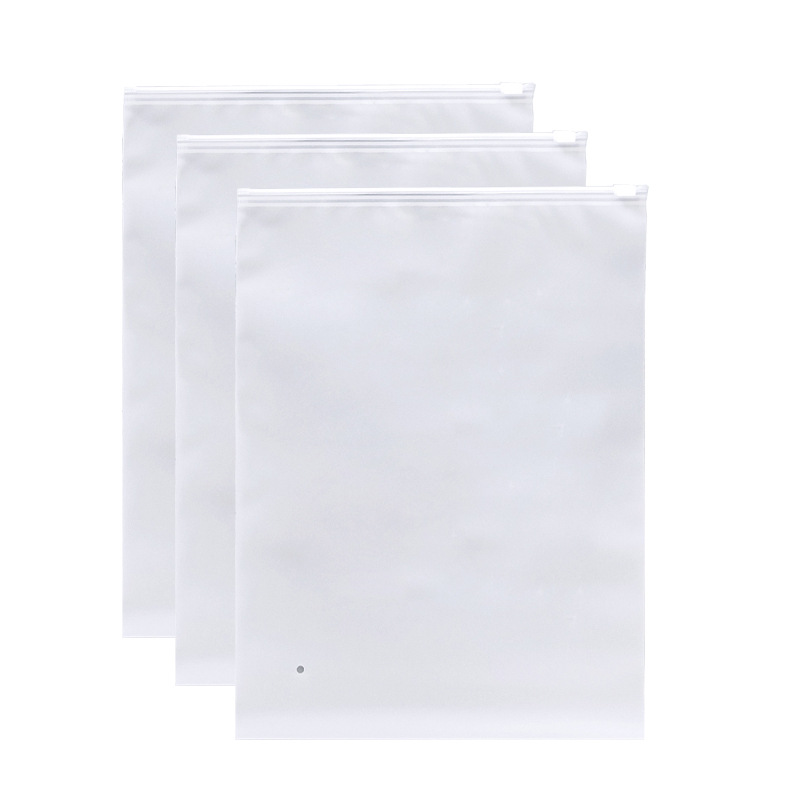
Standard plastic garment bags are typically clear and made from polyethylene or polypropylene. They are designed to cover individual garments, providing a protective layer against dust and dirt. These bags often feature a simple design with a zipper or open end for easy access.
Heavy-Duty Garment Bags
Heavy-duty plastic garment bags are thicker and more robust than standard bags. They are ideal for long-term storage or for transporting garments over long distances. These bags often come with reinforced seams and closures, ensuring that they can withstand wear and tear.
Breathable Garment Bags
Breathable plastic garment bags are designed to allow air circulation while still providing protection. These bags are often made from a combination of plastic and fabric materials, preventing moisture buildup and allowing garments to breathe. They are particularly useful for storing delicate fabrics that may be prone to mildew.
Custom Garment Bags
For businesses or individuals with specific needs, custom plastic garment bags can be created. These bags can be tailored to fit particular garment sizes and styles, and they can also feature custom printing or branding, making them ideal for retail settings.
Benefits of Using Plastic Garment Bags
Protection from Dust and Dirt
One of the primary benefits of plastic garment bags is their ability to protect clothing from dust and dirt. When garments are stored or transported without protection, they can easily accumulate dust, which can lead to staining and discoloration. Plastic garment bags create a barrier that keeps garments clean and fresh.
Prevention of Wrinkles
Plastic garment bags help maintain the shape of clothing items, preventing wrinkles and creases. This is especially important for formal wear, such as suits and dresses, which need to look pristine for special occasions. By encasing garments in plastic bags, you can ensure they remain ready to wear at a moment’s notice.
Moisture Resistance
Many plastic garment bags are designed to be moisture-resistant, protecting garments from humidity and dampness. This feature is particularly beneficial for individuals living in humid climates or for those who need to store clothing in basements or attics where moisture levels may be higher.
Cost-Effective Storage Solution
Plastic garment bags are an affordable storage solution for both individuals and businesses. They are widely available and can be purchased in bulk, making them a cost-effective option for protecting and organizing clothing items.
Versatility
Plastic garment bags are versatile and can be used for various purposes. They are ideal for storing seasonal clothing, transporting garments to and from the dry cleaners, or displaying items in retail settings. Their adaptability makes them a valuable addition to any wardrobe management strategy.
Best Practices for Using Plastic Garment Bags
To maximize the benefits of plastic garment bags, it’s essential to follow best practices for their use.
Choose the Right Size
When selecting plastic garment bags, ensure you choose the right size for your garments. Bags that are too small can cause creasing, while bags that are too large may not provide adequate protection. Measure your garments and select bags that fit comfortably.
Clean Garments Before Storing
Before placing garments in plastic garment bags, ensure they are clean and dry. Storing dirty or damp clothing can lead to unpleasant odors and mildew growth. If necessary, wash or dry clean your garments before encasing them in bags.
Avoid Overstuffing
When using plastic garment bags, avoid overstuffing them with multiple garments. Overstuffing can lead to wrinkles and damage to the clothing. Instead, use one bag per garment or limit the number of items in each bag to maintain their shape.
Store in a Cool, Dry Place
To prevent moisture buildup and protect your garments, store plastic garment bags in a cool, dry place. Avoid areas with high humidity or extreme temperature fluctuations, as these conditions can damage the materials. A shed, garage, or indoor storage area is ideal for keeping your bags safe during the off-season.
Regularly Check Stored Garments
If you are using plastic garment bags for long-term storage, periodically check the garments to ensure they remain in good condition. Look for signs of moisture, mildew, or damage, and take action as needed to protect your clothing.
Creative Uses for Plastic Garment Bags
Plastic garment bags can be used in various creative ways to enhance your outdoor experience.
Travel Companion
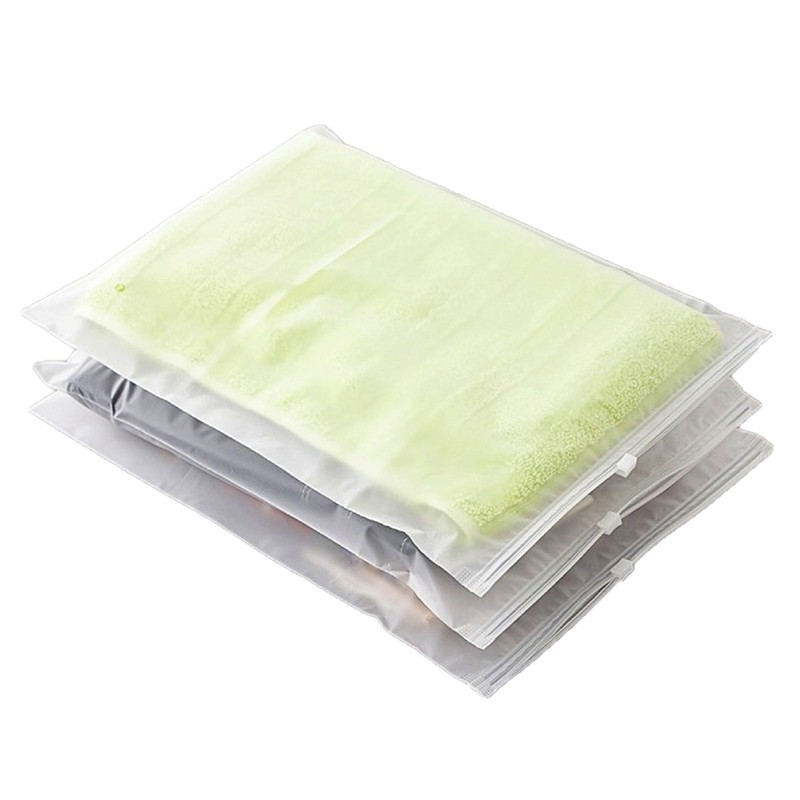
When traveling, plastic garment bags can help keep your clothes organized and wrinkle-free. Use them to separate formal wear from casual clothing, making it easy to access what you need without rummaging through your suitcase.
Seasonal Storage
For seasonal clothing, such as winter coats or summer dresses, plastic garment bags provide an excellent storage solution. They protect garments from dust and moisture while keeping them neatly organized until the next season.
Costume and Formal Wear Storage
For those who participate in theater productions or have formal wear for special occasions, plastic garment bags are ideal for storing costumes and dresses. They keep these items protected and ready for use whenever needed.
Retail Display
Retailers can use plastic garment bags to display clothing items while keeping them protected from dust and damage. Custom-printed bags can also serve as a branding tool, enhancing the shopping experience for customers.
Moving and Relocation
When moving, plastic garment bags can be used to protect clothing items during transport. They make it easy to keep garments organized and prevent them from getting wrinkled or damaged in transit.
Environmental Considerations
While plastic garment bags offer numerous benefits, it is essential to consider their environmental impact. Many plastic bags are single-use and contribute to plastic waste. To mitigate this issue, consider the following:
Reusable Options
Look for reusable plastic garment bags that are designed for multiple uses. These bags can be washed and stored for future use, reducing the need for single-use options.
Recycling
Check if your local recycling program accepts plastic garment bags. If so, ensure you recycle them properly to minimize their environmental impact.
Alternative Materials
Consider using garment bags made from biodegradable or eco-friendly materials. These options can provide similar benefits while being more environmentally responsible.
Understanding the Best Materials for Reusable Garment Bags
When it comes to reusable garment bags, the material plays a significant role in their effectiveness and longevity. Here are some of the best materials to consider:
Non-Woven Polypropylene
Non-woven polypropylene is a popular choice for reusable garment bags. This material is lightweight, durable, and breathable, making it ideal for protecting garments while allowing air circulation. It is also recyclable, which adds to its eco-friendliness.
PEVA (Polyethylene Vinyl Acetate)
PEVA is a non-toxic, environmentally friendly alternative to PVC. It is soft, flexible, and resistant to moisture, making it an excellent choice for garment bags. PEVA bags are often used for storing delicate fabrics, as they do not emit harmful chemicals.
Cotton and Fabric Blends
Cotton garment bags are breathable and can help prevent mildew growth. They are often used for long-term storage of delicate items. Fabric blends that combine cotton with synthetic materials can offer added durability while maintaining breathability.
PVC (Polyvinyl Chloride)
While PVC is commonly used for plastic garment bags, it is less environmentally friendly than other options. However, it is durable and provides excellent protection against moisture and dust. If you choose PVC, look for bags that are designed for multiple uses to minimize waste.
How Breathable Garment Bags Prevent Mildew
Breathable garment bags are designed to allow air circulation while still providing protection. This feature is crucial for preventing mildew growth, especially in humid environments. Here’s how they work:
Air Circulation
Breathable bags are made from materials that allow moisture to escape while keeping dust and dirt out. This air circulation helps to prevent the buildup of humidity inside the bag, which can lead to mildew and unpleasant odors.
Moisture Management
By allowing moisture to escape, breathable garment bags help maintain a stable environment for stored clothing. This is particularly important for delicate fabrics that are prone to mildew. The ability to manage moisture effectively ensures that garments remain fresh and ready to wear.
Best Practices for Storing Delicate Fabrics in Garment Bags
When it comes to storing delicate fabrics, using garment bags effectively can make a significant difference in preserving their quality. Here are some best practices:
Use Breathable Garment Bags
For delicate fabrics, opt for breathable garment bags that allow air circulation. This helps prevent moisture buildup and reduces the risk of mildew, ensuring that your garments remain in pristine condition.
Avoid Plastic for Long-Term Storage
While plastic garment bags are excellent for short-term use, consider using fabric garment bags for long-term storage of delicate items. Fabric bags allow for better air circulation and are less likely to trap moisture.
Store in a Cool, Dry Place
Ensure that the garments stored in garment bags are kept in a cool, dry environment. Avoid areas with high humidity or extreme temperature fluctuations, as these conditions can damage delicate fabrics.
Regularly Check Stored Items
Periodically inspect the garments stored in garment bags to ensure they remain in good condition. Look for any signs of moisture or damage, and take action as needed to protect your clothing.
Conclusion
Plastic garment bags are an essential tool for anyone looking to protect and organize their clothing. With their ability to shield garments from dust, dirt, and moisture, these bags offer a practical solution for both individuals and businesses. By understanding the different types of plastic garment bags, their benefits, and best practices for use, you can ensure your clothing remains in pristine condition. Whether you’re storing seasonal items, traveling, or managing a retail space, plastic garment bags are a versatile and cost-effective choice.
How to purchase:Online B2B sourcing platform, China purchase, Chinese suppliers – LooperBuy
Frequently Asked Questions
1. What are plastic garment bags used for?
Plastic garment bags are used to protect clothing items from dust, dirt, and moisture during storage or transportation. They help maintain the shape and freshness of garments.
2. How do I choose the right size plastic garment bag?
To choose the right size, measure your garments and select bags that fit comfortably without being too tight or too loose. One bag per garment is ideal for maintaining shape.
3. Can I wash plastic garment bags?
Plastic garment bags can be wiped down with a damp cloth and mild soap. However, avoid using harsh chemicals that may damage the material.
4. Are plastic garment bags reusable?
Yes, many plastic garment bags are designed for multiple uses. With proper care, they can be reused for storing or transporting garments.
5. How should I store plastic garment bags?
Store plastic garment bags in a cool, dry place away from direct sunlight and humidity to prevent damage to the bags and the garments inside.
HOT TAG: Plastic Garment Bags, Clothing Storage Solutions, Dust Protection, Moisture Resistance, Travel Garment Bags, Seasonal Clothing Storage, Retail Display Solutions, Costume Protection, Custom Garment Bags, Wardrobe Organization, Eco-Friendly Alternatives, Breathable Garment Bags, Reusable Storage Options, Best Practices for Storage, Environmental Impact, Heavy-Duty Garment Bags, Standard Garment Bags, Long-Term Storage Solutions, Short-Term Use, Garment Bag Maintenance, Non-Woven Fabric Bags, PEVA Garment Bags, Sustainable Fashion Practices, Clothing Preservation Techniques, Garment Bag Features, Versatile Storage Solutions, Organizing Your Wardrobe, Protecting Delicate Fabrics, Travel Essentials for Clothing.