Dog pet collars are essential accessories for pet owners, serving various purposes from identification to training. With a wide range of styles, materials, and functionalities available, choosing the right collar for your dog can be a daunting task. This article will explore the different types of dog collars, their uses, benefits, and tips for selecting the perfect collar for your furry friend.
Table of Contents
Understanding Dog Pet Collars
What is a Dog Collar?
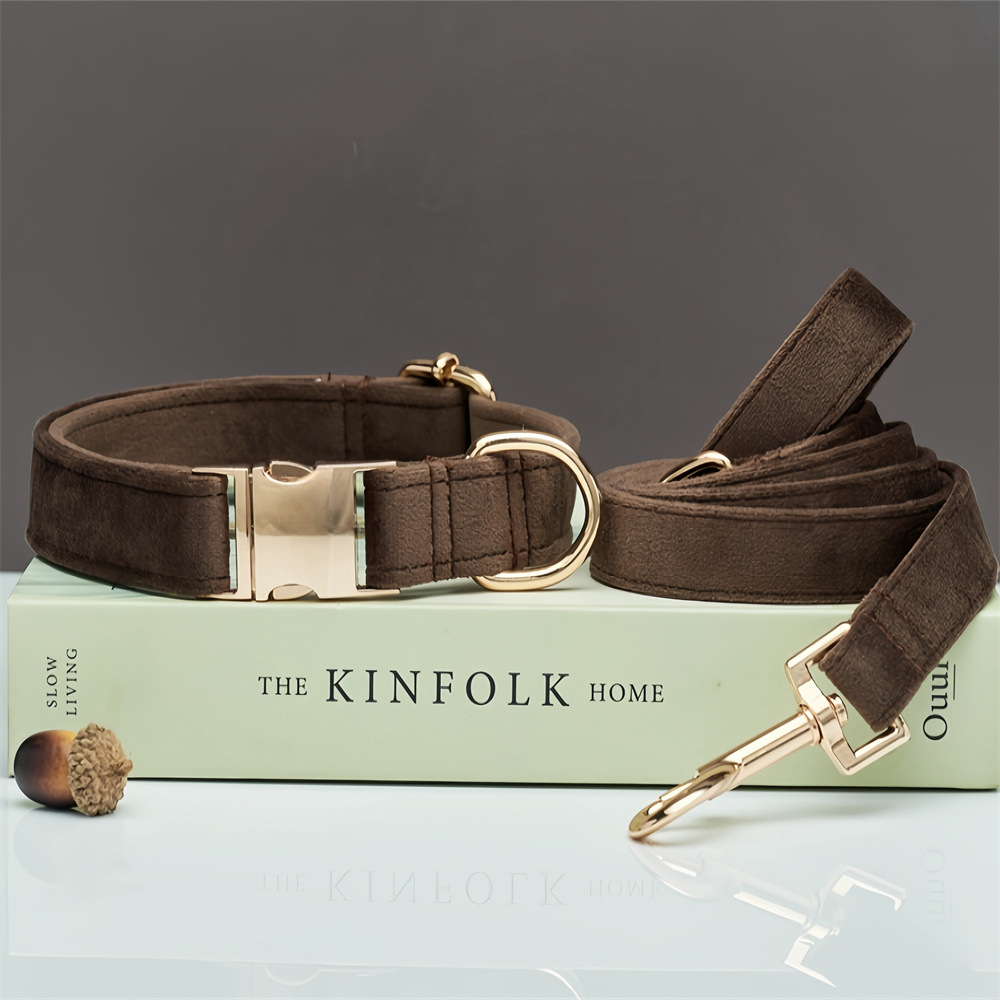
A dog collar is a piece of equipment that is worn around a dog’s neck. It typically consists of a strap made from various materials, such as nylon, leather, or fabric, and is designed to hold identification tags, leashes, or other accessories. Collars serve multiple purposes, including identification, training, and safety.
The Importance of Dog Collars
Dog collars are crucial for several reasons:
- Identification: Collars often hold identification tags that provide essential information about the dog, such as the owner’s contact details. This is vital in case the dog gets lost.
- Control: Collars provide a means for pet owners to control their dogs during walks or training sessions. They allow for the attachment of leashes, making it easier to guide and manage the dog.
- Training: Certain types of collars are designed specifically for training purposes, helping to correct unwanted behaviors and reinforce positive actions.
Types of Dog Collars
Flat Collars
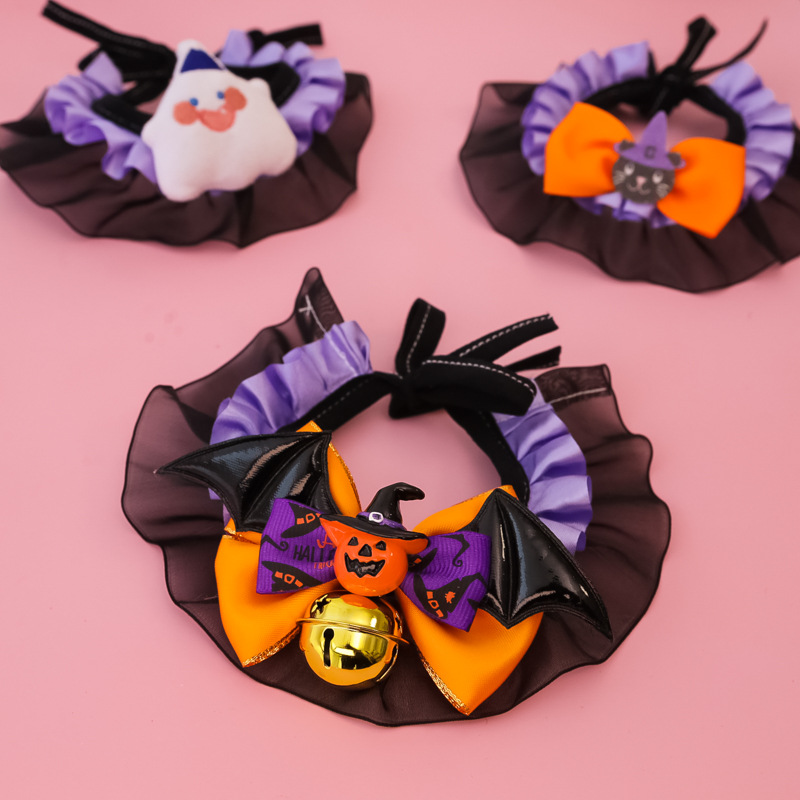
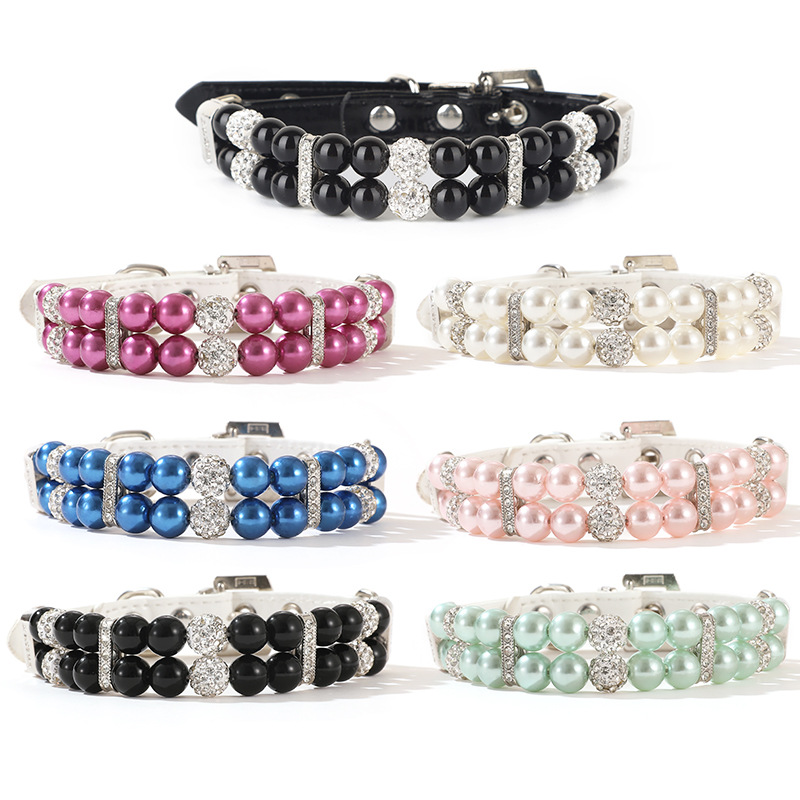
Flat collars are the most common type of dog collar. They are typically made from nylon or leather and feature a buckle or snap closure. Flat collars are suitable for everyday use and are ideal for holding identification tags. They come in various colors and designs, allowing pet owners to express their dog’s personality.
Martingale Collars
Martingale collars are designed for dogs with narrow heads, such as Greyhounds or Whippets. They consist of a loop that tightens when the dog pulls on the leash, preventing them from slipping out of the collar. Martingale collars provide gentle control without choking the dog, making them a popular choice for training.
Harnesses
While not technically a collar, harnesses are an alternative option for controlling dogs. They distribute pressure across the dog’s body rather than the neck, making them suitable for dogs that pull or have respiratory issues. Harnesses are available in various styles, including front-clip and back-clip designs.
Head Collars
Head collars, also known as halters, are training tools designed to give pet owners better control over their dog’s movements. They work by gently steering the dog’s head, making it easier to redirect their attention and discourage pulling. Head collars are particularly useful for large or strong dogs.
GPS Collars
GPS collars are equipped with tracking technology that allows pet owners to monitor their dog’s location in real-time. These collars are beneficial for dogs that tend to wander or escape, providing peace of mind for owners. Many GPS collars also offer additional features, such as activity tracking and virtual fencing.
Choosing the Right Dog Collar
Assessing Your Dog’s Needs
When selecting a collar for your dog, consider their size, breed, and behavior. For example, a small dog may require a lightweight collar, while a larger breed may need a more robust option. Additionally, consider your dog’s activity level and any specific training needs.
Material Considerations
Dog collars are available in various materials, each with its advantages and disadvantages:
- Nylon: Nylon collars are durable, lightweight, and easy to clean. They come in various colors and patterns, making them a popular choice for everyday use.
- Leather: Leather collars are stylish and durable, providing a classic look. However, they may require more maintenance to keep them in good condition.
- Fabric: Fabric collars can be soft and comfortable for dogs, but they may not be as durable as nylon or leather options.
Size and Fit
Ensuring the right fit is crucial for your dog’s comfort and safety. Measure your dog’s neck circumference and choose a collar that allows for a snug fit without being too tight. You should be able to fit two fingers between the collar and your dog’s neck.
Additional Features
Consider any additional features that may be beneficial for your dog. For example, reflective collars can enhance visibility during nighttime walks, while padded collars provide extra comfort for dogs with sensitive skin. Some collars also come with built-in safety features, such as quick-release buckles.
Training with Dog Collars
Using Collars for Training
Dog collars can be effective tools for training when used correctly. Here are some tips for using collars during training sessions:
- Positive Reinforcement: Use positive reinforcement techniques, such as treats and praise, to encourage desired behaviors. Collars should not be used as a punishment tool.
- Consistency: Be consistent with commands and expectations during training. This helps your dog understand what is expected of them.
- Gradual Introduction: If using a new type of collar, introduce it gradually to allow your dog to adjust. Start with short training sessions and gradually increase the duration.
Common Training Collars
Certain collars are specifically designed for training purposes:
- Prong Collars: Prong collars consist of metal links that apply pressure to the dog’s neck when pulled. They should be used with caution and under the guidance of a professional trainer.
- Choke Collars: Choke collars tighten around the dog’s neck when pulled. Like prong collars, they should be used with caution and are not recommended for all dogs.
Caring for Your Dog Collar
Regular Cleaning
To maintain the quality of your dog’s collar, regular cleaning is essential. Here are some cleaning tips:
- Nylon Collars: Wash nylon collars in warm, soapy water and rinse thoroughly. Allow them to air dry completely before reattaching them to your dog.
- Leather Collars: Wipe leather collars with a damp cloth to remove dirt and debris. Use a leather conditioner periodically to keep the material supple and prevent cracking.
Inspecting for Damage
Regularly inspect your dog’s collar for signs of wear and tear. Look for fraying, broken buckles, or any other damage that could compromise the collar’s integrity. If you notice any issues, replace the collar promptly to ensure your dog’s safety.
Conclusion
Dog pet collars are essential accessories that serve various purposes, from identification to training. With a wide range of styles, materials, and features available, choosing the right collar for your dog can enhance their comfort and safety. By understanding the different types of collars and how to care for them, you can ensure that your furry friend is well-equipped for any adventure.
How to purchase:Online B2B sourcing platform, China purchase, Chinese suppliers – LooperBuy
Frequently Asked Questions
1. What type of collar is best for my dog?
The best collar depends on your dog’s size, breed, and behavior. Flat collars are suitable for everyday use, while martingale collars are ideal for dogs that tend to slip out.
2. How do I measure my dog for a collar?
Measure your dog’s neck circumference with a soft tape measure. Choose a collar that allows for a snug fit, with enough room to fit two fingers between the collar and your dog’s neck.
3. Can I use a collar for training my dog?
Yes, collars can be effective training tools when used correctly. Positive reinforcement techniques should be employed, and collars should not be used as punishment.
4. How often should I clean my dog’s collar?
Clean your dog’s collar regularly, especially if it gets dirty or wet. Nylon collars can be washed in warm, soapy water, while leather collars should be wiped down and conditioned periodically.
5. What should I do if my dog’s collar is damaged?
Regularly inspect your dog’s collar for signs of wear and tear. If you notice any damage, replace the collar promptly to ensure your dog’s safety.
HOT TAG: dog pet collars, collar types, nylon vs leather, training collars, GPS dog collars, ethical training methods, collar care tips, pet safety, choosing the right collar, dog accessories.