Table of Contents
Introduction to E-Commerce and Drop Shipping
In the digital age, e-commerce has revolutionized the way businesses operate and consumers shop. Among the various models within e-commerce, drop shipping has emerged as a popular choice for entrepreneurs looking to start their own online stores with minimal upfront investment. This article delves into the differences between e-commerce and drop shipping, exploring their unique characteristics, advantages, and challenges.

What is E-Commerce?
E-commerce, or electronic commerce, refers to the buying and selling of goods and services over the internet. It encompasses a wide range of business models, including:
Business-to-Consumer (B2C)
This is the most common form of e-commerce, where businesses sell directly to consumers. Examples include online retailers like Amazon and eBay.
Business-to-Business (B2B)
In this model, businesses sell products or services to other businesses. This can include wholesale suppliers and manufacturers.
Consumer-to-Consumer (C2C)
C2C e-commerce involves transactions between consumers, often facilitated by third-party platforms like Etsy or Craigslist.
Consumer-to-Business (C2B)
In this model, individuals sell products or services to businesses. Freelancers offering their services on platforms like Upwork exemplify this model.
What is Drop Shipping?
Drop shipping is a retail fulfillment method where a store does not keep the products it sells in stock. Instead, when a store sells a product, it purchases the item from a third party and has it shipped directly to the customer. This model has gained popularity due to its low overhead costs and ease of entry.
How Drop Shipping Works
- Setting Up an Online Store: Entrepreneurs create an online store using platforms like Shopify or WooCommerce.
- Partnering with Suppliers: Store owners partner with suppliers who handle inventory and shipping.
- Marketing Products: The store owner markets the products through various channels, such as social media and search engines.
- Order Fulfillment: When a customer places an order, the store owner forwards the order details to the supplier, who then ships the product directly to the customer.
Key Differences Between E-Commerce and Drop Shipping
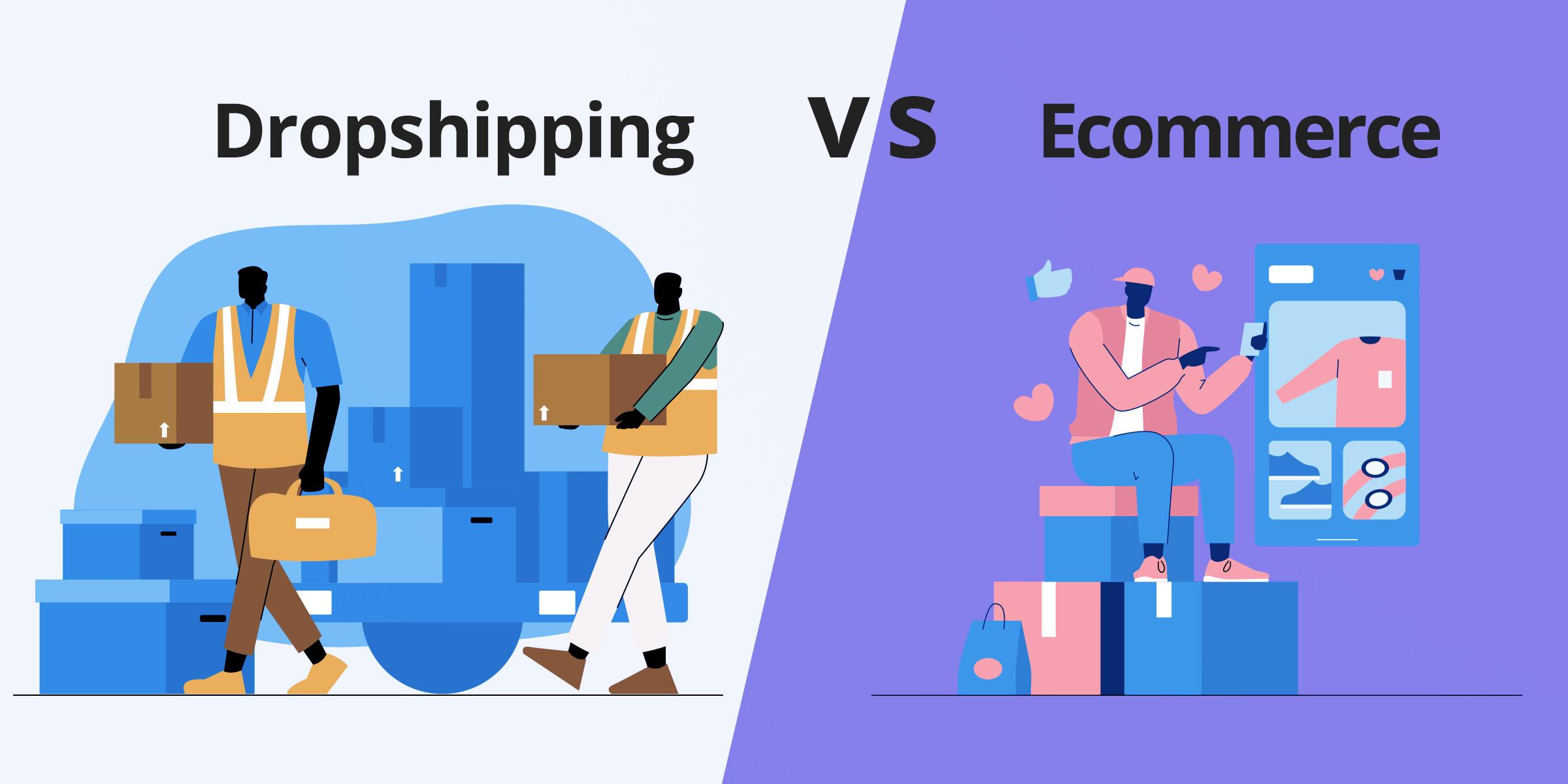
While drop shipping is a subset of e-commerce, there are significant differences between the two models.
Inventory Management
In traditional e-commerce, businesses typically purchase inventory upfront and manage it themselves. This requires significant capital investment and storage space. In contrast, drop shipping eliminates the need for inventory management, as products are sourced from suppliers only after a sale is made.
Startup Costs
Starting a traditional e-commerce business often involves higher startup costs due to inventory purchases, warehousing, and logistics. Drop shipping, on the other hand, allows entrepreneurs to start with minimal investment, making it an attractive option for those with limited funds.
Profit Margins
Profit margins in traditional e-commerce can be higher since businesses can buy products in bulk at discounted rates. Drop shipping often has lower profit margins due to the additional costs associated with sourcing products from suppliers.
Control Over Branding and Customer Experience
E-commerce businesses have more control over branding, packaging, and customer experience since they handle the entire fulfillment process. Drop shipping can limit this control, as products are shipped directly from suppliers, which may affect branding and customer satisfaction.
Advantages of E-Commerce
Greater Control Over Operations
E-commerce businesses have full control over their operations, from inventory management to customer service. This allows for a more personalized shopping experience and the ability to build a strong brand identity.
Higher Profit Margins
With the ability to purchase products in bulk, e-commerce businesses can enjoy higher profit margins compared to drop shipping. This can lead to greater financial stability and the potential for reinvestment in the business.
Diverse Revenue Streams
E-commerce businesses can diversify their revenue streams by offering various products and services, including digital goods, subscriptions, and affiliate marketing.
Advantages of Drop Shipping
Low Startup Costs
One of the most significant advantages of drop shipping is the low barrier to entry. Entrepreneurs can start an online store without the need for substantial capital investment in inventory.
Flexibility and Scalability
Drop shipping allows for greater flexibility in terms of product offerings. Entrepreneurs can easily add or remove products from their store without the risk of unsold inventory. This scalability makes it easier to adapt to market trends and consumer demands.
Location Independence
Since drop shipping businesses operate online, entrepreneurs can run their stores from anywhere in the world, provided they have internet access. This location independence is appealing to many aspiring business owners.
Challenges of E-Commerce
Inventory Management
Managing inventory can be a complex task, especially for businesses with a wide range of products. Overstocking can lead to increased costs, while understocking can result in lost sales.
Shipping and Fulfillment
E-commerce businesses must handle shipping logistics, which can be time-consuming and costly. Delays in shipping can negatively impact customer satisfaction.
Competition
The e-commerce landscape is highly competitive, with numerous businesses vying for consumer attention. Standing out in a crowded market requires effective marketing strategies and a unique value proposition.
Challenges of Drop Shipping
Lower Profit Margins
Drop shipping often results in lower profit margins due to the costs associated with sourcing products from suppliers. This can make it challenging to achieve financial sustainability.
Limited Control Over Supply Chain
Since drop shipping relies on third-party suppliers, businesses have limited control over the supply chain. Issues such as stock shortages or shipping delays can negatively impact customer satisfaction.
Branding Challenges
With products shipped directly from suppliers, maintaining a consistent brand image can be difficult. Packaging and branding may not align with the store’s identity, leading to a disjointed customer experience.
Conclusion
In summary, both e-commerce and drop shipping offer unique opportunities and challenges for entrepreneurs. E-commerce provides greater control over operations and potentially higher profit margins, while drop shipping offers low startup costs and flexibility. Understanding these differences is crucial for aspiring business owners to make informed decisions about their online ventures.
Ready to elevate your online shopping experience with unbeatable deals and a wide selection of products? Discover what https://looperbuy.com/ has to offer today!
Related Questions & Answers
· What are the main differences between e-commerce and drop shipping? E-commerce involves selling products directly to consumers, often with inventory management, while drop shipping allows businesses to sell products without holding inventory, sourcing them from suppliers after a sale.
· Is drop shipping a profitable business model? Drop shipping can be profitable, but it often has lower profit margins compared to traditional e-commerce due to supplier costs and competition.
· What are the startup costs for an e-commerce business? Startup costs for e-commerce can vary widely, typically including inventory, website development, and marketing expenses, often totaling several thousand dollars.
· Can I run a drop shipping business from anywhere? Yes, drop shipping businesses can be operated from anywhere with internet access, providing flexibility and location independence.
· What are the challenges of managing an e-commerce store? Challenges include inventory management, shipping logistics, and competition in a crowded market.
Hot Tags: E-Commerce; Drop Shipping; Online Business; Retail Fulfillment; E-Commerce Models; Inventory Management; Startup Costs; Profit Margins; Branding Strategies