Table of Contents
Introduction to Global Shipping Alliances
In the complex world of international trade, global shipping alliances have become a crucial component of the maritime industry. These alliances allow shipping companies to collaborate, share resources, and optimize their operations to meet the growing demands of global commerce. This article will explore the concept of global shipping alliances, their benefits, challenges, and their impact on the shipping industry and global trade.
What are Global Shipping Alliances?
Definition and Purpose
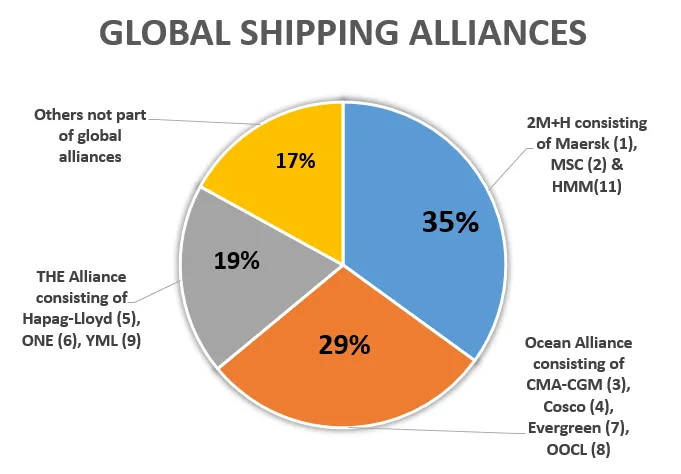
Global shipping alliances are partnerships formed between shipping companies to enhance their operational efficiency and competitiveness in the global market. By collaborating, these companies can share vessels, routes, and resources, which helps them reduce costs and improve service offerings. The primary purpose of these alliances is to create a more efficient shipping network that can respond to the dynamic demands of international trade.
Types of Alliances
There are several types of global shipping alliances, each with its unique structure and objectives:
- Operational Alliances: These alliances focus on sharing vessels and routes to optimize capacity and reduce operational costs. Companies in operational alliances work together to coordinate schedules and improve service reliability.
- Marketing Alliances: In marketing alliances, shipping companies collaborate to promote their services and expand their market reach. This type of alliance often involves joint marketing campaigns and shared branding efforts.
- Strategic Alliances: Strategic alliances are broader partnerships that may include operational and marketing components. These alliances often involve long-term commitments and can lead to joint ventures or mergers.
Benefits of Global Shipping Alliances
Cost Efficiency
One of the most significant benefits of global shipping alliances is cost efficiency. By sharing resources, shipping companies can reduce their operational costs, including fuel, maintenance, and labor. This cost-sharing model allows companies to offer competitive pricing to their customers, making them more attractive in the global market.
Enhanced Service Offerings
Global shipping alliances enable companies to expand their service offerings by providing access to a more extensive network of routes and ports. This expanded reach allows shipping companies to serve a broader customer base and meet the diverse needs of international trade. Additionally, alliances can improve service reliability by coordinating schedules and reducing transit times.
Increased Market Reach
Through collaboration, shipping companies can increase their market reach and penetrate new markets more effectively. By leveraging the strengths of their partners, companies can access new customers and expand their operations without the need for significant investments in infrastructure.
Improved Environmental Sustainability
Global shipping alliances can contribute to environmental sustainability by optimizing vessel utilization and reducing emissions. By sharing vessels and coordinating routes, shipping companies can minimize the number of ships needed to transport goods, leading to lower fuel consumption and reduced greenhouse gas emissions.
Challenges Faced by Global Shipping Alliances
Regulatory Hurdles
One of the primary challenges faced by global shipping alliances is navigating the complex regulatory landscape. Different countries have varying regulations regarding competition, antitrust laws, and maritime operations. Shipping companies must ensure that their alliances comply with these regulations to avoid legal issues and penalties.
Coordination and Communication
Effective coordination and communication among alliance partners are crucial for success. Differences in corporate culture, operational practices, and management styles can create challenges in collaboration. Shipping companies must establish clear communication channels and protocols to ensure smooth operations within the alliance.
Market Volatility
The shipping industry is subject to market volatility, including fluctuations in demand, fuel prices, and geopolitical factors. Global shipping alliances must be agile and adaptable to respond to these changes effectively. Companies within alliances need to work together to navigate market challenges and adjust their strategies accordingly.
The Impact of Global Shipping Alliances on the Shipping Industry
Consolidation of Market Power
Global shipping alliances have led to the consolidation of market power among a few major players in the industry. As companies join forces, they can exert greater influence over pricing and service standards. This consolidation can benefit consumers through lower prices and improved services, but it may also raise concerns about reduced competition in the long term.
Innovation and Technology Adoption
The formation of global shipping alliances has spurred innovation and technology adoption within the industry. Companies are increasingly investing in advanced technologies, such as automation, data analytics, and digital platforms, to enhance their operations. These innovations can lead to improved efficiency, better customer service, and a more sustainable shipping industry.
Global Trade Dynamics
Global shipping alliances play a significant role in shaping global trade dynamics. By improving the efficiency of maritime transport, these alliances facilitate the movement of goods across borders, contributing to economic growth and development. As international trade continues to expand, the importance of global shipping alliances will only increase.
Conclusion
Global shipping alliances are a vital component of the modern maritime industry, offering numerous benefits to shipping companies and their customers. By collaborating and sharing resources, these alliances enhance operational efficiency, reduce costs, and improve service offerings. However, challenges such as regulatory hurdles and market volatility must be navigated to ensure their success. As the shipping industry continues to evolve, global shipping alliances will play a crucial role in shaping the future of international trade.
As you navigate the complexities of global shipping alliances, enhance your logistics and supply chain efficiency with LooperBuy’s innovative solutions tailored for modern businesses. Explore https://looperbuy.com/ today.
Related Questions & Answers
· What are the main types of global shipping alliances? The main types of global shipping alliances include operational alliances, marketing alliances, and strategic alliances.
· How do global shipping alliances improve cost efficiency? Global shipping alliances improve cost efficiency by allowing companies to share resources, reduce operational costs, and offer competitive pricing.
· What challenges do global shipping alliances face? Challenges include regulatory hurdles, coordination and communication issues, and market volatility.
· How do global shipping alliances impact the shipping industry? They lead to market consolidation, spur innovation, and shape global trade dynamics by improving the efficiency of maritime transport.
· What role do global shipping alliances play in environmental sustainability? They contribute to environmental sustainability by optimizing vessel utilization and reducing emissions through shared resources and coordinated routes.
Hot Tags: Global Shipping Alliance; Maritime Industry; International Trade; Shipping Partnerships; Cost Efficiency; Market Reach; Environmental Sustainability; Regulatory Challenges; Shipping Innovation