Table of Contents
Introduction to Global Shipping Dynamics
In today’s interconnected world, businesses are increasingly looking to expand their reach beyond local markets. The rise of e-commerce has made it easier than ever for companies to sell products internationally. However, navigating the complexities of global shipping can be challenging. This article explores the importance of customized shipping solutions, the benefits they offer, and how businesses can effectively implement them to enhance their international trade operations.

Understanding Customized Shipping Solutions
What is Customized Shipping?
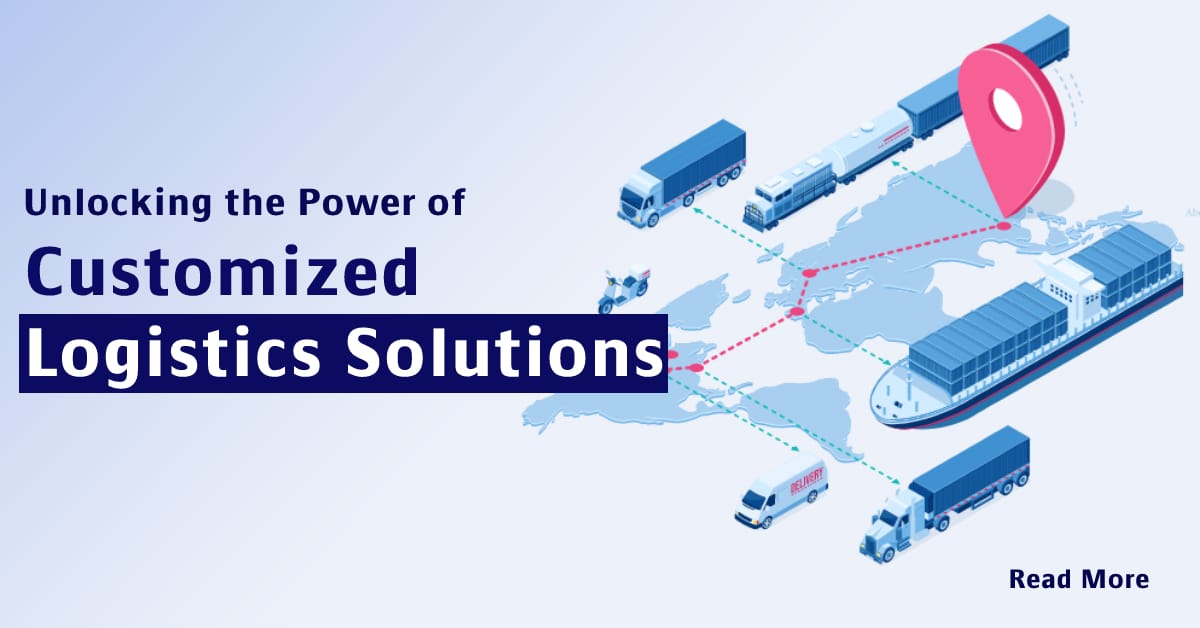
Customized shipping refers to tailored logistics solutions that meet the specific needs of businesses and their customers. This approach allows companies to optimize their shipping processes, reduce costs, and improve customer satisfaction by providing flexible options that cater to different markets and consumer preferences.
Key Components of Customized Shipping
- Flexible Delivery Options: Businesses can offer various shipping methods, including express, standard, and economy shipping, allowing customers to choose based on their needs and budget.
- Localized Solutions: Tailoring shipping solutions to specific regions can help address local regulations, customs requirements, and consumer preferences.
- Real-Time Tracking: Providing customers with real-time tracking information enhances transparency and builds trust in the shipping process.
Benefits of Customized Shipping Solutions
- Improved Customer Satisfaction: By offering tailored shipping options, businesses can meet customer expectations and enhance their overall shopping experience.
- Cost Efficiency: Customized shipping solutions can help businesses reduce shipping costs by optimizing routes and selecting the most cost-effective carriers.
- Increased Market Reach: With tailored shipping options, businesses can expand their reach to new markets, attracting a broader customer base.
The Role of Technology in Shipping Solutions
Automation and Shipping Management
Technology plays a crucial role in streamlining shipping processes. Automation tools can help businesses manage their logistics more efficiently, reducing manual errors and saving time.
Key Technologies in Shipping Management
- Shipping Software: Platforms that integrate with e-commerce systems can automate order processing, label generation, and tracking updates.
- Inventory Management Systems: These systems help businesses keep track of stock levels, ensuring that products are available for shipping when orders are placed.
- Data Analytics: Analyzing shipping data can provide insights into performance metrics, helping businesses identify areas for improvement.
The Impact of Artificial Intelligence
Artificial intelligence (AI) is transforming the shipping industry by enabling smarter decision-making and enhancing operational efficiency.
Applications of AI in Shipping
- Predictive Analytics: AI can analyze historical shipping data to forecast demand, helping businesses optimize inventory levels and shipping schedules.
- Route Optimization: AI algorithms can determine the most efficient shipping routes, reducing delivery times and costs.
- Customer Support: AI-powered chatbots can assist customers with shipping inquiries, providing instant responses and improving overall service.
Navigating International Shipping Regulations
Understanding Customs and Compliance
When shipping internationally, businesses must navigate a complex web of customs regulations and compliance requirements. Understanding these regulations is essential to avoid delays and additional costs.
Key Considerations for Customs Compliance
- Documentation: Accurate and complete documentation is crucial for smooth customs clearance. This includes invoices, packing lists, and any required permits.
- Tariffs and Duties: Businesses must be aware of the tariffs and duties applicable to their products in different countries, as these can significantly impact shipping costs.
- Restricted Items: Certain products may be restricted or prohibited in specific countries. Businesses should research these regulations to avoid shipping issues.
Working with Customs Brokers
Customs brokers can help businesses navigate the complexities of international shipping. These professionals are knowledgeable about customs regulations and can assist with documentation, compliance, and tariff classification.
Benefits of Using a Customs Broker
- Expertise: Customs brokers have in-depth knowledge of international shipping regulations, ensuring compliance and reducing the risk of delays.
- Time Savings: By handling the paperwork and communication with customs authorities, brokers can save businesses time and effort.
- Cost Efficiency: Brokers can help businesses identify potential savings on tariffs and duties, optimizing shipping costs.
Strategies for Implementing Customized Shipping Solutions
Assessing Business Needs
Before implementing customized shipping solutions, businesses should assess their specific needs and goals. This includes understanding customer preferences, shipping volumes, and target markets.
Key Questions to Consider
- What shipping options do my customers prefer?
- What are the typical shipping volumes for my products?
- Which markets am I targeting, and what are their specific shipping requirements?
Partnering with Reliable Carriers
Choosing the right shipping carriers is essential for successful customized shipping solutions. Businesses should evaluate potential carriers based on their reliability, service offerings, and pricing.
Factors to Consider When Selecting Carriers
- Delivery Speed: Consider the carrier’s delivery times and whether they align with customer expectations.
- Coverage Area: Ensure that the carrier can service the regions where your customers are located.
- Customer Service: Evaluate the carrier’s customer service reputation, as this can impact your business’s shipping experience.
Continuous Improvement and Feedback
Implementing customized shipping solutions is an ongoing process. Businesses should regularly review their shipping strategies and seek feedback from customers to identify areas for improvement.
Strategies for Continuous Improvement
- Monitor Performance Metrics: Track key performance indicators (KPIs) such as delivery times, shipping costs, and customer satisfaction to assess the effectiveness of your shipping solutions.
- Solicit Customer Feedback: Encourage customers to provide feedback on their shipping experiences, and use this information to make necessary adjustments.
- Stay Informed About Industry Trends: Keep up with the latest trends and technologies in shipping to ensure that your solutions remain competitive and effective.
Conclusion
Customized shipping solutions are essential for businesses looking to thrive in the global marketplace. By understanding the benefits of tailored shipping, leveraging technology, and navigating international regulations, companies can enhance their shipping processes and improve customer satisfaction. As the e-commerce landscape continues to evolve, staying adaptable and responsive to customer needs will be key to success.
As you explore the world of customized shipping solutions and discover how they can enhance your business, don’t miss the opportunity to find unique products and great deals at LooperBuy. Start shopping now:https://looperbuy.com/.
Related Questions & Answers
· What are the best practices for international shipping? Best practices include understanding customs regulations, providing accurate documentation, and choosing reliable carriers.
· How can I find reliable shipping partners? Research potential carriers, read reviews, and seek recommendations from other businesses in your industry.
· What are the common challenges in global shipping? Common challenges include customs delays, high shipping costs, and managing logistics across different regions.
· How can technology improve shipping efficiency? Technology can automate processes, optimize routes, and provide real-time tracking, enhancing overall efficiency.
· What should I consider when choosing a shipping method? Consider factors such as delivery speed, cost, and customer preferences when selecting a shipping method.
Hot Tags: Customized Shipping; E-Commerce; International Trade; Shipping Solutions; Logistics Management; Customer Satisfaction; Technology in Shipping; Customs Compliance; Shipping Regulations