In the rapidly evolving world of e-commerce, various business models have emerged to cater to the diverse needs of consumers and entrepreneurs alike. One such model that has gained significant traction is the fulfillment model that allows businesses to operate without holding inventory. This article delves into the intricacies of this model, exploring its benefits, challenges, and the essential components that make it successful.
Table of Contents
The Rise of E-commerce and Alternative Business Models
The e-commerce landscape has transformed dramatically over the past decade. With the advent of technology and the internet, consumers now have access to a plethora of products and services at their fingertips. This shift has led to the emergence of various business models, each designed to meet specific market demands.
The Shift in Consumer Behavior
As consumers increasingly prefer online shopping, businesses have had to adapt to this new reality. The convenience of shopping from home, coupled with the ability to compare prices and read reviews, has made e-commerce a preferred choice for many. This shift has prompted entrepreneurs to explore innovative ways to enter the market without the traditional overhead costs associated with brick-and-mortar stores.
Exploring Different E-commerce Models
Among the various e-commerce models, dropshipping stands out as a popular choice for new entrepreneurs. This model allows individuals to sell products without the need to maintain inventory, making it an attractive option for those looking to start a business with minimal upfront investment.
What is Dropshipping?
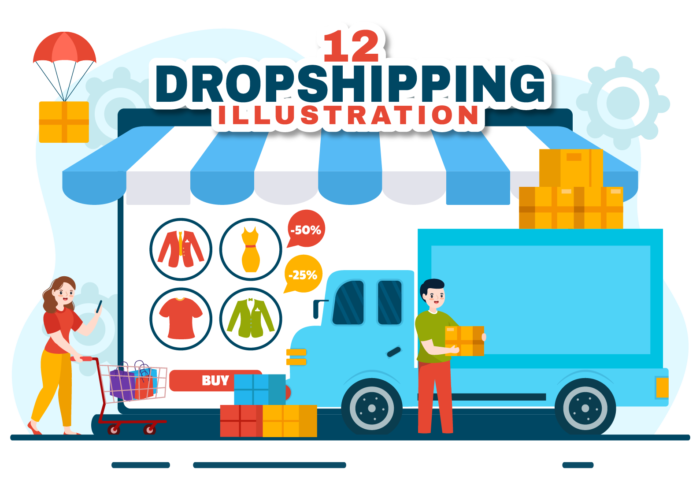
Dropshipping is a retail fulfillment method where a store does not keep the products it sells in stock. Instead, when a store sells a product, it purchases the item from a third party and has it shipped directly to the customer. This means that the seller does not have to handle the product directly, which significantly reduces the operational burden.
How Dropshipping Works
The dropshipping process involves several key steps:
- Setting Up an Online Store: Entrepreneurs create an online storefront using platforms like Shopify, WooCommerce, or BigCommerce.
- Partnering with Suppliers: Sellers find suppliers who offer dropshipping services. These suppliers provide product listings, inventory management, and shipping services.
- Listing Products: The seller lists the supplier’s products on their online store, often at a markup to cover costs and generate profit.
- Receiving Orders: When a customer places an order, the seller forwards the order details to the supplier.
- Fulfillment: The supplier ships the product directly to the customer, and the seller receives a portion of the sale.
Advantages of Dropshipping
Dropshipping offers several advantages that make it an appealing option for entrepreneurs:
- Low Startup Costs: Since there is no need to purchase inventory upfront, entrepreneurs can start their businesses with minimal financial investment.
- Flexibility: Dropshipping allows sellers to operate from anywhere with an internet connection, providing a level of flexibility that traditional retail models do not offer.
- Wide Product Range: Sellers can offer a diverse range of products without the risk of unsold inventory, as they only purchase items after a sale is made.
- Reduced Risk: With no inventory to manage, the financial risk associated with unsold products is significantly lower.
Disadvantages of Dropshipping
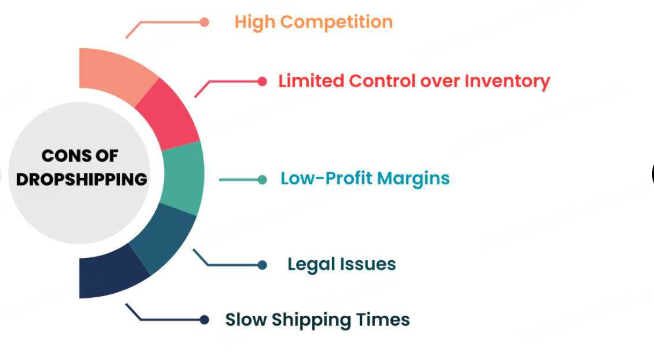
While dropshipping presents numerous benefits, it is not without its challenges. Entrepreneurs must navigate several hurdles to ensure their business’s success.
Supplier Reliability
One of the most significant challenges in dropshipping is finding reliable suppliers. If a supplier fails to deliver on time or provides subpar products, it can lead to dissatisfied customers and damage the seller’s reputation. Therefore, conducting thorough research and establishing strong relationships with suppliers is crucial.
Inventory Management
Since dropshippers do not hold inventory, they rely on suppliers to manage stock levels. This can lead to situations where products are out of stock, resulting in canceled orders and unhappy customers. To mitigate this risk, sellers should regularly communicate with suppliers and monitor inventory levels.
Shipping Times
Shipping times can vary significantly depending on the supplier’s location and shipping methods. Long shipping times can deter customers from making purchases, especially in an age where fast delivery is expected. Sellers must set realistic expectations for shipping times and communicate them clearly to customers.
Essential Components for Success in Dropshipping
To thrive in the dropshipping business, entrepreneurs must focus on several key components.
Niche Selection
Choosing the right niche is critical for dropshipping success. Sellers should conduct market research to identify trending products and target audiences. A well-defined niche can help differentiate a business from competitors and attract a loyal customer base.
Marketing Strategies
Effective marketing is essential for driving traffic to an online store. Entrepreneurs should leverage various digital marketing strategies, including social media marketing, search engine optimization (SEO), and email marketing, to reach potential customers and convert them into buyers.
Social Media Marketing
Social media platforms like Facebook, Instagram, and Pinterest are powerful tools for promoting dropshipping businesses. By creating engaging content and utilizing targeted advertising, sellers can reach a broader audience and drive traffic to their online stores.
Search Engine Optimization (SEO)
Optimizing an online store for search engines is crucial for attracting organic traffic. Sellers should focus on keyword research, on-page optimization, and building backlinks to improve their store’s visibility in search results.
Email Marketing
Building an email list allows sellers to communicate directly with potential customers. Email marketing campaigns can be used to promote new products, offer discounts, and share valuable content, helping to nurture leads and drive sales.
Customer Service
Providing excellent customer service is vital for building trust and retaining customers. Sellers should be responsive to inquiries, address concerns promptly, and ensure a smooth return process. Positive customer experiences can lead to repeat business and referrals.
Continuous Learning and Adaptation
The e-commerce landscape is constantly evolving, and successful dropshippers must stay informed about industry trends and changes. Continuous learning through online courses, webinars, and industry publications can help entrepreneurs adapt their strategies and remain competitive.
Legal Considerations in Dropshipping
Starting a dropshipping business also involves navigating various legal considerations. Entrepreneurs should be aware of the following aspects:
Business Structure
Choosing the right business structure is essential for legal and tax purposes. Options include sole proprietorship, limited liability company (LLC), or corporation. Each structure has its advantages and disadvantages, so it’s important to consult with a legal professional to determine the best fit.
Sales Tax Compliance
Dropshippers must understand their obligations regarding sales tax. Depending on the jurisdiction, sellers may be required to collect sales tax on orders shipped to customers. It’s crucial to research local laws and ensure compliance to avoid potential penalties.
Intellectual Property Rights
Entrepreneurs should be cautious about using copyrighted images, logos, or product descriptions without permission. Violating intellectual property rights can lead to legal issues and damage a business’s reputation. It’s advisable to create original content and seek permission when necessary.
Conclusion
In conclusion, the dropshipping model offers a unique opportunity for aspiring entrepreneurs to enter the e-commerce space with minimal investment and risk. While it presents several challenges, understanding the dynamics of the business and focusing on key components such as niche selection, marketing strategies, and customer service can lead to success. As the e-commerce landscape continues to evolve, those who embrace innovation and adaptability will thrive in this competitive environment.
As you explore the exciting world of dropshipping, consider enhancing your product offerings with unique items from LooperBuy, where quality meets affordability. Discover more at https://looperbuy.com/.
Related Questions & Answers
· What are the best platforms for finding reliable dropshipping suppliers? Some of the best platforms include AliExpress, Oberlo, and SaleHoo, which connect sellers with reputable suppliers.
· How can I effectively manage inventory when using a dropshipping model? Regular communication with suppliers and using inventory management software can help track stock levels and prevent stockouts.
· What are some common legal considerations for starting a dropshipping business? Entrepreneurs should consider business structure, sales tax compliance, and intellectual property rights to ensure legal protection and compliance.
· How can I improve customer service in my dropshipping business? Be responsive to inquiries, address concerns promptly, and ensure a smooth return process to enhance customer satisfaction.
· What challenges do dropshippers face? Common challenges include supplier reliability, inventory management, and shipping times, which can impact customer satisfaction.
Hot Tags: E-commerce; Online Business; Retail Fulfillment; Dropshipping Success; Supplier Management; Niche Marketing; Customer Service; Digital Marketing; Inventory Management