Introduction
Rice is a staple food in many cultures around the world, but understanding its nutritional impact is crucial for maintaining a balanced diet. If you’ve ever wondered about the calories in 3 cups of cooked rice, you’re not alone. This guide dives deep into rice nutrition, portion control, and how to incorporate this versatile grain into a healthy eating plan. Whether you’re tracking calories for weight management or simply curious about rice’s nutritional profile, this article has you covered.
Table of Contents
How Many Calories Are in 3 Cups of Cooked Rice?
The Basic Answer
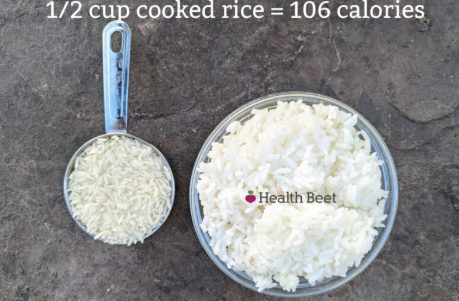
A standard serving of cooked white rice is typically 1 cup, which contains approximately 200 calories. Scaling this up, 3 cups of cooked white rice contain roughly 600 calories. However, this number can vary slightly depending on the type of rice, cooking method, and added ingredients.
Factors That Influence Calorie Content
- Type of Rice:
- White Rice: Higher in calories due to its refined nature.
- Brown Rice: Slightly lower in calories but higher in fiber and nutrients.
- Wild Rice: Generally lower in calories than white rice but richer in protein.
- Cooking Method:
- Steamed Rice: Fewer added calories.
- Fried Rice: Additional calories from oil, vegetables, and protein.
- Rice with Added Butter or Oil: Increases calorie count significantly.
- Portion Size:
- Measuring cups vs. eyeballing portions can lead to discrepancies in calorie intake.
Nutritional Breakdown of Rice
Macronutrients
- Carbohydrates: Rice is primarily a carbohydrate source, providing energy for daily activities.
- Protein: Contains a moderate amount of protein, though less than legumes or meat.
- Fats: Minimal natural fat content, but cooking methods can add fats.
Micronutrients
- B Vitamins: Essential for metabolism.
- Magnesium: Supports muscle and nerve function.
- Iron: Critical for blood health.
Fiber Content
- Brown Rice: Higher in fiber, promoting digestion and satiety.
- White Rice: Lower in fiber due to processing.
Health Benefits of Rice
Energy Boost
The carbohydrates in rice provide a quick energy source, making it ideal for fueling workouts or daily tasks.
Low Allergen Risk
Rice is generally hypoallergenic, making it suitable for those with dietary restrictions.
Digestive Health
The fiber in brown rice supports healthy digestion and can help regulate bowel movements.
Portion Control Tips
Measuring Tools
Use a measuring cup or kitchen scale to ensure accurate portion sizes.
Visual Cues
A fist-sized portion of rice is roughly equivalent to 1 cup.
Balancing Your Plate
Pair rice with protein and vegetables to create a balanced meal that keeps you full longer.
Common Rice Varieties and Their Caloric Differences
White Rice
- Calories per Cup (Cooked): ~200
- Best For: Quick cooking and mild flavor in dishes like fried rice.
Brown Rice
- Calories per Cup (Cooked): ~215
- Best For: Those seeking higher fiber and nutrient content.
Wild Rice
- Calories per Cup (Cooked): ~160
- Best For: Adding variety and protein to meals.
Basmati Rice
- Calories per Cup (Cooked): ~150
- Best For: Lower calorie intake with a nutty flavor.
How Cooking Methods Affect Calorie Content
Steamed Rice
The healthiest option, with minimal added calories.
Fried Rice
Adds oils, eggs, and sometimes meat, increasing calorie density.
Rice Pilaf
Cooked in broth or butter, which adds extra calories.
Rice in Weight Management
Moderation is Key
Rice can fit into a weight management plan when portions are controlled.
Pairing with Protein
Combining rice with lean proteins like chicken or tofu helps balance blood sugar levels.
Avoiding Empty Calories
Opt for minimally processed rice varieties to maximize nutrient intake.
Frequently Asked Questions
Q: Is brown rice healthier than white rice?
A: Brown rice retains more fiber, vitamins, and minerals due to less processing. However, white rice can be part of a healthy diet in moderation.
Q: How many calories are in 3 cups of uncooked rice?
A: Uncooked rice is denser, so 3 cups uncooked (about 9 cups cooked) contain approximately 1,800 calories. Always adjust for cooking expansion.
Q: Does cooking rice add calories?
A: Cooking itself doesn’t add calories, but adding oil, butter, or other ingredients during cooking does.
Q: Can I eat rice on a low-carb diet?
A: Rice is high in carbs, so it’s best limited or replaced with alternatives like cauliflower rice on strict low-carb diets.
Q: How does rice compare to pasta in terms of calories?
A: Rice and pasta have similar calorie counts per cup (cooked), but nutritional profiles differ based on preparation.
Conclusion
Understanding the calorie content of 3 cups of cooked rice is just the starting point for making informed dietary choices. By considering rice type, cooking method, and portion control, you can enjoy this versatile grain as part of a balanced diet. Whether you’re tracking calories for fitness goals or simply curious about nutrition, rice offers both energy and essential nutrients when consumed mindfully.
How to Purchase:https://looperbuy.com/search?keywords=rice