Table of Contents
Introduction to E-commerce
In recent years, e-commerce has transformed the way we shop and do business. With the rise of online shopping, entrepreneurs have found new opportunities to reach customers globally. One of the most popular business models within e-commerce is drop shipping, which allows individuals to sell products without holding inventory. This guide will explore the essential elements of building a successful e-commerce business, focusing on strategies, tools, and best practices.
Understanding Drop Shipping
What is Drop Shipping?
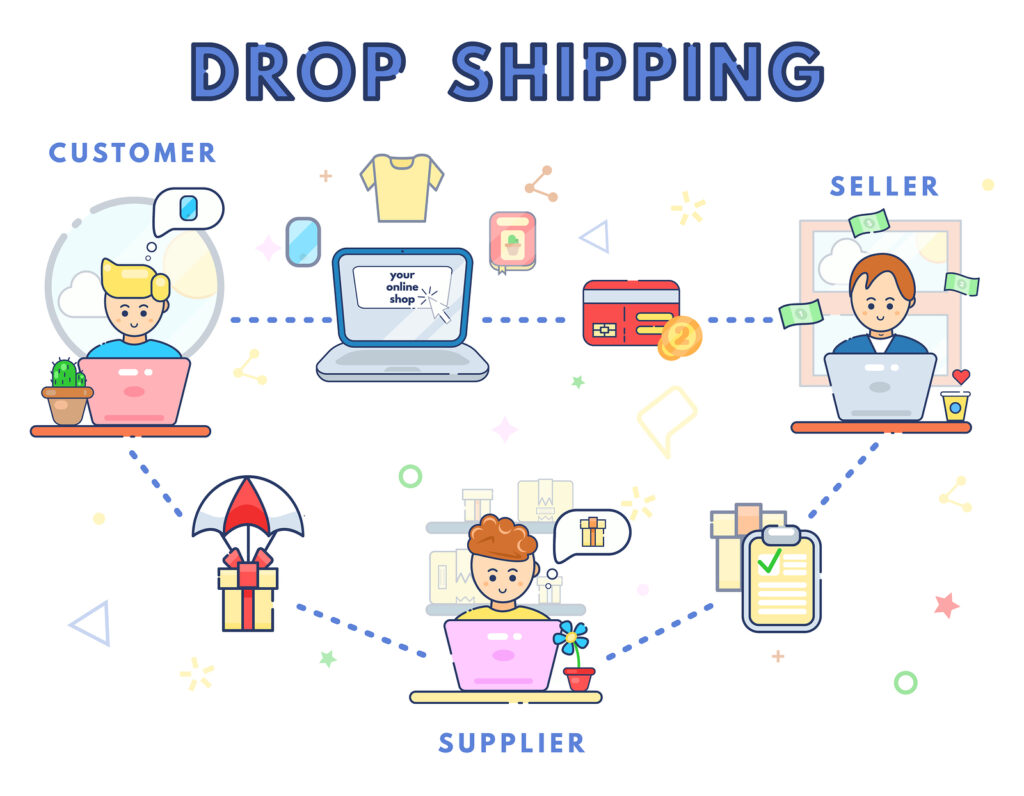
Drop shipping is a retail fulfillment method where a store does not keep the products it sells in stock. Instead, when a store sells a product, it purchases the item from a third party and has it shipped directly to the customer. This model eliminates the need for inventory management and reduces upfront costs, making it an attractive option for new entrepreneurs.
Advantages of Drop Shipping
- Low Startup Costs: Entrepreneurs can start a drop shipping business with minimal investment, as they do not need to purchase inventory upfront.
- Flexibility: Drop shipping allows for a flexible business model, enabling entrepreneurs to work from anywhere with an internet connection.
- Wide Product Range: With drop shipping, businesses can offer a wide variety of products without the need to stock them physically.
Challenges of Drop Shipping
- Competition: The low barrier to entry means that many entrepreneurs are entering the drop shipping market, leading to increased competition.
- Quality Control: Since the retailer does not handle the products directly, ensuring quality can be challenging.
- Shipping Times: Depending on the supplier’s location, shipping times can vary, which may affect customer satisfaction.
Choosing the Right Niche
Importance of Niche Selection
Selecting the right niche is crucial for the success of your e-commerce business. A well-defined niche allows you to target a specific audience and differentiate yourself from competitors. Here are some factors to consider when choosing a niche:
- Market Demand: Research the demand for products within your chosen niche. Use tools like Google Trends and keyword research to identify popular products.
- Competition: Analyze the competition in your niche. A highly competitive market may require more effort to stand out.
- Personal Interest: Choose a niche that aligns with your interests and passions. This will make it easier to stay motivated and engaged in your business.
Popular Drop Shipping Niches
- Health and Wellness: Products related to fitness, nutrition, and mental well-being are in high demand.
- Fashion and Accessories: Clothing, jewelry, and accessories are popular choices for drop shipping businesses.
- Home and Garden: Home decor, gardening tools, and furniture are trending products in the e-commerce space.
Setting Up Your E-commerce Store
Choosing an E-commerce Platform
Selecting the right e-commerce platform is essential for building your online store. Popular platforms include:
- Shopify: A user-friendly platform that offers a range of features for drop shipping businesses.
- WooCommerce: A WordPress plugin that allows you to turn your website into an online store.
- BigCommerce: A scalable platform suitable for businesses of all sizes.
Designing Your Store
Creating an appealing and user-friendly website is crucial for attracting customers. Here are some design tips:
- Choose a Clean Layout: A simple and organized layout makes it easier for customers to navigate your store.
- Use High-Quality Images: Invest in professional product photography to showcase your products effectively.
- Optimize for Mobile: Ensure your website is mobile-friendly, as many customers shop on their smartphones.
Adding Products
When adding products to your store, consider the following:
- Detailed Descriptions: Write clear and informative product descriptions that highlight the benefits and features of each item.
- SEO Optimization: Use relevant keywords in your product titles and descriptions to improve search engine visibility.
- Pricing Strategy: Set competitive prices while ensuring you maintain a healthy profit margin.
Marketing Your E-commerce Business
Social Media Marketing
Social media platforms are powerful tools for promoting your e-commerce business. Here are some strategies to consider:
- Engaging Content: Create visually appealing content that resonates with your target audience. Use images, videos, and stories to showcase your products.
- Influencer Collaborations: Partner with influencers in your niche to reach a wider audience and build credibility.
- Paid Advertising: Utilize paid advertising options on platforms like Facebook and Instagram to target specific demographics.
Email Marketing
Building an email list is essential for nurturing customer relationships. Here are some tips for effective email marketing:
- Offer Incentives: Encourage visitors to subscribe to your email list by offering discounts or exclusive content.
- Segment Your List: Divide your email list into segments based on customer behavior and preferences to send targeted campaigns.
- Personalized Content: Use personalized content to engage your audience and increase conversion rates.
Search Engine Optimization (SEO)
Optimizing your website for search engines is crucial for driving organic traffic. Here are some SEO strategies:
- Keyword Research: Identify relevant keywords for your niche and incorporate them into your website content.
- On-Page SEO: Optimize your website’s meta tags, headings, and images to improve search engine rankings.
- Quality Content: Create valuable content that addresses your audience’s needs and interests, helping to establish your brand as an authority.
Managing Your Drop Shipping Business
Order Fulfillment
Efficient order fulfillment is essential for customer satisfaction. Here are some tips:
- Automate Processes: Use automation tools to streamline order processing and inventory management.
- Track Shipments: Provide customers with tracking information to keep them informed about their orders.
- Handle Returns Promptly: Establish a clear return policy and handle returns efficiently to maintain customer trust.
Customer Service
Providing excellent customer service is crucial for building a loyal customer base. Here are some strategies:
- Responsive Communication: Respond to customer inquiries promptly and professionally.
- Feedback Collection: Encourage customers to leave reviews and feedback to improve your products and services.
- Loyalty Programs: Implement loyalty programs to reward repeat customers and encourage referrals.
Conclusion
Building a successful e-commerce business requires careful planning, effective marketing strategies, and efficient management. By understanding the drop shipping model, selecting the right niche, and utilizing the right tools, you can create a thriving online store. With dedication and perseverance, your e-commerce venture can achieve long-term success.
To streamline your e-commerce operations and find reliable suppliers for your drop shipping business, explore the resources available at LooperBuy. Visit https://looperbuy.com/ for more information.
Related Questions & Answers
· What is drop shipping and how does it work? Drop shipping is a retail fulfillment method where a store does not keep the products it sells in stock. Instead, it purchases the item from a third party and has it shipped directly to the customer.
· How do I choose the right niche for my drop shipping business? Consider market demand, competition, and your personal interests when selecting a niche for your drop shipping business.
· What are the best e-commerce platforms for drop shipping? Popular e-commerce platforms for drop shipping include Shopify, WooCommerce, and BigCommerce.
· How can I effectively market my e-commerce business? Utilize social media marketing, email marketing, and search engine optimization to promote your e-commerce business effectively.
· What are some common challenges in drop shipping? Common challenges include competition, quality control, and varying shipping times, which can affect customer satisfaction.
Hot Tags: E-commerce; Drop Shipping; Online Store; Marketing Strategies; Niche Selection; Customer Service; Order Fulfillment; SEO; Social Media Marketing