When it comes to moving or storing furniture, protecting your valuable items is paramount. One of the most effective and versatile solutions available is plastic wrap. This article explores the various benefits, techniques, and considerations of using plastic wrap for furniture, ensuring that your belongings remain safe and secure during transit or storage.
Table of Contents
Understanding Plastic Wrap for Furniture
Plastic wrap, often referred to as stretch wrap or shrink wrap, is a thin, flexible plastic film that clings to surfaces. It is commonly used in various industries for packaging and protecting items. When it comes to furniture, plastic wrap serves multiple purposes, making it an essential tool for anyone looking to move or store their belongings. Its ability to conform to different shapes and sizes allows it to provide a snug fit around furniture, ensuring comprehensive coverage and protection.
What is Plastic Wrap?
Plastic wrap is a type of polymer film that is designed to stretch and cling to surfaces. It is typically made from low-density polyethylene (LDPE) or linear low-density polyethylene (LLDPE). The material is transparent, allowing you to see the items wrapped inside, and it comes in various thicknesses and widths to suit different needs. This versatility makes it suitable for a wide range of applications, from wrapping food to protecting furniture during a move. The clarity of the wrap also helps in identifying items quickly, which can be particularly useful during unpacking.
Benefits of Using Plastic Wrap for Furniture
Using plastic wrap for furniture offers several advantages:
– Protection from Dust and Dirt: When furniture is wrapped in plastic, it is shielded from dust, dirt, and other contaminants that can accumulate during storage or transit. This is especially important for items that may be stored for extended periods, as dust can lead to scratches and a general decline in appearance.
– Moisture Resistance: Plastic wrap provides a barrier against moisture, which can be particularly important in humid environments or during rainy weather. By preventing moisture from reaching the furniture, you reduce the risk of mold and mildew, which can cause irreversible damage.
– Prevention of Scratches and Damage: The cushioning effect of plastic wrap helps prevent scratches and dents that can occur when furniture is moved or stacked. This is crucial for maintaining the aesthetic and structural integrity of your furniture, especially for high-value items.
– Easy to Use: Plastic wrap is lightweight and easy to handle, making it a convenient option for both professional movers and DIY enthusiasts. Its user-friendly nature allows anyone to wrap furniture quickly and efficiently, saving time and effort during the moving process.
– Cost-Effective: Compared to other protective materials, plastic wrap is relatively inexpensive, making it an economical choice for protecting furniture. This affordability allows you to use it liberally, ensuring that all your items are adequately protected without breaking the bank.
How to Use Plastic Wrap for Furniture
Using plastic wrap effectively requires some preparation and technique. Here’s a step-by-step guide to help you wrap your furniture properly.
Gather Your Supplies
Before you start wrapping, gather the necessary supplies:
– Plastic wrap (available in rolls at most moving supply stores)
– Moving blankets (for added protection)
– Tape (to secure the ends of the wrap)
– Scissors (to cut the wrap)
Having all your supplies ready will streamline the wrapping process, allowing you to work efficiently without interruptions. Consider using high-quality plastic wrap that is designed specifically for moving, as it will offer better durability and stretch.
Prepare the Furniture
Before wrapping, prepare your furniture by cleaning it and removing any loose items. If possible, disassemble larger pieces, such as tables or bed frames, to make wrapping easier. Cleaning the furniture not only helps in maintaining its condition but also ensures that no dirt or debris gets trapped under the wrap, which could cause scratches over time.
Start Wrapping
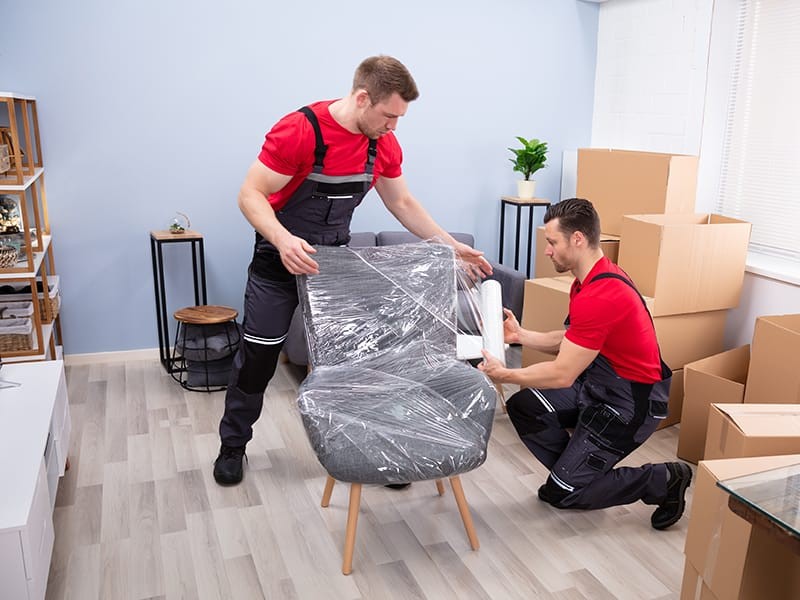
Begin by placing a moving blanket over the furniture piece. This adds an extra layer of protection. Then, take the plastic wrap and start wrapping it around the furniture, ensuring that you cover all surfaces. Overlap the layers of wrap to create a secure barrier. Wrapping in a circular motion can help ensure that the plastic adheres well and provides comprehensive coverage.
Secure the Ends
Once you have wrapped the furniture completely, use tape to secure the ends of the plastic wrap. This will prevent it from unraveling during transport. Make sure to press the tape firmly against the wrap to create a tight seal, which will help keep the wrap in place.
Label Your Wrapped Furniture
If you are wrapping multiple pieces of furniture, consider labeling them. This will help you identify each item when you arrive at your new location or when you access your storage unit. Using a permanent marker or labels can make the unpacking process much smoother, allowing you to find essential items quickly.
Tips for Effective Use of Plastic Wrap
To maximize the effectiveness of plastic wrap for furniture, consider the following tips:
Choose the Right Thickness
Plastic wrap comes in various thicknesses. For heavier furniture or items that require extra protection, opt for a thicker wrap. This will provide better durability and resistance to tearing. Thicker wraps are particularly useful for items that may be stacked or subjected to pressure during transport.
Use Multiple Layers
For added protection, use multiple layers of plastic wrap. This is especially important for delicate items or furniture with intricate designs. Layering the wrap not only enhances protection but also provides additional cushioning against impacts.
Avoid Overstretching
While plastic wrap is designed to stretch, avoid overstretching it as this can lead to tears. Wrap it snugly but not excessively tight. Overstretching can compromise the integrity of the wrap, making it less effective in protecting your furniture.
Consider Climate Conditions
If you are moving in extreme weather conditions, such as high humidity or heavy rain, take extra precautions. Ensure that the plastic wrap is sealed tightly to prevent moisture from seeping in. Additionally, consider using desiccants or moisture-absorbing materials in your storage area to further protect your items.
Common Uses of Plastic Wrap for Furniture
Plastic wrap is versatile and can be used for various types of furniture. Here are some common applications:
Wrapping Sofas and Couches
Sofas and couches are often large and cumbersome to move. Wrapping them in plastic helps protect the fabric from dirt and moisture while also preventing damage to the frame. This is particularly important for upholstered furniture, as stains can be difficult to remove once they set in.
Protecting Tables and Desks
Tables and desks can easily get scratched or damaged during a move. Wrapping them in plastic not only protects the surface but also keeps drawers secure. For glass-topped tables, consider using additional padding to prevent breakage.
Securing Chairs
Chairs can be wrapped individually or stacked and wrapped together. This prevents them from shifting during transport and protects them from scratches. When wrapping multiple chairs, ensure that the wrap is tight enough to hold them together without causing damage.
Storing Mattresses
When storing mattresses, wrapping them in plastic helps keep them clean and free from dust. It also protects against moisture, which can lead to mold and mildew. For added protection, consider using a mattress bag in conjunction with plastic wrap.
Alternatives to Plastic Wrap
While plastic wrap is an excellent option for protecting furniture, there are alternatives that may also be suitable depending on your needs.
Moving Blankets
Moving blankets are thick, padded coverings that provide excellent protection for furniture. They are reusable and can be used in conjunction with plastic wrap for added security. Using moving blankets can also help absorb shocks during transport, further safeguarding your items.
Bubble Wrap
Bubble wrap is another protective material that can be used for fragile items. It provides cushioning and is ideal for wrapping delicate furniture pieces. For items with intricate details, bubble wrap can offer superior protection against impacts.
Cardboard Boxes
For smaller items or disassembled furniture, cardboard boxes can be a great option. They provide structure and protection during transport. Using boxes can also help keep smaller parts organized, making it easier to reassemble furniture once you reach your destination.
Conclusion
Using plastic wrap for furniture is a smart and effective way to protect your belongings during a move or while in storage. Its versatility, ease of use, and cost-effectiveness make it a popular choice among movers and homeowners alike. By following the proper techniques and tips outlined in this article, you can ensure that your furniture remains safe and secure, allowing you to focus on the excitement of your new space.
How to purchase:https://looperbuy.com/search?keywords=Plastic+Wrap+for+Furniture
Frequently Asked Questions
1. Can I use plastic wrap for outdoor furniture?
Yes, plastic wrap can be used for outdoor furniture to protect it from the elements during storage. However, ensure that the furniture is dry before wrapping to prevent moisture buildup, which can lead to mold growth.
2. How do I remove plastic wrap from furniture?
To remove plastic wrap, simply cut it with scissors at the seams and peel it away gently. Be careful not to scratch the furniture surface during this process, especially if the furniture has a delicate finish.
3. Is plastic wrap reusable?
Plastic wrap is generally not reusable, especially if it has been stretched or torn. It is best to use a new roll for each wrapping job to ensure maximum protection.
4. How long can I store furniture wrapped in plastic?
Furniture can be stored wrapped in plastic for several months, but it is advisable to check periodically for any signs of moisture or damage. If you notice any condensation, it may be necessary to unwrap the furniture to allow it to breathe.
5. Can I use plastic wrap on fragile items?
While plastic wrap can provide some protection, it is best to use bubble wrap or packing paper for fragile items to ensure they are cushioned adequately. Combining different materials can offer the best protection for delicate pieces.