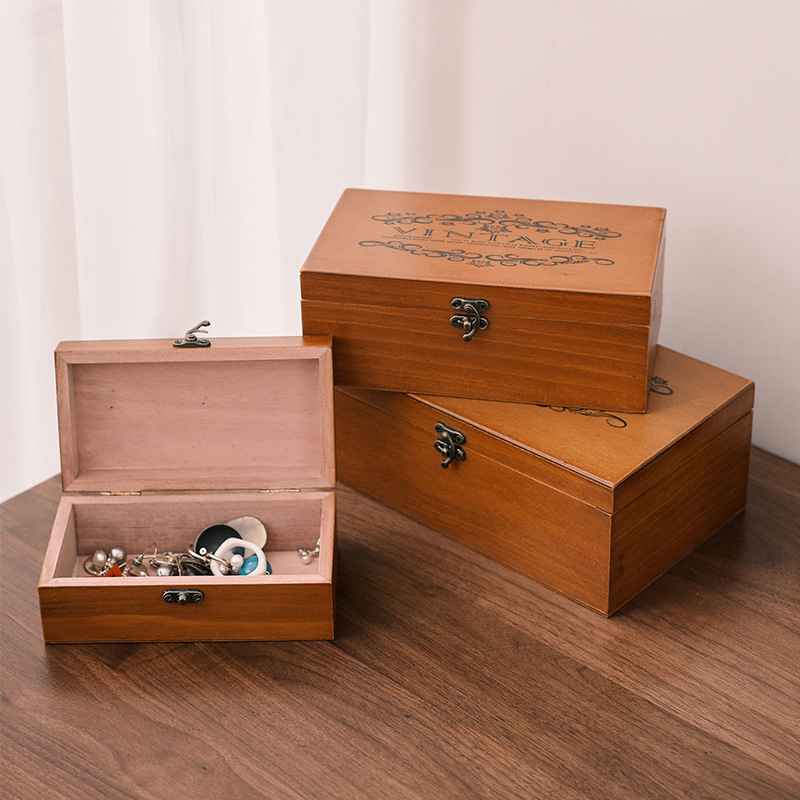
In a world dominated by plastic bins and metal cabinets, timber storage boxes stand out as a blend of functionality, durability, and timeless charm. These handcrafted or factory-made wooden containers have been a staple of storage for centuries, evolving from simple crates used to ship goods to elegant, decorative pieces that enhance modern homes. Whether used to store seasonal decor, garden tools, or family heirlooms, timber storage boxes offer a unique combination of practicality and aesthetic appeal. This article explores their history, design, benefits, and how to choose the perfect one for your needs—whether as a jewelry box, desktop organizer, or general storage solution.
Table of Contents
From Ancient Crates to Modern Decor: The History of Timber Storage Boxes
Timber storage boxes trace their origins to ancient civilizations, where wood was the primary material for transporting and storing goods. The Egyptians used wooden chests to hold valuables, while medieval Europeans relied on oak crates for storing grain and tools. These early designs were utilitarian, with rough-hewn planks and simple joinery.
By the 18th century, advancements in woodworking techniques—such as dovetail joinery and hand-carving—transformed timber boxes into works of art. Wealthy families used ornate wooden trunks to store linens, jewelry, and family records, often adorned with carvings or painted finishes. In the 20th century, as mass production took hold, timber storage boxes became more accessible, with factories producing sturdy, affordable crates for household use.
Today, timber storage boxes bridge the past and present. They retain the rustic charm of handcrafted wood while incorporating modern features like reinforced corners, water-resistant finishes, and modular designs. This evolution has solidified their place as a beloved storage solution in both traditional and contemporary homes.
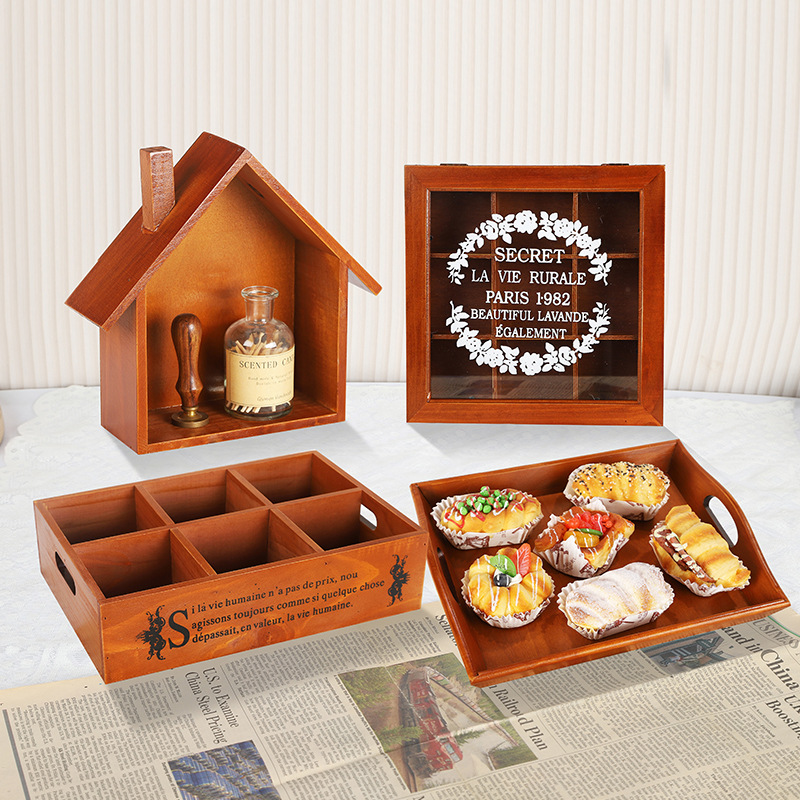
Design and Construction: What Makes Timber Storage Boxes Unique
Timber storage boxes are defined by their materials, construction, and design details. Here’s a closer look at what sets them apart:
Materials: Wood Varieties for Every Need
Timber storage boxes are typically made from softwoods (pine, fir) or hardwoods (oak, maple, cedar). Softwoods are affordable and lightweight, making them ideal for casual storage (e.g., toy chests). Hardwoods, with their dense grain and natural durability, are preferred for heavy-duty use (e.g., storing tools or seasonal decor). Cedar, in particular, is prized for its resistance to insects and moisture, making it a top choice for outdoor or humid environments.
Construction: Joinery and Durability
The way a timber box is constructed determines its longevity. Traditional methods like dovetail joinery (interlocking wood pieces) create strong, seamless corners that resist splitting. Butt joints (simple edge-to-edge connections) are common in mass-produced boxes but may require metal brackets for reinforcement.
Reinforced edges, such as metal strips or thick wood molding, add strength to high-use areas like lids and corners. Many modern boxes also include a “lip” around the lid to prevent it from slipping off accidentally.
Finishes: Enhancing Beauty and Protection
Timber storage boxes are often finished with stains, varnishes, or paints to protect the wood and enhance its appearance. Clear polyurethane sealants preserve the natural grain, while stains add color (e.g., honey oak, walnut). Painted finishes (white, sage green) are popular for achieving a specific aesthetic, such as shabby chic or coastal. For outdoor use, water-resistant finishes (like marine varnish) prevent warping or rot.
Versatile Uses: More Than Just Storage
Timber storage boxes are far more than containers—they’re versatile tools that adapt to nearly any space or need. Here are some of their most popular applications:
Jewelry Boxes: Elevate Your Accessory Game
Jewelry boxes are small, elegant timber containers designed to protect and display delicate accessories like necklaces, earrings, and rings. They often feature soft interiors (lined with velvet or silk) to prevent scratches, and their compact size makes them perfect for vanity tables, dressers, or travel.
Key Features for Jewelry Boxes:
- Inner Lining: Soft materials like velvet or microfiber protect jewelry from scratches and tangles.
- Compartmental Design: Dividers or slots keep items organized (e.g., separate slots for rings, a tray for necklaces).
- Portability: Many are small enough to slip into a purse or travel bag, ensuring your jewelry stays safe on the go.
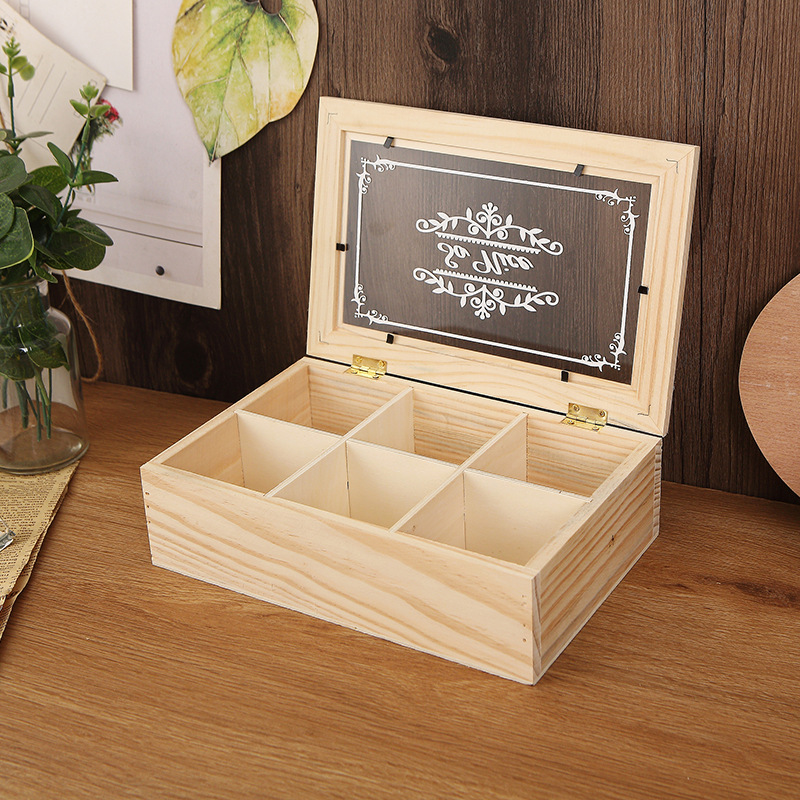
Desktop Organizers: Tidy Up Your Workspace
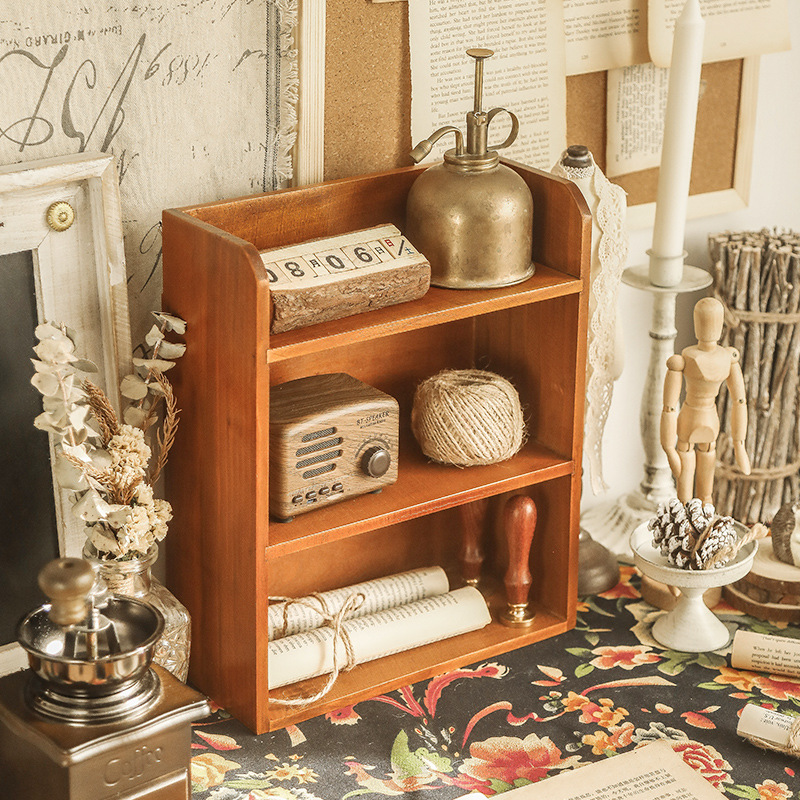
Desktop timber storage boxes are ideal for keeping small items like office supplies, cosmetics, or craft tools within reach. Their shallow depth and tiered design maximize space, while their natural wood finish adds warmth to any desk or vanity.
Key Features for Desktop Organizers:
- Layered Shelves: Adjustable or fixed shelves let you customize the height for different items (e.g., tall pens, small notebooks).
- Drawers or Open Compartments: Drawers keep small items hidden, while open shelves display frequently used tools (e.g., scissors, glue).
- Space-Saving Design: Slim profiles fit neatly on crowded desks without overwhelming the space.
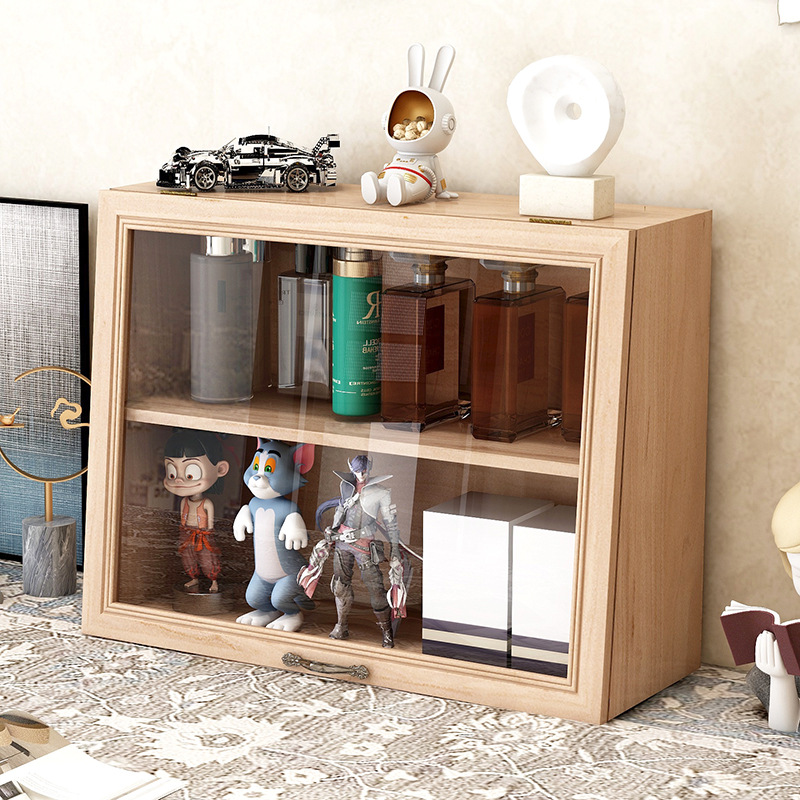
Benefits of Timber Storage Boxes: Why Choose Wood?
Durability
Wood is naturally resilient, resisting dents and scratches better than plastic or metal. With proper care, a high-quality timber box can last for decades—far longer than flimsy plastic bins.
Aesthetic Appeal
Timber’s warm, organic look adds character to any room. Unlike generic plastic containers, wooden boxes become part of the decor, enhancing the room’s ambiance.
Eco-Friendly
Wood is a renewable resource, and many timber boxes are made from sustainably sourced lumber. They’re also recyclable, reducing waste compared to single-use plastic.
Breathability
Wood allows air to circulate, preventing moisture buildup and mold growth—critical for storing items like clothing, bedding, or paper goods.
Customization
Timber boxes can be painted, stained, or carved to match your style. Add handles, dividers, or decorative hardware to personalize them further.
Choosing the Right Timber Storage Box: Key Considerations
With so many options, selecting the perfect box depends on your needs:
Size and Capacity
Assess your storage needs. A small box (12x12x12 inches) works for toys or small decor items, while a large trunk (36x24x24 inches) can hold seasonal linens or workshop tools. For jewelry, opt for compact boxes (6x6x4 inches) with soft interiors.
Material and Durability
Softwoods (pine, fir) are budget-friendly for light use; hardwoods (oak, cedar) are better for heavy-duty storage. For outdoor use, opt for cedar or pressure-treated wood.
Joinery and Construction
Look for boxes with reinforced corners (dovetails or metal brackets) and thick walls (3/4-inch to 1-inch planks) for longevity.
Finish and Aesthetics
Choose a finish that matches your decor—clear for natural wood, stain for color, or paint for a bold look. For jewelry boxes, opt for soft, non-glare finishes to avoid scratching accessories.
Budget
Handcrafted boxes from local workshops are pricier (100-300) but offer unique character. Factory-made models are more affordable (30-100).
Conclusion
Timber storage boxes are more than just practical containers—they’re a blend of history, craftsmanship, and style. Whether you’re storing holiday decor, organizing your garage, or adding charm to your living room, these wooden boxes offer durability, versatility, and timeless appeal. By choosing the right material, design, and finish, you can create a storage solution that enhances your home while preserving your belongings for years to come.
How to purchase: https://looperbuy.com/search?keywords=timber+storage+boxes&globalType=1688
Frequently Asked Questions
Q1: How do I clean a timber storage box? A: Wipe with a soft, dry cloth to remove dust. For deeper cleaning, use a mild soap solution (water + dish soap) and a soft brush. Avoid harsh chemicals, as they can damage the finish.
Q2: Can I paint a timber storage box? A: Yes—use a high-quality latex or acrylic paint. Sand the surface lightly first to ensure adhesion, and apply a primer for better coverage.
Q3: Are timber boxes termite-resistant? A: Cedar and redwood are naturally termite-resistant. For other woods, treat with a termite repellent or opt for pressure-treated lumber.
Q4: How do I organize items inside a timber box? A: Use dividers, small bins, or fabric liners to keep items sorted. Label the outside for easy identification.
Q5: Are timber boxes weatherproof? A: Untreated wood can warp or rot in extreme weather. For outdoor use, choose water-resistant finishes (marine varnish) or store the box under a covered area.
Hot Tags: timber storage boxes, wooden jewelry boxes, desktop organizer boxes, eco-friendly storage solutions, rustic home decor, durable storage boxes, custom timber boxes, seasonal storage containers, handmade wooden crates, wooden box maintenance