Table of Contents
The Invisible Boardroom: Where Algorithms Outrank Admirals
From Fleet to Fintech—The CFO Who Steers by Satellite
In the glass-walled headquarters overlooking Copenhagen’s inner harbor, the Chief Financial Officer of a global shipping enterprise no longer pores over ledgers of steel tonnage. Instead, she studies a live mosaic of fuel curves, carbon credits, and freight futures that update faster than the espresso machine can hiss. Every vessel in the fleet is now a movable asset class: its hull, engines, and even empty container slots tokenized into tradable micro-shares that hedge against bunker price spikes or ESG audits. The flagship no longer carries cargo alone; it carries collateral, reputation, and the invisible ledger of tomorrow’s supply chain.
The Rise of the Chief Sustainability Officer
Reporting lines have shifted. The CSO sits at the same table as the COO, not because marketing demanded it, but because investors now rank decarbonization timelines alongside dividend yields. Methane slip, slow-steam routes, and ballast-water biosecurity are debated with the same intensity as port congestion surcharges. A single voyage can swing the enterprise’s ESG rating, which in turn moves bond yields and stock price in real time.
AI Captains and the Ghost Bridge
On a bulk carrier crossing the North Pacific, the watch officer’s chair is empty at 03:00. The ship is piloted by an AI that digests satellite weather, piracy alerts, and tidal windows faster than any human synapse. The captain’s role has shifted from wheelhouse to brand ambassador—hosting TikTok Lives from the bridge while the algorithm trims fuel burn by fractions of a knot.
The Geography of Velocity: How Shipping Lanes Become Living Organisms
Monsoon Circuits and the Arabian Waltz
In the Indian Ocean, monsoon winds still conduct an ancient symphony. Modern fleets surf these rhythms with satellite precision, but the choreography is identical to dhows of the 14th century. The difference is data: algorithms now reroute vessels days ahead of the wind, turning seasonal breeze into competitive advantage.
Arctic Corridors and the Melting Shortcut
As polar ice retreats, new lanes appear across the top of the world. The enterprise does not merely add a red line to its map; it renegotiates insurance clauses, rewrites crew training manuals, and recalculates the carbon ledger. A single Arctic transit can cut weeks off Asia-Europe loops, but it also invites geopolitical scrutiny and environmental audits. The lane is not a shortcut; it is a diplomatic chessboard.
The Floating Warehouse Concept
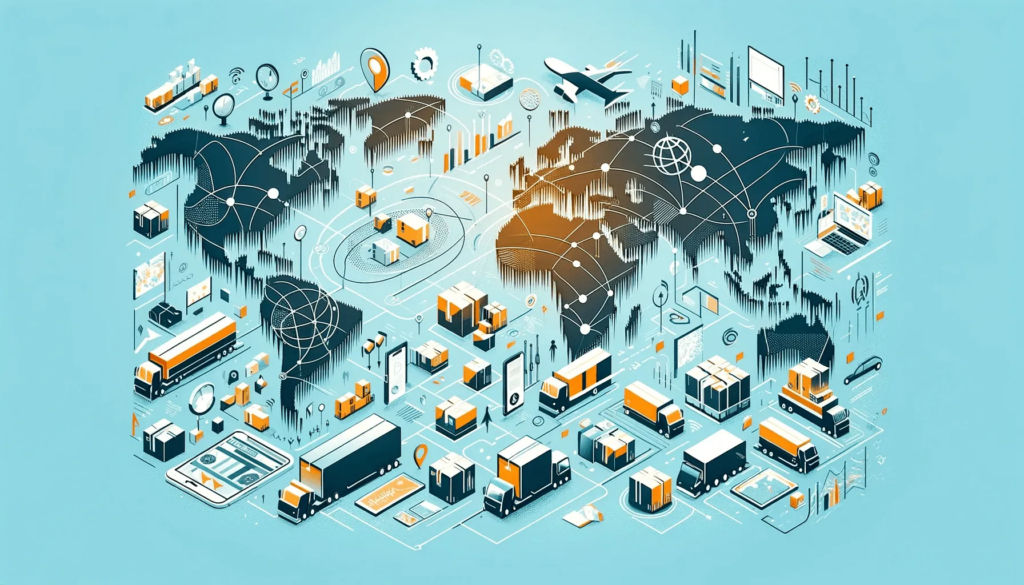
Singapore and Dubai have become more than ports; they are living warehouses where containers swap ships like passengers changing trains. The enterprise treats these hubs as inventory buffers, pre-positioning goods near demand clusters. The map zooms into micro-lanes that crisscross within a single harbor, turning geography into choreography.
Risk Cartography: From Red Zones to Resilience Algorithms
Piracy Polygons and the Insurance Rainbow
Color-coded polygons now overlay every shipping lane: crimson for war risk, amber for piracy, teal for storm probability. These shapes update hourly, guiding underwriters who price risk by the pixel. A single pixel shift can reroute a billion-dollar cargo, proving that geography is negotiable when economics demands.
Carbon Pricing and the Green Detour
Every extra nautical mile burns fuel and carbon credits. The enterprise now plots “green lanes” that favor slower, longer routes if the carbon price is lower than the fuel saved. The map becomes a moral compass, trading speed for sustainability.
Blockchain Proof and the Immutable Voyage
Each waypoint is now a cryptographic stamp. Buyers can trace coffee beans from Colombian hillside to Brooklyn café, watching the lanes shift color with each verified handoff. Transparency becomes the ultimate luxury.
The Talent Pipeline: From Seafarer to Data Scientist
Cadet to Code—The New Maritime Curriculum
Maritime academies now teach Python alongside celestial navigation. Cadets graduate fluent in both sextants and SQL, ready to interpret AIS data streams and carbon indices. The officer of the watch is half navigator, half data analyst.
Remote Pilots and the Ghost Tug
In Rotterdam, remote pilots guide supertankers via 5G from a control tower fifty kilometers inland. The joystick feels like gaming, but the stakes are real. The enterprise saves on pilot boat fuel and reduces human exposure to rough seas.
The Upskilling of Port Labor
Crane operators wear AR glasses that overlay container weights and stacking sequences. The glasses translate Mandarin instructions in real time, flattening language barriers and speeding turnaround.
Future Canvas: Quantum Routing, 3D Printed Ports, and the Cartographer’s Dream
Quantum Routing and the Probabilistic Voyage
Quantum computers now model every possible route simultaneously, assigning probabilities to each scenario. The map becomes a cloud of potential paths, collapsing into the optimal lane only when observed.
3D Printed Breakwaters and Instant Infrastructure
Dubai experiments with printed concrete breakwaters that can be deployed in days, creating new lanes overnight. The map becomes modular, a Lego set for logistics.
Augmented Reality and the Living Globe
Put on AR glasses and the globe spins in your living room. Ships glide past your coffee table, storms swirl above your sofa. The shipping enterprise is no longer on a screen; it is the room.
Conclusion
The modern global shipping enterprise is less a fleet of ships and more a living algorithm that negotiates wind, weather, capital, and conscience in real time. Mastery lies not in owning steel but in reading the invisible currents that move goods, data, and trust across the planet. Those who map these currents will not only survive the next storm—they will write the map for everyone else.
If you want to enhance your global shipping efficiency and enjoy the full-process transfer logistics service and ensure that your goods are easily delivered to overseas addresses,you can use looperbuy, a one-stop purchasing-logistics solution:https://looperbuy.com/.
Related Questions & Answers
· How do AI captains decide when to reroute ships?
They ingest satellite weather, piracy alerts, and fuel prices, then optimize for cost, carbon, and ETA in real time.
· What role does blockchain play in shipping transparency?
It creates an immutable ledger of waypoints, enabling buyers to trace cargo from origin to doorstep.
· Are Arctic shipping lanes commercially viable year-round?
Not yet; seasonal ice, high insurance, and environmental scrutiny limit full-year operations.
· How do shipping enterprises price carbon into freight contracts?
They integrate carbon credits and slow-steam routes, balancing speed against emissions cost.
· What skills will future maritime professionals need?
Fluency in data analytics, sustainability metrics, and remote-pilot technology alongside traditional navigation.
Hot Tags: Global Shipping Enterprise; AI Maritime Navigation; Carbon Neutral Shipping; Blockchain Supply Chain; ESG Shipping; Arctic Trade Routes; Maritime Risk Management; Port Automation; Future Shipping Trends