Table of Contents
The First Tremor: How a Balance Sheet Cracks Beneath Steel Hull and Saltwater
Liquidity Leaks in the Engine Room
A global shipping company rarely dies from one iceberg; it drowns from a thousand slow leaks. Charter rates dip, bunker prices surge, and suddenly the fleet that looked majestic on a glossy annual report becomes a rusting millstone. Letters of credit are called in, port dues remain unpaid, and captains receive radio silence instead of fresh orders. The first sign is subtle: the crew’s WhatsApp group lights up with rumors that the next port call is “cash only.” By the time the headline hits Bloomberg, containers already float in legal limbo like orphaned barges.
Flags of Convenience and the Vanishing Guarantor
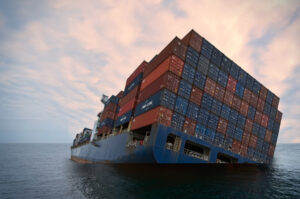
Many bankrupt carriers sail under flags that are more post-office box than nation-state. When the holding company in Limassol files for protection, the Liberian registry washes its hands, and the Panamanian shell that owns the vessel has no assets beyond the hull itself. Cargo owners discover their freight is now collateral in a game played by banks, insurers, and hedge funds that never set foot on deck.
Frozen Ports and Floating Assets: The Logistics Earthquake That Follows
Port Arrests and the Midnight Chain
When the bankruptcy judge in London issues an order, port agents move fast. Steel cables lash the gangway to the bollard, and the ship that carried Christmas decorations becomes a floating pawn shop. Crew members, unpaid for weeks, barter cigarettes for phone cards while cargo owners frantically email every maritime lawyer whose business card they once ignored. The port authority demands cash for tugs, pilots, and berth fees before any container can be touched. Importers in Kansas suddenly care deeply about Singapore admiralty law.
Transshipment Traps and the Domino Theory
A box destined for Rotterdam may have touched three different vessels under one bankrupt umbrella. When the mother ship is arrested in Tangier, feeder vessels in Piraeus and Gdansk are also frozen, creating a constellation of stalled cargo. The domino effect is felt in inland warehouses where forklift drivers idle, waiting for pallets that will not arrive before the quarterly report.
Auctioning the Ocean: Who Buys a Half-Filled Container Ship?
Courts eventually order liquidation auctions. Buyers range from rival carriers seeking bargain hulls to private equity firms that see floating real estate. Containers still sealed are sold in bulk lots, their contents a mystery until pried open in distant yards. A crate labeled “auto parts” may reveal vintage motorcycles; another marked “textiles” may hide unlicensed fireworks. The auction becomes a maritime lottery with customs officials as reluctant referees.
Insurance Chess: How Claims, Counter-Claims, and Salvage Rights Collide
General Average and the Shared Sacrifice
When the carrier declares general average, every cargo owner becomes a co-investor in the rescue. The law demands that surviving cargo contribute to the value of lost cargo, turning shippers into unwilling shareholders in the catastrophe. A pallet of organic coffee beans may be asked to pay a share of the engine repairs that kept the ship afloat. The paperwork arrives months later, written in maritime legalese that leaves CFOs reaching for migraine pills.
Salvage Awards and the Treasure Hunt Mindset
Salvage crews see bankruptcy as opportunity. They board the drifting giant, secure the engine room, and file liens that can exceed the value of the cargo. Courts then rank creditors like a grim leaderboard: crew wages first, salvage liens second, mortgage banks third, unsecured cargo owners last. The ranking determines who gets paid from the auction proceeds and who receives a polite letter of regret.
Cargo Insurance: The Fine Print That Saves or Sinks
Not all policies cover bankruptcy-related delays. Some insurers invoke force majeure clauses, arguing that financial collapse is not a maritime peril. Others offer “consequential loss” riders that reimburse storage fees and missed sales. The difference can determine whether a boutique retailer survives the holiday season or shutters before New Year’s.
Supply Chain Re-Wiring: How Markets Adapt in Real Time
Charter Market Whiplash and the Rise of Spot Rates
When a major carrier collapses, competitors race to fill the void. Charter rates spike overnight as desperate shippers bid for any available hull. The spot market becomes a daily auction where yesterday’s record low becomes today’s record high. New entrants—some backed by private equity, others by sovereign wealth funds—order fresh tonnage, but steel takes years to weld. In the interim, supply chains reroute through longer paths, adding days and dollars to every journey.
Port Congestion and the Invisible Queue
Bankruptcy freezes not just ships but berths. Ports accustomed to weekly calls suddenly lose a carrier, creating gaps that other lines cannot fill. Containers stack like Jenga towers, and truckers idle in queues that snake beyond the marshaling yard. Retailers pivot to air freight for urgent stock, driving cargo rates to stratospheric levels previously reserved for emergency medical supplies.
Near-Shoring Fantasies and the Reality Check
Executives vow to bring production closer to home, but factories cannot be airlifted. Instead, supply chains diversify among smaller regional carriers, each with its own quirks and capacity limits. The bankruptcy becomes a catalyst for resilience, but the transition is messy, expensive, and painfully slow.
Legal Labyrinths and the Human Cost
Crew Abandonment and the Floating Hostage Crisis
Seafarers become the forgotten victims. Months pass without wages, and passports are held by agents in distant offices. Some crews stage hunger strikes, others barter diesel for food with passing fishermen. Humanitarian organizations lobby for crew-repatriation funds, but legal battles drag on. The ship becomes a floating dormitory, a monument to the human cost of financial hubris.
Class-Action Lawsuits and the Paper Armada
Cargo owners band together, filing suits in multiple jurisdictions. Courts in New York, London, and Singapore issue conflicting rulings, creating a legal patchwork that confounds even seasoned maritime lawyers. The litigation tail can wag for years, long after the last container has been auctioned.
Regulatory Repercussions and the Next Wave of Oversight
Policymakers vow tighter capital requirements and stricter audits. Classification societies expand inspection protocols, and insurers demand real-time financial transparency. The industry enters a new cycle of compliance, but memories fade, and the seeds of the next bankruptcy are quietly sown.
Conclusion
A global shipping company bankruptcy is not a single event but a slow-motion earthquake that rattles ports, balance sheets, and human lives across continents. By understanding the hidden mechanics—legal, logistical, and humanitarian—cargo owners, insurers, and policymakers can build safeguards that soften the next inevitable shockwave. The ocean is vast, but the ripple effects of a single corporate collapse are even larger.
If you want to enhance your global shipping efficiency and enjoy the full-process transfer logistics service and ensure that your goods are easily delivered to overseas addresses,you can use looperbuy, a one-stop purchasing-logistics solution:https://looperbuy.com/.
Related Questions & Answers
· What triggers the initial freeze on a bankrupt vessel’s cargo?
A court-issued arrest order allows port agents to detain the ship until debts or security are posted, instantly halting cargo discharge.
· How long can crew members be stranded before repatriation?
Delays range from weeks to over a year, depending on court jurisdiction, available funds, and diplomatic negotiations.
· Does cargo insurance always cover bankruptcy-related losses?
Standard policies often exclude financial default; only riders for consequential loss or political risk may reimburse storage or lost sales.
· Who gets paid first when auction proceeds are distributed?
Crew wages and salvage liens rank highest, followed by mortgage banks, with unsecured cargo owners typically last.
· Can supply chains fully recover within a single fiscal year after a major carrier collapse?
Full recovery is rare; rerouting, new charters, and port congestion can extend disruptions well beyond twelve months.
Hot Tags:Shipping Bankruptcy Impact; Port Arrest Procedure; Cargo Insurance Claims; General Average Explained; Maritime Salvage Rights; Container Auction Process; Supply Chain Disruption; Crew Abandonment Crisis; Financial Force Majeure