Table of Contents
When Containers Learn to Whisper: The Quiet Revolution Inside Smart Yards
The Birth of Talking Crates
Walk the midnight apron of any major trans-shipment terminal and you will hear a soft chorus of chirps and clicks. These are not gulls but low-power beacons sewn into flexible RFID sleeves, each broadcasting humidity, tilt, and shock events to mesh networks strung between floodlights. A crate of Kenyan avocados can now confess that it was dropped in Djibouti before the vessel even leaves the Gulf of Aden. For the importer pacing a Brooklyn loft, this confession arrives as an amber alert on a phone, prompting a quick pivot to Peruvian suppliers while the original cargo is still mid-ocean.
Gate OCR and the Death of the Clipboard
At Los Angeles Pier, gate lanes have become optical theaters. Cameras capture every angle of a truck chassis while neural nets decode license plates, container numbers, and hazmat placards in the time it takes the driver to sip coffee. The clipboard, once king, now hangs like a museum relic in a break-room shadowbox. Drivers receive clearance via QR codes that shimmer on windshield-mounted tags, shaving idle minutes that once stacked into days during peak season.
Algorithms at the Helm: How Routing Becomes a Living Organism
Dynamic Stowage and the Ghost Captain
Modern stowage planners are less human than hyper-parameters in a cloud function. They ingest weather forecasts, tidal windows, and real-time fuel prices, then reshuffle container positions as if playing three-dimensional Tetris with forty-ton pieces. A single reefer loaded with vaccines may leapfrog three bays to stay under a cooling duct when an engine sensor detects a subtle rise in exhaust temperature. The captain receives the new plan as a gentle suggestion: “Accept reroute? ETA unchanged.” One tap and the vessel adjusts its trim, saving bunker costs while keeping medicine potent.
The Rise of Predictive Demurrage
Demurrage—the daily rent charged for lingering containers—used to be a retrospective punishment. Today, machine-learning models predict which boxes are most likely to overstay their free time and pre-emptively offer discounted rail ramps or off-peak chassis pools. Importers receive polite nudges: “Your crate is trending late; book a midnight slot for half the usual fee.” Acceptance rates climb because the offer feels like assistance, not extortion.
Warehouse Symphonies: Drones, AMRs, and the End of Forklift Ballet
Ceiling-Skimming Drones That Read Barcodes Upside Down
Inside a Memphis fulfillment cavern, drones hover beneath sprinkler pipes like dragonflies scanning lily pads. They read barcodes taped to the underside of totes, updating inventory counts without ever touching the floor. When a picker requests a single bottle of artisanal hot sauce, the drone triangulates the exact tote, flashes its LED beacon, and descends to pluck the prize with a soft silicone claw. The picker never walks more than fifty steps; the warehouse floor remains eerily quiet.
AMR Swarms That Teach Themselves Traffic Laws
Autonomous mobile robots in Dallas learn congestion patterns the way commuters memorize rush-hour rhythms. Each unit starts the day shy, hugging walls, but by noon they weave through intersections at full speed, braking only when lidar detects a human ankle. When a new robot joins the fleet, veterans transmit maps and etiquette within minutes, creating a fluid choreography that scales faster than any human supervisor could schedule.
Last-Mile Reimagined: Sidewalk Bots, Smart Lockers, and Rooftop Airdrops
Sidewalk Bots That Politely Beg for Space
In Milton Keynes, squat white robots trundle along pedestrian lanes, their LED eyes blinking apologies when blocked by prams. They speak in soft British accents: “Pardon, may I pass?” Shoppers tap a code, lids hiss open, and parcels disappear into tote bags. The city council embedded passive RFID tiles in sidewalks, creating invisible lanes that prevent bots from wandering into flowerbeds. Elderly residents who once dreaded missed deliveries now greet the bots by name.
Smart Lockers That Rent Themselves
At the base of a Seattle high-rise, modular lockers rearrange their own architecture overnight. Sensors detect which units are full, half-full, or abandoned, then trigger tiny motors to compress rows and birth fresh slots. A resident returning from vacation finds a single illuminated door bearing her name, timed to open only during her usual elevator arrival window. The building manager has not touched a key in months.
Rooftop Airdrops and the Sky-Bridge Network
In Dubai, quadcopters drop parcels onto rooftop pads no larger than yoga mats. Each pad is a solar-powered scale that confirms weight before unlocking. Neighbors track deliveries on communal screens, turning the daily drop into a spectator sport. When wind shear rises, drones reroute to lower-altitude “sky bridges” strung between towers like ziplines for robots. The city skyline hums with micro-propellers, a lullaby of logistics.
Data Ethics and Oceanic Empathy: Who Watches the Watchers?
The Carbon Ledger Nobody Wants to See
Algorithms optimize for speed and cost, but increasingly for carbon intensity. A dashboard now overlays every booking confirmation with a color gradient from emerald to vermilion, revealing the emissions cost of choosing a faster route. Importers can toggle between speed and footprint, watching the gradient shift in real time. Early adopters report unexpected emotional responses—guilt when red, quiet pride when green—turning abstract data into personal accountability.
Port Labor and the Augmented Dockworker
Wearable exoskeletons let veteran longshoremen lift heavier containers without strain, but the same sensors feed productivity metrics into management dashboards. Unions negotiate access to raw data, ensuring that “efficiency” never morphs into invisible speed-ups. Weekly town-hall screens display aggregated health scores, proving that automation can coexist with dignity when transparency is baked into the code.
Conclusion
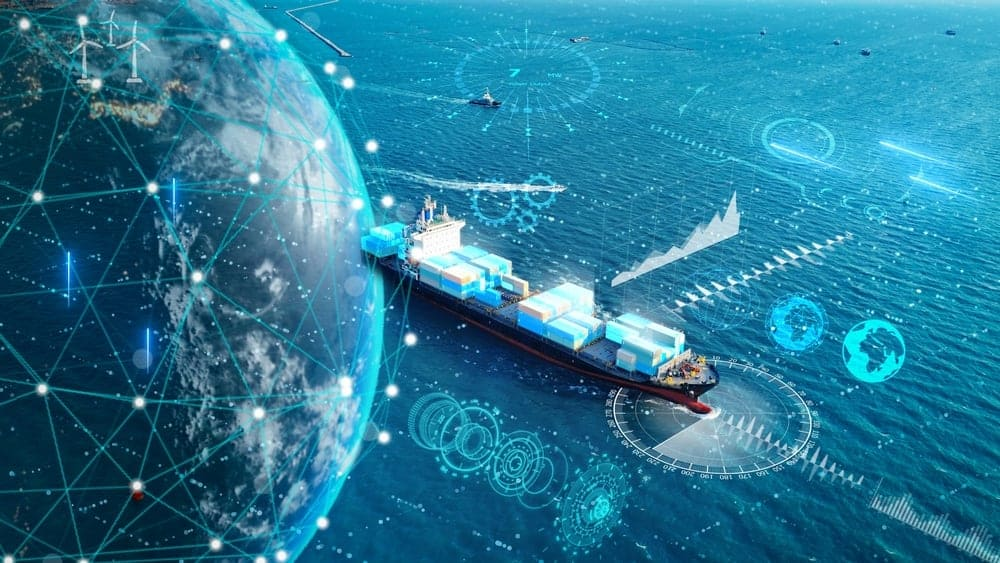
Global shipping automation is no longer a tale of soulless machines replacing human craft; it is an unfolding partnership where algorithms predict, drones illuminate, and humans decide the moral weight of every mile. By learning the language of beacons, drones, and carbon gradients, shippers and shoppers alike become co-authors of a logistics epic that stretches from factory gate to front porch. The horizon belongs to those who can read both code and conscience.
If you want to enhance your global shipping efficiency and enjoy the full-process transfer logistics service and ensure that your goods are easily delivered to overseas addresses,you can use looperbuy, a one-stop purchasing-logistics solution:https://looperbuy.com/.
Related Questions & Answers
· How do smart containers detect temperature spikes without batteries?
They harvest milliwatts from cellular signals and broadcast data bursts only when thresholds breach, using ultra-low-power sensors.
· Can small importers access predictive demurrage tools?
Yes, cloud dashboards now tier pricing per container, making AI-driven demurrage alerts affordable even for single-container shippers.
· Are sidewalk delivery bots insured for pedestrian collisions?
Cities require third-party liability coverage similar to e-scooters, and bots carry QR codes linking to live insurance certificates.
· What happens to drone rooftop pads during sandstorms?
Pads retract into sealed housings and drones reroute to indoor pickup points until air-quality sensors give the all-clear.
· How can unions audit productivity data from exoskeletons?
Raw sensor feeds are mirrored to union servers in real time, allowing stewards to spot patterns that might indicate unsafe pacing.
Hot Tags:Smart Container Tracking; Predictive Demurrage AI; Warehouse Drone Inventory; AMR Traffic Algorithms; Rooftop Delivery Drones; Carbon Footprint Shipping; Port OCR Automation; Sidewalk Robot Logistics; Exoskeleton Dock Workers