Table of Contents
American Alloys and Prairie Fire: How Geography Shapes the Language of Steel
Rust Belts and Sun Belt Furnaces
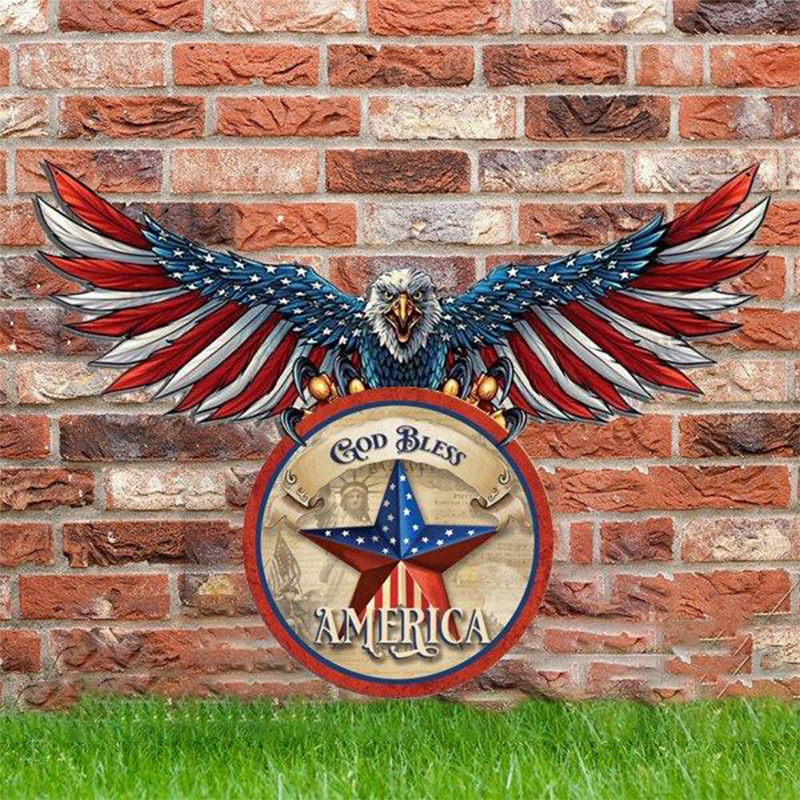
Drive Interstate Twenty-Four from Nashville to Chattanooga at dusk and you will see the blast furnaces of the Cumberland Plateau glowing like cathedral windows. Here, iron ore once rode river barges north to Pittsburgh, but today the same barges carry scrap steel south to be reborn as sinuous public art. The regional dialect of metal changes every hundred miles: in Detroit, salvaged automotive panels become angular tributes to horsepower; in Santa Fe, rebar bends into desert flora silhouettes against the Sangre de Cristo range. Knowing the provenance of raw material—whether it is lake-bed ore, decommissioned battleship plating, or retired farm-equipment blades—gives the buyer a story that outlives the invoice.
Copper, Corten, and the Color of Time
Artists along the Pacific Coast favor Corten for its predictable oxidation calendar, turning from steel gray to burnt sienna in roughly the same span as a gallery contract. In Arizona, copper sheets mined from the pit at Morenci arrive warm and salmon-pink, promising an eventual green patina that mirrors saguaros after monsoon. Ask the sculptor to show you a thumbnail sample of the intended finish; if you see masking tape edges or sanded halos, know that the patina may never fully integrate with the metal beneath.
Mapping the Makers: From Brooklyn Lofts to Wyoming Ranch Ateliers
Urban Foundries and the Rise of Communal Kilns
In the Navy Yard district of Brooklyn, a repurposed warehouse hosts a rotating roster of resident sculptors who share a tilt furnace large enough to swallow a motorcycle. Membership dues include safety training and access to reclaimed I-beams from demolished bridges. Visitors can wander the floor on open-studio nights, tracing chalk outlines of future bronzes and smelling the molasses sweetness of bentonite molding sand. Prices here skew high, but the provenance is transparent—every pour is live-streamed, and pieces are micro-etched with GPS coordinates of the scrap source.
Ranch Forges and the Silence of Wide Horizons
Outside Sheridan, Wyoming, a former cattle barn has been retrofitted with a coal forge and a twenty-foot power hammer. The artist, who doubles as a farrier during branding season, works primarily in horseshoe nails and barbed wire, welding them into equine forms that seem to gallop even at rest. Purchasing here involves strong coffee, a handshake, and a promise to send photographs once the sculpture is installed. Shipping is arranged through the regional freight line that once hauled wool to Denver; the cost is modest, but timing depends on the ranch calendar.
Pop-Up Pourings and Desert Residencies
Each October, sculptors gather in Quartzsite, Arizona, for a week-long encampment beside the RV swap meets. Furnaces are built from propane tanks and scrap blowers; molds rest on plywood tables under canvas awnings. Buyers who arrive before sunrise can witness the first crucible being tapped, the metal hissing like a desert sidewinder as it meets the chill air. Pieces are sold still warm, wrapped in welding blankets and loaded into pickup beds. Bring cash and a pair of leather gloves; the romance is immediate, but the paperwork is minimal.

The Transaction: Negotiation Etiquette, Fabrication Schedules, and Iron-Clad Contracts
Reading the Spark Test and Other Silent Cues
When a sculptor lifts a grinder to a sample bar, the shower of sparks reveals carbon content. Long, branching sparks indicate high-carbon steel suitable for edge-holding knives; short, reddish bursts suggest mild steel perfect for gentle curves. Ask to see the test; the willingness to share technical details is a reliable indicator of transparency. If the artist hands you safety glasses without prompting, take it as a good omen.
Milestone Payments and the Language of Heat
Large commissions typically follow a three-stage heat metaphor: “cold iron” (deposit), “warming steel” (midpoint), and “white-hot” (final balance). Each stage should be tied to tangible progress—pattern approval, first weld, final patina. Insist on photographs at each phase, shot in natural light against a neutral backdrop. The images become both proof and narrative for insurance appraisals.
Shipping the Unshippable: Crating Myths and Freight Realities
A six-foot corten silhouette may weigh less than a refrigerator but cannot simply be bubble-wrapped. Sculptors often subcontract crates to Amish woodworkers in Ohio who build pine skeletons lined with ethafoam. The crate is braced for forklift blades and labeled with tilt sensors that turn red if the angle exceeds forty-five degrees. White-glove delivery inside the contiguous United States averages roughly one dollar per mile from origin to destination, but rates spike if the piece exceeds eight feet in any dimension.
Installation and Afterlife: Anchoring Steel to Earth, Skin, and Sky
Engineering the Silent Dialogue Between Sculpture and Soil
Before concrete is poured, a soil engineer may test for expansive clay that could tilt a base over five years. In earthquake zones, isolator pads allow the sculpture to sway without snapping anchor bolts. Ask for a base drawing that includes drainage channels; standing water will stain corten into tiger stripes that clash with intentional patina.
Living Patina and the Ethics of Interference
Some collectors adore rust streaks that drip onto pristine patios; others panic at the first sign of oxide. If intervention is required, consult the artist before applying any sealant. A light scrub with a nylon brush and a rinse of distilled water will remove loose flakes without arresting the natural aging process. Document the color each season; the slow shift is part of the artwork’s contract with time.
Legacy Planning and the Resale Horizon
Steel sculptures rarely depreciate if the artist’s reputation grows, but provenance must remain airtight. Store purchase contracts, correspondence, and installation photographs in cloud archives accessible to heirs. Should you choose to resell, approach the sculptor first; many maintain right-of-first-refusal clauses that protect both market value and artistic integrity.
Conclusion
To purchase a metal sculpture in the United States is to enter a vast, vibrating network of scrapyards, communal furnaces, ranch forges, and urban lofts. The journey demands curiosity about molten color, respect for regional metallurgy, and a willingness to learn the quiet etiquette of sparks and shadows. Approach the transaction as a collaboration rather than a simple acquisition, and the finished piece will anchor not only your garden or gallery but also your memory of the continent’s industrial heartbeat.
How to purchase:https://looperbuy.com/search?keywords=United+States+metal+sculpture+purchase&globalType=1688
Related Questions & Answers
· How can I tell if a metal sculpture is fabricated from domestic scrap?
Ask the artist to show the spark test and any micro-etching that logs the GPS source of the original scrap; reputable makers document the trail from salvage yard to studio.
· Is corten steel safe for residential patios near salt air?
Corten performs poorly within one mile of saltwater; consider silicon-bronze or powder-coated mild steel for coastal installations.
· What should I budget for shipping a ten-foot steel piece from Wyoming to Florida?
Expect around one dollar per mile plus oversize surcharges, totaling roughly two thousand dollars white-glove to your driveway.
· Can I slow the rusting of corten without changing its color?
A clear matte polyurethane will pause oxidation but may create an uneven sheen; consult the artist before applying any coating.
· How often should I inspect anchor bolts after installation?
Check torque and corrosion every six months in moderate climates, quarterly in regions with freeze-thaw cycles or seismic activity.
Hot Tags:US Metal Sculpture Markets; Corten Steel Outdoor Art; Brooklyn Navy Yard Foundry; Ranch Forge Wyoming; Scrap Steel Art Purchase; Shipping Large Metal Sculpture; Living Patina Corten Care; Custom Steel Commission Contract; Quartzsite Pouring Festival