Table of Contents
Introduction to Drop Shipping
Drop shipping has emerged as a popular business model in the e – commerce space, offering entrepreneurs a low – risk entry point into the world of online retail. By understanding what drop shipping is and how it works, you can unlock new opportunities for growth and profitability. This article provides a comprehensive overview of drop shipping, covering its definition, key components, and practical applications.
The Basics of Drop Shipping
Definition and Concept
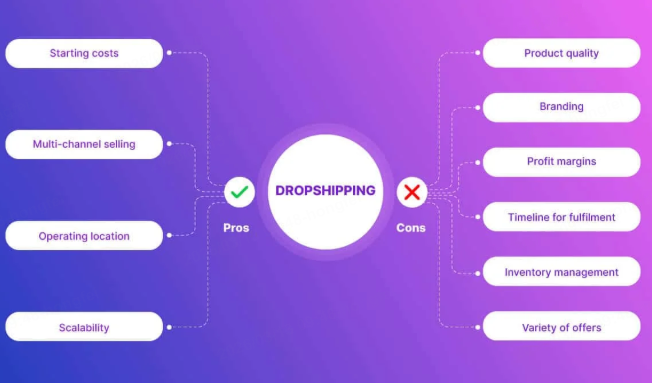
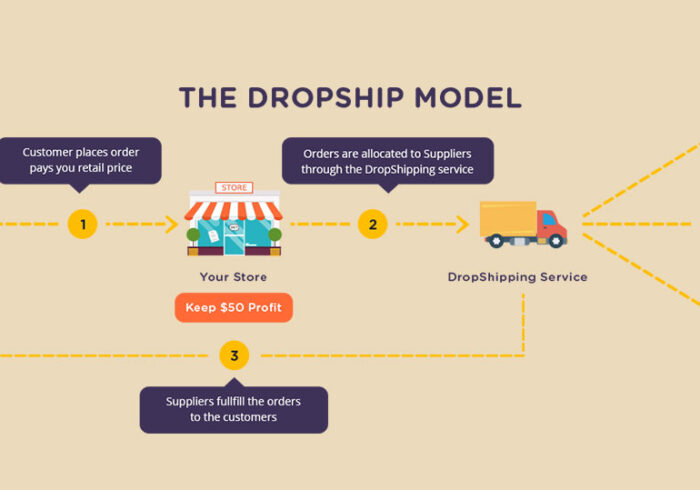
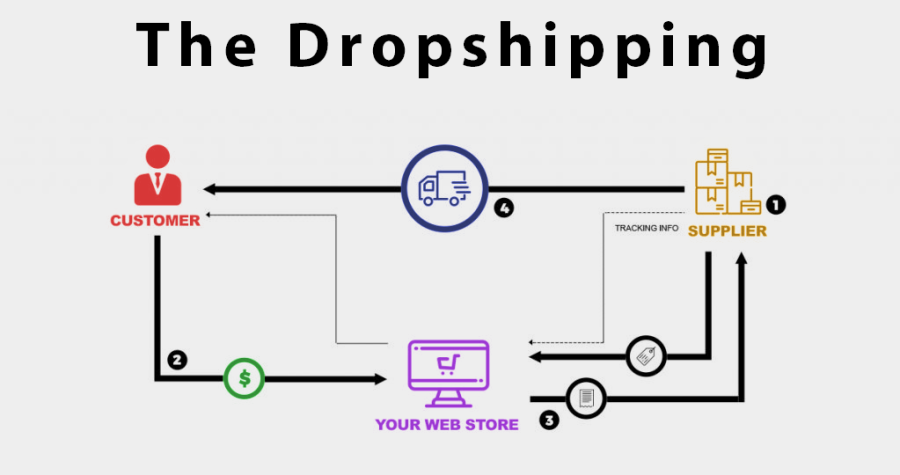
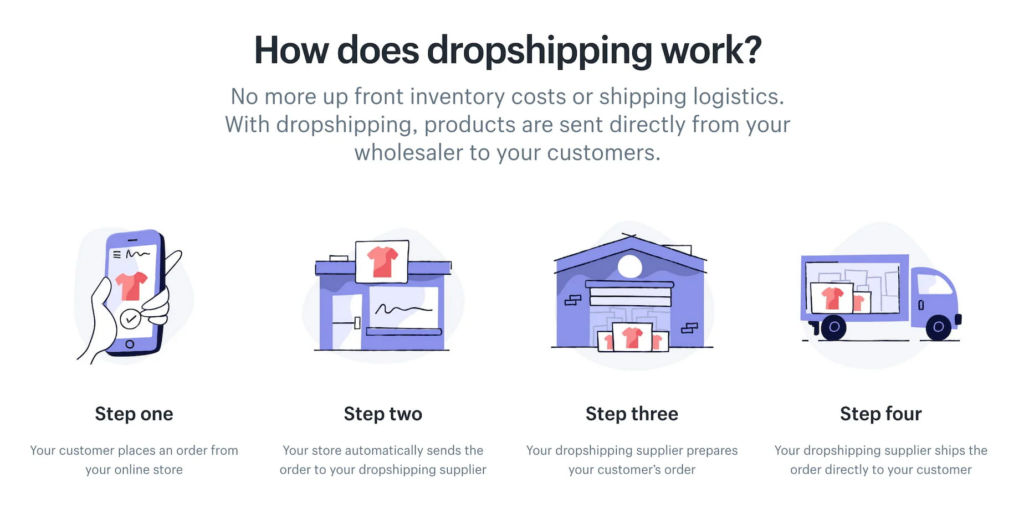
Drop shipping is a retail fulfillment method where the seller does not keep the products in stock. Instead, when a customer places an order on the seller’s online store, the seller forwards the order details to a third – party supplier, who then ships the product directly to the customer. This model eliminates the need for the seller to handle inventory, reducing upfront costs and operational complexities.
The drop shipping model is particularly attractive to small – to – medium – sized businesses (SMEs) and solo entrepreneurs looking to enter the e – commerce market with minimal investment. It allows businesses to offer a wide range of products without the financial risks associated with holding large amounts of inventory.
Key Components of Drop Shipping
Suppliers: The backbone of the drop shipping model, suppliers are responsible for storing, packaging, and shipping products to customers. They can be manufacturers, wholesalers, or drop shipping service providers. Reliable suppliers are crucial for ensuring timely deliveries and maintaining customer satisfaction.
E – commerce Platforms: Drop shipping relies heavily on e – commerce platforms such as Shopify, WooCommerce, and BigCommerce. These platforms provide the infrastructure for creating and managing online stores, processing orders, and integrating with drop shipping suppliers.
Marketing and Customer Acquisition: With drop shipping, the focus shifts from inventory management to marketing and customer acquisition. Effective marketing strategies, including social media advertising, email marketing, and search engine optimization (SEO), are essential for driving traffic to your online store and converting visitors into customers.
How Drop Shipping Works
Order Placement and Fulfillment
When a customer places an order on your drop shipping store, the order details are automatically forwarded to your supplier. The supplier then packages and ships the product directly to the customer, bypassing the need for the seller to handle the product at any point.
Automation and Integration: Many e – commerce platforms offer seamless integration with drop shipping suppliers, automating the order fulfillment process. This ensures that orders are processed quickly and accurately, reducing the risk of errors and delays.
Tracking and Communication: Drop shipping platforms provide real – time tracking information, allowing both the seller and the customer to monitor the progress of the shipment. Regular communication with customers about order status and shipping updates helps build trust and enhance the overall shopping experience.
Managing Inventory and Costs
One of the primary advantages of drop shipping is the elimination of upfront inventory costs. Since products are only ordered from suppliers when a sale is made, there is no need for the seller to invest in large quantities of stock. This reduces financial risk and allows for greater flexibility in product offerings.
Supplier Relationships: Building strong relationships with suppliers is essential for ensuring consistent product quality and timely deliveries. Regular communication and clear expectations help maintain a smooth working relationship, which is crucial for the success of your drop shipping business.
Strategies for Successful Drop Shipping
Product Selection and Market Research
Choosing the right products is crucial for the success of your drop shipping business. Conduct thorough market research to identify trending products with high demand and low competition. Utilize tools like Google Trends, social media analytics, and e – commerce platform data to pinpoint profitable niches.
When selecting products, consider factors such as profit margins, shipping costs, and customer preferences. High – margin products with lower shipping costs are ideal for maximizing profitability. Additionally, choose products that are easy to ship and have a broad appeal to your target audience.
Building a Professional Online Store
Creating a professional and user – friendly online store is essential for attracting and retaining customers. Choose a reliable e – commerce platform and select a visually appealing theme that aligns with your brand identity. Customize your store’s design to ensure it reflects your brand’s personality and values.
Optimize your store for search engines by incorporating relevant keywords into product descriptions, titles, and meta tags. High – quality images and detailed product descriptions are crucial for building trust with customers. Implement a simple and secure checkout process to reduce cart abandonment rates.
Conclusion
Drop shipping offers a versatile and accessible pathway for entrepreneurs to enter the e – commerce space. By understanding the basics of drop shipping, leveraging effective marketing strategies, and building strong supplier relationships, businesses can thrive in this competitive market. As the e – commerce landscape continues to evolve, drop shipping remains a dynamic and profitable business model for those looking to diversify their income streams and launch successful online ventures.
If you want to enhance your drop shipping efficiency, directly connect with China Quality Inventory 1688 and enjoy high-quality factory prices for your products,you can use looperbuy, a one-stop purchasing-logistics solution:https://looperbuy.com/.
Related Questions & Answers
· What are the benefits of drop shipping for small businesses?
Drop shipping offers several benefits for small businesses, including low startup costs, reduced inventory risks, and the ability to test new products without significant investment. It allows entrepreneurs to launch an online store with minimal upfront capital and scale their business as demand grows.
· How do I choose the right products for drop shipping?
Choosing the right products involves conducting thorough market research to identify trending items with high demand and low competition. Consider factors such as profit margins, shipping costs, and customer preferences. High – margin products with lower shipping costs are ideal for maximizing profitability.
· What e – commerce platforms are best for drop shipping?
Some platforms offer user – friendly interfaces, extensive app ecosystems, and seamless integration with drop shipping suppliers, making it easy to manage your online store and automate order fulfillment.
· How can I build strong relationships with drop shipping suppliers?
Building strong relationships with suppliers involves regular communication, clear expectations, and mutual respect. Visit supplier facilities when possible to assess production capabilities and quality control processes. Establishing trust and transparency can lead to more favorable terms and better service over time.
· What marketing strategies are effective for drop shipping businesses?
Effective marketing strategies for drop shipping businesses include social media advertising, email marketing, and search engine optimization (SEO). Engage with your audience through social media platforms like Instagram and Facebook, share valuable content, and offer promotions to attract and retain customers.
Hot Tags: Drop Shipping Definition; E – commerce Fulfillment; Supplier Relationships; Marketing Strategies; Customer Acquisition; Inventory Management; Cost – effectiveness; Niche Selection; Online Store Building