Table of Contents
Introduction: Summer’s Essential Tool—But Does It Cost the Earth?
As summer heatwaves sweep across the globe, fans have become a household staple. Whether ceiling-mounted, tabletop, or handheld, these devices keep us cool by moving air—yet many of us wonder: Do fans use a lot of electricity? The answer isn’t straightforward. While fans are far from the biggest energy hogs in our homes, their electricity use depends on factors like type, usage habits, and design. This article unpacks the science behind fan energy consumption, debunks common myths, and offers practical tips to keep both cool and costs low.
How Fans Work: The Basics of Electricity to Airflow
At their core, fans are simple machines: they use an electric motor to spin blades, which push air to create cooling breezes. The basic components—a motor, blades, and housing—work together to convert electrical energy into mechanical motion. Most modern fans use alternating current (AC) motors, though some high-end models feature brushless DC motors for greater efficiency.
The key here is understanding power consumption. A fan’s wattage (measured in watts) indicates how much electricity it uses per hour. For example, a basic tabletop fan might use 20–50 watts, while a large industrial fan could require 100 watts or more. By comparison, a standard incandescent lightbulb uses 60 watts, and a refrigerator averages 100–800 watts. This means fans, even at full speed, are generally less energy-intensive than many other household appliances.
What Drives Fan Electricity Use? Key Factors
While all fans use electricity, the amount varies widely based on these factors:
1. Fan Type and Size
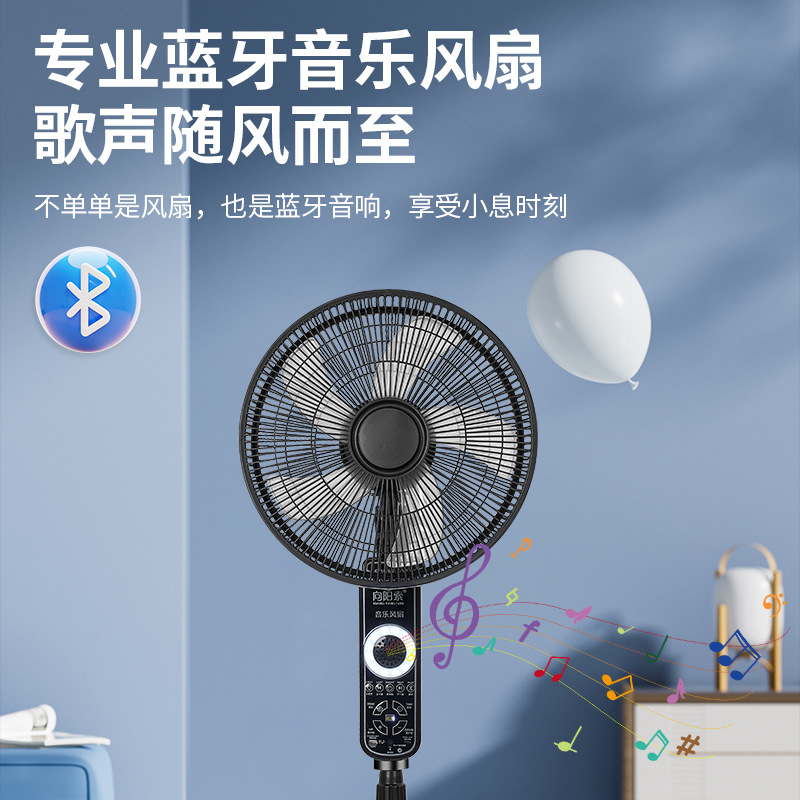
Smaller fans (like desk or handheld models) typically use less power—often 10–30 watts—because they have smaller motors and blades. Larger fans, such as ceiling fans or industrial models, require more energy to move larger volumes of air. For instance, a 52-inch ceiling fan might use 75 watts on high speed, while a compact desk fan uses just 25 watts.
2. Speed Settings
Most fans have multiple speed settings (low, medium, high). Higher speeds demand more electricity because the motor works harder to spin the blades faster. A fan on low speed might use 20% of its maximum wattage, while high speed could push it to 100%.
3. Usage Duration
Even a low-wattage fan will add up over time. Running a 30-watt fan for 8 hours a day uses 240 watt-hours daily—enough to power a small LED light for 10 hours. Over a month, that’s 7,200 watt-hours (7.2 kWh), which translates to roughly 1–2 on most utility bills (depending on local rates).
4. Motor Efficiency
Older fans with AC motors are less efficient than newer models with brushless DC motors. DC motors convert electricity to motion with less waste, often using 30–50% less energy for the same airflow. Look for ENERGY STAR-certified fans, which meet strict efficiency guidelines set by the U.S. Environmental Protection Agency.
5. Environment and Maintenance
Dusty or dirty blades create drag, forcing the motor to work harder and use more electricity. Similarly, operating a fan in a very hot room (over 90°F) may require higher speeds to achieve the same cooling effect, increasing energy use.
Fans vs. Other Appliances: How Do They Stack Up?
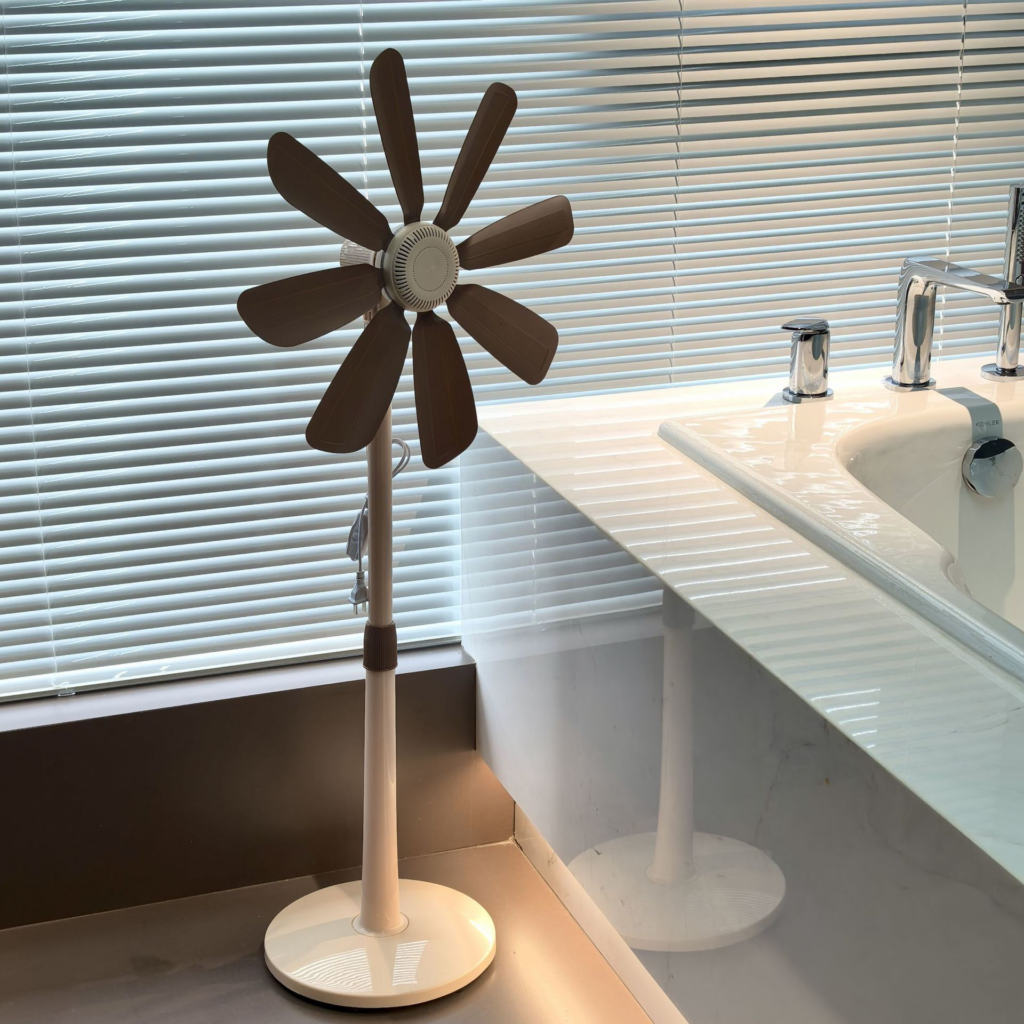
To put fan electricity use in perspective, let’s compare it to common household appliances:
- Air conditioners: A central AC unit uses 3,000–5,000 watts, making it 100x more energy-intensive than a typical fan. Even window AC units use 1,000–1,500 watts—far more than any fan.
- Heating systems: Electric furnaces or heat pumps can use 10,000+ watts during peak operation, dwarfing fan energy use.
- Refrigerators: These run continuously but use 100–800 watts, depending on size and age. A fan running 24/7 uses less energy than a refrigerator over a week.
- Lights: Incandescent bulbs (60 watts) or LED bulbs (10 watts) use far less than most fans, but fans often run for longer hours during summer.
In short, fans are among the most energy-efficient ways to cool a space—especially when paired with other strategies like shading windows or using natural ventilation.

Tips to Keep Fan Electricity Use Low (Without Sacrificing Coolness)
Want to stay cool without breaking the bank? Try these strategies:
1. Choose Energy-Efficient Models
Opt for fans with the ENERGY STAR label, which use advanced motors and blade designs to minimize energy waste. DC motor fans are a great choice—they’re quieter, last longer, and use up to 50% less energy than AC models.
2. Use Speed Settings Wisely
Stick to lower speeds for everyday cooling. Reserve high speed for extremely hot days or when you need quick relief. Many fans also have “natural” or “sleep” modes that adjust speed based on room temperature, saving energy automatically.
3. Clean Blades Regularly
Dust and debris on blades create friction, forcing the motor to work harder. Wipe blades with a damp cloth monthly (or more often in dusty environments) to keep airflow smooth and energy use low.
4. Size Matters
A fan that’s too large for your space will cycle on and off frequently, wasting energy. Match fan size to room size: a 36-inch fan works well for small rooms (up to 100 sq ft), while a 52-inch model is better for larger spaces (150–200 sq ft).
5. Combine with Other Cooling Strategies
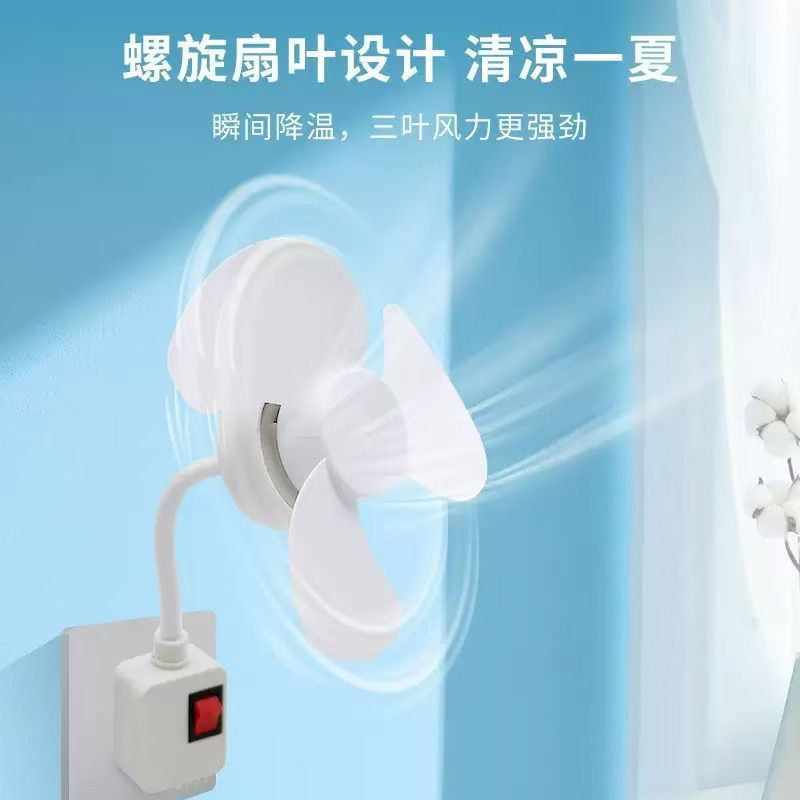
Fans work best when paired with shade, cross-ventilation, or evaporative cooling (like a bowl of ice near the fan). For example, opening windows at night to let in cool air, then closing them in the morning and using a fan to circulate the chill can reduce reliance on fans during the day.
6. Unplug When Not in Use
Even on standby, some fans use a small amount of “vampire” power. Unplugging them when you leave the house (or using a smart plug to turn them off remotely) eliminates this waste.
Conclusion: Balancing Coolness and Efficiency
Fans are far from the energy-guzzlers many fear—they’re a cost-effective, efficient way to stay cool during hot weather. By understanding their energy use drivers and adopting simple habits—like choosing ENERGY STAR models, cleaning blades, and combining with other cooling strategies—you can keep your home comfortable without overspending on electricity. Remember, the goal isn’t to eliminate fan use entirely but to use them wisely, ensuring both coolness and sustainability.
How to purchase: https://looperbuy.com/search?keywords=energy-saving+fan&globalType=1688
Frequently Asked Questions (FAQs)
1. Are all fans equally energy-efficient? No. Energy efficiency depends on motor type (DC vs. AC), blade design, and features like speed controls. Look for ENERGY STAR labels or models with brushless DC motors for the best efficiency.
2. Do ceiling fans use more electricity than tower fans? It depends on size and usage. A 52-inch ceiling fan on high speed uses about 75 watts, while a tower fan of similar capacity might use 60–80 watts. The difference is minimal—focus instead on choosing a model with a high efficiency rating.
3. Is it true that running a fan all night uses a lot of electricity? Not necessarily. A 30-watt fan running 8 hours nightly uses 240 watt-hours daily, which costs about 0.30-0.40 per month (at $0.15/kWh). That’s affordable for most households.
4. How can I tell if my fan is using too much electricity? Check the wattage listed on the fan’s label or user manual. If it’s over 100 watts, it’s on the higher end—consider switching to a lower-wattage model. You can also use a smart power meter to monitor real-time energy use.
5. Do energy-saving modes on fans actually work? Yes. These modes typically reduce motor speed or adjust airflow to use less energy while maintaining comfort. They’re especially useful for overnight use or in moderately warm rooms.
Hot Tags: Fan electricity use; Energy-efficient fans; Summer cooling tips; Household energy consumption; Fan motor types; ENERGY STAR appliances; Cooling cost savings; Fan maintenance; Air conditioning vs fans; Sustainable living